William Jay Risch – författare
Visar alla böcker från författaren William Jay Risch. Handla med fri frakt och snabb leverans.
3 produkter
3 produkter
Del 173 - Harvard Historical Studies
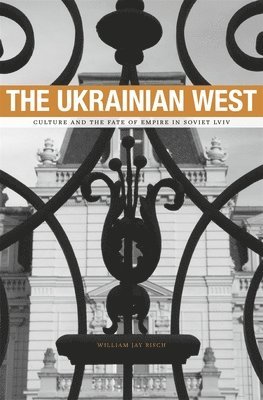
Ukrainian West
Culture and the Fate of Empire in Soviet Lviv
Inbunden, Engelska, 2011
540 kr
Skickas inom 5-8 vardagar
In 1990, months before crowds in Moscow and other major cities dismantled their monuments to Lenin, residents of the western Ukrainian city of Lviv toppled theirs. William Jay Risch argues that Soviet politics of empire inadvertently shaped this anti-Soviet city, and that opposition from the periphery as much as from the imperial center was instrumental in unraveling the Soviet Union.Lviv’s borderlands identity was defined by complicated relationships with its Polish neighbor, its imperial Soviet occupier, and the real and imagined West. The city’s intellectuals—working through compromise rather than overt opposition—strained the limits of censorship in order to achieve greater public use of Ukrainian language and literary expression, and challenged state-sanctioned histories with their collective memory of the recent past. Lviv’s post–Stalin-generation youth, to which Risch pays particular attention, forged alternative social spaces where their enthusiasm for high culture, politics, soccer, music, and film could be shared.The Ukrainian West enriches our understanding not only of the Soviet Union’s postwar evolution but also of the role urban spaces, cosmopolitan identities, and border regions play in the development of nations and empires. And it calls into question many of our assumptions about the regional divisions that have characterized politics in Ukraine. Risch shines a bright light on the political, social, and cultural history that turned this once-peripheral city into a Soviet window on the West.
1 177 kr
Skickas inom 10-15 vardagar
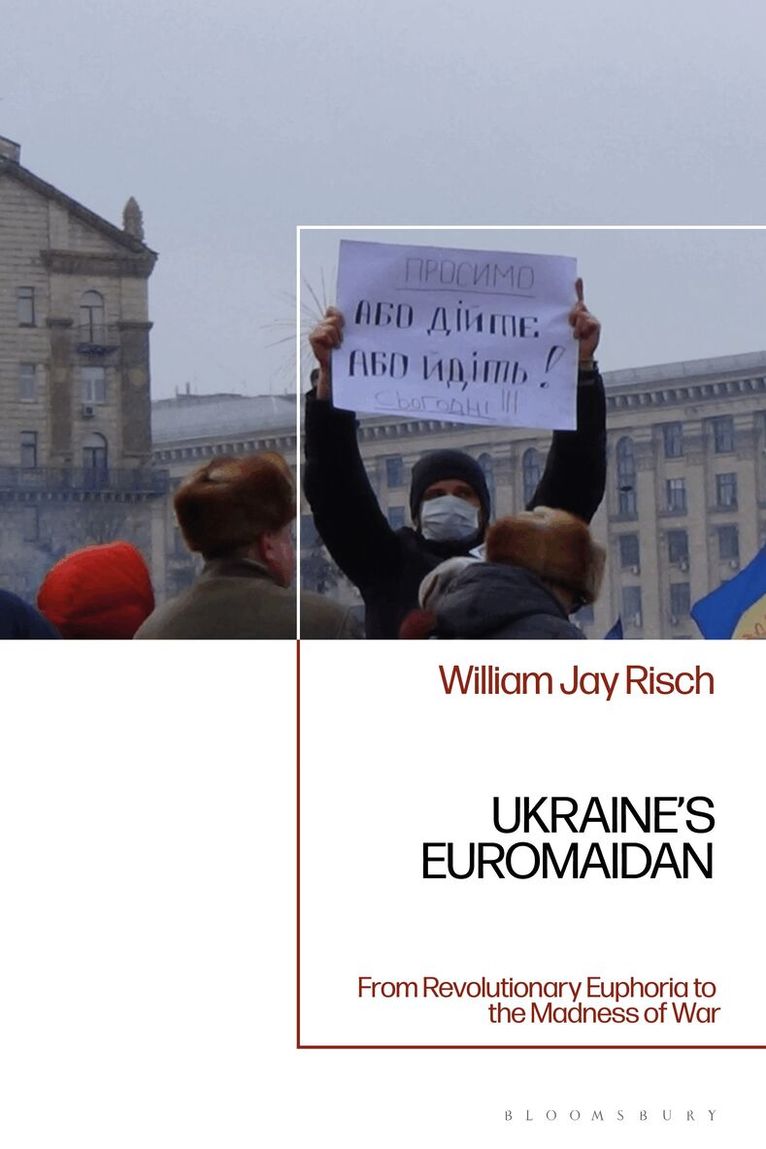
This book provides a critical survey of Ukraine's 2013-14 Euromaidan Revolution – the 'Revolution of Dignity'. Ukraine's Euromaidan explores both sides of a revolution that shaped not just Ukraine, but the world, as told by the participants themselves, including the author.Drawing on interviews and thousands of archived videos, articles, personal memoirs, and social media postsfrom both sides of the barricades, Risch shows how events in Kyiv and Ukraine's regions were intimately entangled. Protest and counter-protest participation shifted and evolved. Escalating revolutionary violence weakened the state and pitted citizens against one another. Risch also reflects on the 'Russian Spring' that swept through Ukraine's south and east, revealing the counter-protesters' agency and revolutionary aspirations, as well as Russia's role in radicalizing them. With both sides dehumanizing each other and clashes between 'pro-Russian' and 'pro-Ukrainian' protesters becoming lethal, Risch compellingly contends that the Euromaidan Revolution ultimately exposed the limits of revolutionary change in today's world of contentious politics.
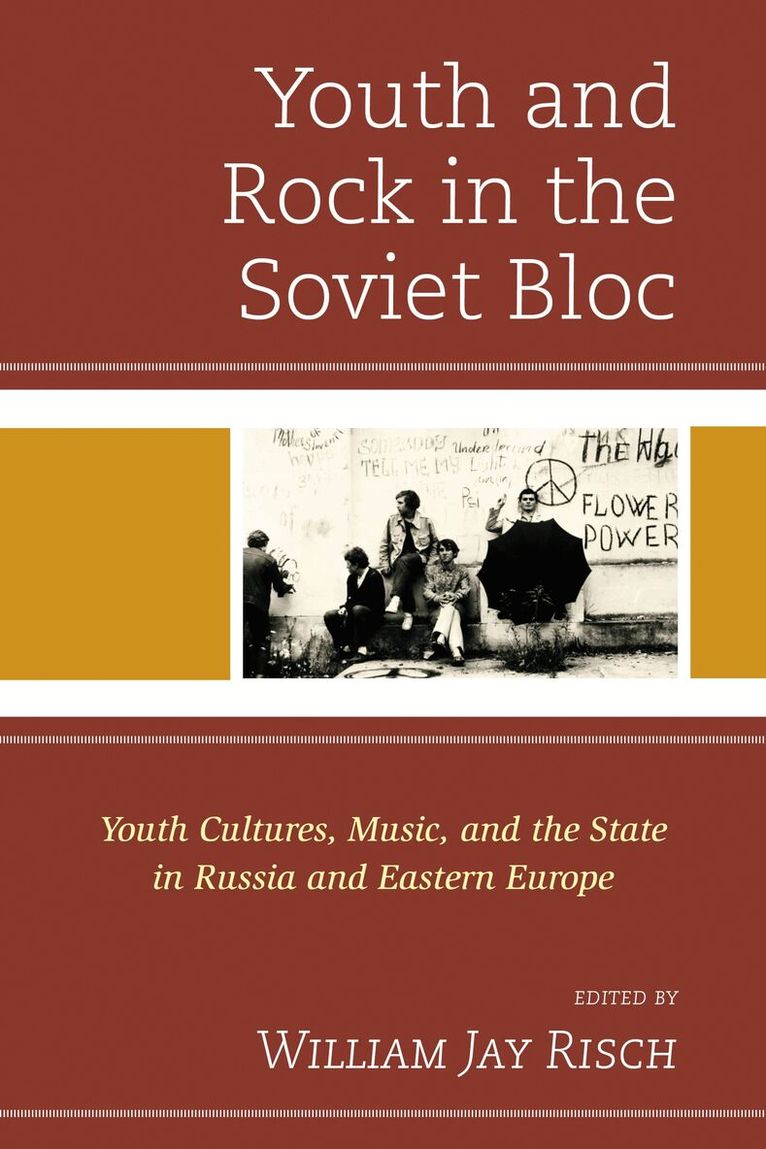
Youth and Rock in the Soviet Bloc
Youth Cultures, Music, and the State in Russia and Eastern Europe
Häftad, Engelska, 2017
764 kr
Skickas inom 10-15 vardagar
Youth and Rock in the Soviet Bloc explores the rise of youth as consumers of popular culture and the globalization of popular music in Russia and Eastern Europe. This collection of essays challenges assumptions that Communist leaders and Western-influenced youth cultures were inimically hostile to one another. While initially banning Western cultural trends like jazz and rock-and-roll, Communist leaders accommodated elements of rock and pop music to develop their own socialist popular music. They promoted organized forms of leisure to turn young people away from excesses of style perceived to be Western. Popular song and officially sponsored rock and pop bands formed a socialist beat that young people listened and danced to. Young people attracted to the music and subcultures of the capitalist West still shared the values and behaviors of their peers in Communist youth organizations. Despite problems providing youth with consumer goods, leaders of Soviet bloc states fostered a socialist alternative to the modernity the capitalist West promised. Underground rock musicians thus shared assumptions about culture that Communist leaders had instilled. Still, competing with influences from the capitalist West had its limits. State-sponsored rock festivals and rock bands encouraged a spirit of rebellion among young people. Official perceptions of what constituted culture limited options for accommodating rock and pop music and Western youth cultures. Youth countercultures that originated in the capitalist West, like hippies and punks, challenged the legitimacy of Communist youth organizations and their sponsors. Government media and police organs wound up creating oppositional identities among youth gangs. Failing to provide enough Western cultural goods to provincial cities helped fuel resentment over the Soviet Union’s capital, Moscow, and encourage support for breakaway nationalist movements that led to the Soviet Union’s collapse in 1991. Despite the Cold War, in both the Soviet bloc and in the capitalist West, political elites responded to perceived threats posed by youth cultures and music in similar manners. Young people participated in a global youth culture while expressing their own local views of the world.