William N. Eskridge - Böcker
Visar alla böcker från författaren William N. Eskridge. Handla med fri frakt och snabb leverans.
3 produkter
3 produkter
356 kr
Skickas inom 5-8 vardagar
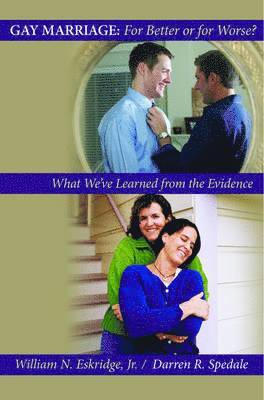
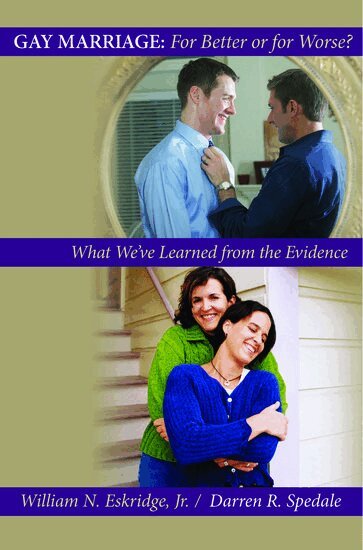
Opponents of same-sex marriage in the United States claim that allowing gays and lesbians to marry would undermine the institution of marriage, weaken family structures, and cause harm to children. Drawing from 17 years of data and experience with same-sex marriage in Scandinavia (in the form of registered partnerships), Gay Marriage: For Better or for Worse? is the first book to present empirical evidence about the effects of same-sex marriage on society. Spedale and Eskridge find that the evidence refutes conservative defense-of-marriage arguments and, in fact, demonstrates that the institution of marriage may indeed benefit from the legalization of gay marriage. If we look at the proof from abroad, the authors show, we must conclude that the sanctioning of gay marriage in the United States would neither undermine marriage as an institution, nor harm the wellbeing of our nation's children. "A very interesting book that people should read."--Bill O'Reilly, Host, The O'Reilly Factor"Whatever your views are now on same-sex marriage, this is the book to read to be informed about why same sex couples want legal recognition and what legal union means to them and to the larger community. Spedale and Eskridge give detailed accounts of the effects of registered partnerships in Scandinavia--and along the way, offer fascinating and engaging pictures of many people's lives."--Martha Minow,Jeremiah Smith Jr. Professor, Harvard Law School "Spedale and Eskridge illuminate with remarkable even-handedness a debate that tends to generate more heat than light. They provide a cogent analysis of conservative arguments that same-sex matrimony threatens conventional marriage, and argue persuasively that enabling same-sex partners to marry may actually strengthen that beleaguered institution."--John Podesta,President and CEO, Center for American Progress "An important and timely contribution. It should be required reading for anyone interested in the future of families in America."--Martha Albertson Fineman, Robert W. Woodruff Professor, Emory Law School
1 062 kr
Skickas inom 10-15 vardagar
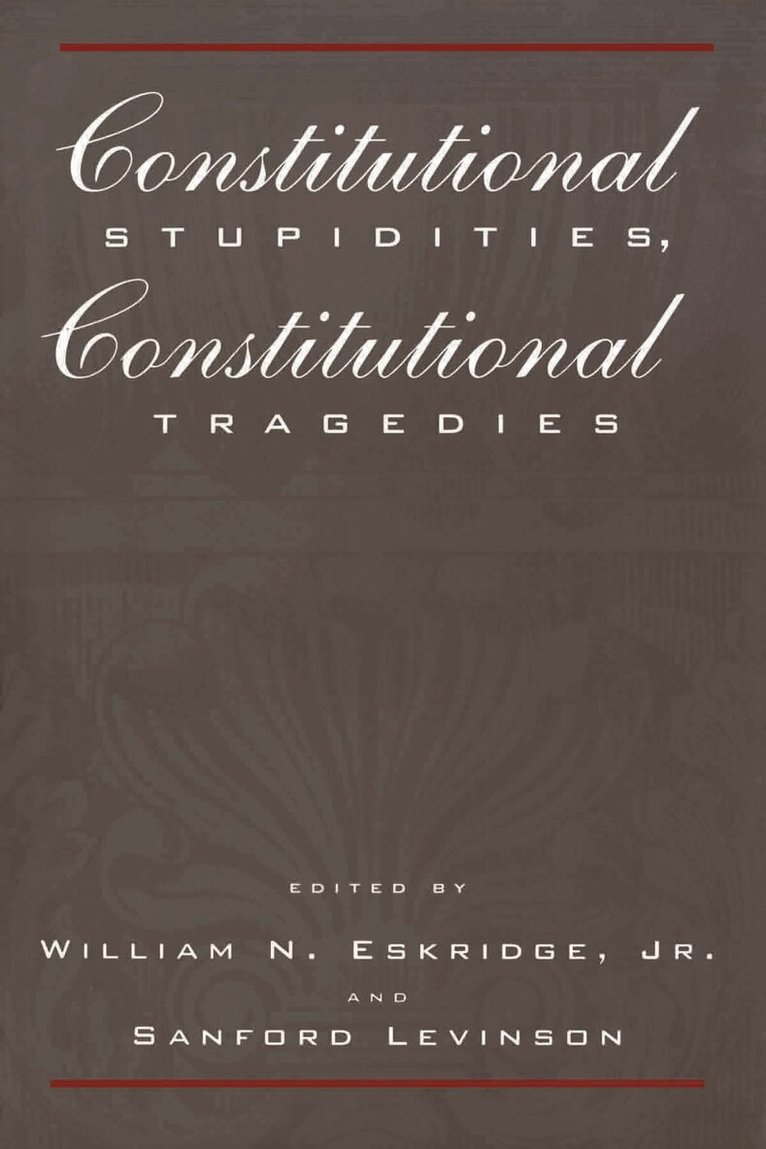
The country's most esteemed constitutional commentators consider the Constitution's greatest flawsThe Constitution is the cornerstone of American government, hailed as one of the greatest contributions of the Western Enlightenment. While many seem content simply to celebrate it, those most familiar with the document invariably find it wanting in at least some aspects.This unique volume brings together many of the country's most esteemed constitutional commentators and invites them to answer two questions: First, what is the stupidest provision of the Constitution? "Stupid" need not mean evil. Thus, a second, related question is whether the scholar-interpreter would be forced to reach truly evil results even if applying his or her own favored theory of constitutional interpretation.The contributors include Lawrence Alexander, Akhil Reed Amar, Jack Balkin, Philip Bobbitt, Gerard Bradley, Rebecca Brown, Steven Calabresi, Lief Carter, Christopher Eisgruber, Lawrence Sager, Marie Failinger, Daniel Farber, James Fleming, Mark Graber, Stephen Griffin, Gary Jacobsohn, Randall Kennedy, Lewis LaRue, Theodore Lowi, Earl Maltz, Michael McConnell, Matthew Michael, Robert Nagel, Daniel Ortiz, Pamela Karlen, Michael Paulsen, Robert Post, Lucas Powe, Dorothy Roberts, Jeffrey Rosen, Frederick Schauer, Michael Seidman, Suzanna Sherry, David Strauss, Laurence Tribe, Mark Tushnet, and John Yoo.
369 kr
Skickas inom 7-10 vardagar
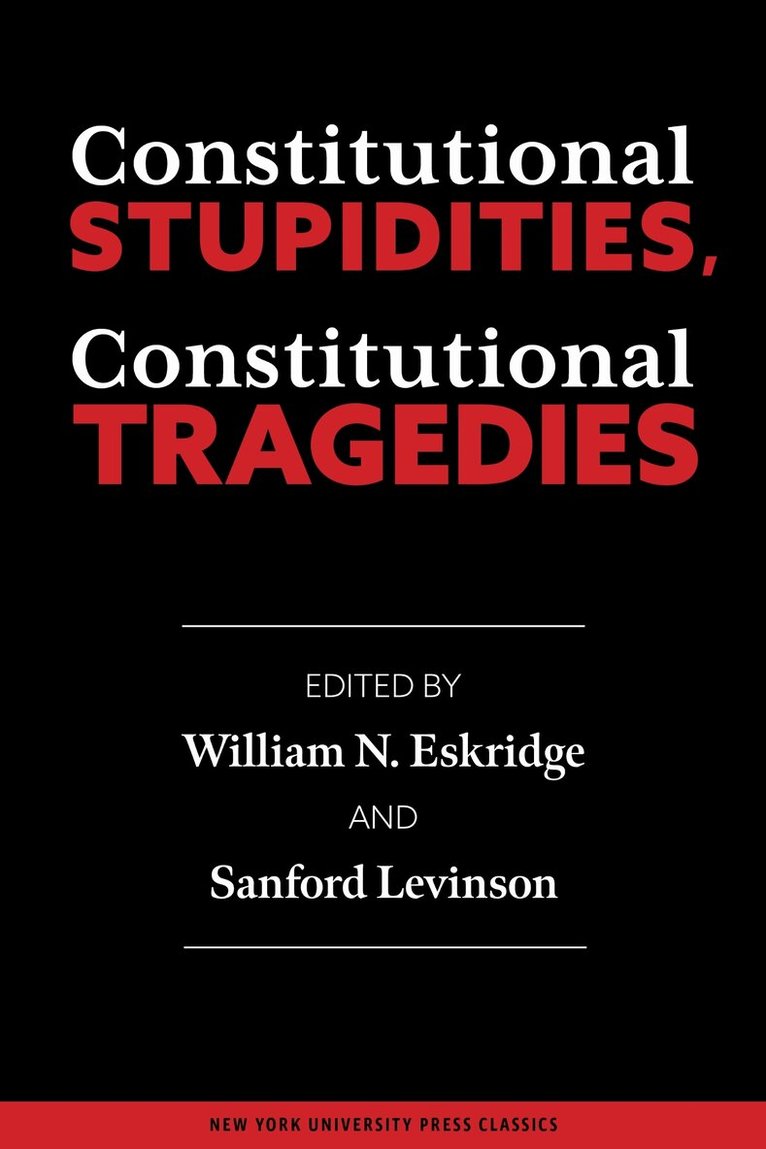
The country's most esteemed constitutional commentators consider the Constitution's greatest flawsThe Constitution is the cornerstone of American government, hailed as one of the greatest contributions of the Western Enlightenment. While many seem content simply to celebrate it, those most familiar with the document invariably find it wanting in at least some aspects.This unique volume brings together many of the country's most esteemed constitutional commentators and invites them to answer two questions: First, what is the stupidest provision of the Constitution? "Stupid" need not mean evil. Thus, a second, related question is whether the scholar-interpreter would be forced to reach truly evil results even if applying his or her own favored theory of constitutional interpretation.The contributors include Lawrence Alexander, Akhil Reed Amar, Jack Balkin, Philip Bobbitt, Gerard Bradley, Rebecca Brown, Steven Calabresi, Lief Carter, Christopher Eisgruber, Lawrence Sager, Marie Failinger, Daniel Farber, James Fleming, Mark Graber, Stephen Griffin, Gary Jacobsohn, Randall Kennedy, Lewis LaRue, Theodore Lowi, Earl Maltz, Michael McConnell, Matthew Michael, Robert Nagel, Daniel Ortiz, Pamela Karlen, Michael Paulsen, Robert Post, Lucas Powe, Dorothy Roberts, Jeffrey Rosen, Frederick Schauer, Michael Seidman, Suzanna Sherry, David Strauss, Laurence Tribe, Mark Tushnet, and John Yoo.