William Watkin - Böcker
Visar alla böcker från författaren William Watkin. Handla med fri frakt och snabb leverans.
12 produkter
12 produkter
2 103 kr
Skickas inom 10-15 vardagar
Aylan, Isis, Begum, Grenfell, Trump. Harambe, Guantanamo, Syria, Brexit, Johnson. COVID, migrants, trolling, George Floyd, Trump! Gazing over the fractured, contested territories of the current global situation, Watkin finds that all these diverse happenings have one element in common. They occur when biopolitical states, in trying to manage and protect the life rights of their citizens, habitually end up committing acts of coercion or disregard against the very people they have promised to protect. When states tasked with making us live find themselves letting us die, then they are practitioners of a particular kind of force that Watkin calls bioviolence. This book explores and exposes the many aspects of contemporary biopower and bioviolence: neglect, exclusion, surveillance, regulation, encampment, trolling, fake news, terrorism and war. As it does so, it demonstrates that the very term ‘violence’ is a discursive construct, an effect of language, made real by our behaviours, embodied by our institutions and disseminated by our technologies. In short, bioviolence is how the contemporary powers that be make us do what they want. Resolutely interdisciplinary, this book is suitable for all scholars, students and general readers in the fields of IR, political theory, philosophy, the humanities, sociology and journalism.
148 kr
Skickas
Aylan, Isis, Begum, Grenfell, Trump. Harambe, Guantanamo, Syria, Brexit, Johnson. COVID, migrants, trolling, George Floyd, Trump! Gazing over the fractured, contested territories of the current global situation, Watkin finds that all these diverse happenings have one element in common. They occur when biopolitical states, in trying to manage and protect the life rights of their citizens, habitually end up committing acts of coercion or disregard against the very people they have promised to protect. When states tasked with making us live find themselves letting us die, then they are practitioners of a particular kind of force that Watkin calls bioviolence. This book explores and exposes the many aspects of contemporary biopower and bioviolence: neglect, exclusion, surveillance, regulation, encampment, trolling, fake news, terrorism and war. As it does so, it demonstrates that the very term ‘violence’ is a discursive construct, an effect of language, made real by our behaviours, embodied by our institutions and disseminated by our technologies. In short, bioviolence is how the contemporary powers that be make us do what they want. Resolutely interdisciplinary, this book is suitable for all scholars, students and general readers in the fields of IR, political theory, philosophy, the humanities, sociology and journalism.
1 719 kr
Tillfälligt slut
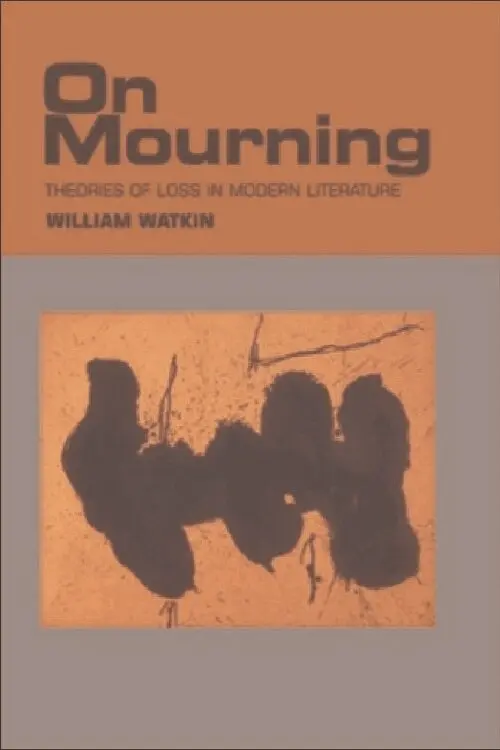
Since the events of September 11th the problems of loss, mourning and commemoration have preoccupied our culture. Ours is not a culture in mourning so much as a mourning culture. Mourning, and its ethical and communal implications, therefore, are central to an understanding of contemporary western culture and its development in the new millennium. On Mourning confronts the issue of loss and its commemoration in contemporary writing. Bringing together work from literary studies, anthropology, psychoanalysis, cultural theory and contemporary philosophy, William Watkin offers an overview of the process of mourning in our culture that is both wide-reaching and challenging. He provides illuminating readings of contemporary writing practices, showing how our ‘mourning culture’ is manifested in traditional elegies, contemporary novels, personal narratives, emotional speech and political rhetoric. In particular, Watkin considers the central issues of emotional authenticity, the relationship between commemorative art and the dead body, the psychological impact of loss and our communal responses to the ‘otherness’ of death. Overall, the book not only explores the aesthetics of loss in specific written, spoken and visual examples, it also puts forward a theory of the ethics of mourning both for individual subjects and communities as a whole. Such a radical reappraisal of the importance of loss and of art will have major implications for literary and cultural studies for years to come.Key Features* Wide-ranging critical introduction to mourning in modern culture* Covers a variety of modern literary and non-literary texts * Thorough re-consideration of the emotional and subjective effects of loss on our modern age* Introduces readers to the new and developing field of postmodern ethics
684 kr
Skickas inom 10-15 vardagar
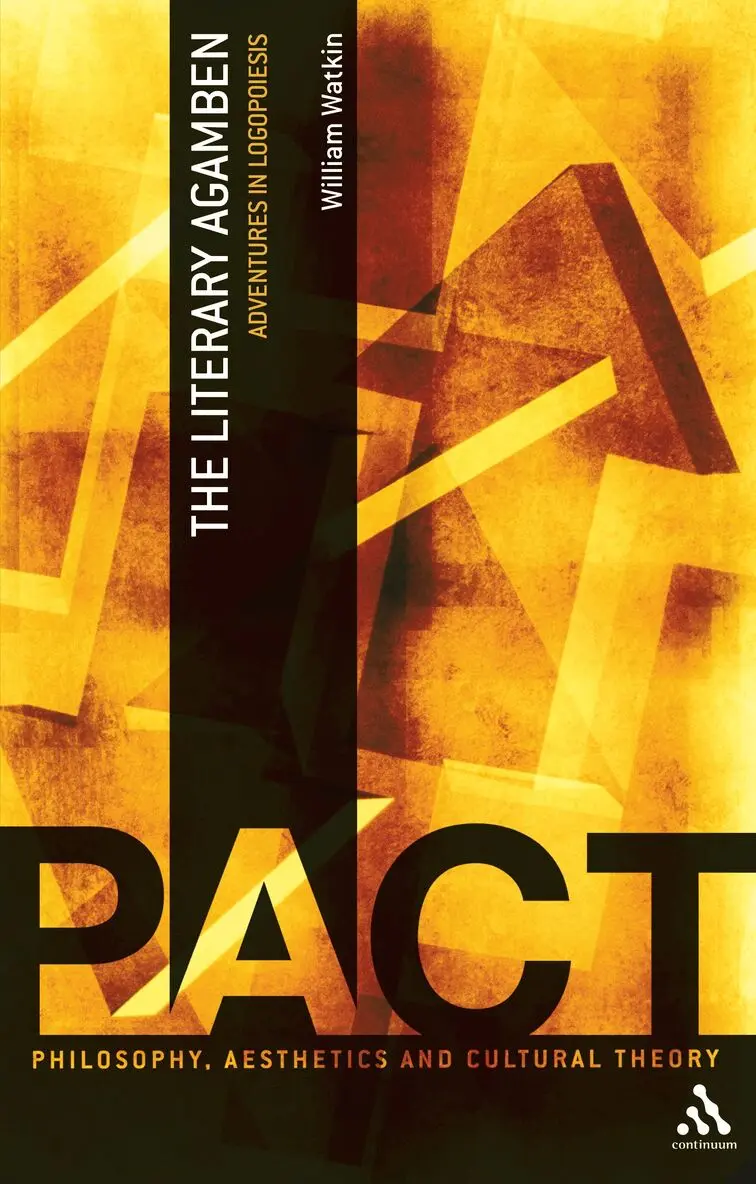
This is the first complete account of all Giorgio Agamben's philosophical work on literature. While Giorgio Agamben is most widely known for his political philosophy, at least a third of his output is dedicated to unique, technical and revelatory readings of literature. Indeed, it is impossible to fully understand Agamben's overall movement towards a Messianic philosophy to come without knowledge of the role of poetry in his ontology. The Literary Agamben considers the totality of Agamben's detailed and varied work on literature and poiesis. Organised around three areas, language, poiesis and modernity, the book explains Agamben's theory of literary singularity in all its complexity. William Watkin details Agamben's particular 'ontological' take on linguistics, works through Agamben's definition of poetry as the tension between semantic and semiotic, and engages with Agamben's aggressive yet insightful critique of modern art as productively nihilistic.The book presents Agamben's overall conception of poiesis and its relevancy to future readings in literature, as well as an understanding of how poiesis forms the crucial third part of Agamben's overall philosophical system alongside the more widely disseminated terms 'exception' and 'potentiality'. "The Philosophy, Aesthetics and Cultural Theory series" examines the encounter between contemporary Continental philosophy and aesthetic and cultural theory. Each book in the series explores an exciting new direction in philosophical aesthetics or cultural theory, identifying the most important and pressing issues in Continental philosophy today.
2 103 kr
Skickas inom 10-15 vardagar
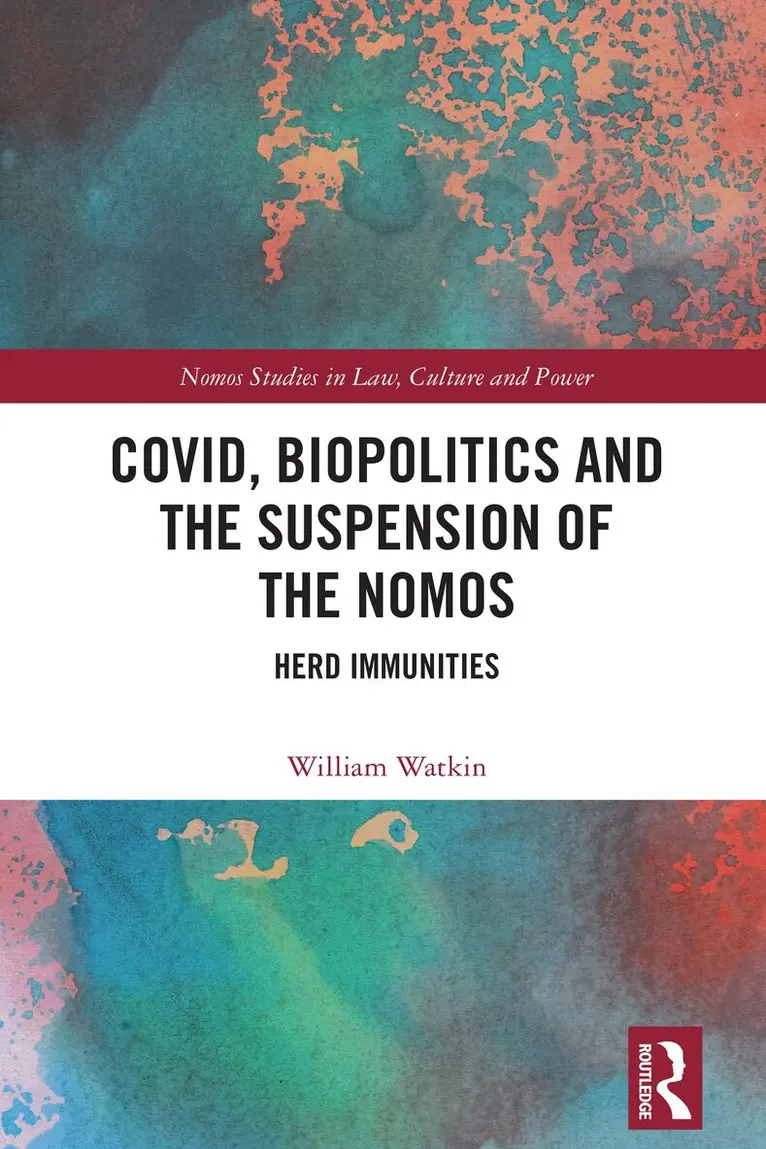
This book considers how, during the unprecedented global lockdown due to the Covid-19 pandemic, the normal order of everyday life, of the rule of law, of power itself was interrupted, and hence the nomos of this earth was suspended.Employing the term ‘herd immunity’ from vaccination science and global lockdown policy as a guiding theme, the book considers two central aspects of the pandemic. These are the function of herding and collecting as a definition of ontology after Alain Badiou, and the concept of immunity as a suspension of oppositional differences in the work of Roberto Esposito. It then considers how herd immunity not only disrupts the nomos but also suspends its significance as a guiding principle of state-sanctioned legal norms—and perhaps permanently. Providing critical readings of masking, social distancing, compliance, vulnerability, bubbles, immunity, breathing, anti-vaxxers, nudge theory, cocooning, lockdown, patient zero, and the many other terms that became commonplace between 2020 and 2022, the book traces a suspension of legal and social norms, a manipulation of our compliance using false science, and a reconfiguring of the social nomos, in light of the threats of the virus. In a highly original mix of contemporary and post-war continental philosophy, biopolitical theory, set theoretical mathematics, extensional logic, and the most up-to-date science in the area, it argues that lockdown was not some global, biopolitical power grab, but actually a weakening of power, of nomos.This book will appeal to scholars and others in a range of disciplinary areas with interests in the legacy of Covid; but especially those working in the areas of continental philosophy, contemporary legal theory, and biopolitics.
1 276 kr
Skickas inom 10-15 vardagar
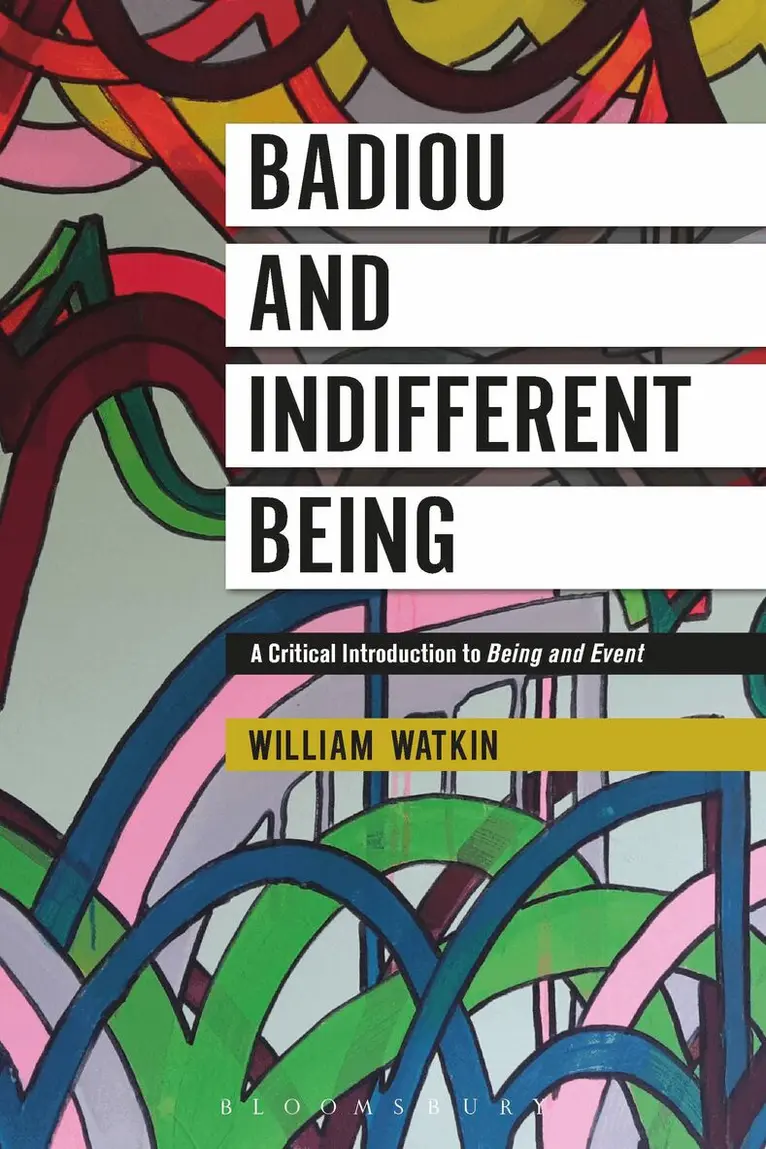
The first critical work to attempt the mammoth undertaking of reading Badiou’s Being and Event as part of a sequence has often surprising, occasionally controversial results. Looking back on its publication Badiou declared: “I had inscribed my name in the history of philosophy”. Later he was brave enough to admit that this inscription needed correction. The central elements of Badiou’s philosophy only make sense when Being and Event is read through the corrective prism of its sequel, Logics of Worlds, published nearly twenty years later. At the same time as presenting the only complete overview of Badiou’s philosophical project, this book is also the first to draw out the central component of Badiou’s ontology: indifference. Concentrating on its use across the core elements Being and Event—the void, the multiple, the set and the event—Watkin demonstrates that no account of Badiou’s ontology is complete unless it accepts that Badiou’s philosophy is primarily a presentation of indifferent being. Badiou and Indifferent Being provides a detailed and lively section by section reading of Badiou’s foundational work. It is a seminal source text for all Badiou readers.
381 kr
Skickas inom 10-15 vardagar
The first critical work to attempt the mammoth undertaking of reading Badiou’s Being and Event as part of a sequence has often surprising, occasionally controversial results. Looking back on its publication Badiou declared: “I had inscribed my name in the history of philosophy”. Later he was brave enough to admit that this inscription needed correction. The central elements of Badiou’s philosophy only make sense when Being and Event is read through the corrective prism of its sequel, Logics of Worlds, published nearly twenty years later. At the same time as presenting the only complete overview of Badiou’s philosophical project, this book is also the first to draw out the central component of Badiou’s ontology: indifference. Concentrating on its use across the core elements Being and Event—the void, the multiple, the set and the event—Watkin demonstrates that no account of Badiou’s ontology is complete unless it accepts that Badiou’s philosophy is primarily a presentation of indifferent being. Badiou and Indifferent Being provides a detailed and lively section by section reading of Badiou’s foundational work. It is a seminal source text for all Badiou readers.
1 343 kr
Skickas inom 10-15 vardagar
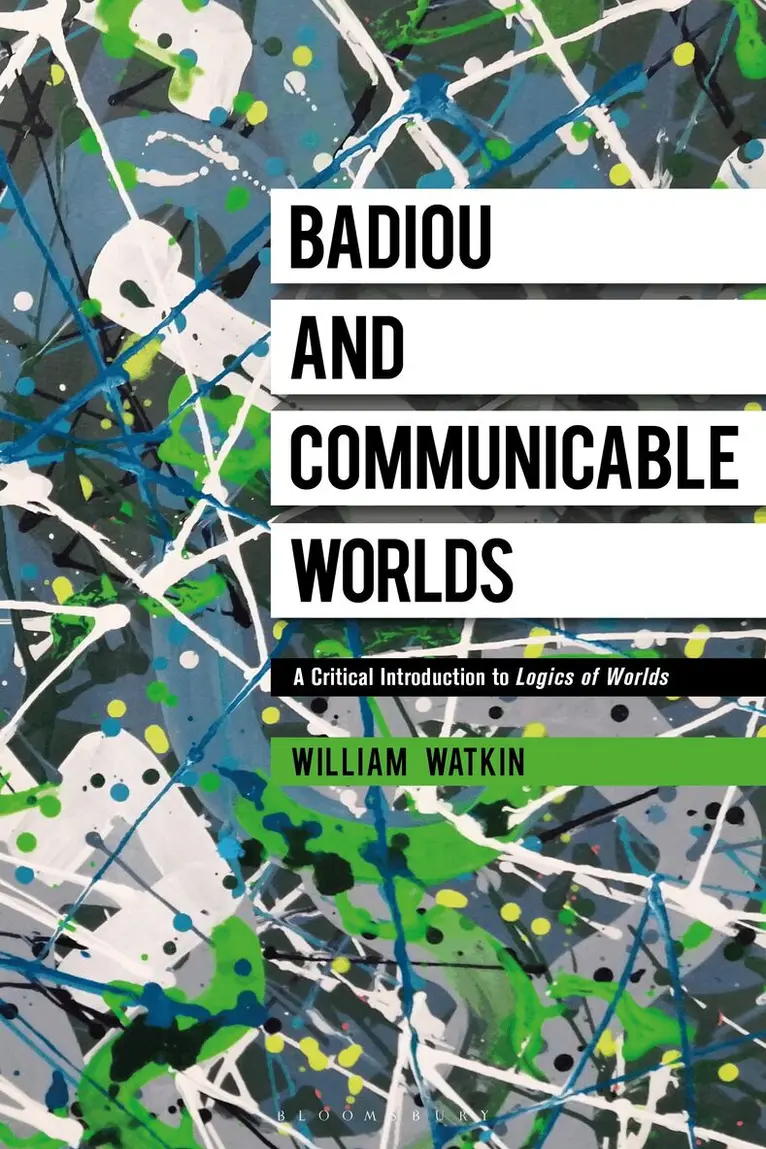
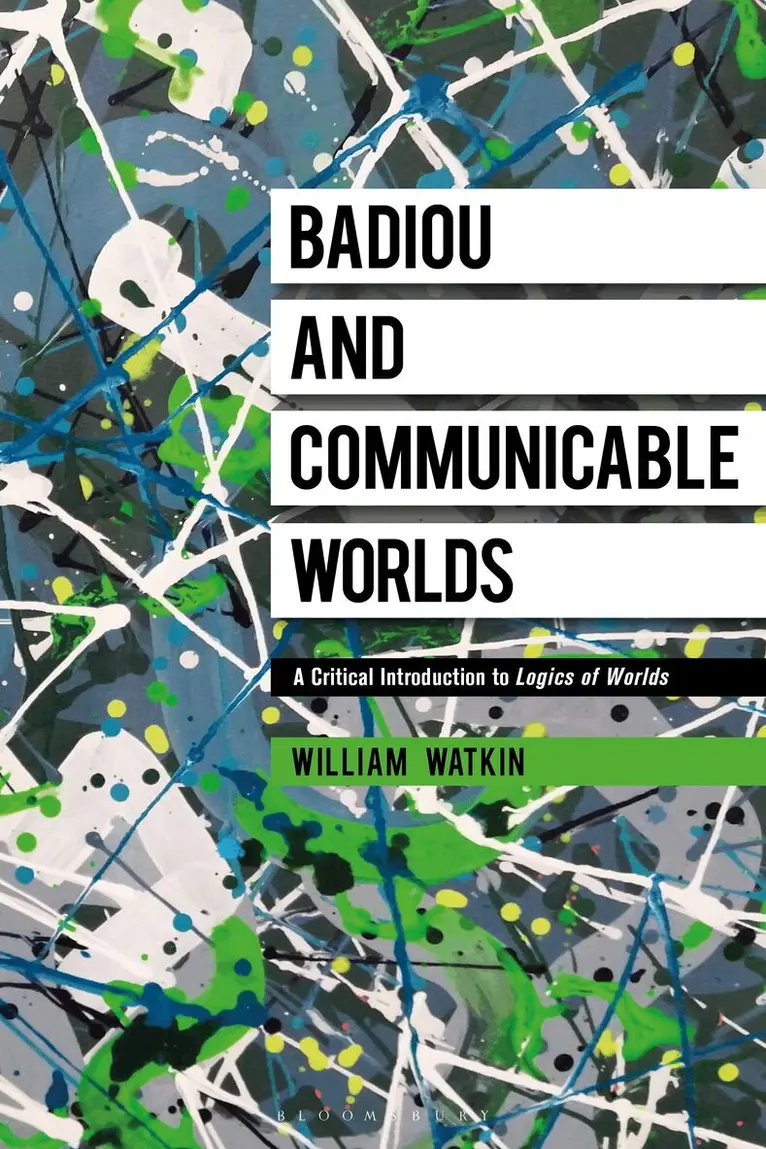
Logics of Worlds stands as one of the most important texts in contemporary thought. Conceived as the sequel to Alan Badiou’s Being and Event, the book expands upon and elucidates the questions that were posed in the first book. As a complex theory of worlds, the text has, for the most part, been misunderstood, but in William Watkin’s diligent and critical close reading of the book, he makes the case for Logics of Worlds being the essential Badiou book for anyone interested in existence, meaning and the potential for radical change. For Watkin, this recasting of ontology is followed by a transformation of logic, which is not only a theory of being, but of appearing and allows Badiou to give new meaning to the object, body and relation. To do this, he explores these concepts through architecture, astronomy and renowned thinkers such as Kant, Hegel and Kierkegaard. For students of French Continental philosophy, ontology and Badiou himself, Watkin’s commentary on the philosopher’s text provides a brilliant and incisive new interpretation of this underrated work by the leading Continental philosopher of our time.
434 kr
Skickas inom 10-15 vardagar
Logics of Worlds stands as one of the most important texts in contemporary thought. Conceived as the sequel to Alan Badiou’s Being and Event, the book expands upon and elucidates the questions that were posed in the first book. As a complex theory of worlds, the text has, for the most part, been misunderstood, but in William Watkin’s diligent and critical close reading of the book, he makes the case for Logics of Worlds being the essential Badiou book for anyone interested in existence, meaning and the potential for radical change. For Watkin, this recasting of ontology is followed by a transformation of logic, which is not only a theory of being, but of appearing and allows Badiou to give new meaning to the object, body and relation. To do this, he explores these concepts through architecture, astronomy and renowned thinkers such as Kant, Hegel and Kierkegaard. For students of French Continental philosophy, ontology and Badiou himself, Watkin’s commentary on the philosopher’s text provides a brilliant and incisive new interpretation of this underrated work by the leading Continental philosopher of our time.
1 833 kr
Skickas inom 10-15 vardagar
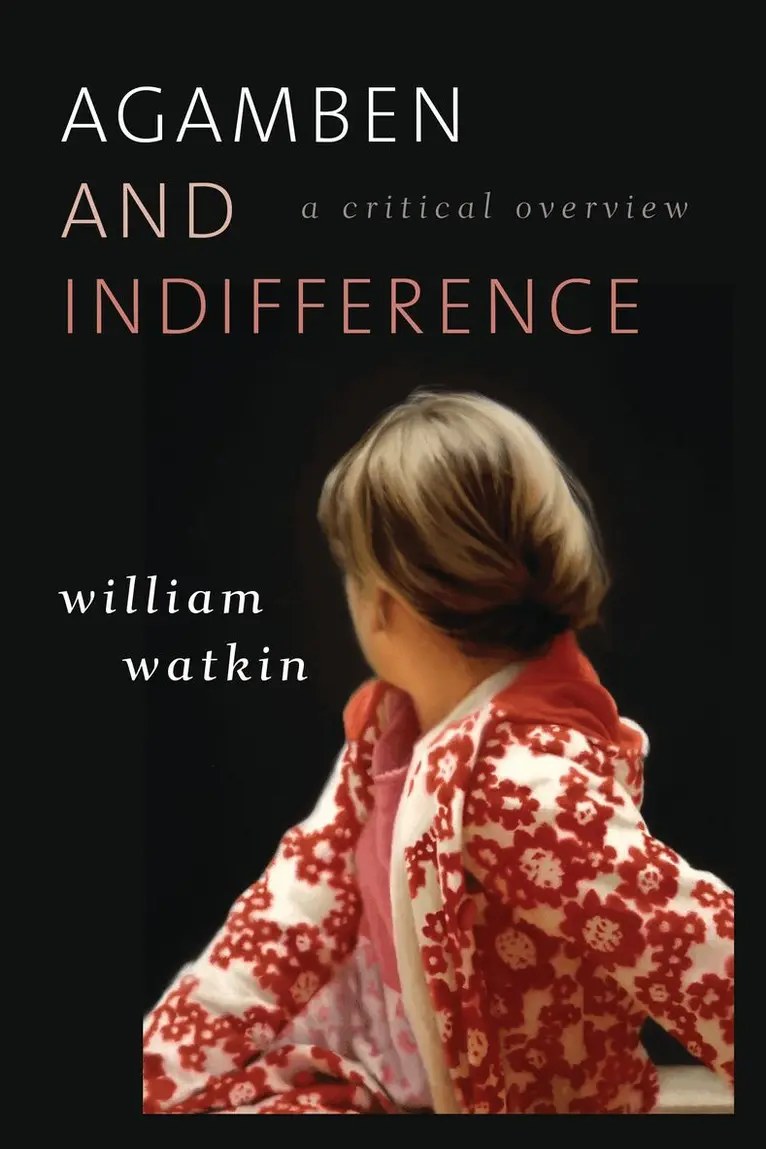
Since the publication of Homo Sacer Giorgio Agamben has become one of the world's most revered and controversial thinkers. His ideas on our current political situation have found many supporters as well as garnering strong criticism from some quarters. While his wider thoughts on topics such as language, potentiality, life, law, messianism, power, and aesthetics have had significant impact on such diverse fields as philosophy, law, theology, history, sociology, politics, cultural and literary studies. Yet although Agamben is much read, his work has often been misunderstood. Agamben and Indifference aims to provide clarity around all the vexing issues that have been associated with Agamben's philosophy over the last two decades or more. The book is the first to fully take into account Agamben's important recent publications, which clarify his method, complete his ideas on power, and finally reveal the role of language in his overall system. Commenting in detail on these recent books alongside re-readings of the central texts from across Agamben's career, William Watkin presents a critical overview of Agamben's work that aims to give a portrait of exactly why this thinker of indifferent and suspensive legal, political, ontological and living states can rightfully be considered one of the most important philosophers in the world today.
608 kr
Skickas inom 10-15 vardagar
Since the publication of Homo Sacer Giorgio Agamben has become one of the world's most revered and controversial thinkers. His ideas on our current political situation have found many supporters as well as garnering strong criticism from some quarters. While his wider thoughts on topics such as language, potentiality, life, law, messianism, power, and aesthetics have had significant impact on such diverse fields as philosophy, law, theology, history, sociology, politics, cultural and literary studies. Yet although Agamben is much read, his work has often been misunderstood. Agamben and Indifference aims to provide clarity around all the vexing issues that have been associated with Agamben's philosophy over the last two decades or more. The book is the first to fully take into account Agamben's important recent publications, which clarify his method, complete his ideas on power, and finally reveal the role of language in his overall system. Commenting in detail on these recent books alongside re-readings of the central texts from across Agamben's career, William Watkin presents a critical overview of Agamben's work that aims to give a portrait of exactly why this thinker of indifferent and suspensive legal, political, ontological and living states can rightfully be considered one of the most important philosophers in the world today.
2 558 kr
Skickas inom 10-15 vardagar
This is the first complete account of all Giorgio Agamben's philosophical work on literature. While Giorgio Agamben is most widely known for his political philosophy, at least a third of his output is dedicated to unique, technical and revelatory readings of literature. Indeed, it is impossible to fully understand Agamben's overall movement towards a Messianic philosophy to come without knowledge of the role of poetry in his ontology. The Literary Agamben considers the totality of Agamben's detailed and varied work on literature and poiesis. Organised around three areas, language, poiesis and modernity, the book explains Agamben's theory of literary singularity in all its complexity. William Watkin details Agamben's particular 'ontological' take on linguistics, works through Agamben's definition of poetry as the tension between semantic and semiotic, and engages with Agamben's aggressive yet insightful critique of modern art as productively nihilistic.The book presents Agamben's overall conception of poiesis and its relevancy to future readings in literature, as well as an understanding of how poiesis forms the crucial third part of Agamben's overall philosophical system alongside the more widely disseminated terms 'exception' and 'potentiality'. "The Philosophy, Aesthetics and Cultural Theory series" examines the encounter between contemporary Continental philosophy and aesthetic and cultural theory. Each book in the series explores an exciting new direction in philosophical aesthetics or cultural theory, identifying the most important and pressing issues in Continental philosophy today.