Winston Ramsey – författare
Visar alla böcker från författaren Winston Ramsey. Handla med fri frakt och snabb leverans.
7 produkter
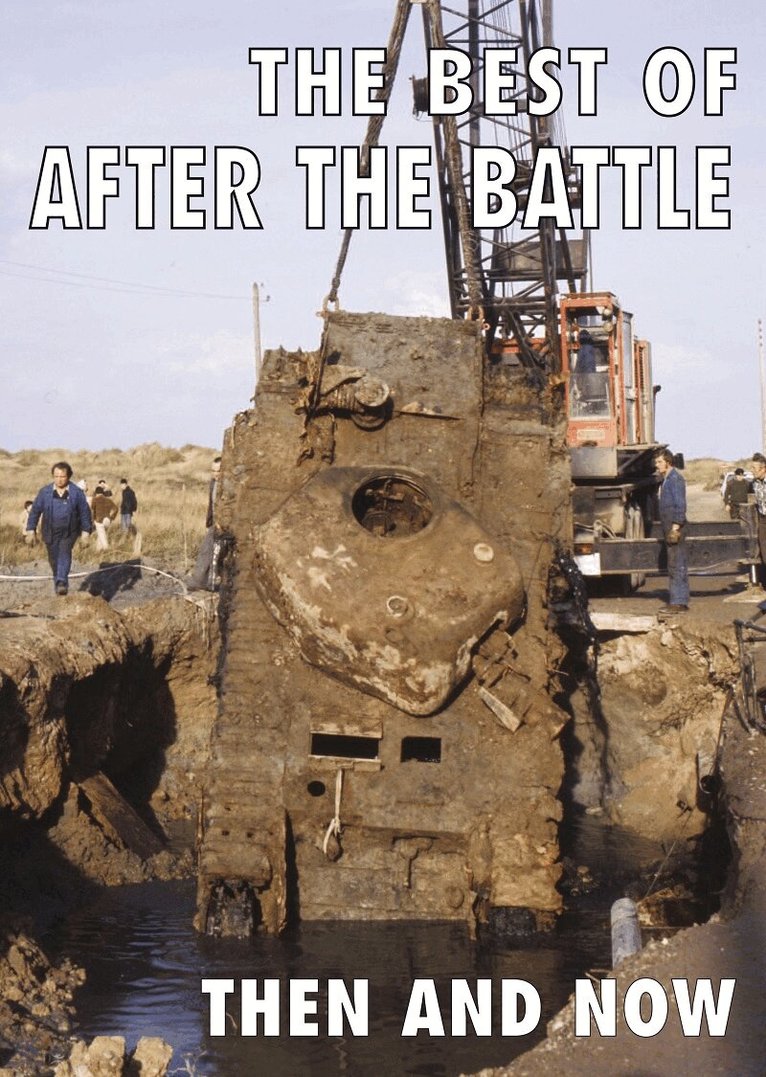
Best of After the Battle
Then and Now
Inbunden, 2022
497 kr
Lägg i varukorg
It was nearly half a century ago that After the Battle first began visiting the battlefields of the Second World War, matching up photographs of the period with their present-day comparisons. Our 'then and now' theme caught on with like-minded readers around the world, all interested to know what …
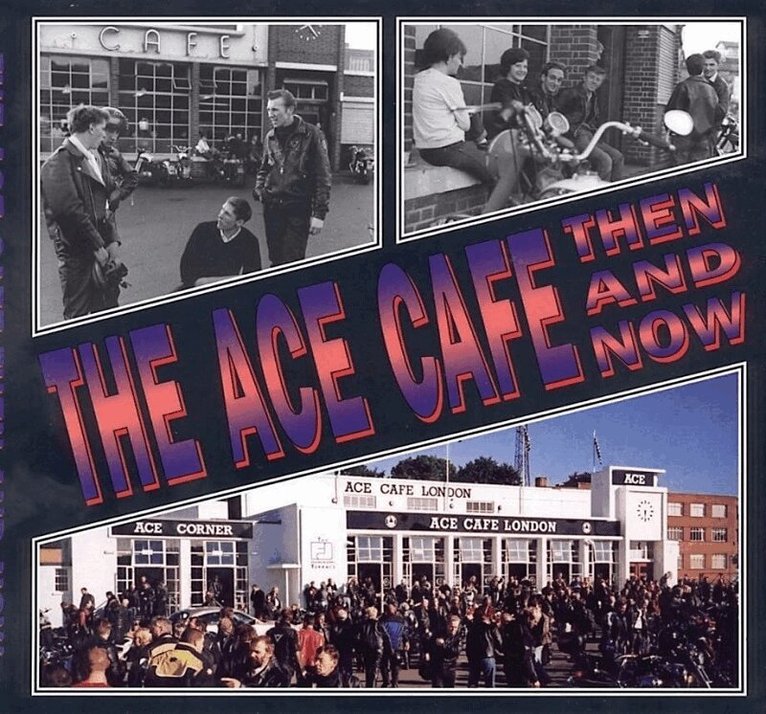
Ace Cafe Then and Now
Av Winston Ramsey, Winston G. Ramsey
Häftad, 2022
192 kr
Lägg i varukorg
During the 1960s swarms of motorcyclists roamed along London's North Circular Road in nightly burn ups. Their pit stop was the Ace Cafe at Stonebridge Park. This is their story as told by the boys who raced and the policemen who chased, woven against a background of contemporary reports.
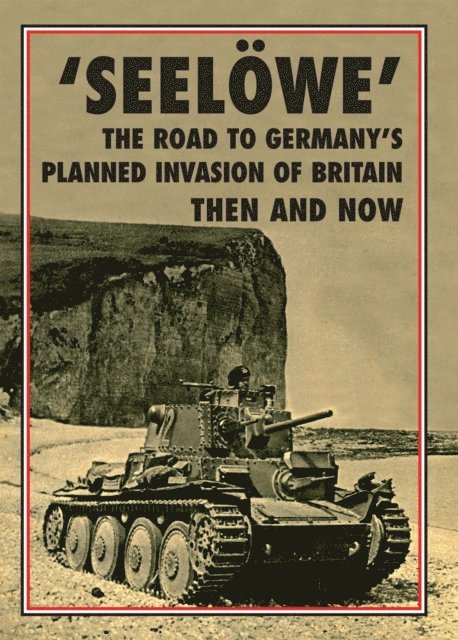
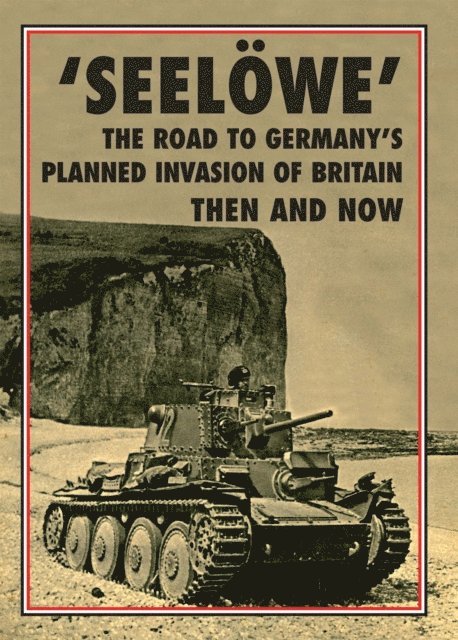
'Seelowe'
The Road to Germany''s Palnned Invasion of Britain Then and Now
E-bok, 2021
265 kr
Lägg i varukorg
In July 1940 Britain faced the very real possibility of being invaded by Germany. Hitler''s war machine had subjugated the Continent in six weeks and ''Engeland'' was next on the list. The German Navy had been working on the logistics for a seaborne invasion of England since the autumn of 1939, …
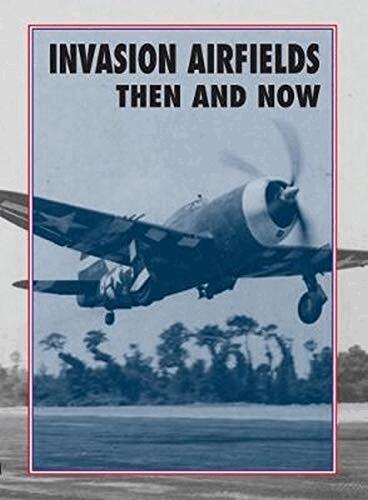
Invasion Airfields Then and Now
Inbunden, 2017
429 kr
Lägg i varukorg
In his 1945 report to the Combined Chiefs-of-Staff on the success of Operation `Overlord', the Supreme Commander General Eisenhower wrote that `on the morning of June 9 I was able to announce that for the first time since 1940, Allied air forces were operating from France, and that within three …
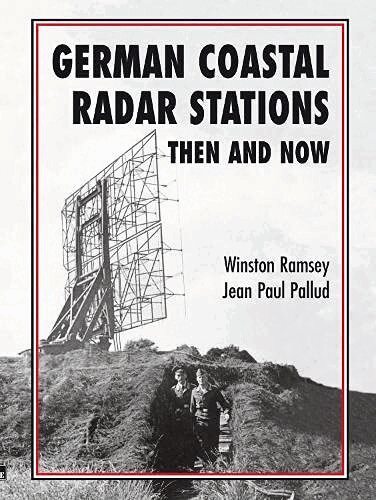
German Coastal Radar Stations Then and Now
Inbunden, 2021
369 kr
Lägg i varukorg
When German forces occupied the coastline of the English Channel in 1940, one of the measures undertaken to give early warning of attacks from the sea or air was to set up a line of radar stations. Although this invisible screen was a passive defence, it was a serious 'barrier' that had to be …
'Seelowe'
The Road to Germany''s Palnned Invasion of Britain Then and Now
E-bok, 2021
265 kr
Lägg i varukorg
In July 1940 Britain faced the very real possibility of being invaded by Germany. Hitler''s war machine had subjugated the Continent in six weeks and ''Engeland'' was next on the list. The German Navy had been working on the logistics for a seaborne invasion of England since the autumn of 1939, …
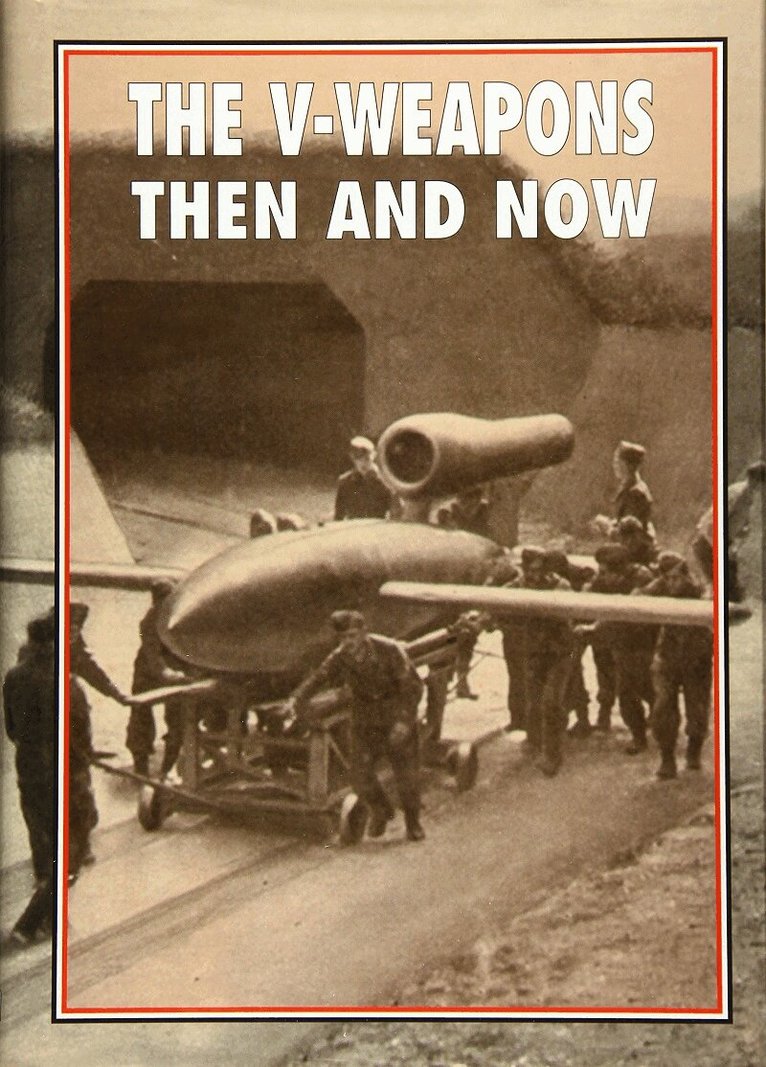
V-Weapons Then and Now
Inbunden, 2020
460 kr
Lägg i varukorg
Day-by-day listings are included covering the locations in Britain where every V1 was either destroyed or where they impacted, plus those for all the V2s. Illustrated with many censored photographs from the period, 'then and now' comparisons bring history alive to illustrate the passage of time …