Wolfgang H. Berger – författare
Visar alla böcker från författaren Wolfgang H. Berger. Handla med fri frakt och snabb leverans.
7 produkter
7 produkter
Inbunden, Engelska, 1996
727 kr
Skickas inom 5-8 vardagar
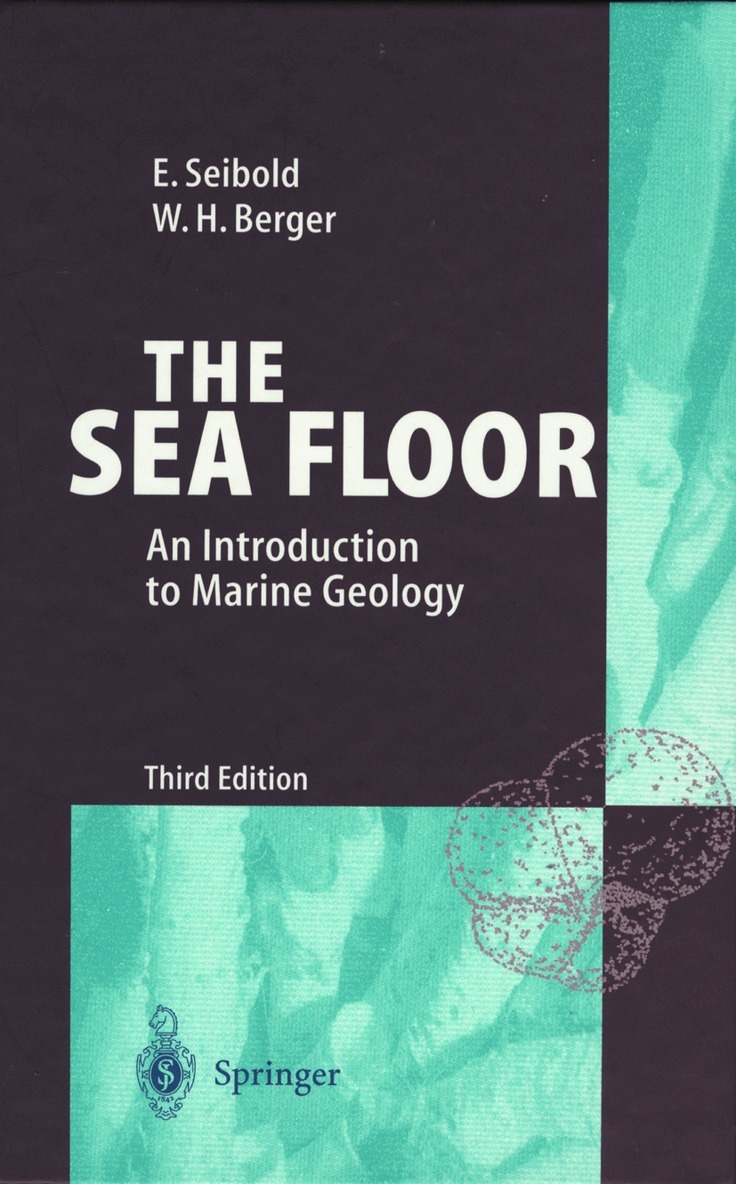
The Sea Floor deals with the most important results achieved in Marine Geology over the last three decades. Relevant geophysical, geochemical, sedimentological and paleontological methods are shortly described. They should allow the reader to comment on new results about plate tectonics, marine sedimentation from the coasts to the deep sea, climatological aspects, paleoceanology and the use of the sea floor. The text tries to transmit to the reader the excitement of marine geological research both aboard and in modern laboratories. Basic mineralogical, geochemical, biological and other relevant data and a detailed list of books and symposia are given in an Appendix. The third corrected and revised edition contains an enlarged and updated list of references and some new figures.
Häftad, Engelska, 2010
2 161 kr
Skickas inom 10-15 vardagar
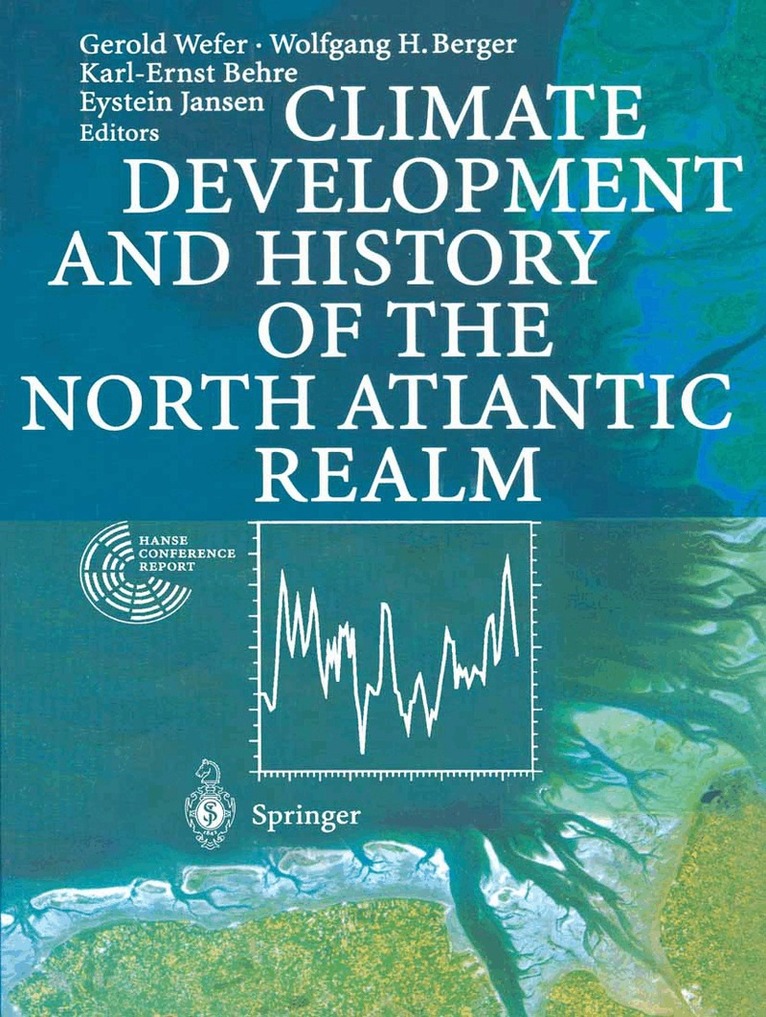
The global environment is changing rapidly under the impact of human activities. An important element in this change is related to global climate modification. Experts from the natural and social sciences with a strong interest in history discussed common topics of great interest to society. Can the study of climate and history help in devising strategies for coping with this change? What might be the type of information most useful in this context? What are the pitfalls awaiting the unwary? These and similar questions were discussed during a four-day workshop. The resulting proceedings contain comprehensive papers of broad interest, thematic back-ground papers and reports of study groups. Apart from scientists, the papers should interest graduate students and lecturers.
E-bok
PDF, Engelska, 2012712 kr
Läs direkt efter köp
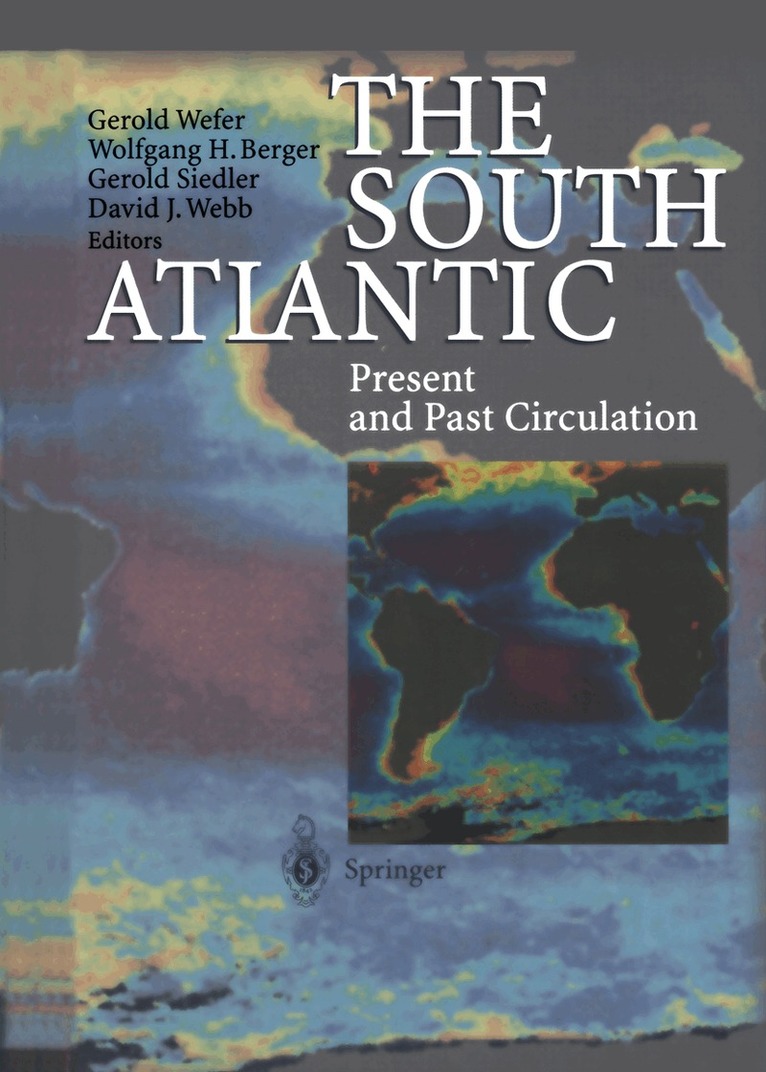
As connecting link between the Antarctic and the North Atlantic, the South Atlantic plays an important role in the distribution of heat in the North Atlantic and in the biogeochemical budget of all oceans. Oceanographers and geologists as well as micropaleontologists and meteorologists will find a wealth of information in this
Häftad, Engelska, 2012
546 kr
Skickas inom 10-15 vardagar
As connecting link between the Antarctic and the North Atlantic, the South Atlantic plays an important role in the distribution of heat in the North Atlantic and in the biogeochemical budget of all oceans. Oceanographers and geologists as well as micropaleontologists and meteorologists will find a wealth of information in this
E-bok
PDF, Engelska, 2013712 kr
Läs direkt efter köp
Man''s understanding of how this planet is put together and how it evolved has changed radically during the last 30 years. This great revolution in geology - now usually subsumed under the concept of Plate Tectonics - brought the realization that convection within the Earth is responsible for the origin of today''s ocean basins and conti nents, and that the grand features of the Earth''s surface are the product of ongoing large-scale horizontal motions. Some of these notions were put forward earlier in this century (by A. Wegener, in 1912, and by A. Holmes, in 1929), but most of the new ideas were an outgrowth of the study of the ocean floor after World War II. In its impact on the earth sciences, the plate tectonics revolution is comparable to the upheaval wrought by the ideas of Charles Darwin (1809-1882), which started the intense discussion on the evolution of the biosphere that has recently heated up again. Darwin drew his inspiration from observations on island life made during thevoyage of the Beagle (1831-1836), and his work gave strong impetus to the first global oceanographic expedition, the voyage of HMS Challenger (1872- 1876). Ever since, oceanographic research has been intimately associ ated with fundamental advances in the knowledge of Earth. This should come as no surprise. After all, our planet''s surface is mostly ocean.
E-bok
PDF, Engelska, 20132 741 kr
Läs direkt efter köp
The global environment is changing rapidly under the impact of human activities, and an important element of this change is related to global c1imate modification. Can the study of c1imate and history help in devising strategies for coping with this change? What might be the type of information most useful in this context? What are the pitfalls awaiting the unwary? These are the kinds of questions that led us to bring together experts from the natural and social sci ences with a strong interest in history, to promote discussion between workers in different disciplines by focussing on a common topic of great interest to society. The meeting was arranged in the framework of a "Hanse Conference" within the interdisciplinary program of the Hanse-Wissenschaftskolleg, a foundation set up to promote interdisciplinary studies in collaboration between the universities ofBremen and Oldenburg. The aim ofthe Hanse Conferences in general is to provide opportunities for experts from different fields of the sciences and humanities to come together and explore the larger framework oftopics of common interest. What unites the partici pants is their desire to look over the fence to neighboring disciplines. Young colleagues who wish to build an interdisciplinary career are particularly welcome. In the Hanse Conference on Climate and History, we have endeavoured to build bridges between the c1imate sciences and the sociological sciences concemed with environmental impacts on human activities. The geological sciences, we feIt, are especially well suited to the purpose because they al ready comprise historical aspects.
E-bok
PDF, Engelska, 20131 140 kr
Läs direkt efter köp
Man''s understanding of how this planet is put together and how it evolved has changed radically during the last 30 years. This great revolution in geology - now usually subsumed under the concept of Plate Tectonics - brought the realization that convection within the Earth is responsible for the origin of today''s ocean basins and conti nents, and that the grand features of the Earth''s surface are the product of ongoing large-scale horizontal motions. Some of these notions were put forward earlier in this century (by A. Wegener, in 1912, and by A. Holmes, in 1929), but most of the new ideas were an outgrowth of the study of the ocean floor after World War II. In its impact on the earth sciences, the plate tectonics revolution is comparable to the upheaval wrought by the ideas of Charles Darwin (1809-1882), which started the intense discussion on the evolution of the biospere that has recently heated up again. Darwin drew his inspiration from observations on island life made during the voyage of the Beagle (1831-1836), and his work gave strong impetus to the first global oceanographic expedition, the voyage of HMS Challenger (1872- 1876). Ever since, oceanographic research has been intimately associ ated with fundamental advances in the knowledge of Earth. This should come as no surprise. After all, our planet''s surface is mostly ocean.