W.W.C. Gieskes - Böcker
Visar alla böcker från författaren W.W.C. Gieskes. Handla med fri frakt och snabb leverans.
4 produkter
4 produkter
1 578 kr
Skickas inom 10-15 vardagar
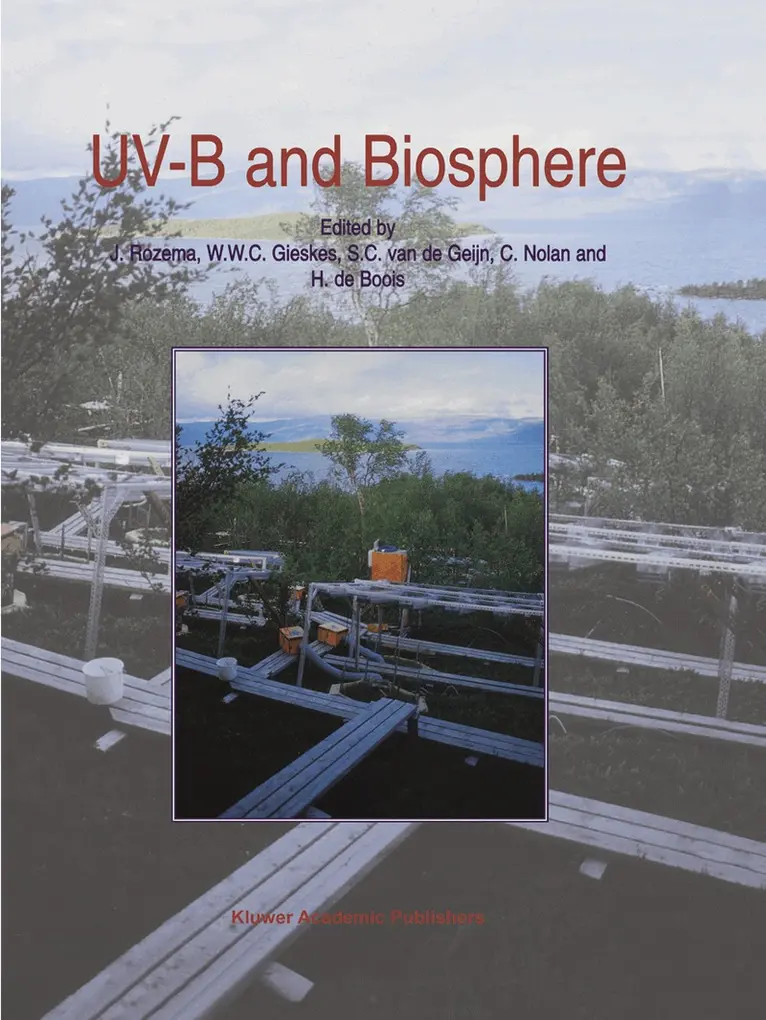
Current phase-out schedules of the production and emission of CFC's indicate that chlorine loading in the stratosphere is not yet at its maximum. The recovery of stratospheric ozone is estimated to take time and ele vated levels of UV-B radiation are expected to occur throughout most of the next century. Despite numerous physiological studies of UV-B effects on plants, often grown in climate chambers, knowledge of UV-B effects on organisms and processes in natural aquatic or terrestrial ecosystems is poor. Currently it appears that UV-B radiation is not just an environmental stress' factor to plants. In various ways, which are incompletely understood, UV-B affects a wide range of physiological and ecological processes. Remarkably, recent field studies indicate that enhanced UV-B does not markedly affect photosynthesis, growth and primary production, but rather interferes with plant morphogenesis and plant and ecosystem functions relating to the secondary metabolism. This special issue and book UV-B and Biosphere is an attempt to cover this range and to report the progress made in the research of ecological effects of enhanced solar UV-B radiation. The papers in this book formed the basis of an international workshop entitled' UV-B and Biosphere' , December 15-18, 1995, in Wageningen, The Netherlands. A first reaction of Hans de Boois on the number of papers and sessions scheduled from Friday to Sunday morning was: far too many.
Phaeocystis, major link in the biogeochemical cycling of climate-relevant elements
Inbunden, Engelska, 2007
1 064 kr
Skickas inom 10-15 vardagar
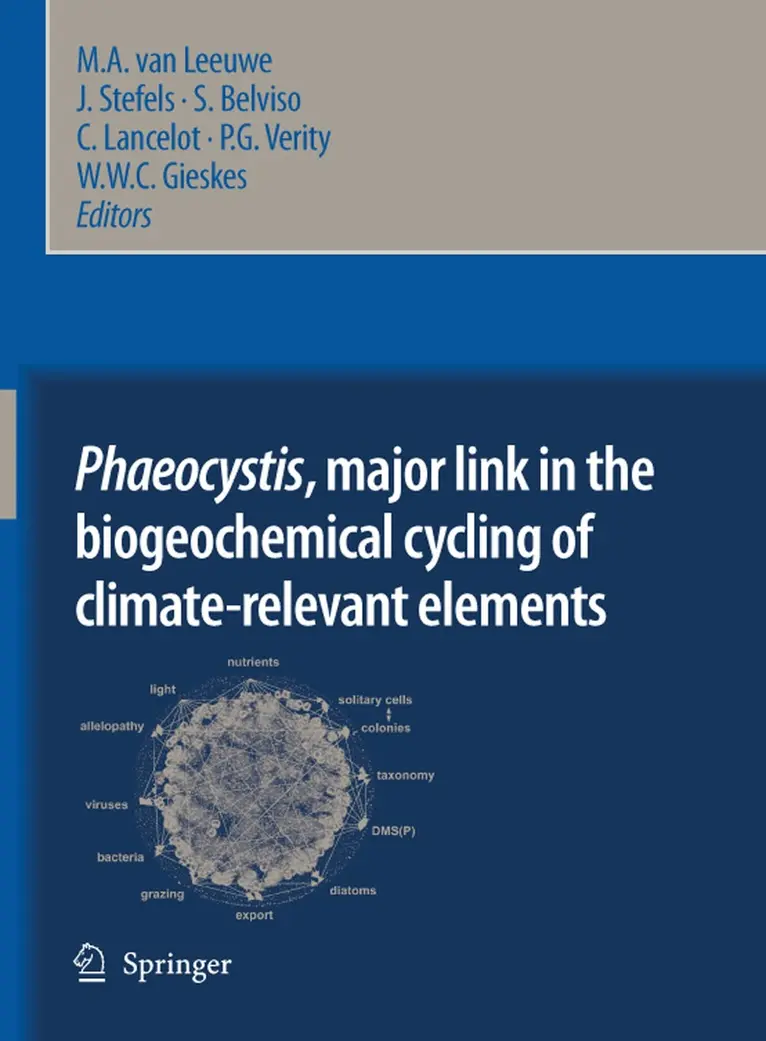
The ubiquitous marine microalgal species Phaeocystis plays an important role in biogeochemical cycles. Phaeocystis has a complicated life cycle, which makes it hard to decipher the role of this organism in ecosystem dynamics and hence its role in elemental cycles. This volume offers a selection of papers that have been presented at the final meeting of Working Group number 120 'Phaeocystis, Major Link in the Biogeochemical Cycling of Climate-relevant Elements', of the Scientific Committee on Oceanic Research (SCOR). The combination of a diverse yet well selected spectrum of scientific disciplines - varying from phylogeny to microbiogeochemistry and ecological modeling - makes this a very complete volume; it will no doubt become an important reference to all those working with Phaeocystis. This book comprises important review papers by various top authors in the field. Topics that are addressed reach from the organism level (taxonomy and life cycles) to ecosystem dynamics (interaction with viruses and grazing dynamics). The role of Phaeocystis in carbon cycling is focus of various chapters, as well as its role in sulphur cycling.The last treatise of this volume comprises a synthesis of all the presentations of the meeting. This chapter highlights the most relevant insights that have been gained so far and defines urgent questions that need to be addressed in future research.
Phaeocystis, major link in the biogeochemical cycling of climate-relevant elements
Häftad, Engelska, 2011
1 064 kr
Skickas inom 10-15 vardagar
This volume offers a selection of papers presented at the final meeting of Working Group # 120 "Phaeocystis, major link in the biogeochemical cycling of climate-relevant elements", of the Scientific Committee on Oceanic Research (SCOR). It features papers by various top authors in the field, covering topics that reach from the organism level to ecosystem dynamics. It also includes a synthesis of all the presentations of the meeting.
1 578 kr
Skickas inom 10-15 vardagar
Current phase-out schedules of the production and emission of CFC's indicate that chlorine loading in the stratosphere is not yet at its maximum. The recovery of stratospheric ozone is estimated to take time and ele vated levels of UV-B radiation are expected to occur throughout most of the next century. Despite numerous physiological studies of UV-B effects on plants, often grown in climate chambers, knowledge of UV-B effects on organisms and processes in natural aquatic or terrestrial ecosystems is poor. Currently it appears that UV-B radiation is not just an environmental stress' factor to plants. In various ways, which are incompletely understood, UV-B affects a wide range of physiological and ecological processes. Remarkably, recent field studies indicate that enhanced UV-B does not markedly affect photosynthesis, growth and primary production, but rather interferes with plant morphogenesis and plant and ecosystem functions relating to the secondary metabolism. This special issue and book UV-B and Biosphere is an attempt to cover this range and to report the progress made in the research of ecological effects of enhanced solar UV-B radiation. The papers in this book formed the basis of an international workshop entitled' UV-B and Biosphere' , December 15-18, 1995, in Wageningen, The Netherlands. A first reaction of Hans de Boois on the number of papers and sessions scheduled from Friday to Sunday morning was: far too many.