Wylie Lenz - Böcker
Visar alla böcker från författaren Wylie Lenz. Handla med fri frakt och snabb leverans.
2 produkter
2 produkter
355 kr
Skickas inom 5-8 vardagar
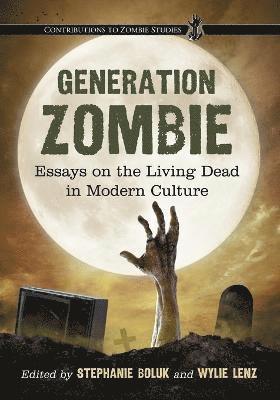
Growing from their early roots in Caribbean voodoo to their popularity today, zombies are epidemic. Their presence is pervasive, whether they are found in video games, street signs, hard drives, or even international politics. These eighteen original essays by an interdisciplinary group of scholars examine how the zombie has evolved over time, its continually evolving manifestations in popular culture, and the unpredictable effects the zombie has had on late modernity. Topics covered include representations of zombies in films, the zombie as environmental critique, its role in mass psychology and how issues of race, class and gender are expressed through zombie narratives. Collectively, the work enhances our understanding of the popularity and purposes of horror in the modern era.Instructors considering this book for use in a course may request an examination copy here.
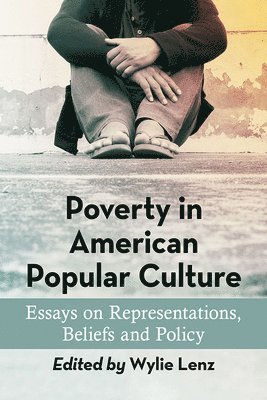
Poverty in American Popular Culture
Essays on Representations, Beliefs and Policy
Häftad, Engelska, 2020
634 kr
Skickas inom 5-8 vardagar
In 1964, President Lyndon Johnson declared an "unconditional war" on poverty in the form of sweeping federal programs to assist millions of Americans. Two decades later, President Reagan drastically cut such programs, claiming that welfare encouraged dependency and famously quipping, "Some years ago, the federal government declared war on poverty, and poverty won." These opposing policy positions and the ideologies informing them have been well studied. Here, the focus turns to the influence of popular art and entertainment on beliefs about poverty's causes and potential cures.These new essays interrogate the representation of poverty in film, television, music, photography, painting, illustration and other art forms from the late 19th century to the present. They map when, how, and why producers of popular culture represent--or ignore--poverty, and what assumptions their works make and encourage.