Xabier Lamikiz - Böcker
Visar alla böcker från författaren Xabier Lamikiz. Handla med fri frakt och snabb leverans.
3 produkter
3 produkter
Del 72 - Royal Historical Society Studies in History New Series
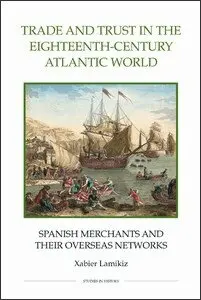
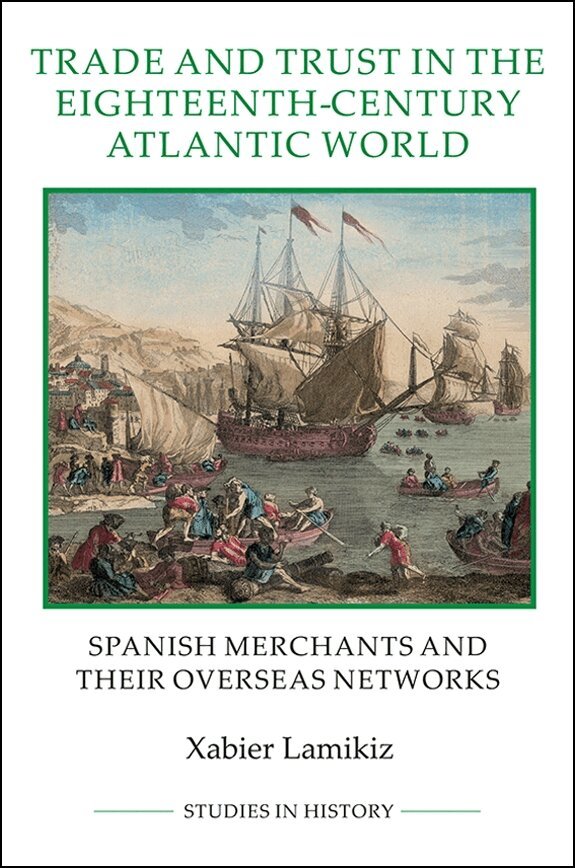
Trade and Trust in the Eighteenth-Century Atlantic World
Spanish Merchants and their Overseas Networks
Inbunden, Engelska, 2010
1 077 kr
Skickas inom 7-10 vardagar
Shows how merchants sought to minimise losses by forging strong bonds of interpersonal trust amongst a range of employees, partners, and clients.Fruitfully combining approaches from economic history and the cultural history of commerce, this book examines the role of interpersonal trust in underpinning trade, amid the challenges and uncertainties of the eighteenth-centuryAtlantic. It focuses on the nature of mercantile activity in two parts of Spain: Cadiz in the south, and its trade with Spain's American empire; and Bilbao in the north, and its trade with western and northern Europe. In particular, it explores the processes of trade, trading networks and communications, seeking to understand merchant behaviour, especially the choices made by individuals when conducting business - and specifically with whom they chose to deal. Drawing from a broad range of Spanish, Peruvian and British archival sources, the book reveals merchants' experiences of trusting their agents and correspondents, and shows how different factors, from distance to legalframeworks and ethnicity, affected their ability to rely on their contacts.Xabier Lamikiz is Associate Professor of Economic History at the University of the Basque Country. .
2 325 kr
Kommande
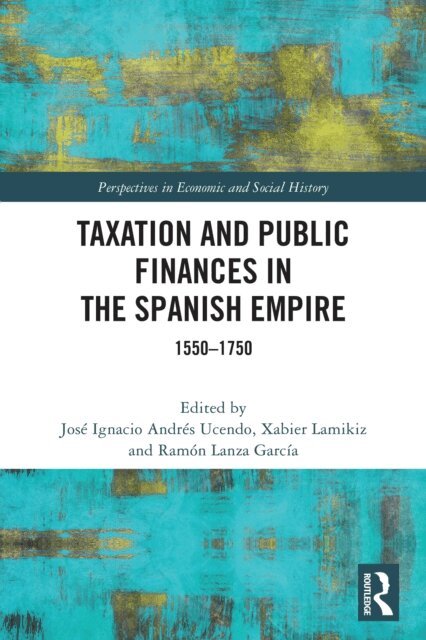
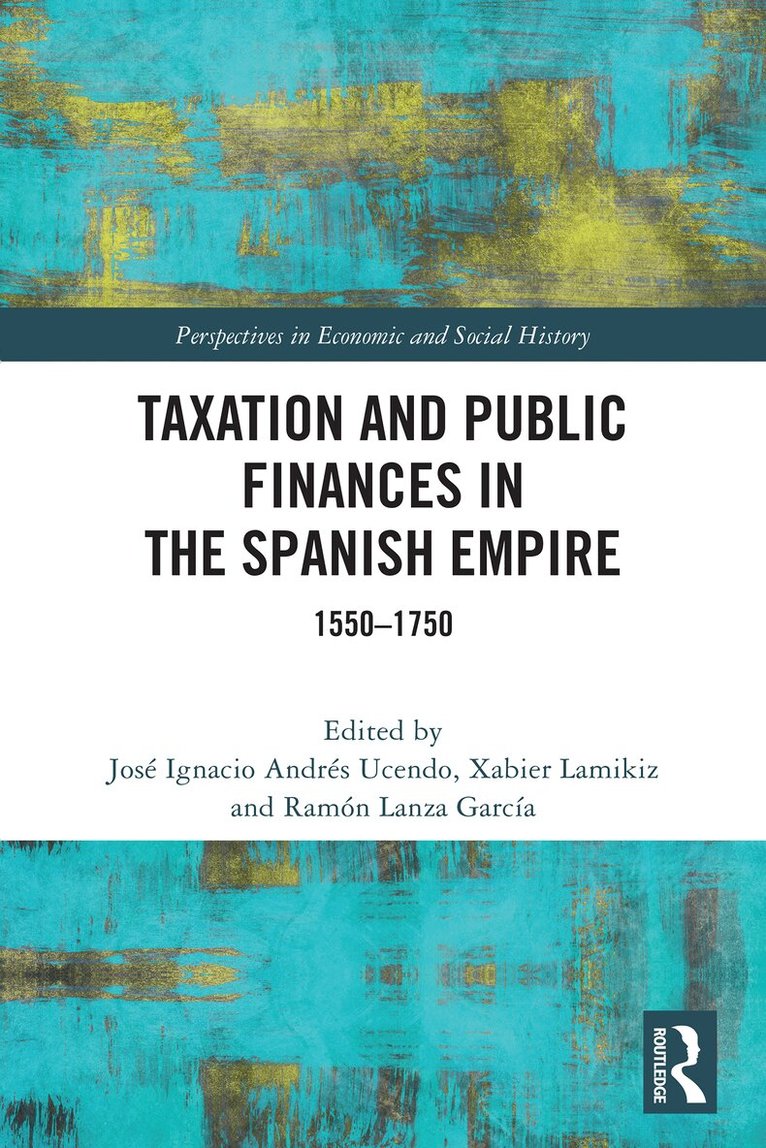
The emergence and consolidation of the so-called modern state was one of the most remarkable features of the early modern period and went hand in hand with the development of fiscal and financial systems. This book explores the case of the Spanish Habsburgs who ruled over a vast collection of states and principalities in the burgeoning Spanish empire. In this edited volume, a cast of expert economic historians each explores the fiscal and financial systems created in the different territories of the Spanish Monarchy, including Castile, Aragón, Navarre, Spanish America, Portugal, the Italian States and the Southern Low Countries. While each of the components of this ‘composite monarchy’ laboriously created its own fiscal and financial apparatus, there are interesting similarities behind the at-first-sight impenetrable jungle of different fiscal and financial institutions which indicates more commonality than is sometimes assumed. Also, the medieval heritage of these fiscal systems did not preclude change and evolution, as the massive expansion of public credit in Portugal and Castile demonstrates. However, the chapters also provide convincing evidence to question the adequacy of the almighty fiscal state paradigm which dominates similar work on the Dutch and British empires and shows that a unified imperial fiscal and financial bureaucracy never existed. The book demonstrates that the imperial center consistently observed local privileges and rights while negotiating its mounting fiscal requests with the Empire’s different cities, territories, and corporations separately. This book will find ready readers among all those interested in European and American economic history, early modern history and the history of public finance.
Del 72 - Royal Historical Society Studies in History New Series
Trade and Trust in the Eighteenth-Century Atlantic World
Spanish Merchants and their Overseas Networks
Häftad, Engelska, 2013
290 kr
Skickas inom 7-10 vardagar
Shows how merchants sought to minimise losses by forging strong bonds of interpersonal trust amongst a range of employees, partners, and clients.Fruitfully combining approaches from economic history and the cultural history of commerce, this book examines the role of interpersonal trust in underpinning trade, amid the challenges and uncertainties of the eighteenth-centuryAtlantic. It focuses on the nature of mercantile activity in two parts of Spain: Cadiz in the south, and its trade with Spain's American empire; and Bilbao in the north, and its trade with western and northern Europe. In particular, it explores the processes of trade, trading networks and communications, seeking to understand merchant behaviour, especially the choices made by individuals when conducting business - and specifically with whom they chose to deal. Drawing from a broad range of Spanish, Peruvian and British archival sources, the book reveals merchants' experiences of trusting their agents and correspondents, and shows how different factors, from distance to legalframeworks and ethnicity, affected their ability to rely on their contacts.Xabier Lamikiz is Associate Professor of Economic History at the University of the Basque Country. .