Yakov Kuzyakov – författare
Visar alla böcker från författaren Yakov Kuzyakov. Handla med fri frakt och snabb leverans.
4 produkter
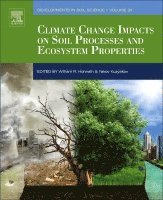
Climate Change Impacts on Soil Processes and Ecosystem Properties
Av William R. Horwath, Yakov Kuzyakov
Häftad, 2018
1778 kr
Lägg i varukorg
Climate Change Impacts on Soil Processes and Ecosystem Properties, Volume 35, presents current and emerging soil science research in the areas of soil processes and climate change, while also evaluating future research needs. The book combines the five areas of soil science (microbiology, physics, …
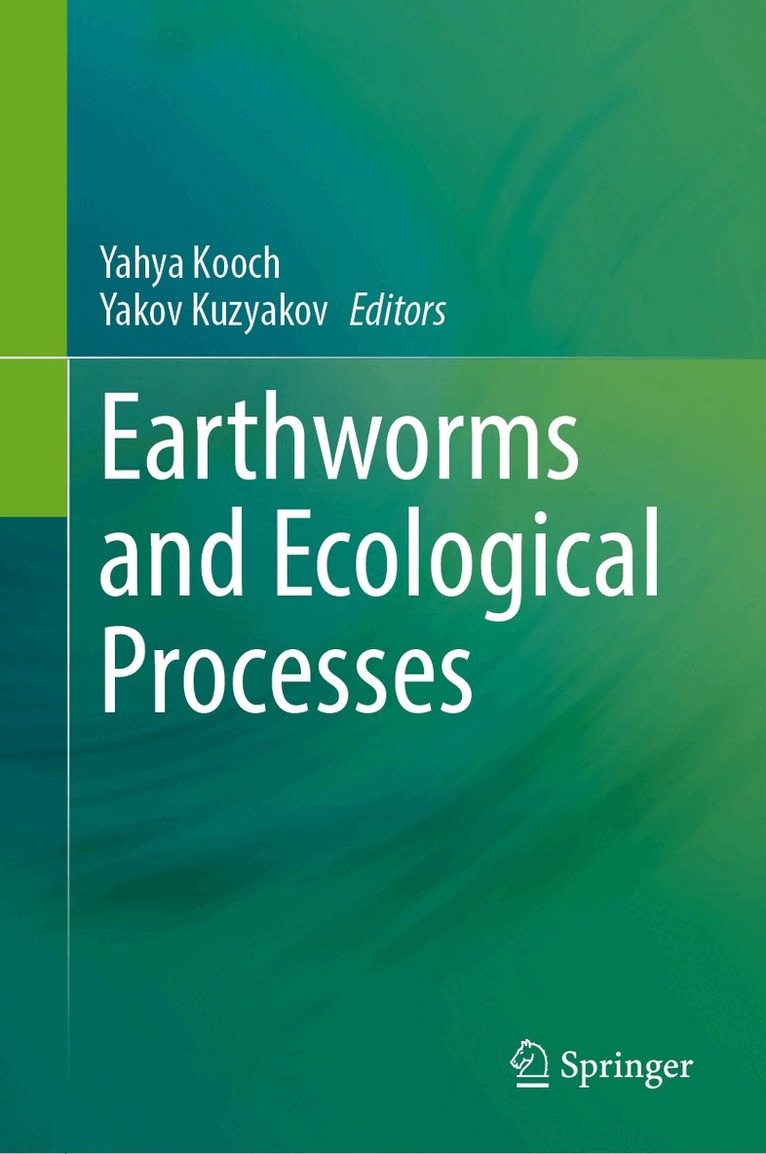
Earthworms and Ecological Processes
Av Yahya Kooch, Yakov Kuzyakov
Inbunden, 2024
2407 kr
Lägg i varukorg
Earthworms are the most important members of the soil detritivore community and function as soil engineers because of their effects on soil properties and their influence on the availability of resources for other organisms, including microorganisms and plants. Soil productivity and plant growth …
Earthworms and Ecological Processes
Av Yakov Kuzyakov, Yahya Kooch
E-bok, 2024
3251 kr
Lägg i varukorg
Earthworms are the most important members of the soil detritivore community and function as soil engineers because of their effects on soil properties and their influence on the availability of resources for other organisms, including microorganisms and plants. Soil productivity and plant growth …
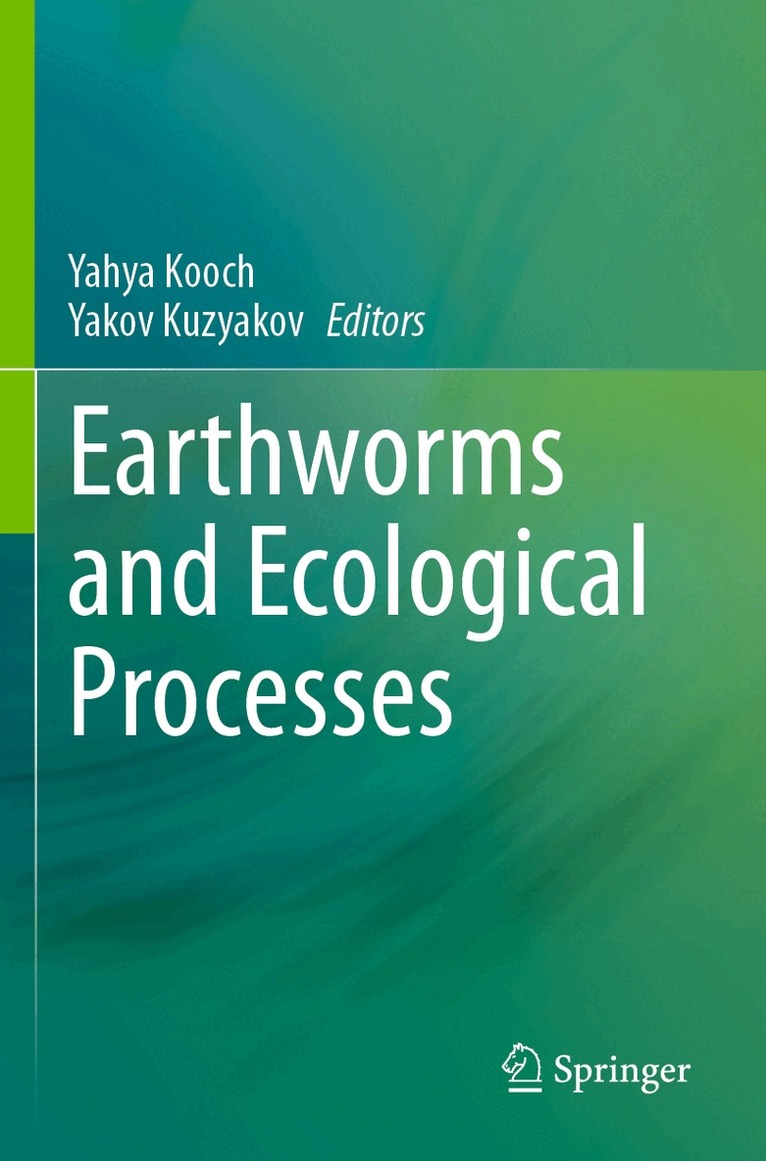
Earthworms and Ecological Processes
Av Yahya Kooch, Yakov Kuzyakov
Häftad, 2025
2407 kr
Lägg i varukorg
Earthworms are the most important members of the soil detritivore community and function as soil engineers because of their effects on soil properties and their influence on the availability of resources for other organisms, including microorganisms and plants. Soil productivity and plant growth …