Yang Chu - Böcker
Visar alla böcker från författaren Yang Chu. Handla med fri frakt och snabb leverans.
2 produkter
2 produkter
795 kr
Skickas inom 7-10 vardagar
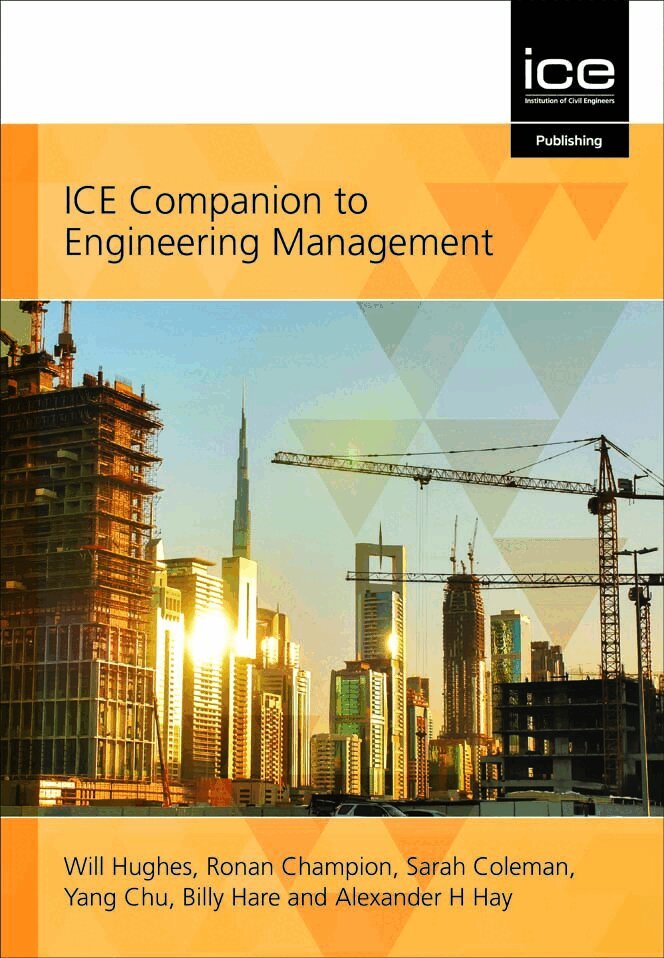
ICE Companion to Engineering Management is a concise reference on core areas of engineering management for civil engineers working towards Professional Review.The book provides a guide to the further learning required by the ICE for the Chartered level Professional Review, and introduces the reader to the management, contractual, commercial, health and safety, sustainability and ethical issues relevant to the role of the Chartered Civil Engineer.The chapters in this book follow the syllabus for the ICE Exam which aligns with the required attributes to be a Chartered Engineer, and Masters-level UKSPEC learning outcome. All chapters have been reviewed by the ICE Further Learning Examination Panel.ICE Companion to Engineering Management is an essential handbook for professionals working towards professional review, civil engineers seeking to develop their career in management roles more generally, and also students embarking on graduate-level courses in engineering management.
963 kr
Skickas inom 5-8 vardagar
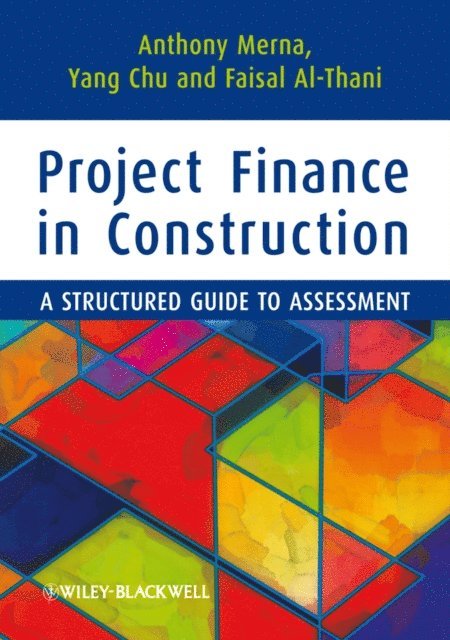
Project finance has spread worldwide and includes numerous industrial projects from power stations and waste-disposal plants to telecommunication facilities, bridges, tunnels, railway networks, and now also the building of hospitals, education facilities, government accommodation and tourist facilities. Despite financial assessment of PF projects being fundamental to the lender’s decision, there is little understanding of how the use of finance is perceived by individual stakeholders; why and how a financial assessment is performed; who should be involved; where and when it should be performed; what data should be used; and how financial assessments should be presented.Current uncertainty in financial markets makes many sponsors of construction project financings carefully consider bank liquidity, the higher cost of finance, and general uncertainty for demand. This has resulted in the postponement of a number of projects in certain industry sectors. Governments have seen tax receipts drastically reduced which has affected their ability to finance infrastructure projects, often irrespective of the perceived demand. Equity providers still seek to invest, however there are less opportunities due to market dislocation. Due to the demand for global infrastructure it is believed that project financings will return to their pre-crunch levels, or more so, however lenders’ liquidity costs will be passed on to the borrowers. Lenders will also be under stricter regulation both internally and externally.The steps outlined in the guide are designed to provide a basic understanding for all those involved or interested in both structuring and assessing project financings. Secondary contracts involving constructors, operators, finance providers, suppliers and offtakers can be developed and assessed to determine their commercial viability over a projects life cycle.Special Features a structured guide to assessing the commercial viability of construction projectsexplains economic metrics to use in the decision making processdetailed case study shows how stakeholders apply the concept of project finance