Faisal F. Al-Thani – författare
Visar alla böcker från författaren Faisal F. Al-Thani. Handla med fri frakt och snabb leverans.
5 produkter
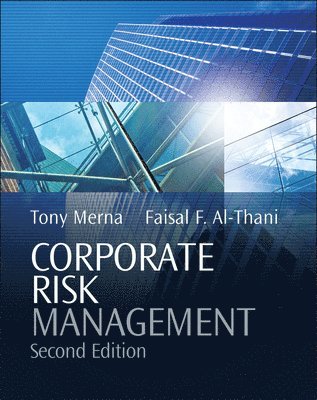
Corporate Risk Management
Av Tony Merna, Faisal F. Al-Thani
Inbunden, 2008
808 kr
Lägg i varukorg
The book analyzes, compares, and contrasts tools and techniques used in risk management at corporate, strategic business and project level and develops a risk management mechanism for the sequencing of risk assessment through corporate, strategic and project stages of an investment in order to meet …
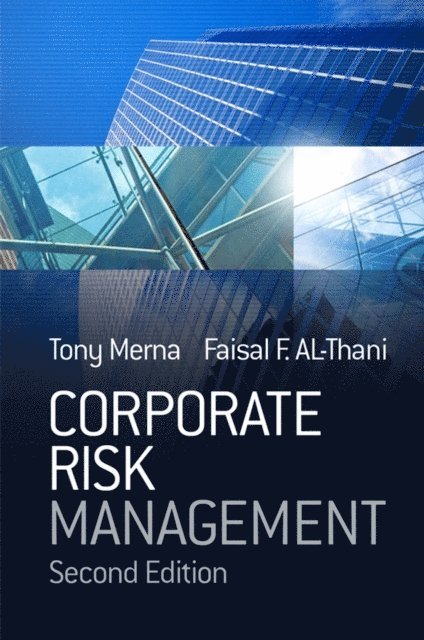
Corporate Risk Management
Av Faisal F. Al-Thani, Tony Merna
E-bok, 2008
936 kr
Lägg i varukorg
The book analyzes, compares, and contrasts tools and techniques used in risk management at corporate, strategic business and project level and develops a risk management mechanism for the sequencing of risk assessment through corporate, strategic and project stages of an investment in order to meet …
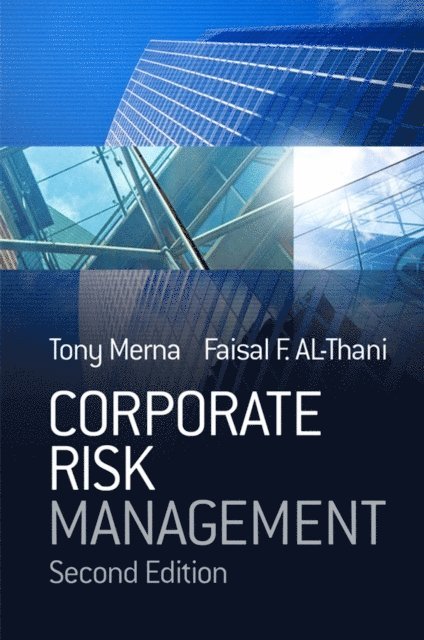
Corporate Risk Management
Av Faisal F. Al-Thani, Tony Merna
E-bok, 2011
936 kr
Lägg i varukorg
The book analyzes, compares, and contrasts tools and techniques used in risk management at corporate, strategic business and project level and develops a risk management mechanism for the sequencing of risk assessment through corporate, strategic and project stages of an investment in order to meet …
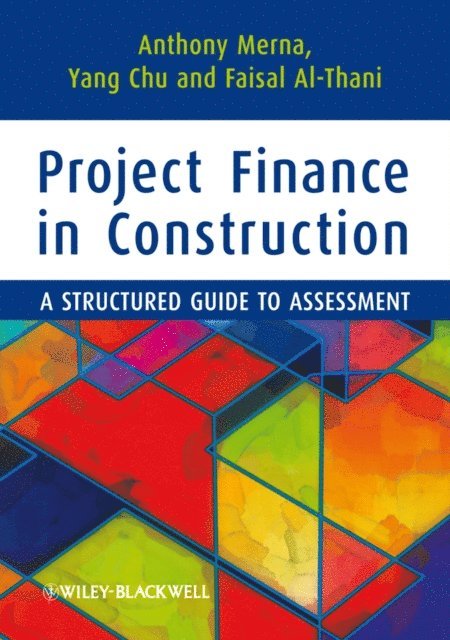
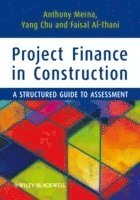
Project Finance in Construction
A Structured Guide to Assessment
Av Faisal F. Al-Thani, Yang Chu m. fl.
E-bok, 2010
1173 kr
Lägg i varukorg
Project finance has spread worldwide and includes numerous industrial projects from power stations and waste-disposal plants to telecommunication facilities, bridges, tunnels, railway networks, and now also the building of hospitals, education facilities, government accommodation and tourist …
Project Finance in Construction
A Structured Guide to Assessment
Av Tony Merna, Yang Chu m. fl.
Häftad, 2010
1012 kr
Lägg i varukorg
Project finance has spread worldwide and includes numerous industrial projects from power stations and waste-disposal plants to telecommunication facilities, bridges, tunnels, railway networks, and now also the building of hospitals, education facilities, government accommodation and tourist …