Yaron Ezrahi – författare
Visar alla böcker från författaren Yaron Ezrahi. Handla med fri frakt och snabb leverans.
10 produkter
10 produkter
Inbunden, Engelska, 1993
1 633 kr
Skickas inom 10-15 vardagar
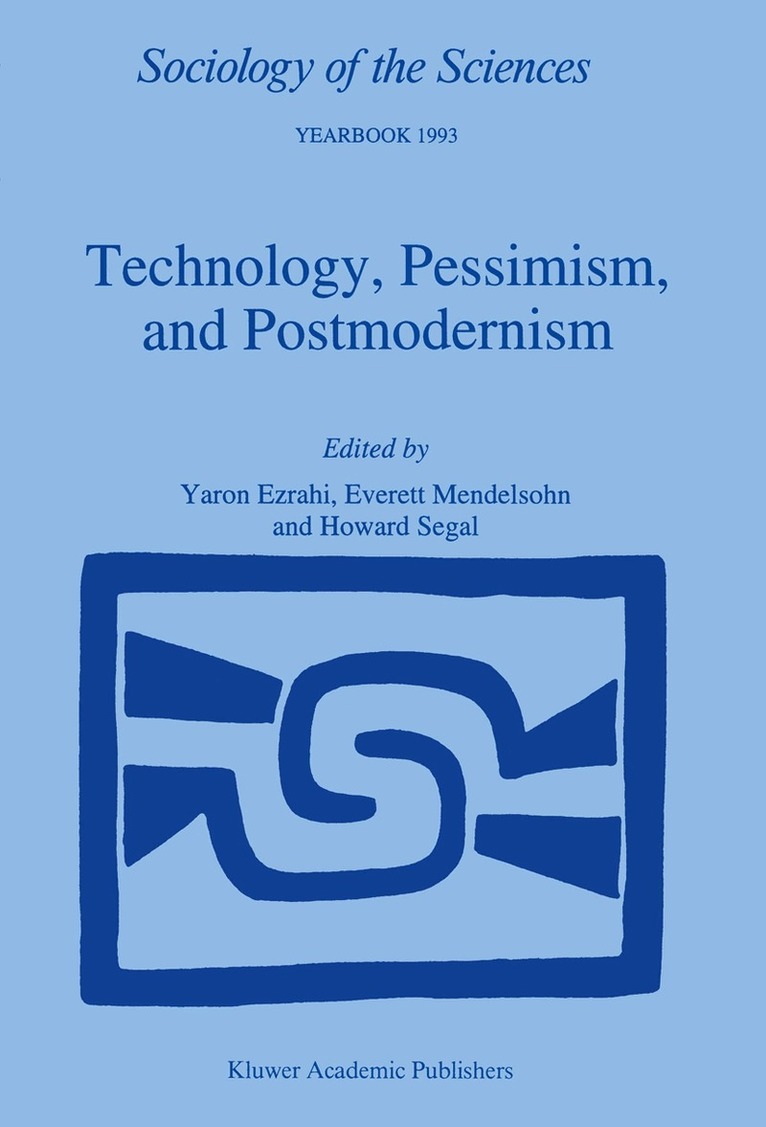
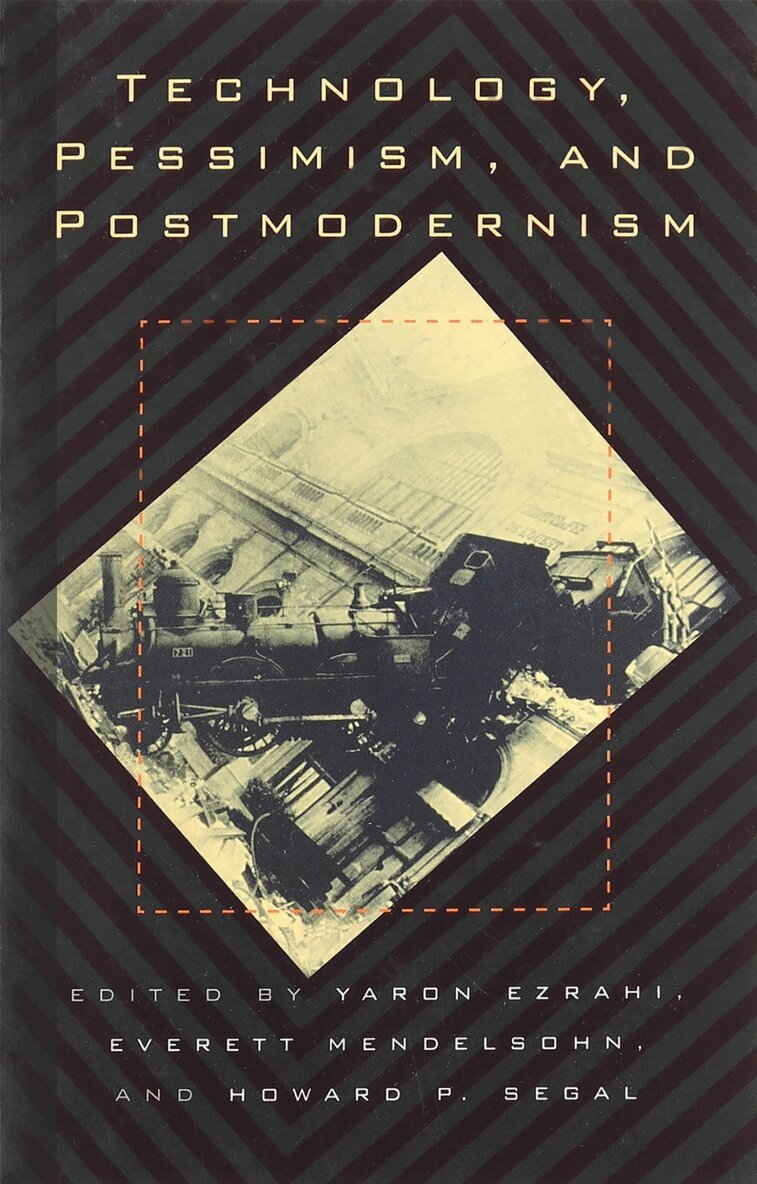
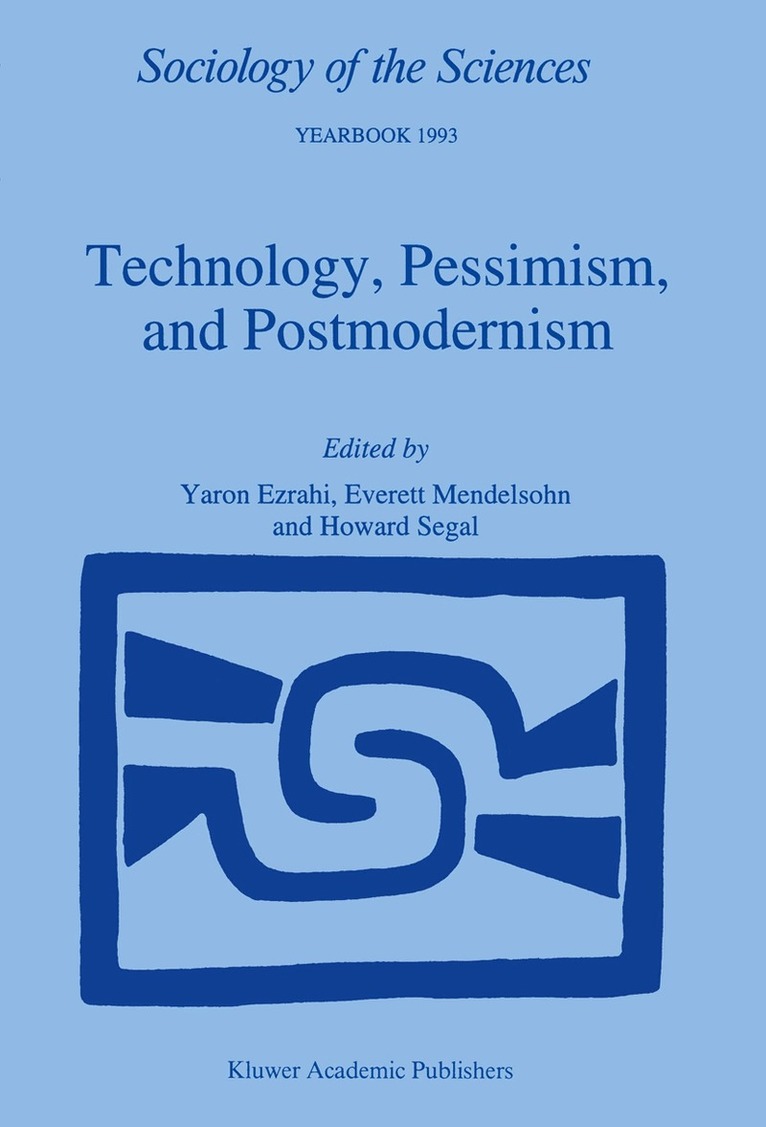
This is the first systematic examination of the contemporary and prior connections between technological progress and pessimism over the future. If the hallmark of the Enlightenment was a firm belief in technology as a principal instrument of universal progress, the hallmark of postmodernism may well be skepticism, even despair, over technology's role in shaping our world. This book incorporates the perspectives of historians, political scientists, philosophers, and literary scholars to illuminate the origins, evolution, and influence of technological pessimism and to evaluate its long-term prospects. The volume should appeal to specialists in technology studies and the history of ideas but also to general readers concerned with these dilemmas of technological progress.
Häftad, Engelska, 2012
549 kr
Skickas inom 3-6 vardagar
This collection of essays from international scholars from various disciplines addresses the theme of technological pessimism, the conviction that technology has given us the means not only to achieve unlimited progress, but to destroy ourselves and our most cherished values.
Inbunden, Engelska, 2025
1 175 kr
Skickas inom 7-10 vardagar
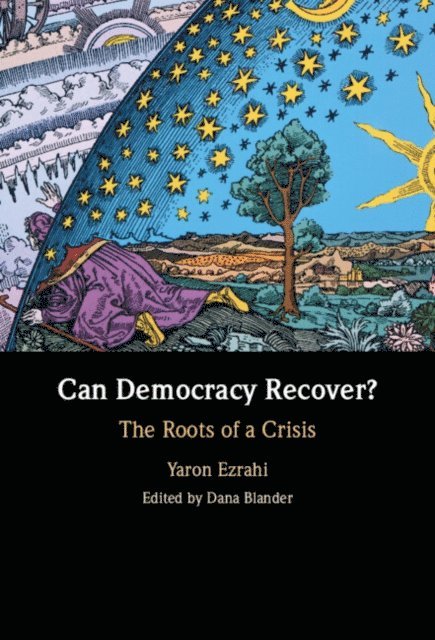
'Can Democracy Recover?' explores the roots of the contemporary democratic crisis. It scrutinizes the evolution and subsequent fragmentation of modern political epistemology, highlighting citizens increasing inability to make sense of the political universe in which they live, their loss of confidence in political causality, distinguishing facts from fiction and objective from partisan attitudes. The book culminates in a speculative discourse on democracy's uncertain future. This work is the final part in Yaron Ezrahi's trilogy. The first, 'The Descent of Icarus' (1990), explored the scientific revolution's role in shaping modern democracy. The second, 'Imagined Democracies' (2012), examined the collective political imagination's impact on the rise and fall of political regimes, emphasizing the modern partnership between science and democracy. 'Can Democracy Recover?' traces the political implications of the erosion of the Nature-Culture dichotomy, the bedrock of modernity's cosmological imagination, and anticipates the emergence of new political imaginaries.
Häftad, Engelska, 2025
395 kr
Skickas inom 7-10 vardagar
'Can Democracy Recover?' explores the roots of the contemporary democratic crisis. It scrutinizes the evolution and subsequent fragmentation of modern political epistemology, highlighting citizens increasing inability to make sense of the political universe in which they live, their loss of confidence in political causality, distinguishing facts from fiction and objective from partisan attitudes. The book culminates in a speculative discourse on democracy's uncertain future. This work is the final part in Yaron Ezrahi's trilogy. The first, 'The Descent of Icarus' (1990), explored the scientific revolution's role in shaping modern democracy. The second, 'Imagined Democracies' (2012), examined the collective political imagination's impact on the rise and fall of political regimes, emphasizing the modern partnership between science and democracy. 'Can Democracy Recover?' traces the political implications of the erosion of the Nature-Culture dichotomy, the bedrock of modernity's cosmological imagination, and anticipates the emergence of new political imaginaries.
E-bok
Engelska, 2025474 kr
Läs direkt efter köp
E-bok
PDF, Engelska, 2025478 kr
Läs direkt efter köp
Inbunden, Engelska, 2012
1 292 kr
Skickas inom 7-10 vardagar
This book proposes a revisionist approach to democratic politics. Yaron Ezrahi focuses on the creative unconscious collective imagination that generates ever-changing visions of legitimate power and authority, which compete for enactment and institutionalization in the political arena. If, in the past, political authority was grounded in fictions such as the divine right of kings, the laws of nature, historical determinism and scientism, today the space of democratic politics is filled with multiple alternative social imaginaries of the desirable political order. Exposure to electronic mass media has made contemporary democratic publics more aware that credible popular fictions have greater impact on shaping our political realities than do rational social choices or moral arguments. The pressing political question in contemporary democracy is, therefore, how to select and enact political fictions that promote peace and how to found the political order on checks and balances between alternative political imaginaries of freedom and justice.
Häftad, Engelska, 2015
367 kr
Skickas inom 7-10 vardagar
This book proposes a revisionist approach to democratic politics. Yaron Ezrahi focuses on the creative unconscious collective imagination that generates ever-changing visions of legitimate power and authority, which compete for enactment and institutionalization in the political arena. If, in the past, political authority was grounded in fictions such as the divine right of kings, the laws of nature, historical determinism and scientism, today the space of democratic politics is filled with multiple alternative social imaginaries of the desirable political order. Exposure to electronic mass media has made contemporary democratic publics more aware that credible popular fictions have greater impact on shaping our political realities than do rational social choices or moral arguments. The pressing political question in contemporary democracy is, therefore, how to select and enact political fictions that promote peace and how to found the political order on checks and balances between alternative political imaginaries of freedom and justice.
Häftad, Engelska, 2012
1 633 kr
Skickas inom 10-15 vardagar
HOWARD P. SEGAL, FOR THE EDITORS In November 1979 the Humanities Department of the University of Michi gan's College of Engineering sponsored a symposium on ''Technology and Pessimism. " The symposium included scholars from a variety of fields and carefully balanced critics and defenders of modern technology, broadly defined. Although by this point it was hardly revolutionary to suggest that technology was no longer automatically equated with optimism and in turn with unceasing social advance, the idea of linking technology so explicitly with pessimism was bound to attract attention. Among others, John Noble Wilford, a New York Times science and technology correspondent, not only covered the symposium but also wrote about it at length in the Times the following week. As Wilford observed, "Whatever their disagreements, the participants agreed that a mood of pessimism is overtaking and may have already displaced the old optimistic view of history as a steady and cumulative expansion of human power, the idea of inevitable progress born in the Scientific and Industrial Rev olutions and dominant in the 19th century and for at least the first half of this century. " Such pessimism, he continued, "is fed by growing doubts about soci ety's ability to rein in the seemingly runaway forces of technology, though the participants conceded that in many instances technology was more the symbol than the substance of the problem.
E-bok
PDF, Engelska, 20131 977 kr
Läs direkt efter köp
HOWARD P. SEGAL, FOR THE EDITORS In November 1979 the Humanities Department of the University of Michi gan''s College of Engineering sponsored a symposium on ''''Technology and Pessimism. " The symposium included scholars from a variety of fields and carefully balanced critics and defenders of modern technology, broadly defined. Although by this point it was hardly revolutionary to suggest that technology was no longer automatically equated with optimism and in turn with unceasing social advance, the idea of linking technology so explicitly with pessimism was bound to attract attention. Among others, John Noble Wilford, a New York Times science and technology correspondent, not only covered the symposium but also wrote about it at length in the Times the following week. As Wilford observed, "Whatever their disagreements, the participants agreed that a mood of pessimism is overtaking and may have already displaced the old optimistic view of history as a steady and cumulative expansion of human power, the idea of inevitable progress born in the Scientific and Industrial Rev olutions and dominant in the 19th century and for at least the first half of this century. " Such pessimism, he continued, "is fed by growing doubts about soci ety''s ability to rein in the seemingly runaway forces of technology, though the participants conceded that in many instances technology was more the symbol than the substance of the problem.