E. Mendelsohn – författare
Visar alla böcker från författaren E. Mendelsohn. Handla med fri frakt och snabb leverans.
22 produkter
Algebraic and Geometric Combinatorics
E-bok, 1982
717 kr
Lägg i varukorg
Algebraic and Geometric Combinatorics
Technology, Pessimism, and Postmodernism
Av Yaron Ezrahi, E. Mendelsohn m. fl.
Inbunden, 1993
1643 kr
Lägg i varukorg
This is the first systematic examination of the contemporary and prior connections between technological progress and pessimism over the future. If the hallmark of the Enlightenment was a firm belief in technology as a principal instrument of universal progress, the hallmark of postmodernism may …
Biology as Society, Society as Biology: Metaphors
Av Sabine Maasen, E. Mendelsohn m. fl.
Inbunden, 1995
1643 kr
Lägg i varukorg
not lie in the conceptual distinctions but in the perceived functions of metaphors and whether in the concrete case they are judged positive or negative. The ongoing debates reflect these concerns quite clearly~ namely that metaphors are judged on the basis of supposed dangers they pose and …
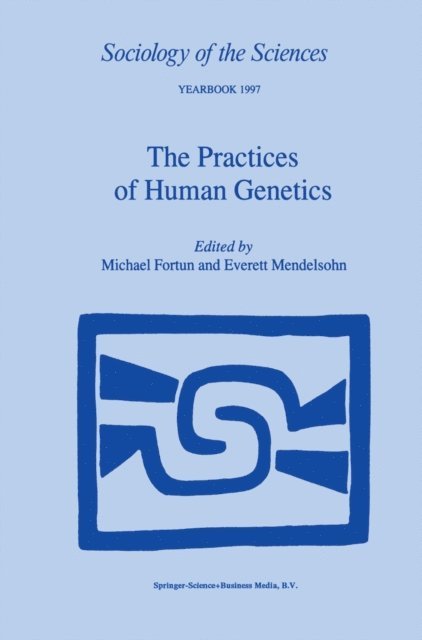
Practices of Human Genetics
Av Michael Fortun, E. Mendelsohn
Inbunden, 1998
1692 kr
Lägg i varukorg
That concern about human genetics is at the top of many lists of issues requiring intense discussion from scientific, political, social, and ethical points of view is today no surprise. It was in the spirit of attempting to establish the basis for intelligent discussion of the issues involved that …
Biology as Society, Society as Biology: Metaphors
Av Sabine Maasen, E. Mendelsohn m. fl.
Häftad, 2001
1643 kr
Lägg i varukorg
not lie in the conceptual distinctions but in the perceived functions of metaphors and whether in the concrete case they are judged positive or negative. The ongoing debates reflect these concerns quite clearly~ namely that metaphors are judged on the basis of supposed dangers they pose and …
Social Production of Scientific Knowledge
Yearbook 1977
Av E. Mendelsohn, P. Weingart m. fl.
Inbunden, 1977
1643 kr
Lägg i varukorg
Social Production of Scientific Knowledge
Yearbook 1977
Av E. Mendelsohn, P. Weingart m. fl.
Häftad, 1977
1643 kr
Lägg i varukorg
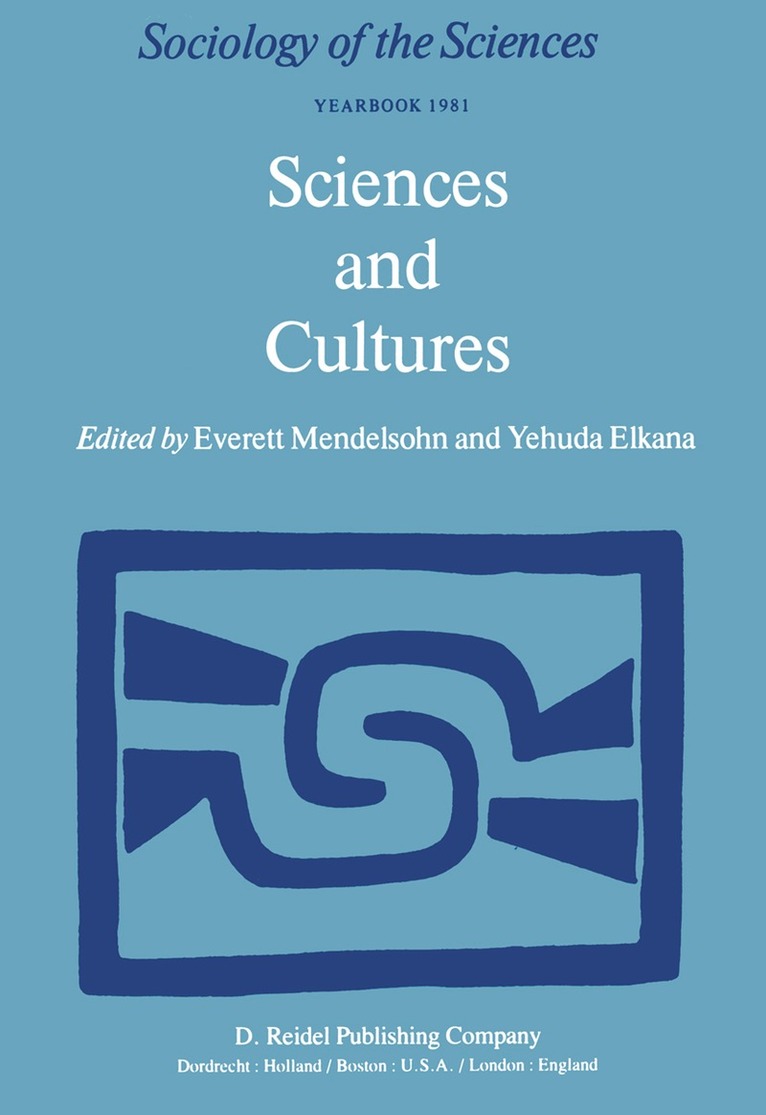
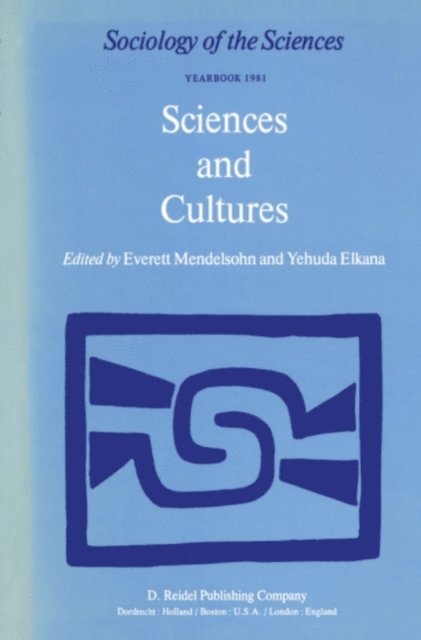
Sciences and Cultures
Anthropological and Historical Studies of the Sciences
Inbunden, 1981
1643 kr
Lägg i varukorg
Anthropological approaches to the sciences have developed as part of a broader tradition concerned about the place of the sciences in today's world and in some basic sense concerned with questions about the legitimacy of the sciences. In the years since the second World War, we have seen the …
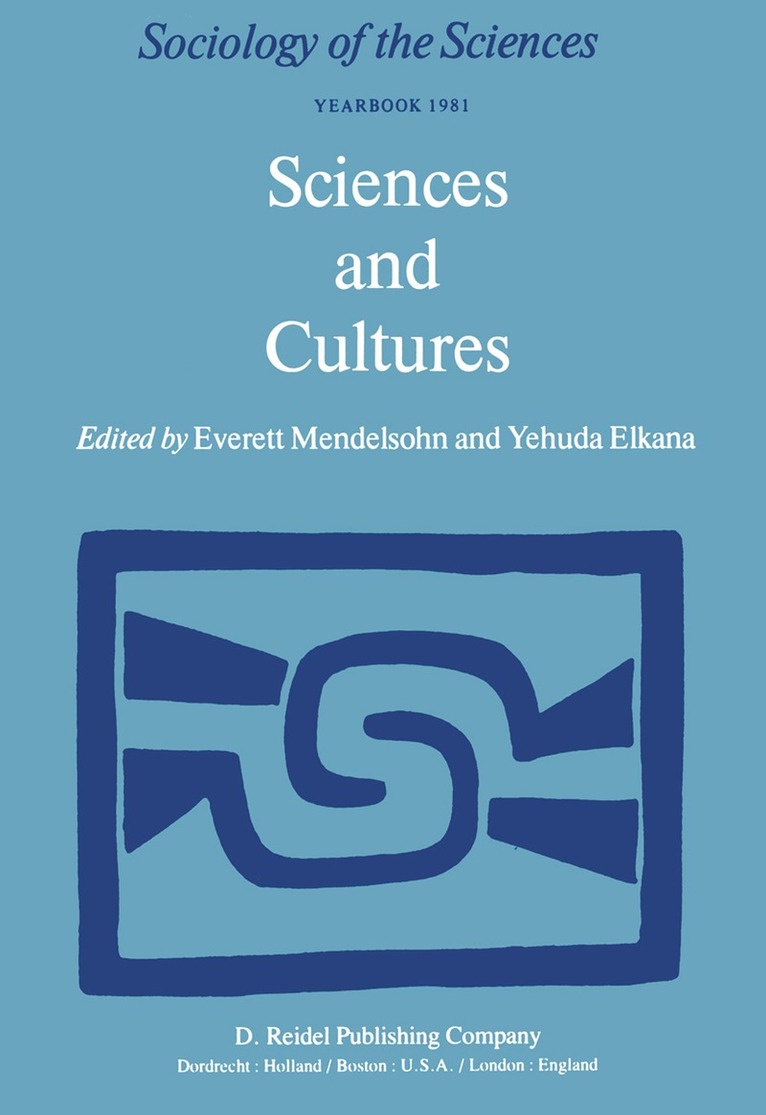
Sciences and Cultures
Anthropological and Historical Studies of the Sciences
Häftad, 1981
1643 kr
Lägg i varukorg
Anthropological approaches to the sciences have developed as part of a broader tradition concerned about the place of the sciences in today's world and in some basic sense concerned with questions about the legitimacy of the sciences. In the years since the second World War, we have seen the …
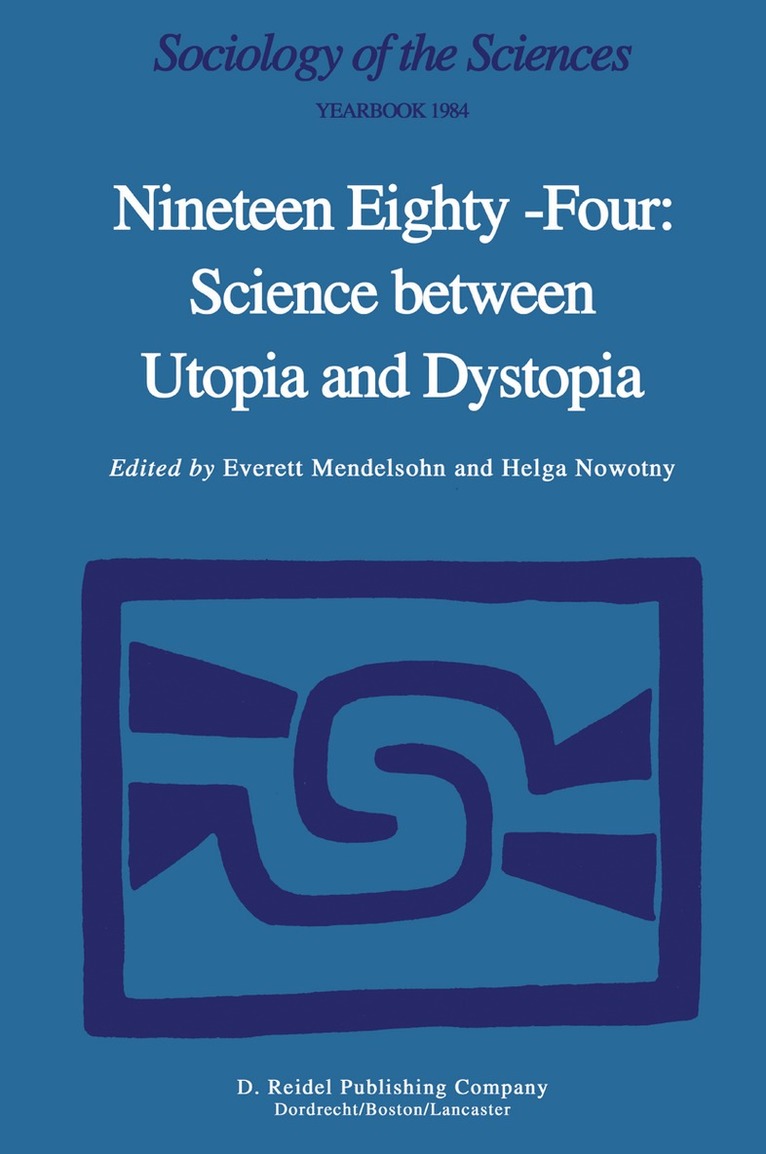
Nineteen Eighty-Four: Science Between Utopia and Dystopia
Inbunden, 1984
1639 kr
Lägg i varukorg
Just fifty years ago Julian Huxley, the biologist grandson of Thomas Henry Huxley, published a book which easily could be seen to represent the prevail ing outlook among young scientists of the day: If I were a Dictator (1934). The outlook is optimistic, the tone playfully rational, the intent …
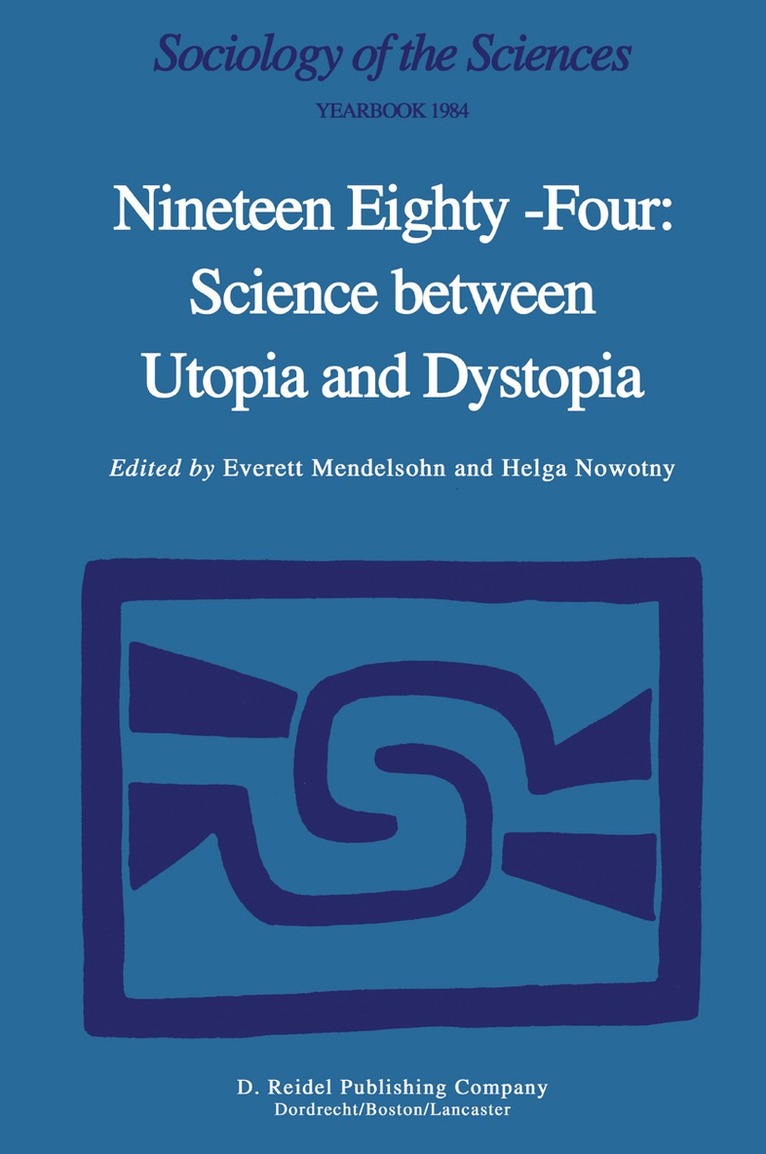
Nineteen Eighty-Four: Science Between Utopia and Dystopia
Häftad, 1984
1643 kr
Lägg i varukorg
Just fifty years ago Julian Huxley, the biologist grandson of Thomas Henry Huxley, published a book which easily could be seen to represent the prevail ing outlook among young scientists of the day: If I were a Dictator (1934). The outlook is optimistic, the tone playfully rational, the intent …
Science, Technology and the Military
Av Everett Mendelsohn, Merritt Roe Smith m. fl.
Inbunden, 1989
1095 kr
Lägg i varukorg
Science, Technology and the Military
Av E. Mendelsohn, Merritt Roe Smith m. fl.
Häftad, 2010
1098 kr
Lägg i varukorg
Nineteen Eighty-Four: Science Between Utopia and Dystopia
E-bok, 2012
2174 kr
Lägg i varukorg
Just fifty years ago Julian Huxley, the biologist grandson of Thomas Henry Huxley, published a book which easily could be seen to represent the prevail ing outlook among young scientists of the day: If I were a Dictator (1934). The outlook is optimistic, the tone playfully rational, the intent …
Sciences and Cultures
Anthropological and Historical Studies of the Sciences
E-bok, 2012
2174 kr
Lägg i varukorg
Anthropological approaches to the sciences have developed as part of a broader tradition concerned about the place of the sciences in today''s world and in some basic sense concerned with questions about the legitimacy of the sciences. In the years since the second World War, we have seen the …
Social Production of Scientific Knowledge
Yearbook 1977
Av R.D. Whitely, P. Weingart m. fl.
E-bok, 2012
2174 kr
Lägg i varukorg
Technology, Pessimism, and Postmodernism
Av Yaron Ezrahi, E. Mendelsohn m. fl.
Häftad, 2012
1643 kr
Lägg i varukorg
HOWARD P. SEGAL, FOR THE EDITORS In November 1979 the Humanities Department of the University of Michi gan's College of Engineering sponsored a symposium on ''Technology and Pessimism. " The symposium included scholars from a variety of fields and carefully balanced critics and defenders of modern …
Practices of Human Genetics
Av Michael Fortun, E. Mendelsohn
Häftad, 2012
1643 kr
Lägg i varukorg
That concern about human genetics is at the top of many lists of issues requiring intense discussion from scientific, political, social, and ethical points of view is today no surprise. It was in the spirit of attempting to establish the basis for intelligent discussion of the issues involved that …
Biology as Society, Society as Biology: Metaphors
Av P. Weingart, E. Mendelsohn m. fl.
E-bok, 2013
2174 kr
Lägg i varukorg
not lie in the conceptual distinctions but in the perceived functions of metaphors and whether in the concrete case they are judged positive or negative. The ongoing debates reflect these concerns quite clearly~ namely that metaphors are judged on the basis of supposed dangers they pose and …
Technology, Pessimism, and Postmodernism
Av Howard Segal, E. Mendelsohn m. fl.
E-bok, 2013
2111 kr
Lägg i varukorg
HOWARD P. SEGAL, FOR THE EDITORS In November 1979 the Humanities Department of the University of Michi gan''s College of Engineering sponsored a symposium on ''''Technology and Pessimism. " The symposium included scholars from a variety of fields and carefully balanced critics and defenders of …
Practices of Human Genetics
Av E. Mendelsohn, Michael Fortun
E-bok, 2012
2105 kr
Lägg i varukorg
That concern about human genetics is at the top of many lists of issues requiring intense discussion from scientific, political, social, and ethical points of view is today no surprise. It was in the spirit of attempting to establish the basis for intelligent discussion of the issues involved that …
Science, Technology and the Military
Av P. Weingart, Merritt Roe Smith m. fl.
E-bok, 2013
1502 kr
Lägg i varukorg