Yasser Tabbaa - Böcker
Visar alla böcker från författaren Yasser Tabbaa. Handla med fri frakt och snabb leverans.
4 produkter
4 produkter
512 kr
Skickas inom 3-6 vardagar
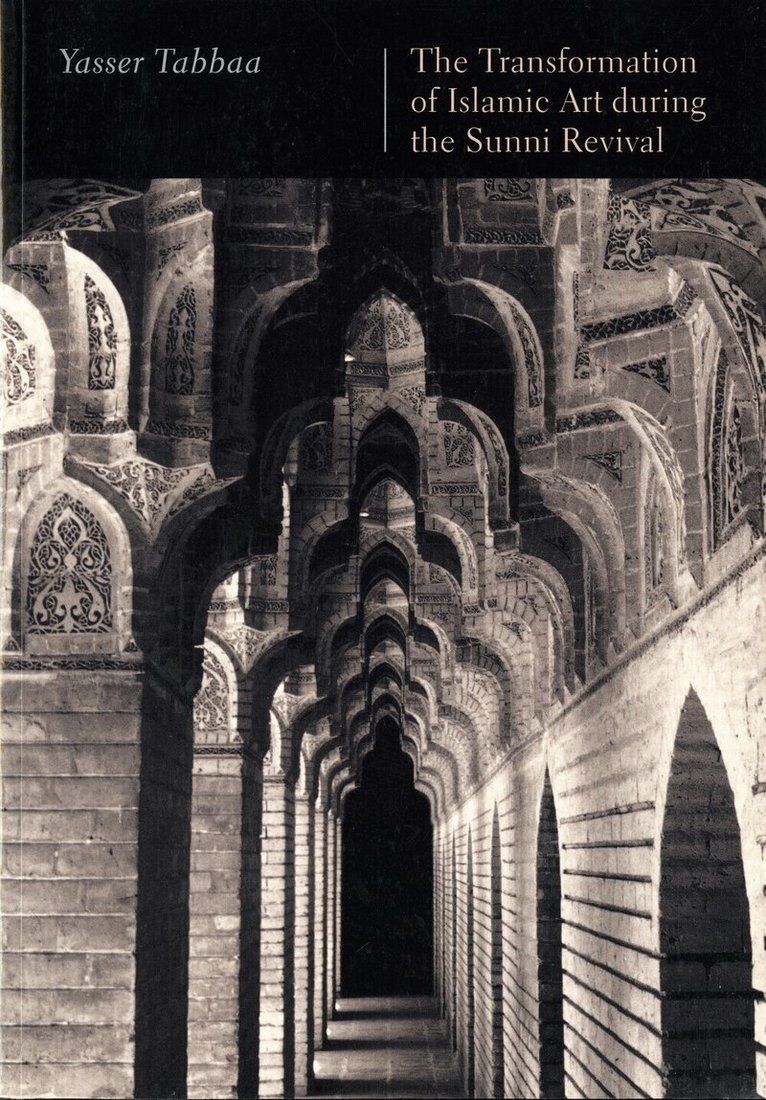
The transformation of Islamic architecture and ornament during the eleventh and twelfth centuries signaled profound cultural changes in the Islamic world. Yasser Tabbaa explores with exemplary lucidity the geometric techniques that facilitated this transformation, and investigates the cultural processes by which meaning was produced within the new forms. Iran, Iraq, and Syria saw the development of proportional calligraphy, vegetal and geometric arabesque, muqarnas (stalactite) vaulting, and other devices that became defining features of medieval Islamic architecture. Ultimately, the forms and themes described in this book shaped the development of Mamluk architecture in Egypt and Syria, and by extension, the entire course of North African and Andalusian architecture as well.These innovations developed and were disseminated in a highly charged atmosphere of confrontation between the Seljuk and post-Seljuk proponents of the traditionalist Sunni revival and their main opponents in Fatimid Egypt. These forms stood as visual signs of allegiance to the orthodox Abbasid caliphate and of difference from the heterodox Fatimids. Tabbaa proposes that their rapid spread throughout the Islamic world operated within a system of reciprocating, ceremonial gestures, which conveyed a new and formal language that helped negotiate the gap between the myth of a unified Sunni Islam and its actual political fragmentation.In subject matter and approach, The Transformation of Islamic Art during the Sunni Revival makes original contributions to the study of art, revealing that this relatively neglected sector of medieval art and architecture is of critical importance for reevaluating the entire field of Islamic studies. It challenges the essentialist and positivist approaches that still permeate the study of Islamic art, and offers a historical and semiotic alternative for exploring meaning within ruptures of change.
1 739 kr
Skickas inom 3-6 vardagar
The transformation of Islamic architecture and ornament during the eleventh and twelfth centuries signaled profound cultural changes in the Islamic world. Yasser Tabbaa explores with exemplary lucidity the geometric techniques that facilitated this transformation, and investigates the cultural processes by which meaning was produced within the new forms. Iran, Iraq, and Syria saw the development of proportional calligraphy, vegetal and geometric arabesque, muqarnas (stalactite) vaulting, and other devices that became defining features of medieval Islamic architecture. Ultimately, the forms and themes described in this book shaped the development of Mamluk architecture in Egypt and Syria, and by extension, the entire course of North African and Andalusian architecture as well.These innovations developed and were disseminated in a highly charged atmosphere of confrontation between the Seljuk and post-Seljuk proponents of the traditionalist Sunni revival and their main opponents in Fatimid Egypt. These forms stood as visual signs of allegiance to the orthodox Abbasid caliphate and of difference from the heterodox Fatimids. Tabbaa proposes that their rapid spread throughout the Islamic world operated within a system of reciprocating, ceremonial gestures, which conveyed a new and formal language that helped negotiate the gap between the myth of a unified Sunni Islam and its actual political fragmentation.In subject matter and approach, The Transformation of Islamic Art during the Sunni Revival makes original contributions to the study of art, revealing that this relatively neglected sector of medieval art and architecture is of critical importance for reevaluating the entire field of Islamic studies. It challenges the essentialist and positivist approaches that still permeate the study of Islamic art, and offers a historical and semiotic alternative for exploring meaning within ruptures of change.
1 822 kr
Skickas inom 7-10 vardagar
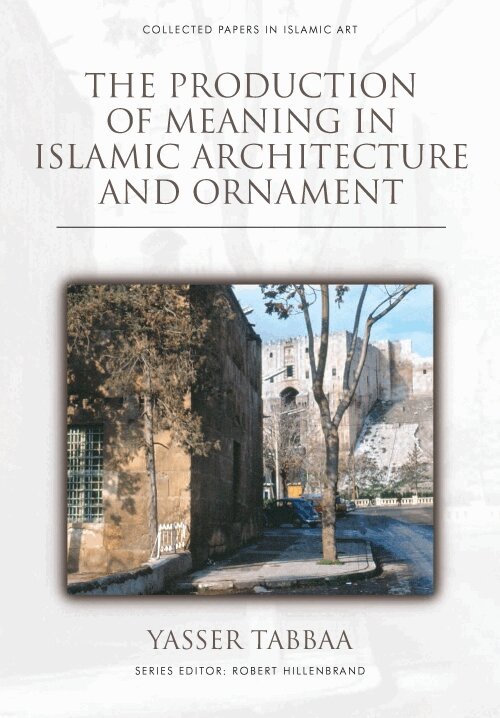
This volume collects Yasser Tabbaa's investigative and interpretive articles on medieval Islamic architecture, ornament and gardens in Syria and Iraq, with comparative expansions into Anatolia, Egypt, North Africa and Spain. The monuments in question, many of which have vanished in recent years, are examined within the context of the political divisions and theological ruptures that characterised the Islamic world between the 11th and 13th centuries. The writings cover such significant forms as muqarnas vaulting, proportioned Qur'anic scripts and cursive public inscriptions, and monument types such as the madrasa, the hospital, the tribunal (dar al-'adl) and the citadel palace. Collectively, they present medieval Islamic architecture as a transformative process that echoes Abbasid glory and signals future developments in later Islamic architecture.
287 kr
Skickas inom 5-8 vardagar