Yitzhak Berger - Böcker
Visar alla böcker från författaren Yitzhak Berger. Handla med fri frakt och snabb leverans.
4 produkter
4 produkter
643 kr
Skickas inom 7-10 vardagar
Yitzhak Berger advances a distinctive and markedly original interpretation of the biblical book of Jonah that resolves many of the ambiguities in the text. Berger contends that the Jonah text pulls from many inner-biblical connections, especially ones relating to the Garden of Eden. These connections provide a foundation for Berger's reading of the story, which attributes multiple layers of meaning to this carefully crafted biblical book. Focusing on Jonah's futile quest and his profoundly troubled response to God's view of the sins of humanity, Berger shows how the book paints Jonah as a pacifist no less than as a moralist.
1 488 kr
Kommande
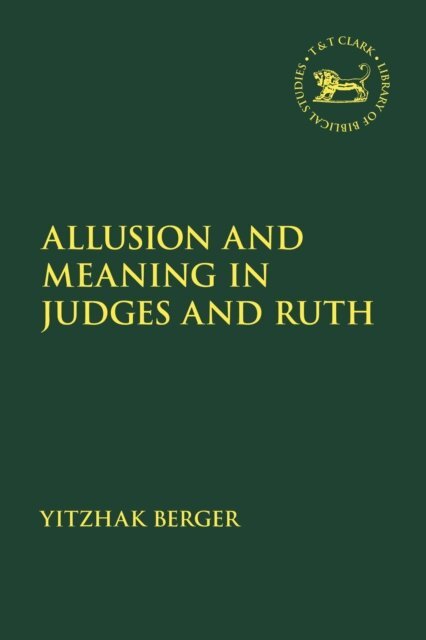
Yitzhak Berger analyses the stories of the six major Israelite chieftains, exploring narratives that comprise the heart of the biblical book of Judges. Berger presents an original set of interpretations, drawing substantially on the text’s allusions to earlier biblical material. Each narrative undergoes a fresh assessment, and by integrating evidence generated by allusion into a cohesive reading of the text, Berger offers new perspective on each of the major judges.Beginning by considering the supplanting of Adoni-bezek, Berger then explores the rebirth of a nation in the story of Ehud and analyses the pivotal point of Deborah and Gideon, the nation’s decline in the narrative of Jephthah and the travails of Samson, concluding with Ruth and her connection to Israelite Kingship. These new perspectives have implications for the book’s wider ideological trajectory; consistent with a common practice of interpreting the book of Ruth together with Judges, Berger offers new insights on that shorter composition, based substantially on inner-biblical connections.
1 873 kr
Skickas inom 5-8 vardagar
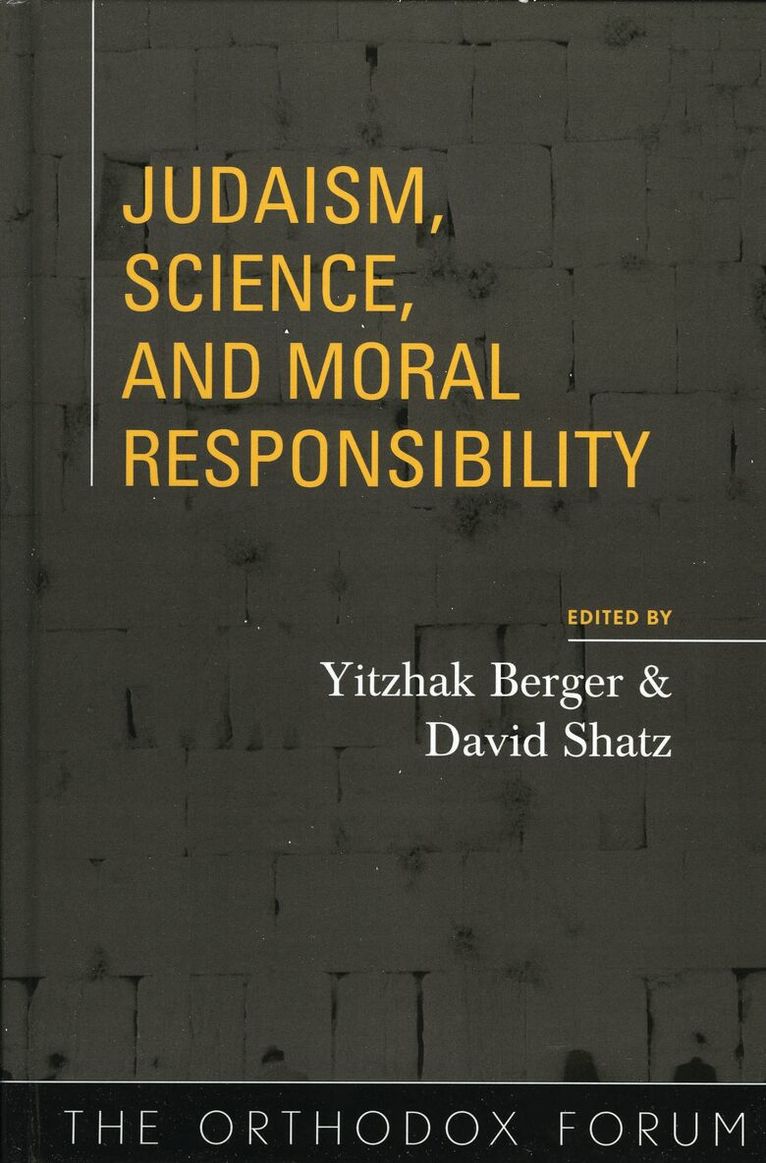
Do human beings have free will? Are they genuinely responsible for their actions? These questions have persisted all through the history of philosophy, but in the 21st century they have become defined more sharply and clearly than ever. Indeed, a vivid and mighty tension underlies today's intellectual struggles over free will. On the one hand, the rapid advances of several empirical disciplines, notably neuropsychology and genetics, threaten our instinctive affirmation that free will and moral responsibility exist. On the other hand, the depth and force of our instincts-our powerful intuition that there is free will, that there is moral responsibility-present, for most people, an almost impenetrable barrier against the sweeping denial of free will suggested by empirical research. The papers in this volume address this tension from a dual vantage point. While drawing heavily upon traditional Jewish texts and teachings, they also offer a blend of scientific, philosophical, psychological, and social insights into this most mystifying of topics. In addition, they illuminate the concept of repentance, a transformation of character that ranks in much of Jewish literature as the highest expression of free will.
742 kr
Skickas inom 10-15 vardagar
Do human beings have free will? Are they genuinely responsible for their actions? These questions have persisted all through the history of philosophy, but in the 21st century they have become defined more sharply and clearly than ever. Indeed, a vivid and mighty tension underlies today's intellectual struggles over free will. On the one hand, the rapid advances of several empirical disciplines, notably neuropsychology and genetics, threaten our instinctive affirmation that free will and moral responsibility exist. On the other hand, the depth and force of our instincts-our powerful intuition that there is free will, that there is moral responsibility-present, for most people, an almost impenetrable barrier against the sweeping denial of free will suggested by empirical research. The papers in this volume address this tension from a dual vantage point. While drawing heavily upon traditional Jewish texts and teachings, they also offer a blend of scientific, philosophical, psychological, and social insights into this most mystifying of topics. In addition, they illuminate the concept of repentance, a transformation of character that ranks in much of Jewish literature as the highest expression of free will.