Yoonkyung Lee - Böcker
Visar alla böcker från författaren Yoonkyung Lee. Handla med fri frakt och snabb leverans.
3 produkter
3 produkter
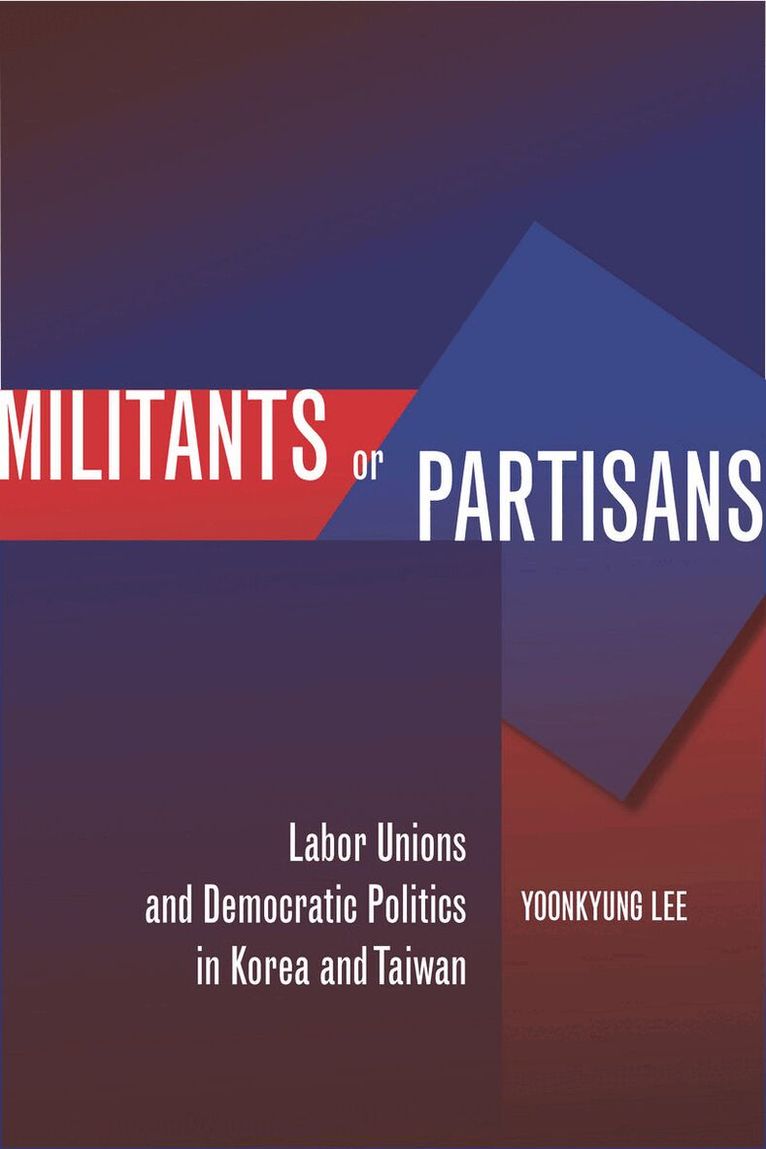
Militants or Partisans
Labor Unions and Democratic Politics in Korea and Taiwan
Inbunden, Engelska, 2011
698 kr
Skickas inom 10-15 vardagar
The exceptional experiences of South Korea and Taiwan in combining high growth and liberal democracy in a relatively short and similar timetable have brought scholarly attention to their economic and political transformations. This new work looks specifically at the operation of workers and unions in the decades since labor-repressive authoritarian rule ended, bringing Taiwan, in particular, into the literature on comparative labor politics.South Korean labor unions are commonly described as militant and confrontational, for they often take to the streets in raucous protest. Taiwanese unions are seen as moderate and practical, primarily working through formal political processes to lobby their agendas. In exploring how and why these post-democratization states have come to breed such different types of labor politics, Yoonkyung Lee traces the roots of their differences to how unions and political parties operated under authoritarianism, and points to ways in which those legacies continue to be perpetuated. By pairing two cases with many similarities, Lee persuasively uncovers factors that explain the significant variation at play.
Between the Streets and the Assembly
Social Movements, Political Parties, and Democracy in Korea
Inbunden, Engelska, 2022
726 kr
Skickas inom 7-10 vardagar
Streets in Korea rarely go quiet without first having a public demonstration and Korean citizens are known as seasoned protestors, charting the course of national politics. Between the Streets and the Assembly explores how protest movements have become the prominent mode of democratic politics in Korea, in contrast to political parties in the National Assembly that have lagged behind in partisan representation and accountability. To unpack this political dynamic, this book closely follows three groups of democracy activists who were born in their resistance to military dictatorships but who pursued different methods of democratic representation in postauthoritarian Korea (1987–2020). One group stayed in civil society and organized powerful protests outside formal institutions; another group chose to join existing parties with the aim of reforming legislative politics; and the third group was devoted to forming separate progressive parties to be the agent of transformative agenda. By analyzing the interactive evolution of these three modes of democratic representation, Yoonkyung Lee finds that social movement organizations have been more effective than activist-turned politicians in centrist or progressive parties in creating coordination infrastructures for collective action. Through the practice of organizing national solidarity networks, innovating the methods of mass street demonstrations, and drawing professional expertise to formulate policy alternatives, Korean civic groups have built the capacity to directly shape and alter the course of national politics, unlike activist-turned politicians who remained divided with no common political programs.This study asserts that social movement organizations and political parties develop variable capacities for democratic representation, depending on coevolutionary interactions with each other. The experience of Korean democracy shows social movement groups can be a powerful agent of national politics against the scholarly assumption that views civic associations as narrowly focused, transient organizations. Between the Streets and the Assembly suggests a different possibility of political process, one in which civic groups and participatory citizens, not political parties, are the primary drivers of democratic politics.
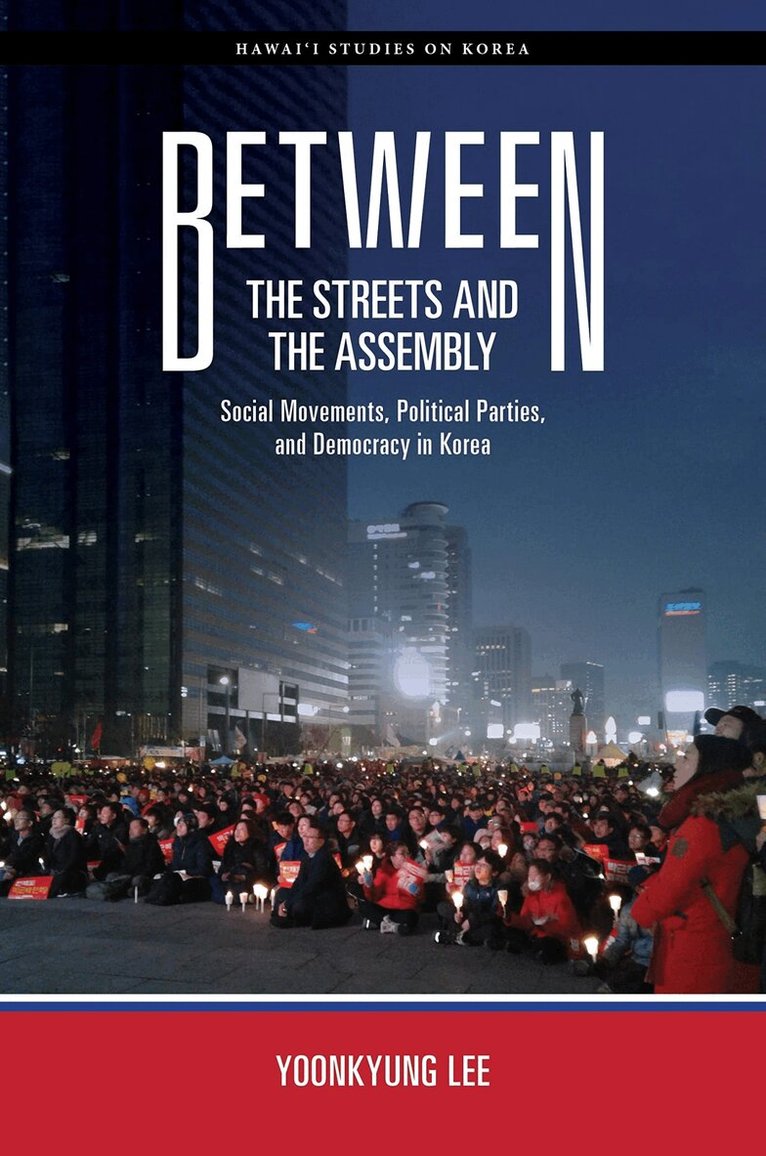
Between the Streets and the Assembly
Social Movements, Political Parties, and Democracy in Korea
Häftad, Engelska, 2022
279 kr
Skickas inom 11-20 vardagar
Streets in Korea rarely go quiet without first having a public demonstration, and Korean citizens are known as seasoned protestors, charting the course of national politics. Between the Streets and the Assembly explores how protest movements have become the prominent mode of democratic politics in Korea, in contrast to political parties in the National Assembly that have lagged behind in partisan representation and accountability. To unpack this political dynamic, this book closely follows three groups of democracy activists who were born in their resistance to military dictatorships but who pursued different methods of democratic representation in postauthoritarian Korea (1987–2020). One group stayed in civil society and organized powerful protests outside formal institutions; another group chose to join existing parties with the aim of reforming legislative politics; and the third group was devoted to forming separate progressive parties to be the agent of transformative agenda. By analyzing the interactive evolution of these three modes of democratic representation, Yoonkyung Lee finds that social movement organizations have been more effective than activist-turned politicians in centrist or progressive parties in creating coordination infrastructures for collective action. Through the practice of organizing national solidarity networks, innovating the methods of mass street demonstrations, and drawing professional expertise to formulate policy alternatives, Korean civic groups have built the capacity to directly shape and alter the course of national politics, unlike activist-turned politicians who remained divided with no common political programs.This study asserts that social movement organizations and political parties develop variable capacities for democratic representation, depending on coevolutionary interactions with each other. The experience of Korean democracy shows social movement groups can be a powerful agent of national politics against the scholarly assumption that views civic associations as narrowly focused, transient organizations. Between the Streets and the Assembly suggests a different possibility of political process, one in which civic groups and participatory citizens, not political parties, are the primary drivers of democratic politics.