Yuka Kaneko – författare
Visar alla böcker från författaren Yuka Kaneko. Handla med fri frakt och snabb leverans.
15 produkter
15 produkter
Inbunden, Engelska, 2021
2 030 kr
Skickas inom 10-15 vardagar
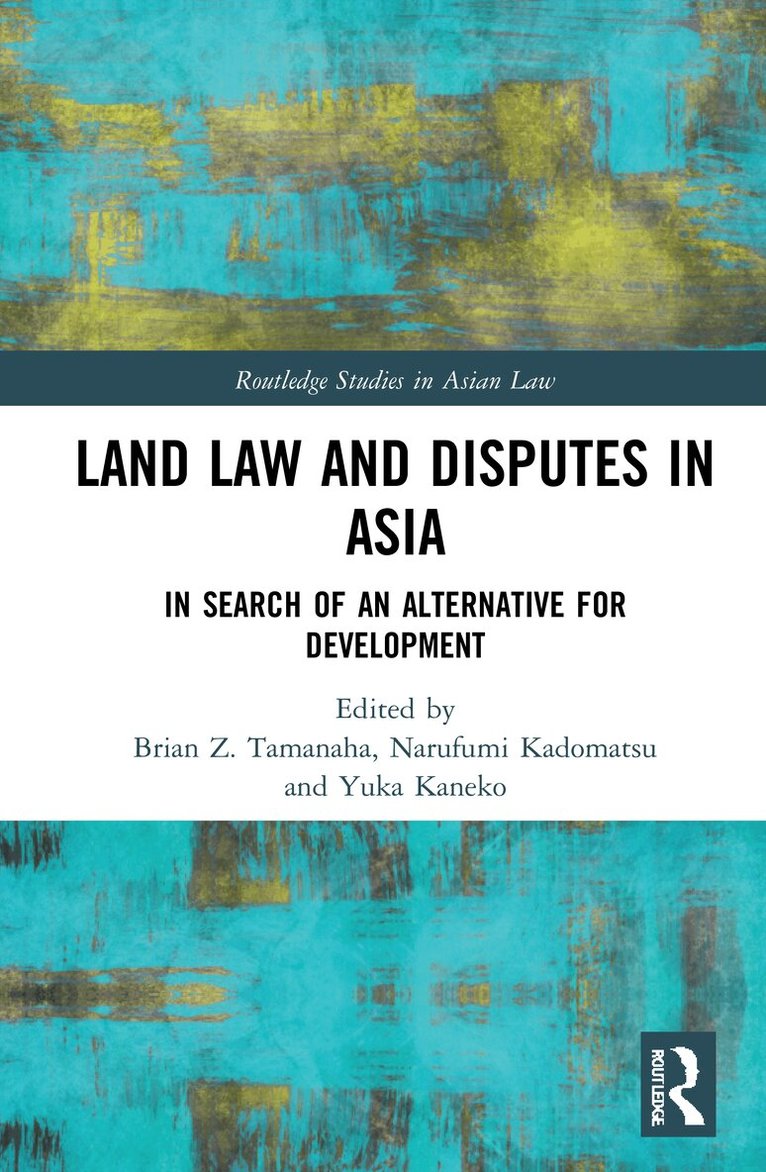
Through an in-depth legal analysis by leading scholars, this book searches for the exact legal causes of land-related disputes in Asia within the histories, legal systems and social realities of the respective countries. It consists of four main parts: examining the relationship between law and development; land-taking in developmental stages; common ownership; and proposals for new approaches to land law and dispute resolution. With a combination of orthodox legal interpretations and the empirical approach of legal sociology, the contributors undertake an extensive comparative legal analysis across common and civil law traditions. Most importantly, they propose pathways forward for legal transformations in the pursuit of sustainable development in Asia. This book is vital contribution to the study of comparative law, and especially property law, in East and Southeast Asia.
Häftad, Engelska, 2023
576 kr
Skickas inom 10-15 vardagar
Through an in-depth legal analysis by leading scholars, this book searches for the exact legal causes of land-related disputes in Asia within the histories, legal systems and social realities of the respective countries. It consists of four main parts: examining the relationship between law and development; land-taking in developmental stages; common ownership; and proposals for new approaches to land law and dispute resolution. With a combination of orthodox legal interpretations and the empirical approach of legal sociology, the contributors undertake an extensive comparative legal analysis across common and civil law traditions. Most importantly, they propose pathways forward for legal transformations in the pursuit of sustainable development in Asia. This book is vital contribution to the study of comparative law, and especially property law, in East and Southeast Asia.
Häftad, Engelska, 2017
736 kr
Skickas inom 10-15 vardagar
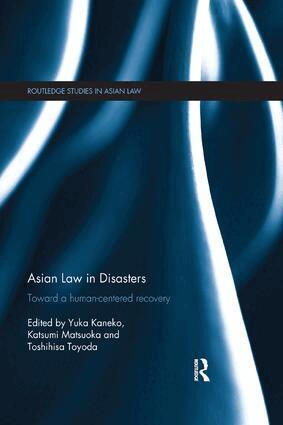
This book is a critical analysis of several of the most disaster-prone regions in Asia. Its unique focus is on the legal issues in the phase of disaster recovery, the most lengthy and difficult stage of disaster response that follows the conclusion of initial emergency stage of humanitarian aid. In the stage of disaster recovery, the law decides the fate of reconstruction for the individual houses and livelihoods of the disaster-affected people and sets the limit of governmental support for them during the lengthy period of suspension of normal living until full recovery is obtained. Researchers who were participant-observers in the difficult recovery phase after the mega-disasters in Asia analyse the reality of the functions of law which often hinder, rather than foster, efforts to restore disaster victims’ lives. The book collects research conducted with an emphasis on empirical approaches to legal sociology, including direct interviews with people affected by the disaster. It offers a holistic approach beyond the traditional sectionalism of legal studies by starting with a historical review and incorporating both spheres of public law and private law, in order to obtain a new perspective that can concurrently achieve disaster risk reductions and human-centered recoveries.With particular emphasis on the unexplored area of law in the post-disaster recovery phase, this book will attract the attention of students and scholars of disaster studies, legal studies, Asian studies, as well as those who work in the practice of disaster management.
Inbunden, Engelska, 2016
2 536 kr
Skickas inom 10-15 vardagar
This book is a critical analysis of several of the most disaster-prone regions in Asia. Its unique focus is on the legal issues in the phase of disaster recovery, the most lengthy and difficult stage of disaster response that follows the conclusion of initial emergency stage of humanitarian aid. In the stage of disaster recovery, the law decides the fate of reconstruction for the individual houses and livelihoods of the disaster-affected people and sets the limit of governmental support for them during the lengthy period of suspension of normal living until full recovery is obtained. Researchers who were participant-observers in the difficult recovery phase after the mega-disasters in Asia analyse the reality of the functions of law which often hinder, rather than foster, efforts to restore disaster victims’ lives. The book collects research conducted with an emphasis on empirical approaches to legal sociology, including direct interviews with people affected by the disaster. It offers a holistic approach beyond the traditional sectionalism of legal studies by starting with a historical review and incorporating both spheres of public law and private law, in order to obtain a new perspective that can concurrently achieve disaster risk reductions and human-centered recoveries.With particular emphasis on the unexplored area of law in the post-disaster recovery phase, this book will attract the attention of students and scholars of disaster studies, legal studies, Asian studies, as well as those who work in the practice of disaster management.
Häftad, Engelska, 2018
497 kr
Skickas inom 10-15 vardagar
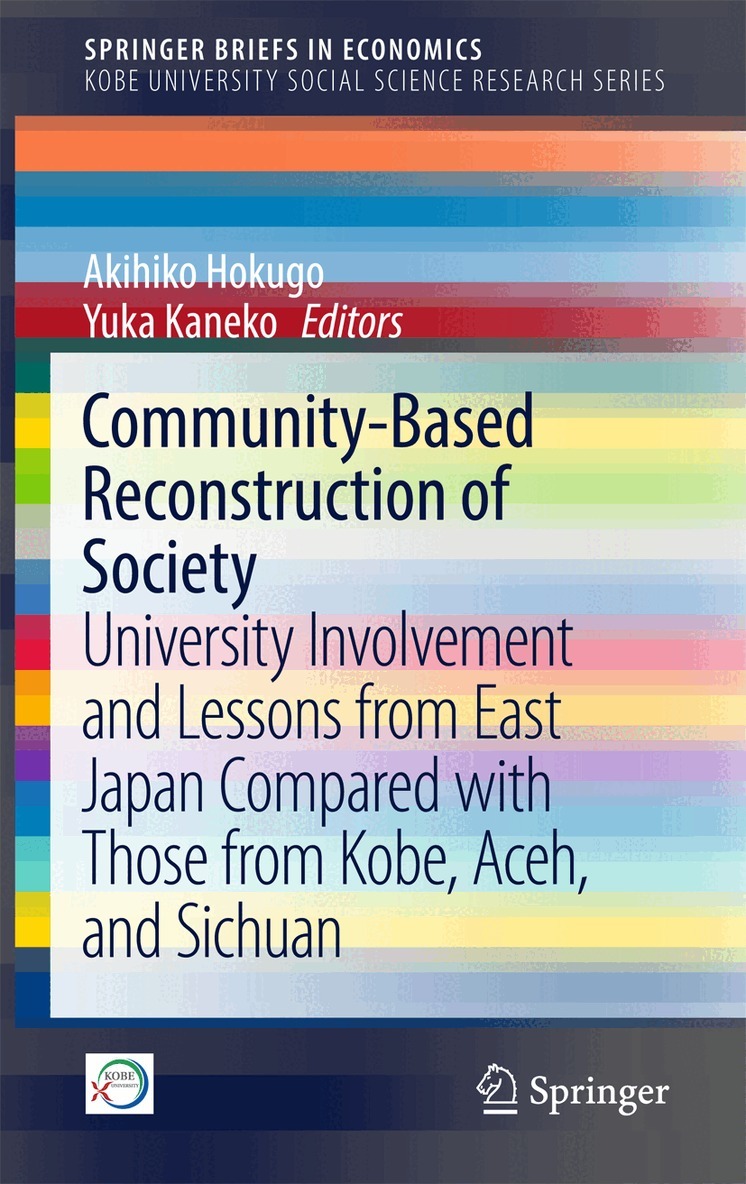
Tohoku University and Iwate University, both at the center of post-disaster reconstruction following the 2011 East Japan Earthquake and Tsunami;
Inbunden, Engelska, 2019
1 478 kr
Skickas inom 10-15 vardagar
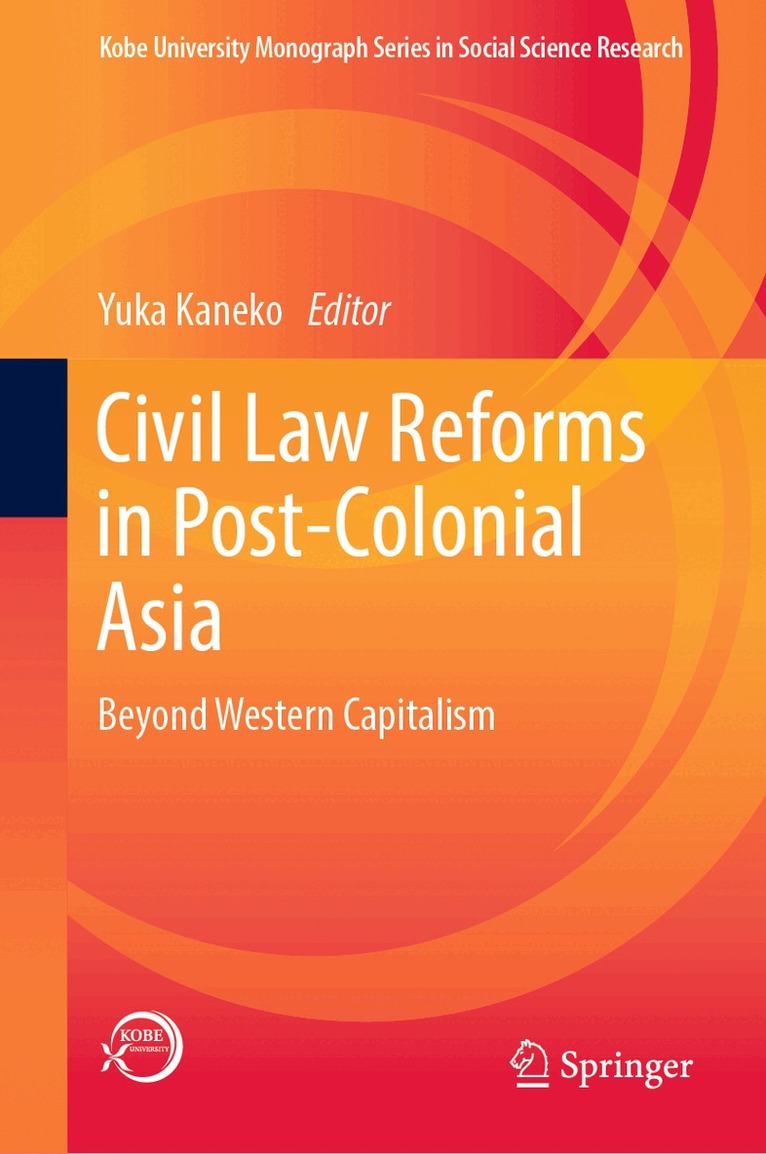
This book focuses on the legal systems of the late-developing countries of ASEAN (Cambodia, Laos, Myanmar, and Vietnam, often referred to as the CLMV countries). These nations are apt to be placed in an economically disadvantageous situation within the opportunity of communalization of legal systems being advanced by the ASEAN Economic Community (AEC) launched in 2015, and the book clarifies the dynamics of the changes within these legal systems. Concurrently, there is an intention to analyze the “legal system development support” that has continued to be provided to these countries since the mid-1990s via international development support from international organizations and developed countries including Japan. In particular, the emphasis has been on the area of civil law, where the main subject of Japan’s support has been centered on the civil code and civil procedure code.The legal system of the recipient country is complicated by the crisscrossing ofthe remnants of previous eras, from the inherent laws that have existed since before colonization, the laws of the colonial powers that were introduced during the colonial era (French law in Cambodia, Laos, and Vietnam; English law in Myanmar), the influence of socialist law after independence from colonization, and the path of modern industrialization and development, such that one country's legal system is the combination of all of these influences.For the reader to understand the dynamics of these changing laws, each chapter of the book combines two methodological perspectives. The first is to ascertain the spatial range as to how far the civil law extends across social phenomena. The second is a historical perspective in which the trends in legal changes will be understood on a time axis.
Häftad, Engelska, 2020
1 478 kr
Skickas inom 10-15 vardagar
This book focuses on the legal systems of the late-developing countries of ASEAN (Cambodia, Laos, Myanmar, and Vietnam, often referred to as the CLMV countries). These nations are apt to be placed in an economically disadvantageous situation within the opportunity of communalization of legal systems being advanced by the ASEAN Economic Community (AEC) launched in 2015, and the book clarifies the dynamics of the changes within these legal systems. Concurrently, there is an intention to analyze the “legal system development support” that has continued to be provided to these countries since the mid-1990s via international development support from international organizations and developed countries including Japan. In particular, the emphasis has been on the area of civil law, where the main subject of Japan’s support has been centered on the civil code and civil procedure code.The legal system of the recipient country is complicated by the crisscrossing ofthe remnants of previous eras, from the inherent laws that have existed since before colonization, the laws of the colonial powers that were introduced during the colonial era (French law in Cambodia, Laos, and Vietnam; English law in Myanmar), the influence of socialist law after independence from colonization, and the path of modern industrialization and development, such that one country's legal system is the combination of all of these influences.For the reader to understand the dynamics of these changing laws, each chapter of the book combines two methodological perspectives. The first is to ascertain the spatial range as to how far the civil law extends across social phenomena. The second is a historical perspective in which the trends in legal changes will be understood on a time axis.
Inbunden, Engelska, 2021
1 611 kr
Skickas inom 10-15 vardagar
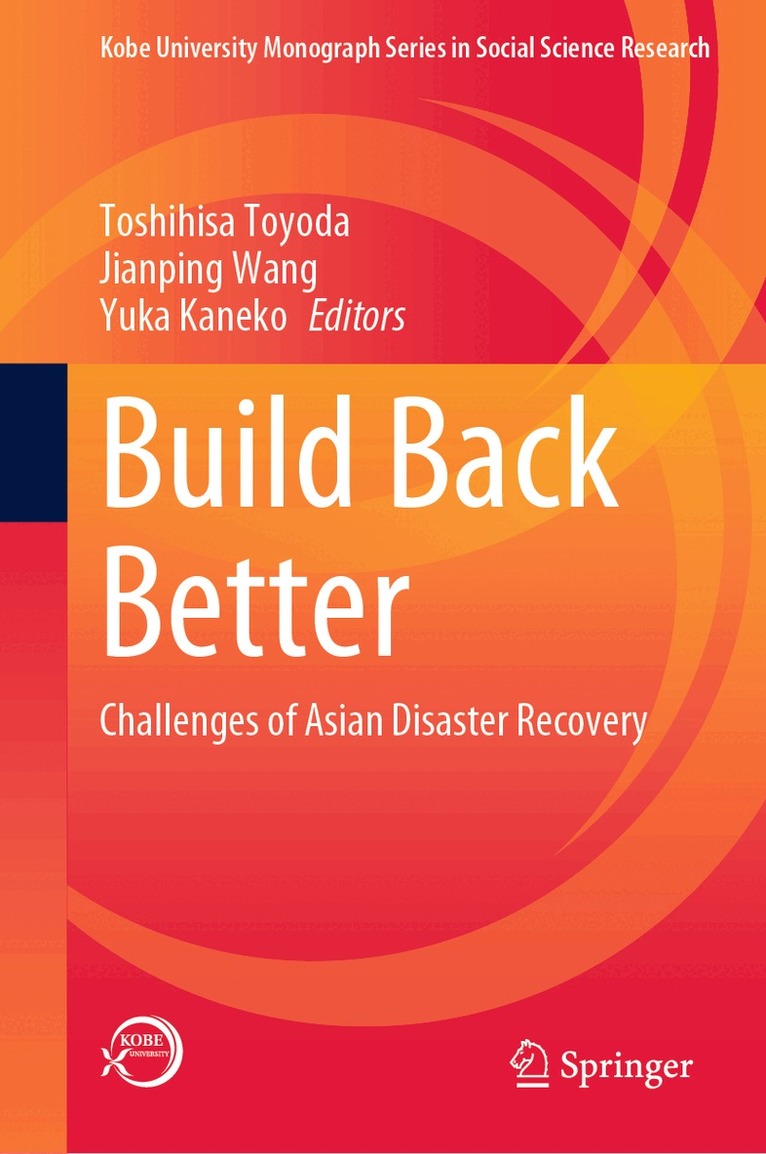
International society led by the United Nations has been working to improve and standardize every country's post-disaster recovery policy. In this book, the BBB is considered an essential common criterion for evaluating recovery status, but BBB variations in each individual country's context are pursued.
Häftad, Engelska, 2022
1 611 kr
Skickas inom 10-15 vardagar
International society led by the United Nations has been working to improve and standardize every country's post-disaster recovery policy. In this book, the BBB is considered an essential common criterion for evaluating recovery status, but BBB variations in each individual country's context are pursued.
Häftad, Engelska, 2022
644 kr
Skickas inom 10-15 vardagar
This book examines the outcomes of the economic law reforms in Asian developing countries, guided by the leading international development financiers such as the World Bank and the Asian Development Bank.
Inbunden, Engelska, 2022
1 184 kr
Skickas inom 10-15 vardagar
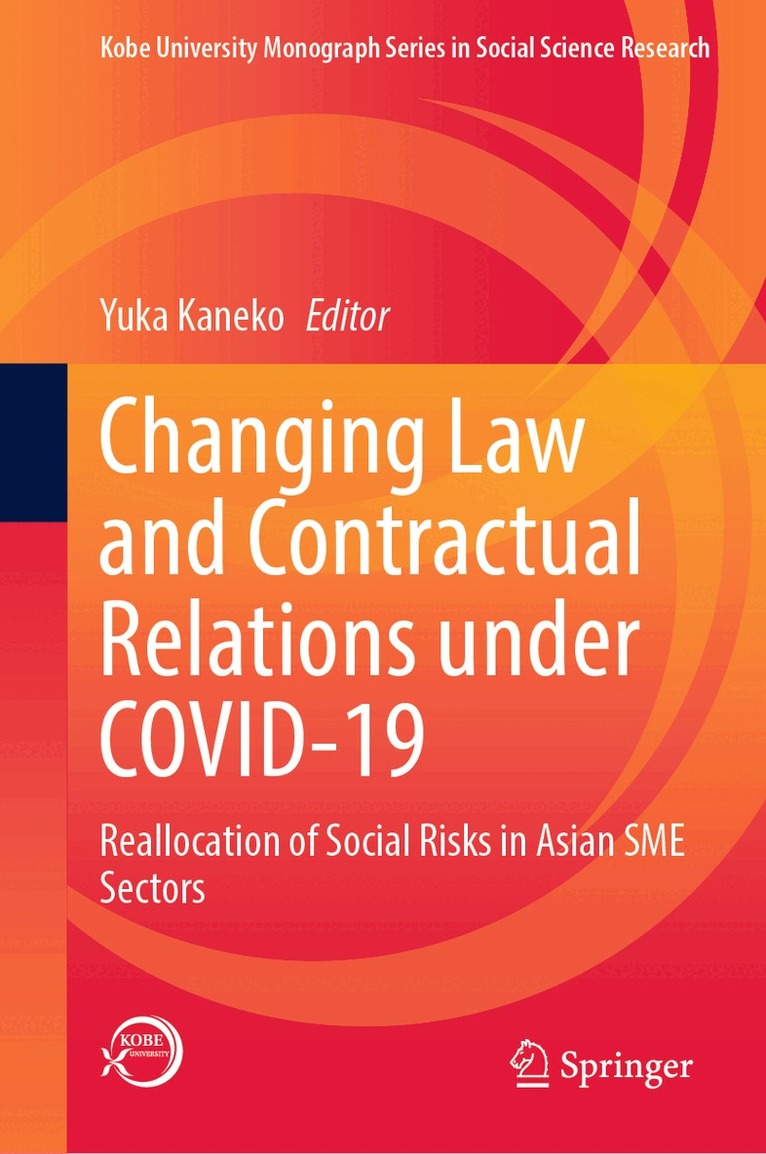
COVID-19 has changed not only human lives since the beginning of the year 2020, but systems of human society as well. Legal measures have been employed in every country to mandate the state’s control of human behavior in order to stop the pandemic. But the mode of legal control has differed by country, showing different results in terms of constraining the spread of infection. While the behavioral restrictions continue, the socio-economic impacts of the pandemic have been causing another catastrophe, particularly in the most vulnerable sectors of each society. Small and medium-sized enterprises (SMEs) are typical representatives of such vulnerable groups, compelled to assume the economic burdens of the pandemic that have been shifted from the larger economic actors that hold the advantage in contractual negotiations. Statistical data on infection status have revealed a great gap between countries, such as European nations reaching the level of several thousand deaths per one hundred thousand population, while most Asian countries have maintained a level of one or two digits. Even though COVID-19 affects the whole world, the redistribution of risks in the pandemic is a goal to be pursued in the socio-cultural context of each society.This book explores the law and social changes in Asian countries under the impact of COVID-19, with a particular focus on the social relations surrounding the SMEs. These form the center of contractual relations between various socio-economic actors and at the same time, are a direct counterpart of the governmental SME policies, peculiar to Asian interventionist governments. A comparative approach is taken, using the results of interview surveys based on structured questions conducted via research collaboration between the contributors from Japan as well as other Asian countries.A comparative analysis of the risk redistribution in the pandemic between countries that share similar preconditions is still possibleand meaningful. The authors of this book hold the view that Asian countries have sufficient bases for international comparison, particularly on the risk reallocation in the SME sector, given the relatively well-controlled level of infection, presumably due to the similarity of cooperative social culture. Another basis for comparison is the similarity of the laws surrounding the business operation of SMEs since normal times, which makes it feasible to compare the difference in the pandemic. What risks should be reallocated between whom, and how?
Inbunden, Engelska, 2023
1 674 kr
Skickas inom 10-15 vardagar
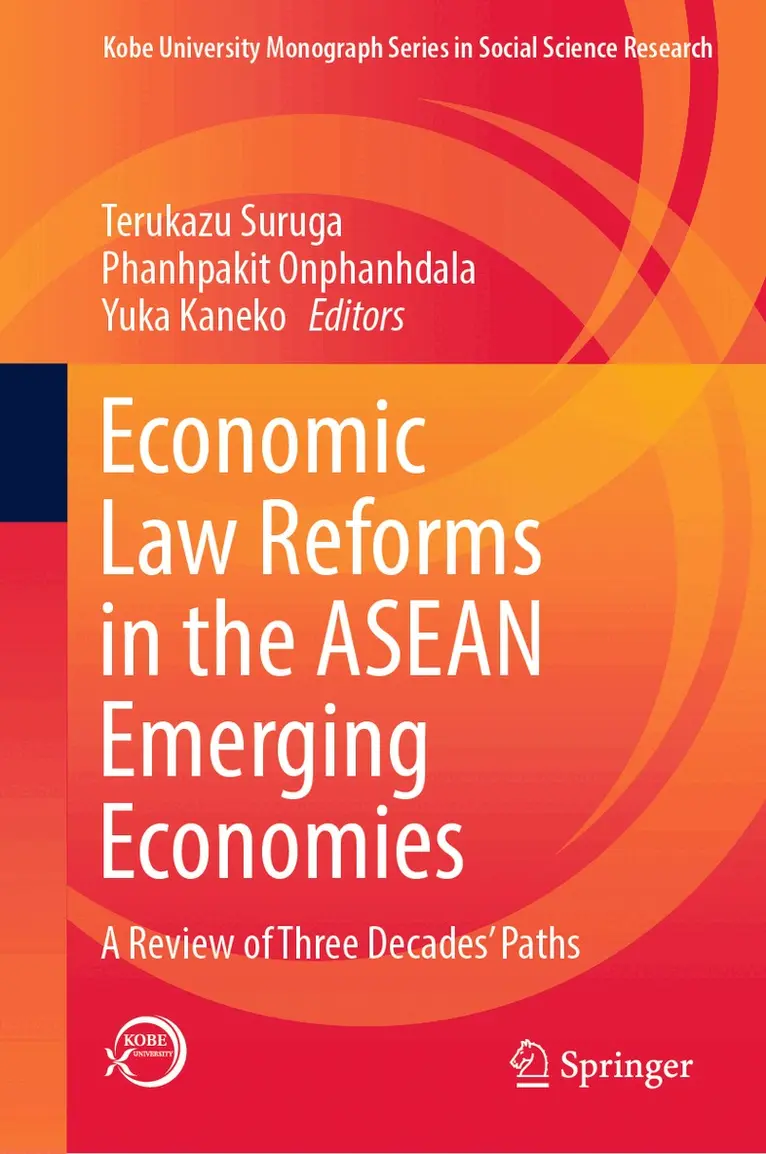
This book reviews the periodic changes in the legal policies of the late-developing ASEAN countries, often known as the CLMV countries (Cambodia, Laos, Myanmar, and Vietnam), in their continuous path toward globalization after the collapse of the socialist bloc. The book also identifies the characteristics of the legal reforms in their present stage guided by the common framework under the ASEAN Economic Community (AEC) moving toward 2025.The first stage is illustrated by the ASEAN-style utilization of foreign investments as reflected in all investment laws and policies of CLMV countries in the 1990s, which featured entry control (as “sticks”) and investment incentives (as “carrots”). Those controls and incentives were the means to induce investors to assume various performance requirements to contribute to industrial policies. The second stage witnessed a shift toward enhanced liberalization as an endeavor toward the WTO accession during the 2000s, as seen in the integrated investment laws that appealed for the national treatment of foreign investors. At the same time, those investment laws emphasized the substantive provisions (e.g., fair and equitable treatment and indirect expropriation) and procedural protections (e.g., provision of Investor–State Dispute Resolution mechanisms) as an appeal for stabilization of the investment climate. The third stage of legal policy, as evidenced by the recent amendments to the investment laws, is newly focused on environmental and social considerations, which seems to be an indispensable response to the increasing social protests against the negative impacts of investment promotion. Simultaneously, the means of administrative controls over investors, established in the first stage, are uniquely utilized for the realization of new goals.
Häftad, Engelska, 2024
1 674 kr
Skickas inom 10-15 vardagar
This book reviews the periodic changes in the legal policies of the late-developing ASEAN countries, often known as the CLMV countries (Cambodia, Laos, Myanmar, and Vietnam), in their continuous path toward globalization after the collapse of the socialist bloc. The book also identifies the characteristics of the legal reforms in their present stage guided by the common framework under the ASEAN Economic Community (AEC) moving toward 2025.The first stage is illustrated by the ASEAN-style utilization of foreign investments as reflected in all investment laws and policies of CLMV countries in the 1990s, which featured entry control (as “sticks”) and investment incentives (as “carrots”). Those controls and incentives were the means to induce investors to assume various performance requirements to contribute to industrial policies. The second stage witnessed a shift toward enhanced liberalization as an endeavor toward the WTO accession during the 2000s, as seen in the integrated investment laws that appealed for the national treatment of foreign investors. At the same time, those investment laws emphasized the substantive provisions (e.g., fair and equitable treatment and indirect expropriation) and procedural protections (e.g., provision of Investor–State Dispute Resolution mechanisms) as an appeal for stabilization of the investment climate. The third stage of legal policy, as evidenced by the recent amendments to the investment laws, is newly focused on environmental and social considerations, which seems to be an indispensable response to the increasing social protests against the negative impacts of investment promotion. Simultaneously, the means of administrative controls over investors, established in the first stage, are uniquely utilized for the realization of new goals.
Inbunden, Engelska, 2023
1 390 kr
Skickas inom 5-8 vardagar
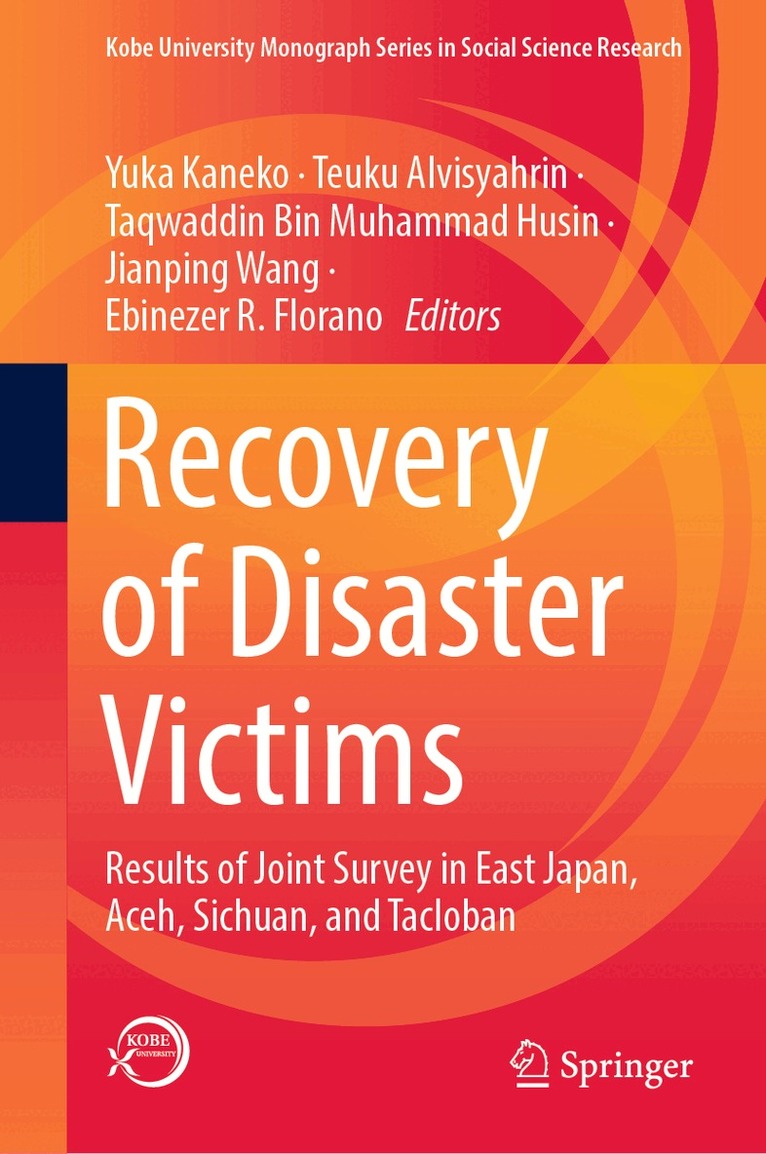
This book presents the results of a joint survey conducted as of the tenth anniversary of the 2011 East Japan Earthquake, by an international research collaboration consisting of researchers representing the major universities affected by recent mega-disasters in Asia, namely, the research group at Kobe University, Japan which has folllowed up ten year recovery process from the 2011 tsunami disaster in East Japan, the research group at the Graduate Program in Disaster Science, Syiah Kuala University in Aceh, Indonesia on the long-term recovery of 17 years after the 2004 Indian Ocean Tsunami, the research group at the Institute for Disaster Management and Reconstruction of Sichuan University, China focusing on the recovery status of 13 years after the 2008 Sichuan (Wenchuan) Earthquake; and the research group at the National College of Public Administration and Governance of University of the Philippines, on the rcovery from the 2013 Typhoon Yolanda that hit the Philippines. The purpose of the survey was to evaluate the status of human life recovery of disaster-affected populations and communities in Asia in the long term, for the ultimate purpose of reviewing and comparing the outcomes of different prioritizations among the plural goals of disaster recovery. Through such a review, the authors intend to induce policy implications to guide a better recovery process with lesser impact on the human life recovery in the future disasters that we humans are destined to meet. The target areas are 16 districts in Iwate and Miyagi prefectures in Japan, all typical areas seriously affected by the 2011 tsunami and subsequently came under the governmental construction works for the safety, as well as three villages in Banda Aceh and its outskirts in Aceh Special Province, Indonesia,; two districts in Mianyang city in Sichuan, China which were targetted by intensive reconstructon works conducted by the coupling assistance; and two village communities in Tacloban, the capital city of Leyte island hit by the 2013 Typhoon Yolanda. To realize the concurrent attainment of both safety and livelihood in the recovery planning, this joint survey has identified common issues for a successful cooperation between the local government and communities through the inclusive participation of various institutions representing the variety of interests in each community.
Häftad, Engelska, 2024
1 439 kr
Skickas inom 10-15 vardagar
This book presents the results of a joint survey conducted as of the tenth anniversary of the 2011 East Japan Earthquake, by an international research collaboration consisting of researchers representing the major universities affected by recent mega-disasters in Asia, namely, the research group at Kobe University, Japan which has folllowed up ten year recovery process from the 2011 tsunami disaster in East Japan, the research group at the Graduate Program in Disaster Science, Syiah Kuala University in Aceh, Indonesia on the long-term recovery of 17 years after the 2004 Indian Ocean Tsunami, the research group at the Institute for Disaster Management and Reconstruction of Sichuan University, China focusing on the recovery status of 13 years after the 2008 Sichuan (Wenchuan) Earthquake; and the research group at the National College of Public Administration and Governance of University of the Philippines, on the rcovery from the 2013 Typhoon Yolanda that hit the Philippines. The purpose of the survey was to evaluate the status of human life recovery of disaster-affected populations and communities in Asia in the long term, for the ultimate purpose of reviewing and comparing the outcomes of different prioritizations among the plural goals of disaster recovery. Through such a review, the authors intend to induce policy implications to guide a better recovery process with lesser impact on the human life recovery in the future disasters that we humans are destined to meet. The target areas are 16 districts in Iwate and Miyagi prefectures in Japan, all typical areas seriously affected by the 2011 tsunami and subsequently came under the governmental construction works for the safety, as well as three villages in Banda Aceh and its outskirts in Aceh Special Province, Indonesia,; two districts in Mianyang city in Sichuan, China which were targetted by intensive reconstructon works conducted by the coupling assistance; and two village communities in Tacloban, the capital city of Leyte island hit by the 2013 Typhoon Yolanda. To realize the concurrent attainment of both safety and livelihood in the recovery planning, this joint survey has identified common issues for a successful cooperation between the local government and communities through the inclusive participation of various institutions representing the variety of interests in each community.