Zachary Braiterman – författare
Visar alla böcker från författaren Zachary Braiterman. Handla med fri frakt och snabb leverans.
5 produkter
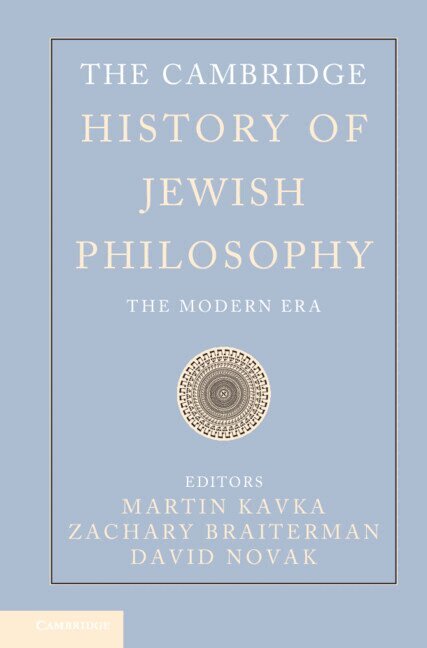
The Cambridge History of Jewish Philosophy
The Modern Era
Av Martin Kavka, Zachary Braiterman m. fl.
Inbunden, 2012
2916 kr
Lägg i varukorg
The second volume of The Cambridge History of Jewish Philosophy provides a comprehensive overview of Jewish philosophy from the seventeenth century to the present day. Written by a distinguished group of experts in the field, its essays examine how Jewish thinking was modified in its encounter with …
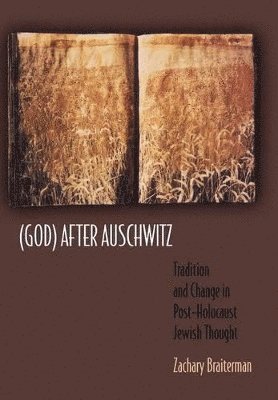
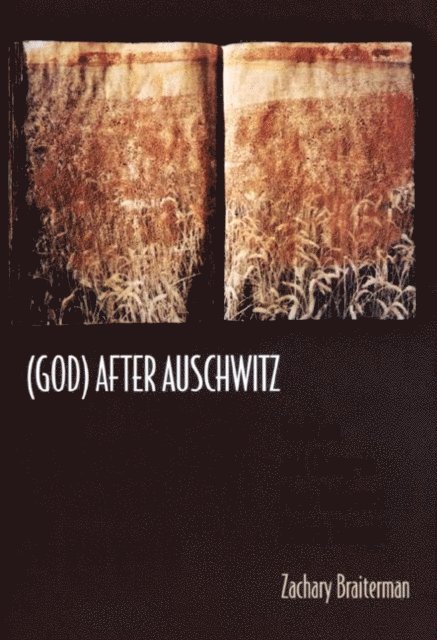
(God) After Auschwitz
Tradition and Change in Post-Holocaust Jewish Thought
Inbunden, 1998
1037 kr
Lägg i varukorg
The impact of technology-enhanced mass death in the twentieth century, argues Zachary Braiterman, has profoundly affected the future shape of religious thought. In his provocative book, the author shows how key Jewish theologians faced the memory of Auschwitz by rejecting traditional theodicy, …
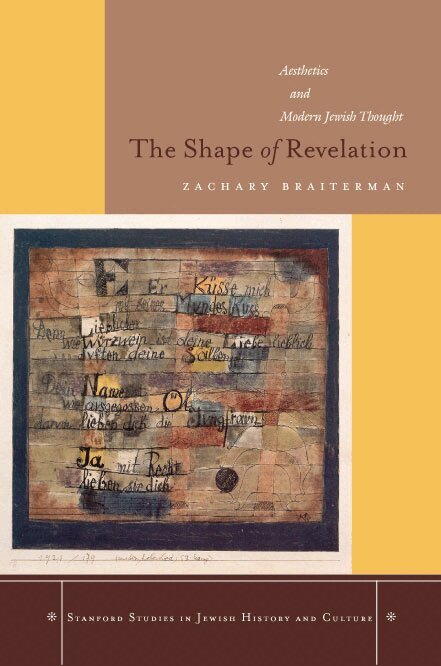
Shape of Revelation
Aesthetics and Modern Jewish Thought
Inbunden, 2007
847 kr
Lägg i varukorg
The Shape of Revelation explores the overlap between revelation and aesthetic form from the perspective of Judaism. It does so by setting the Jewish philosophy of Martin Buber and Franz Rosenzweig alongside its immediate visual environment in the aesthetics of early German modernism, most notably …
Cambridge History of Jewish Philosophy
The Modern Era
Av David Novak, Zachary Braiterman m. fl.
E-bok, 2012
511 kr
Lägg i varukorg
The second volume of The Cambridge History of Jewish Philosophy provides a comprehensive overview of Jewish philosophy from the seventeenth century to the present day. Written by a distinguished group of experts in the field, its essays examine how Jewish thinking was modified in its encounter with …
(God) After Auschwitz
Tradition and Change in Post-Holocaust Jewish Thought
E-bok, 1998
1469 kr
Lägg i varukorg
The impact of technology-enhanced mass death in the twentieth century, argues Zachary Braiterman, has profoundly affected the future shape of religious thought. In his provocative book, the author shows how key Jewish theologians faced the memory of Auschwitz by rejecting traditional theodicy, …