Zhange Ni – författare
Visar alla böcker från författaren Zhange Ni. Handla med fri frakt och snabb leverans.
3 produkter
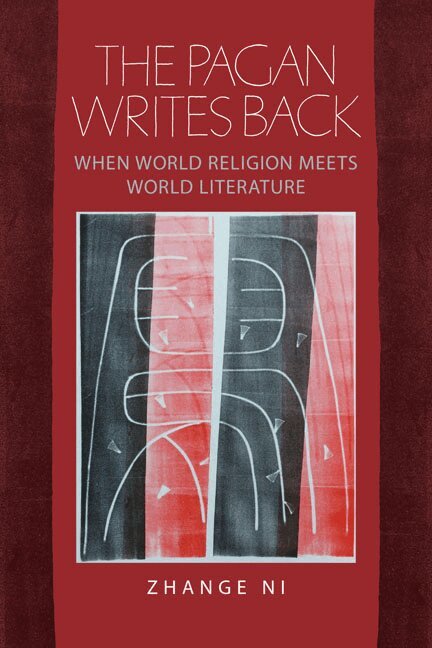
Pagan Writes Back
When World Religion Meets World Literature
Av Zhange Ni
Häftad, 2015
394 kr
Lägg i varukorg
In the first book to consider the study of world religion and world literature in concert, Zhange Ni proposes a new reading strategy that she calls ""pagan criticism,"" which she applies not only to late twentieth- and early twenty-first-century literary texts that engage the global resurgence of …
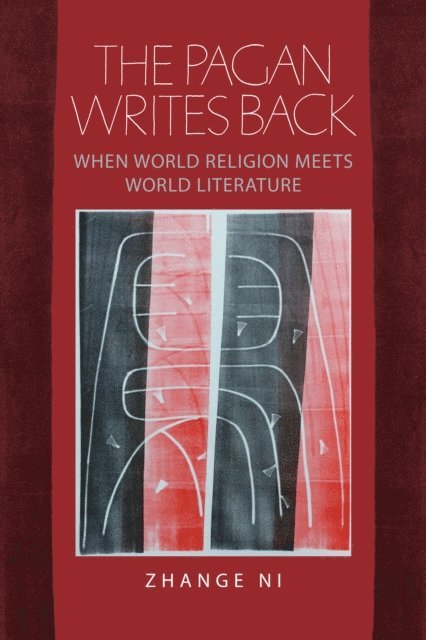
Pagan Writes Back
When World Religion Meets World Literature
Av Zhange Ni
E-bok, 2015
514 kr
Lägg i varukorg
In the first book to consider the study of world religion and world literature in concert, Zhange Ni proposes a new reading strategy that she calls "pagan criticism," which she applies not only to late twentieth- and early twenty-first-century literary texts that engage the global resurgence of …
Religion and the Arts in The Hunger Games
Av Zhange Ni
Häftad, 2020
2558 kr
Lägg i varukorg
In this selective overview of scholarship generated by The Hunger Games—the young adult dystopian fiction and film series which has won popular and critical acclaim—Zhange Ni showcases various investigations into the entanglement of religion and the arts in the new millennium. Ni introduces …