Zhaoming Qian – författare
Visar alla böcker från författaren Zhaoming Qian. Handla med fri frakt och snabb leverans.
15 produkter
Cathay
Centennial Edition
Häftad, 2016
5,0 utav 5 stjärnor. Totalt antal röster: (1)
180 kr
Tillfälligt slut
First published in 1915, Cathay, Ezra Pound’s early monumental work, originally contained fourteen translations from the Chinese and a translation of the Anglo-Saxon poem “The Seafarer.” Over time, these poems have been widely read and loved as both translations and original poetry. In 1916, Cathay …
Ezra Pound's Chinese Friends
Stories in Letters
E-bok, 2008
600 kr
Lägg i varukorg
No literary figure of the past century - in America or perhaps in any other Western country - is comparable to Ezra Pound in the scope and depth of his exchange with China. To this day, scholars and students still find it puzzling that this influential poet spent a lifetime incorporating Chinese …
Ezra Pound's Chinese Friends
Stories in Letters
E-bok, 2008
562 kr
Lägg i varukorg
No literary figure of the past century - in America or perhaps in any other Western country - is comparable to Ezra Pound in the scope and depth of his exchange with China. To this day, scholars and students still find it puzzling that this influential poet spent a lifetime incorporating Chinese …
Ezra Pound's Chinese Friends
Stories in Letters
Inbunden, 2008
909 kr
Lägg i varukorg
No literary figure of the past century - in America or perhaps in any other Western country - is comparable to Ezra Pound in the scope and depth of his exchange with China. To this day, scholars and students still find it puzzling that this influential poet spent a lifetime incorporating Chinese …
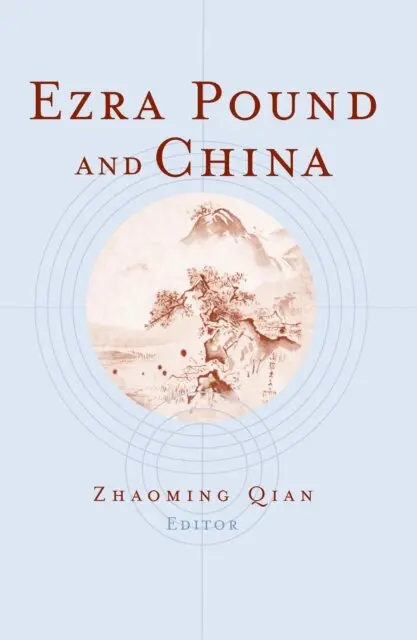
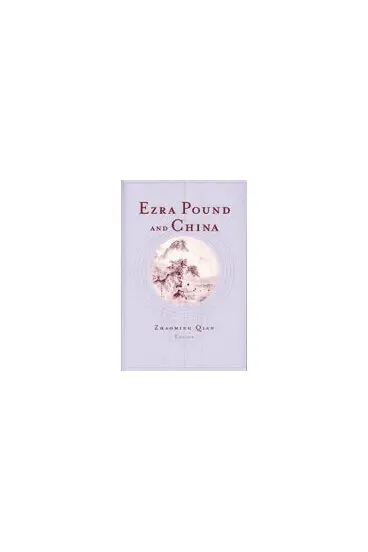
Ezra Pound and China
E-bok, 2010
675 kr
Lägg i varukorg
Ezra Pound and China, the first collection to explore the American poet''s career-long relationship with China, considers how Pound''s engagement with the Orient broadens the textual, cultural, and political boundaries of his modernism. The book''s contributors discuss, among other topics, issues …
Ezra Pound and China
Häftad, 2003
441 kr
Lägg i varukorg
Ezra Pound and China, the first collection to explore the American poet's career-long relationship with China, considers how Pound's engagement with the Orient broadens the textual, cultural, and political boundaries of his modernism. The book's contributors discuss, among other topics, issues of …
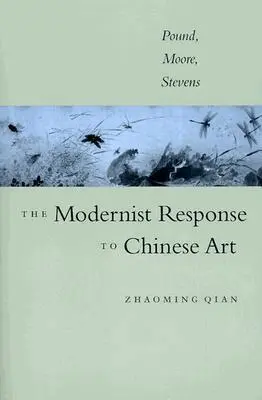
Modernist Response to Chinese Art
Pound, Moore, Stevens
Häftad, 2003
363 kr
Lägg i varukorg
What role did Chinese art play in the poetic development of Ezra Pound, Marianne Moore and Wallace Stevens? How could they share Chinese artists' Dao, an aesthetic held to be beyond verbal representation? In this sequel to ""Orientalism and Modernism"", Zhaoming Qian investigates the ways in which …
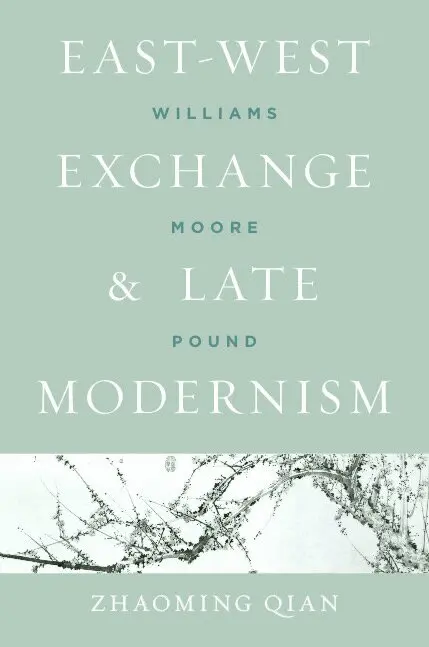
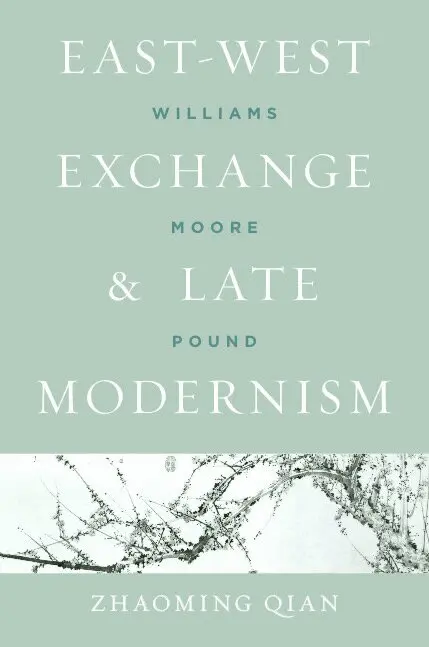
East-West Exchange and Late Modernism
Williams, Moore, Pound
Inbunden, 2017
1066 kr
Lägg i varukorg
In East-West Exchange and Late Modernism, Zhaoming Qian examines the nature and extent of Asian influence on some of the literary masterpieces of Western late modernism. Focusing on the poets William Carlos Williams, Marianne Moore, and Ezra Pound, Qian relates captivating stories about their …
East-West Exchange and Late Modernism
Williams, Moore, Pound
Häftad, 2017
431 kr
Lägg i varukorg
In East-West Exchange and Late Modernism, Zhaoming Qian examines the nature and extent of Asian influence on some of the literary masterpieces of Western late modernism. Focusing on the poets William Carlos Williams, Marianne Moore, and Ezra Pound, Qian relates captivating stories about their …
East-West Exchange and Late Modernism
Williams, Moore, Pound
E-bok, 2017
558 kr
Lägg i varukorg
In East-West Exchange and Late Modernism , Zhaoming Qian examines the nature and extent of Asian influence on some of the literary masterpieces of Western late modernism. Focusing on the poets William Carlos Williams, Marianne Moore, and Ezra Pound, Qian relates captivating stories about their …
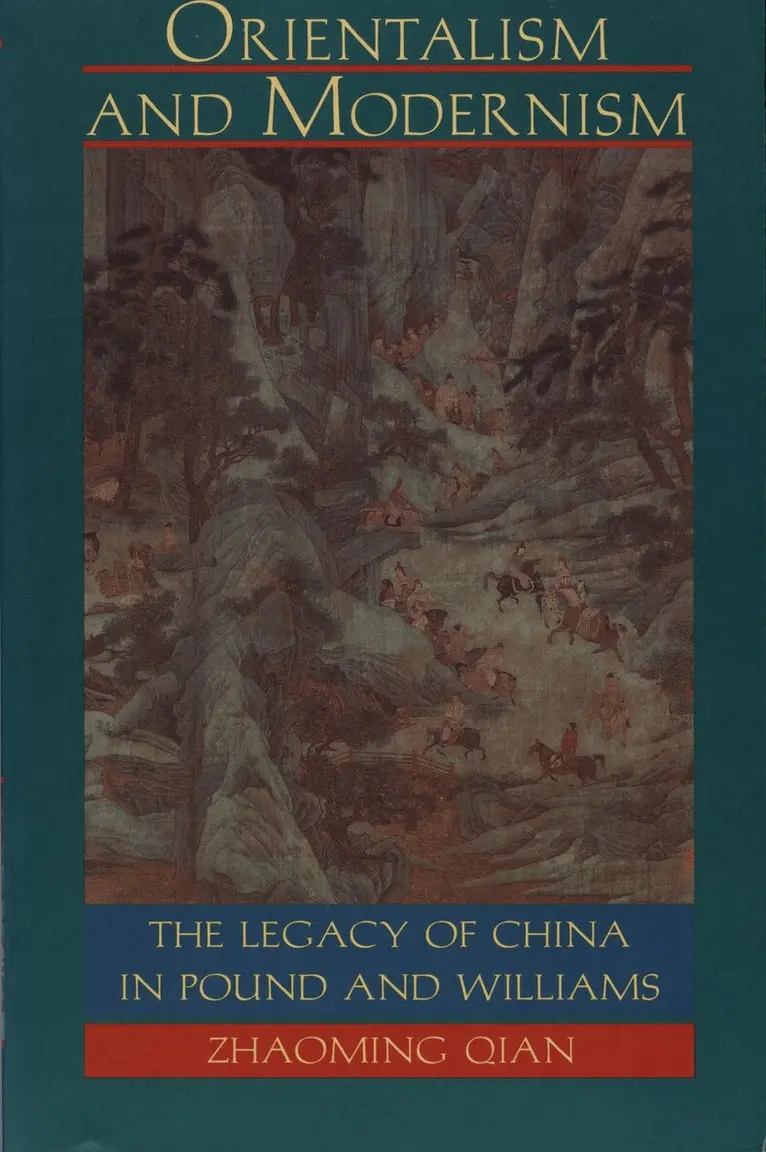
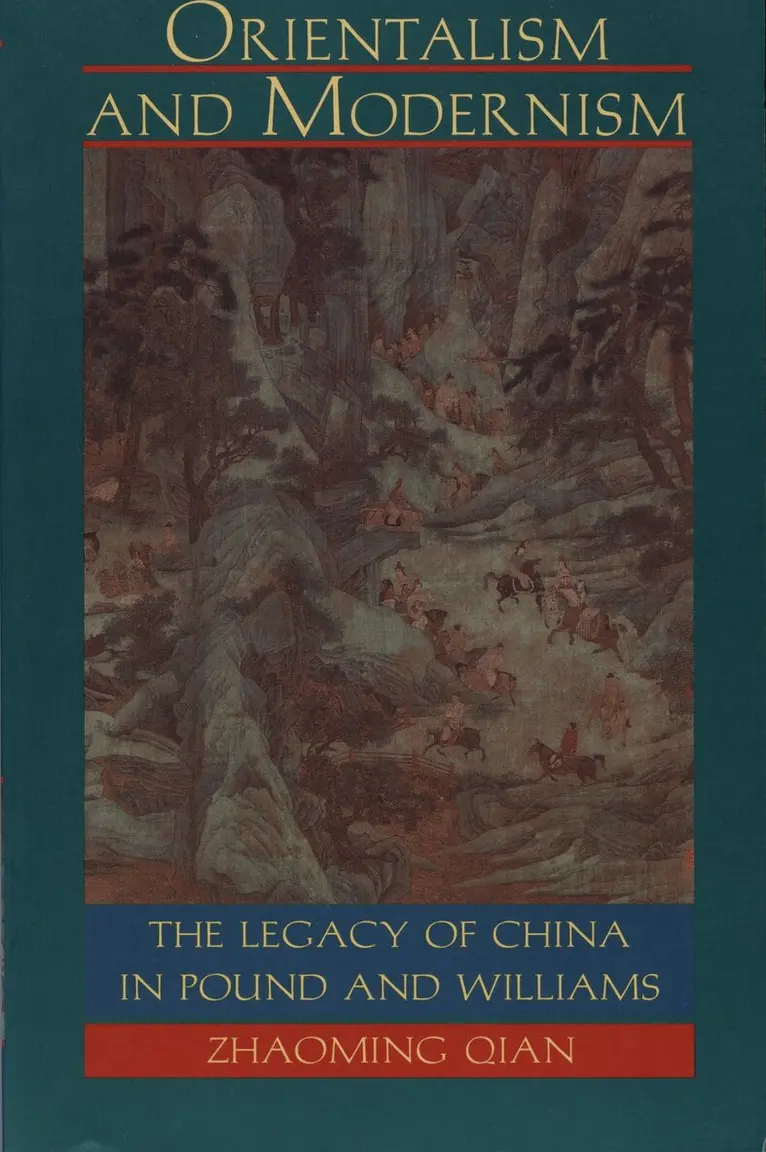
Orientalism and Modernism
The Legacy of China in Pound and Williams
Häftad, 1995
395 kr
Lägg i varukorg
Chinese culture held a well-known fascination for modernist poets like Ezra Pound and William Carlos Williams. What is less known but is made fully clear by Zhaoming Qian is the degree to which oriental culture made these poets the modernists they became. This ambitious and illuminating study shows …
Orientalism and Modernism
The Legacy of China in Pound and Williams
E-bok, 1995
586 kr
Lägg i varukorg
Chinese culture held a well-known fascination for modernist poets like Ezra Pound and William Carlos Williams. What is less known but is made fully clear by Zhaoming Qian is the degree to which oriental culture made these poets the modernists they became. This ambitious and illuminating study shows …
Ezra Pound and China
Inbunden, 2003
1614 kr
Tillfälligt slut
Ezra Pound and China, the first collection to explore the American poet's career-long relationship with China, considers how Pound's engagement with the Orient broadens the textual, cultural, and political boundaries of his modernism. The book's contributors discuss, among other topics, issues of …
Modernist Response to Chinese Art
Pound, Moore, Stevens
Inbunden, 2003
782 kr
Tillfälligt slut
What role did Chinese art play in the poetic development of Ezra Pound, Marianne Moore and Wallace Stevens? How could they share Chinese artists' Dao, an aesthetic held to be beyond verbal representation? In this sequel to ""Orientalism and Modernism"", Zhaoming Qian investigates the ways in which …
Orientalism and Modernism
The Legacy of China in Pound and Williams
Inbunden, 1995
1652 kr
Tillfälligt slut
Chinese culture held a well-known fascination for modernist poets like Ezra Pound and William Carlos Williams. What is less known but is made fully clear by Zhaoming Qian is the degree to which oriental culture made these poets the modernists they became. This ambitious and illuminating study shows …