Zvia Breznitz - Böcker
Visar alla böcker från författaren Zvia Breznitz. Handla med fri frakt och snabb leverans.
6 produkter
6 produkter
1 624 kr
Skickas inom 10-15 vardagar
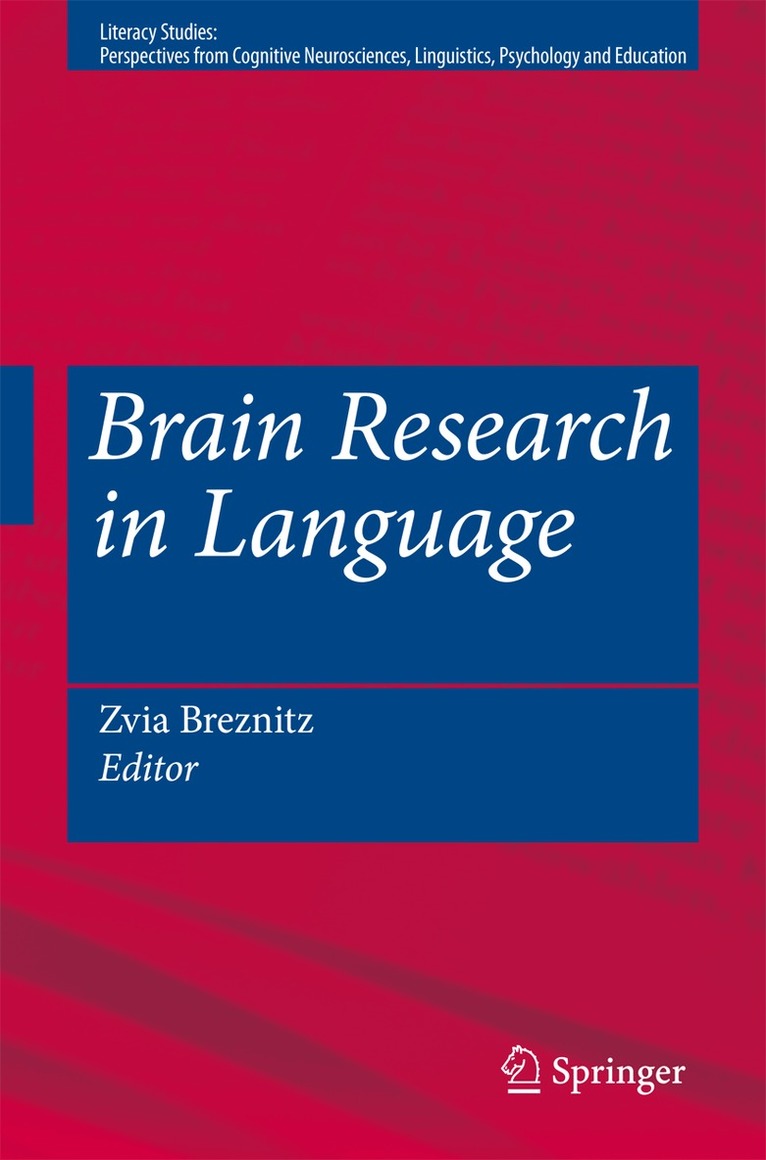
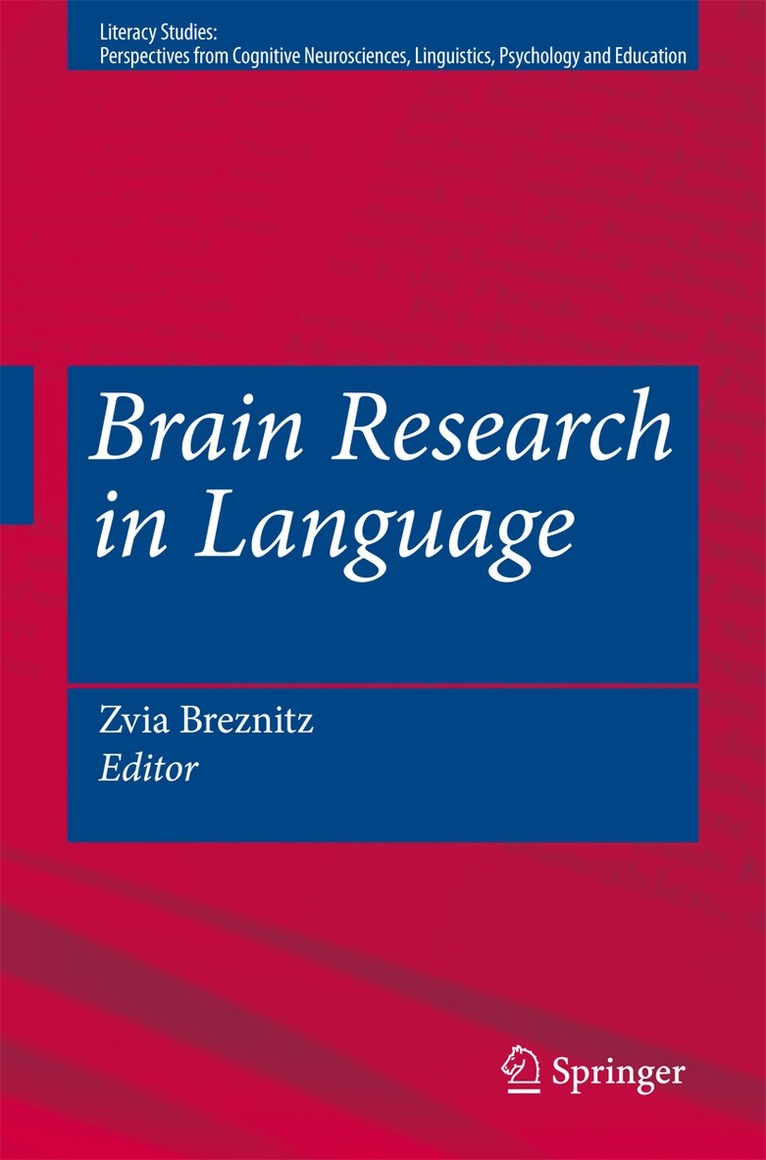
Brain Research in Language addresses important neurological issues involved in reading. The reading process is a highly composite cognitive task, which relies on brain systems that were originally devoted to other functions. The majority of studies in this area have implemented behavioral methodologies, which provide information concerning the entire cognitive sequence at the conclusion of processing only, in the reader’s output. However, these measures cannot specify all of the covert component operations that contribute to reading, nor can they determine the relative processing times required by the individual stages. Furthermore, they cannot determine which processes occur serially, which occur in parallel and which overlap in time (Brandeis & Lehmann, 1994; Johnson, 1995). Recent advancements in the field of neuroscience and cognitive development, however, have added a new dimension with regard to the research into the universal and domain specific aspects of reading with the advent of innovative neurophysiological measurement techniques. The most common are electroencephalography (EEG) and functional magnetic resonance imaging (fMRI). These two methods provide researchers with the opportunity to examine, in-depth, the neural correlates of the reading processing with precise temporal and spatial resolutions, respectively. This book presents data obtained from various studies employing behavioral, electrophysiological and imaging methodologies in different languages focusing on the regular reading process and the dyslexic population. Educators and researchers within neuroscience, literacy, and special education will benefit from Brain Research in Language.
817 kr
Skickas inom 10-15 vardagar
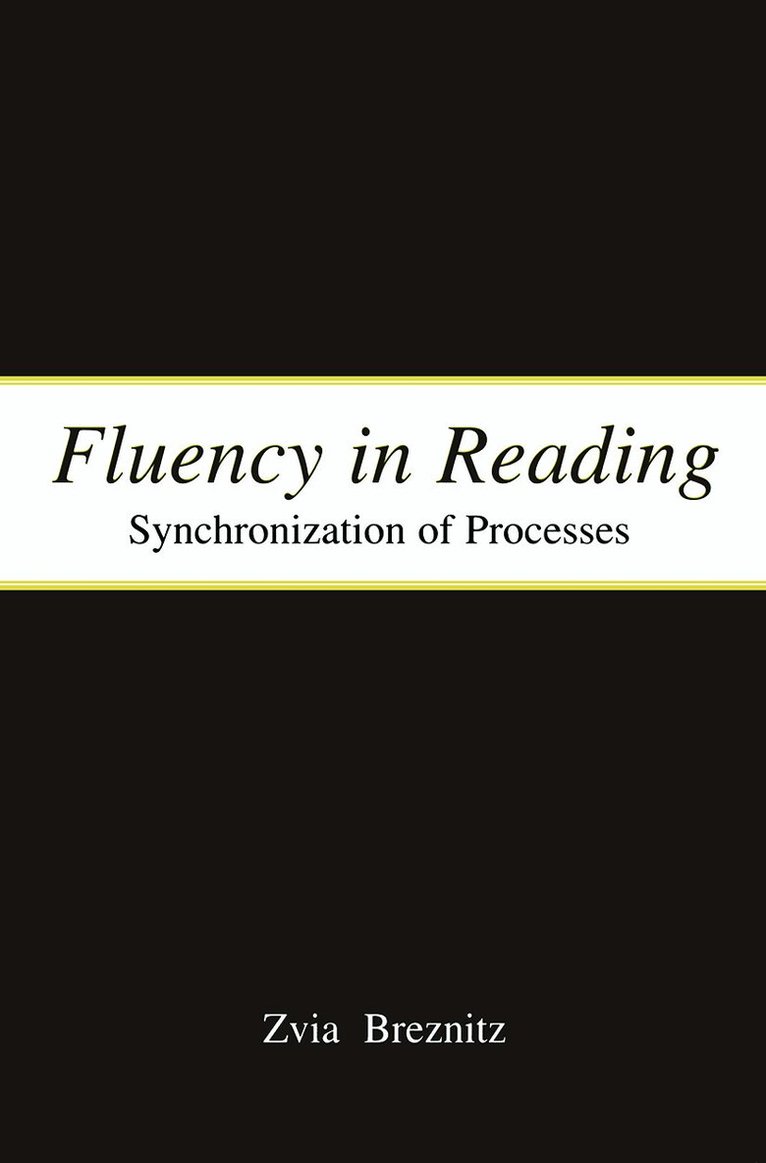
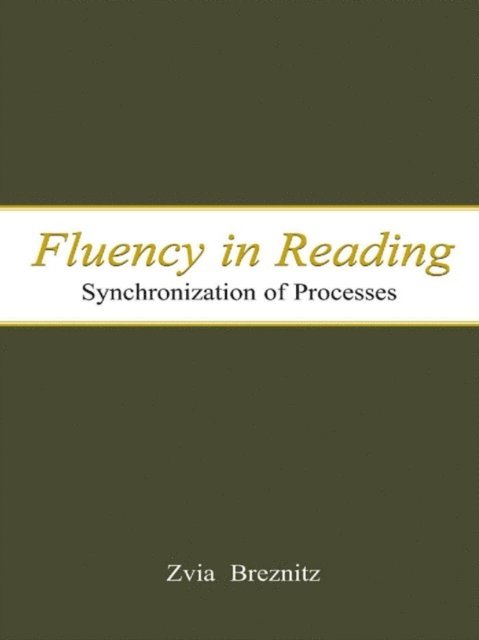
This is the first book to examine in-depth the crucial role of the speed of information processing in the brain in determining reading fluency in both normal and dyslexic readers.Part I explains fluency in reading from both traditional and modern perspectives. Fluency has historically been viewed as the outcome of other reading-related factors and has often been seen as a convenient measure of reading skills. This book, however, argues that fluency has a strong impact on other aspects of reading and plays a central role in the entire reading process.Part II deals with the determinants of reading fluency. Chief among these is the speed of information processing in the brain. Using both behavioral and electrophysiological evidence, the book systematically examines the features of processing speed in the various brain systems involved in reading: visual-orthographic, auditory-phonological, and semantic and shows how speed of processing affects fluency in reading.Part III deals with the complex issues of cross-modal integration and specifically with the need for effective synchronization of the brain processes involved in reading. It puts forward the Synchronization Hypothesis and discusses the role of the Asynchrony Phenomenon as a major factor in dyslexia. Finally, it summarizes research on manipulating reading rate by means of the Acceleration method, providing evidence for a possible intervention aimed at reducing Asynchrony.Key features of this outstanding new book include:*Expanded View of Fluency. Reading fluency is seen as both a dependent and an independent Variable. Currently available books focus on reading rate solely as the outcome of other factors whereas this volume stresses that it is both an outcome and a cause.*Information Processing Focus. Fluency itself is determined to a large extent by a more general factor, namely, speed of processing in the brain. The book presents wide-ranging evidence for individual differences in speed of processing across many subpopulations.*Brain Synchronization Focus. The book posits a new theory arguing that effective reading requires synchronization of the different brain systems: visual orthographic, auditory-phonological, and semantic.*Research-Based Interventions. Interventions to enhance fluency and, thereby, reading skills in general are presented in detail.*Author Expertise. Zvia Breznitz is Head of the Department of Learning Disabilities and Director of the Laboratory for Neurocognitive Research at Haifa University in Israel, where she has been researching this topic for over a decade.This book is appropriate for researchers and advanced students in reading, dyslexia, learning disabilities, cognitive psychology, and neuropsychology.
2 030 kr
Skickas inom 10-15 vardagar
This is the first book to examine in-depth the crucial role of the speed of information processing in the brain in determining reading fluency in both normal and dyslexic readers.Part I explains fluency in reading from both traditional and modern perspectives. Fluency has historically been viewed as the outcome of other reading-related factors and has often been seen as a convenient measure of reading skills. This book, however, argues that fluency has a strong impact on other aspects of reading and plays a central role in the entire reading process.Part II deals with the determinants of reading fluency. Chief among these is the speed of information processing in the brain. Using both behavioral and electrophysiological evidence, the book systematically examines the features of processing speed in the various brain systems involved in reading: visual-orthographic, auditory-phonological, and semantic and shows how speed of processing affects fluency in reading.Part III deals with the complex issues of cross-modal integration and specifically with the need for effective synchronization of the brain processes involved in reading. It puts forward the Synchronization Hypothesis and discusses the role of the Asynchrony Phenomenon as a major factor in dyslexia. Finally, it summarizes research on manipulating reading rate by means of the Acceleration method, providing evidence for a possible intervention aimed at reducing Asynchrony.Key features of this outstanding new book include:*Expanded View of Fluency. Reading fluency is seen as both a dependent and an independent Variable. Currently available books focus on reading rate solely as the outcome of other factors whereas this volume stresses that it is both an outcome and a cause.*Information Processing Focus. Fluency itself is determined to a large extent by a more general factor, namely, speed of processing in the brain. The book presents wide-ranging evidence for individual differences in speed of processing across many subpopulations.*Brain Synchronization Focus. The book posits a new theory arguing that effective reading requires synchronization of the different brain systems: visual orthographic, auditory-phonological, and semantic.*Research-Based Interventions. Interventions to enhance fluency and, thereby, reading skills in general are presented in detail.*Author Expertise. Zvia Breznitz is Head of the Department of Learning Disabilities and Director of the Laboratory for Neurocognitive Research at Haifa University in Israel, where she has been researching this topic for over a decade.This book is appropriate for researchers and advanced students in reading, dyslexia, learning disabilities, cognitive psychology, and neuropsychology.
1 210 kr
Skickas inom 10-15 vardagar
Brain Research in Language addresses important neurological issues involved in reading. The reading process is a highly composite cognitive task, which relies on brain systems that were originally devoted to other functions. The majority of studies in this area have implemented behavioral methodologies, which provide information concerning the entire cognitive sequence at the conclusion of processing only, in the reader’s output. However, these measures cannot specify all of the covert component operations that contribute to reading, nor can they determine the relative processing times required by the individual stages. Furthermore, they cannot determine which processes occur serially, which occur in parallel and which overlap in time (Brandeis & Lehmann, 1994; Johnson, 1995). Recent advancements in the field of neuroscience and cognitive development, however, have added a new dimension with regard to the research into the universal and domain specific aspects of reading with the advent of innovative neurophysiological measurement techniques. The most common are electroencephalography (EEG) and functional magnetic resonance imaging (fMRI). These two methods provide researchers with the opportunity to examine, in-depth, the neural correlates of the reading processing with precise temporal and spatial resolutions, respectively. This book presents data obtained from various studies employing behavioral, electrophysiological and imaging methodologies in different languages focusing on the regular reading process and the dyslexic population. Educators and researchers within neuroscience, literacy, and special education will benefit from Brain Research in Language.
Del 6 - Literacy Studies
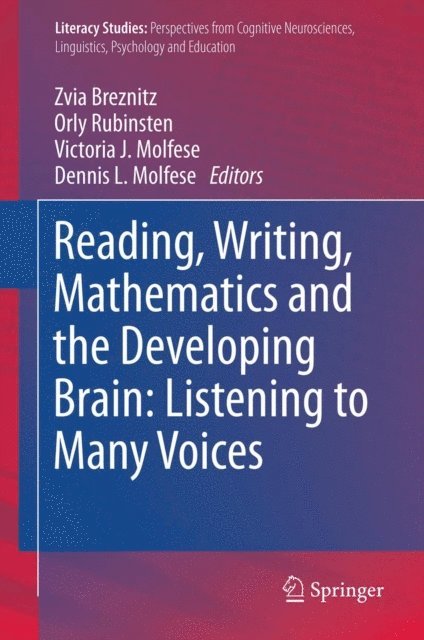
Reading, Writing, Mathematics and the Developing Brain: Listening to Many Voices
Inbunden, Engelska, 2012
1 034 kr
Skickas inom 10-15 vardagar
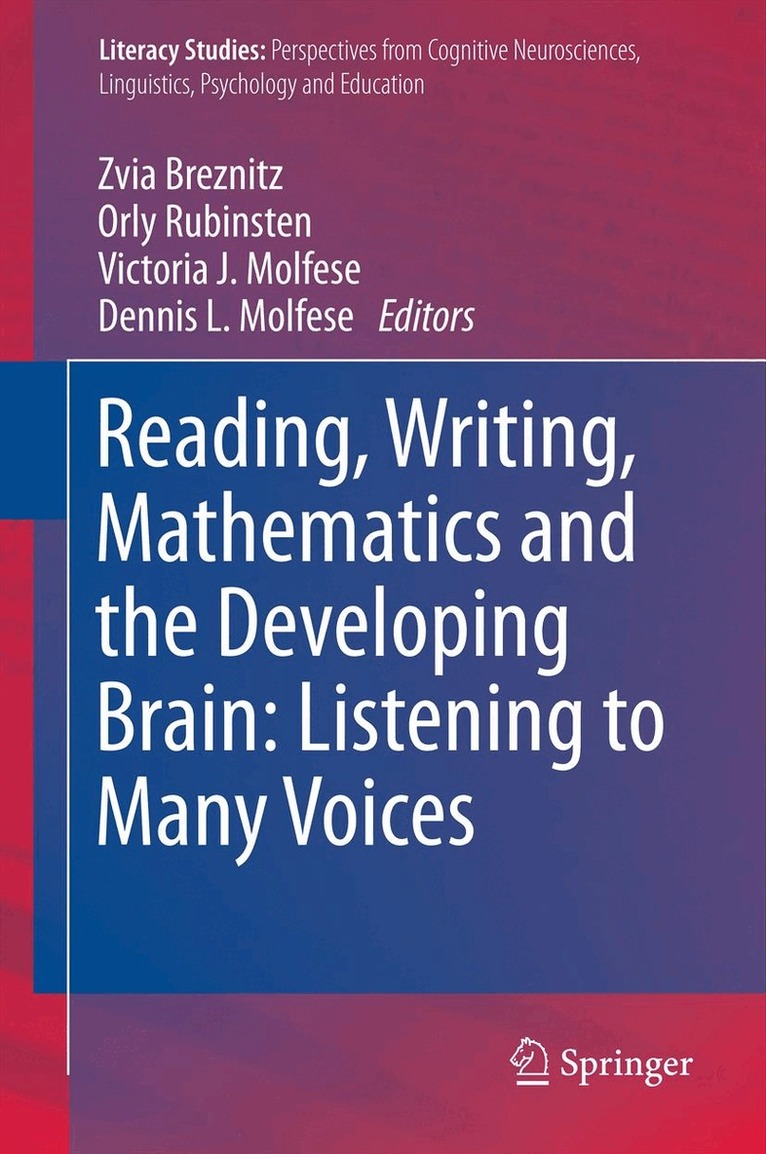
This valuable addition to the literature offers readers a comprehensive overview of recent brain imaging research focused on reading, writing and mathematics—a research arena characterized by rapid advances that follow on the heels of fresh developments and techniques in brain imaging itself. With contributions from many of the lead scientists in this field, a number of whom have been responsible for key breakthroughs, the coverage deals with the commonalities of, as well as the differences between, brain activity related to the three core educational topics. At the same time, the volume addresses vital new information on both brain and behavior indicators of developmental problems, and points out the new directions being pursued using current advances in brain imaging technologies as well as research-based interventions. The book is also a tribute to a new Edmund, J Safra Brain center for the study of learning Disabilities at the University of Haifa-Israel.
Del 6 - Literacy Studies
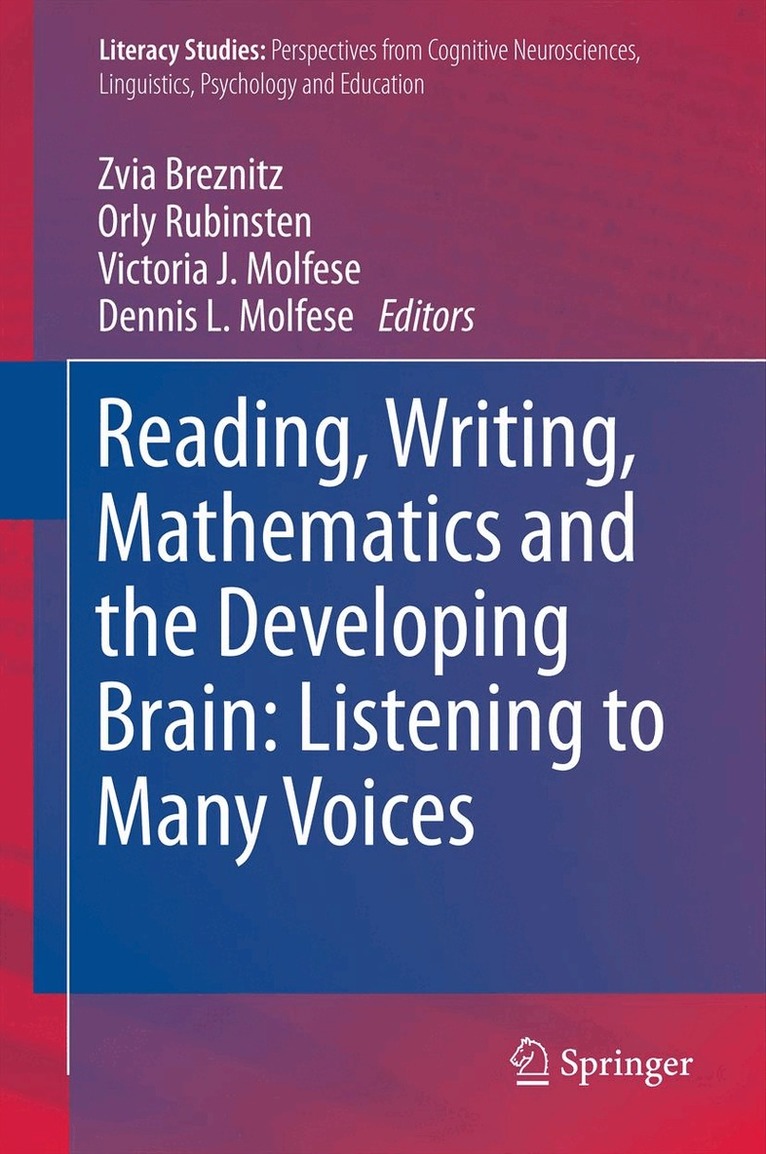
Reading, Writing, Mathematics and the Developing Brain: Listening to Many Voices
Häftad, Engelska, 2014
1 034 kr
Skickas inom 10-15 vardagar
This valuable addition to the literature offers readers a comprehensive overview of recent brain imaging research focused on reading, writing and mathematics—a research arena characterized by rapid advances that follow on the heels of fresh developments and techniques in brain imaging itself. With contributions from many of the lead scientists in this field, a number of whom have been responsible for key breakthroughs, the coverage deals with the commonalities of, as well as the differences between, brain activity related to the three core educational topics. At the same time, the volume addresses vital new information on both brain and behavior indicators of developmental problems, and points out the new directions being pursued using current advances in brain imaging technologies as well as research-based interventions. The book is also a tribute to a new Edmund, J Safra Brain center for the study of learning Disabilities at the University of Haifa-Israel.