Richard Rudnicki – illustratör
Upptäck titlar med illustrationer av Richard Rudnicki.
5 produkter
5 produkter
181 kr
Tillfälligt slut
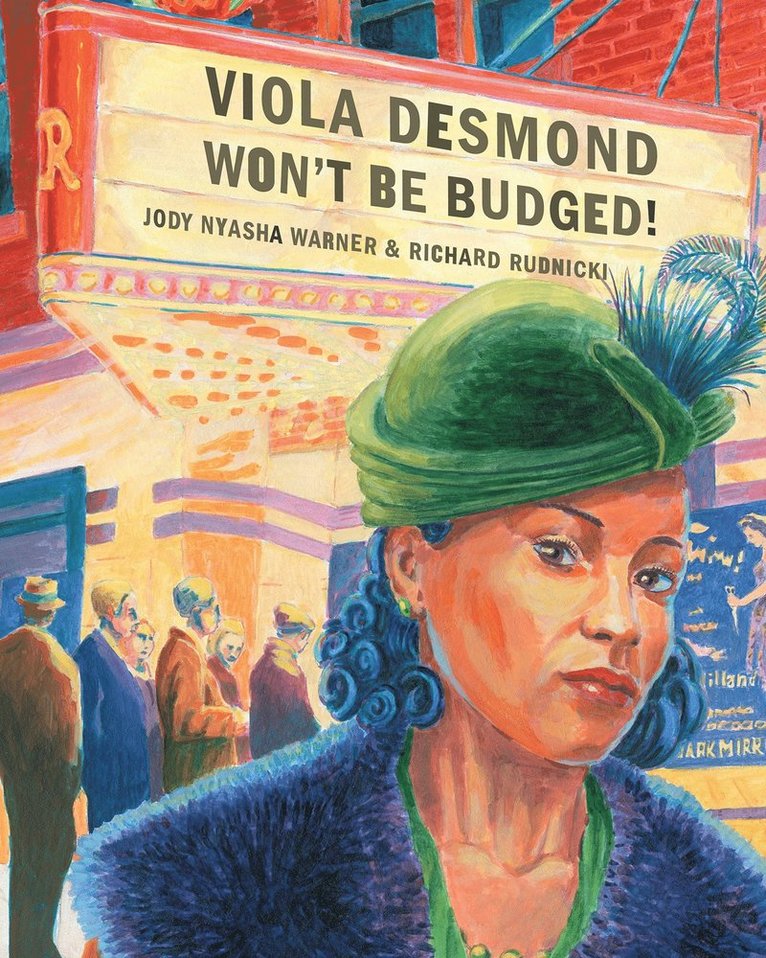
Finalist for the 2011 Norma Fleck Award for Canadian Children's Non-Fiction"On behalf of the Nova Scotia government, I sincerely apologize to Mrs. Viola Desmond’s family and to all African Nova Scotians for the racial discrimination she was subjected to by the justice system … We recognize today that the act for which Viola Desmond was arrested, was an act of courage, not an offence." -- Darrell Dexter, Premier of Nova Scotia, April 15, 2010In Nova Scotia, in 1946, an usher in a movie theatre told Viola Desmond to move from her main floor seat up to the balcony. She refused to budge. Viola knew she was being asked to move because she was black. After all, she was the only black person downstairs. All the other black people were up in the balcony. In no time at all, the police arrived and took Viola to jail. The next day she was charged and fined, but she vowed to continue her struggle against such unfair rules. She refused to accept that being black meant she couldn't sit where she wanted.Viola's determination gave strength and inspiration to her community at the time. She is an unsung hero of the North American struggle against injustice and racial discrimination whose story deserves to be widely known.The African Canadian community in Nova Scotia is one of Canada's oldest and most established black communities. Despite their history and contributions to the province the people in this community have a long experience of racially based injustice. Like Claudette Colvin and Rosa Parks, who many years later, in 1955, refused to give up their bus seats in Alabama, Desmond's act of refusal awakened people to the unacceptable nature of racism and began and process of bringing an end to racial segregation in Canada.An afterword provides a glimpse of African Canadian history.
84 kr
Skickas inom 5-8 vardagar
182 kr
Tillfälligt slut
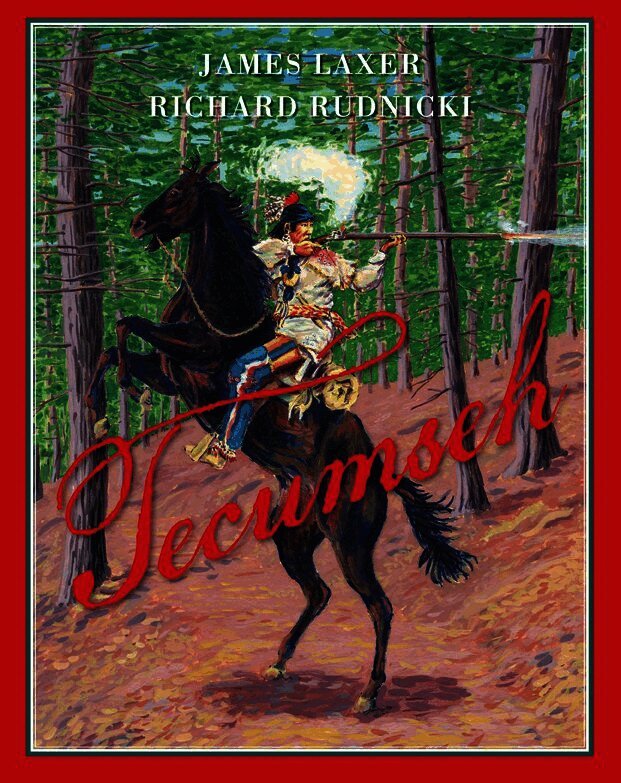
Longlisted for the Children's Literature Roundtables of Canada Information Book AwardTwo hundred years after his death, the Shawnee chief Tecumseh is still considered one of the greatest leaders of North America's First Peoples. This richly illustrated biography tells the story of his remarkable life, culminating in the War of 1812. Tecumseh, born in 1768, lived during turbulent times: the thirteen colonies revolted against British rule, becoming the United States in 1776, and settlers had begun to push westward, rapidly encroaching on the traditional lands of the First Peoples. Tecumseh realized that unless the tribes came together to form a great confederacy, they would never be able to hold onto their land. And so he began to travel great distances, encouraging many tribes to join forces with him against the Americans. On June 18, 1812, the US declared war on Great Britain. Tecumseh sided with the British, hoping to create an independent native state north of the Ohio River. He developed a magnetic friendship with Major General Isaac Brock, commander of the British troops in Upper Canada, and together they took Fort Detroit. Tecumseh and Brock agreed that one of the goals of their alliance should be to restore lands that had been taken from native peoples. But shortly afterwards Brock was killed in the Battle of Queenston Heights. Tecumseh rallied those loyal to him and fought on relentlessly, but was killed in the Battle of Moraviantown in 1813. Tecumseh's dreams were never fulfilled, but he remains a symbol of justice for the First Peoples of North America.Tecumseh will be published on the 200th anniversary of the War of 1812. The book includes an epilogue, a timeline, a glossary and maps.
152 kr
Tillfälligt slut
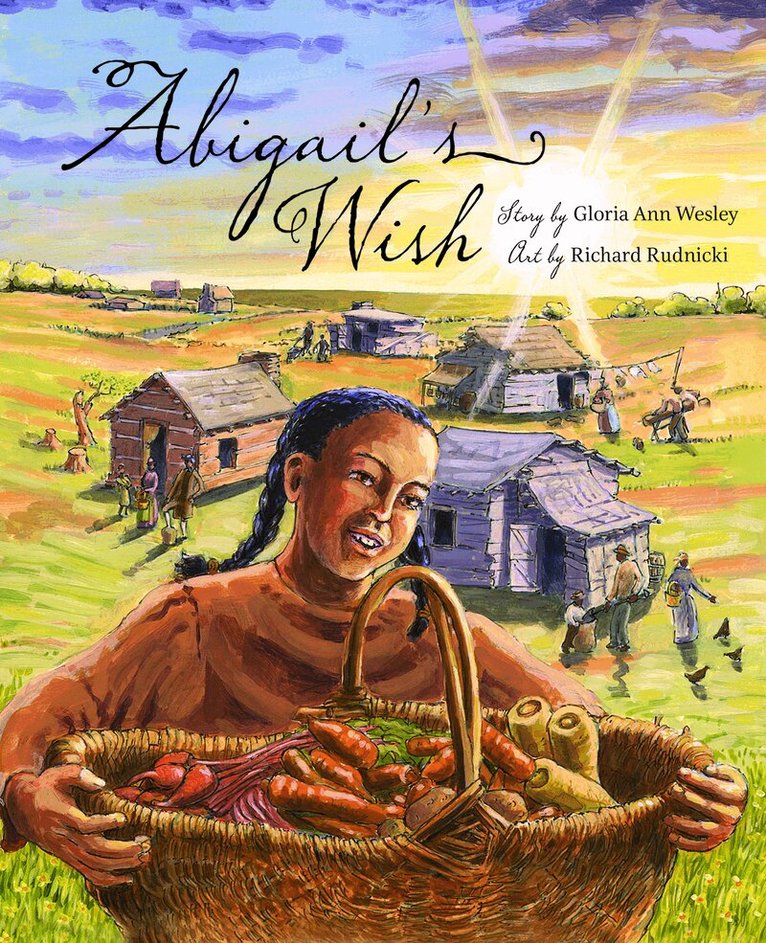
Spring. Beautiful blossoms. Chirping peepers. Trees swaying in their new greenery. Pussy willows glistening in furry white coats. Rain and warmth. New births and new beginnings...Ten-year-old Abigail Price is excited about spring in her new home in Birchtown. Spring means lots of things, like flower buds and fresh leaves and her Aunt Dinah's new baby. She's hoping it also means she'll get a new dress to wear for the celebration, but new clothing, like many things, is hard to come by. The first children's picture book set in historic Birchtown, Nova Scotia, Abigail's Wish is a window into the life of a Black Loyalist family in the early years of the historic colony. Through the eyes of young Abigail, this stunning collaboration between poet and novelist Gloria Ann Wesley and award-winning illustrator Richard Rudnicki will teach readers about Black Loyalist life, and the value of friendship and patience.
135 kr
Skickas inom 5-8 vardagar
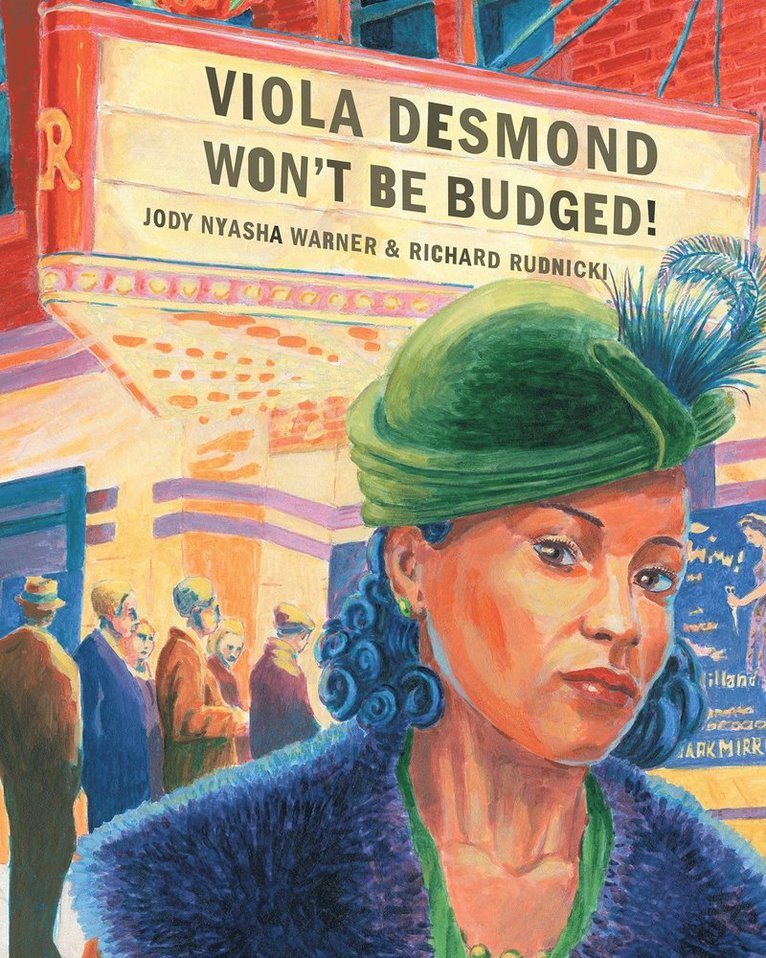
Finalist for the 2011 Norma Fleck Award for Canadian Children's Non-Fiction"On behalf of the Nova Scotia government, I sincerely apologize to Mrs. Viola Desmond’s family and to all African Nova Scotians for the racial discrimination she was subjected to by the justice system … We recognize today that the act for which Viola Desmond was arrested, was an act of courage, not an offence." -- Darrell Dexter, Premier of Nova Scotia, April 15, 2010In Nova Scotia, in 1946, an usher in a movie theatre told Viola Desmond to move from her main floor seat up to the balcony. She refused to budge. Viola knew she was being asked to move because she was black. After all, she was the only black person downstairs. All the other black people were up in the balcony. In no time at all, the police arrived and took Viola to jail. The next day she was charged and fined, but she vowed to continue her struggle against such unfair rules. She refused to accept that being black meant she couldn't sit where she wanted.Viola's determination gave strength and inspiration to her community at the time. She is an unsung hero of the North American struggle against injustice and racial discrimination whose story deserves to be widely known.The African Canadian community in Nova Scotia is one of Canada's oldest and most established black communities. Despite their history and contributions to the province the people in this community have a long experience of racially based injustice. Like Claudette Colvin and Rosa Parks, who many years later, in 1955, refused to give up their bus seats in Alabama, Desmond's act of refusal awakened people to the unacceptable nature of racism and began and process of bringing an end to racial segregation in Canada.An afterword provides a glimpse of African Canadian history.