Steve Prince – illustratör
Upptäck titlar med illustrationer av Steve Prince.
4 produkter
4 produkter
E-bok
Engelska, 2024264 kr
Läs direkt efter köp
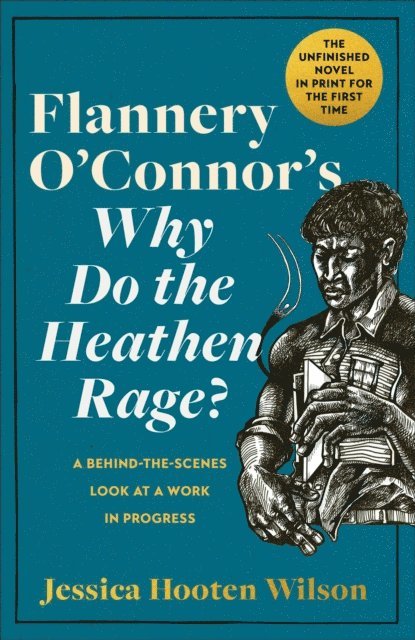
Christianity Today 2025 Award of Merit (Culture, Poetry, and the Arts)"Wilson does a great service in resurrecting one of O''Connor''s lesser-known works."--Publishers WeeklyWhen celebrated American novelist and short story writer Flannery O''Connor died at the age of thirty-nine in 1964, she left behind an unfinished third novel titled Why Do the Heathen Rage? Scholarly experts uncovered and studied the material, deeming it unpublishable. It stayed that way for more than fifty years.Until now.For the past ten-plus years, award-winning author Jessica Hooten Wilson has explored the 378 pages of typed and handwritten material of the novel--transcribing pages, organizing them into scenes, and compiling everything to provide a glimpse into what O''Connor might have planned to publish.This book is the result of Hooten Wilson''s work. In it, she introduces O''Connor''s novel to the public for the first time and imagines themes and directions O''Connor''s work might have taken. Including illustrations and an afterword from noted artist Steve Prince (One Fish Studio), the book unveils scenes that are both funny and thought-provoking, ultimately revealing that we have much to learn from what O''Connor left behind.
Inbunden, Engelska, 2024
259 kr
Skickas inom 5-8 vardagar
Christianity Today 2025 Award of Merit (Culture, Poetry, and the Arts)"Wilson does a great service in resurrecting one of O'Connor's lesser-known works."--Publishers WeeklyWhen celebrated American novelist and short story writer Flannery O'Connor died at the age of thirty-nine in 1964, she left behind an unfinished third novel titled Why Do the Heathen Rage? Scholarly experts uncovered and studied the material, deeming it unpublishable. It stayed that way for more than fifty years.Until now.For the past ten-plus years, award-winning author Jessica Hooten Wilson has explored the 378 pages of typed and handwritten material of the novel--transcribing pages, organizing them into scenes, and compiling everything to provide a glimpse into what O'Connor might have planned to publish.This book is the result of Hooten Wilson's work. In it, she introduces O'Connor's novel to the public for the first time and imagines themes and directions O'Connor's work might have taken. Including illustrations and an afterword from noted artist Steve Prince (One Fish Studio), the book unveils scenes that are both funny and thought-provoking, ultimately revealing that we have much to learn from what O'Connor left behind.
Häftad, Engelska, 2017
184 kr
Skickas inom 5-8 vardagar
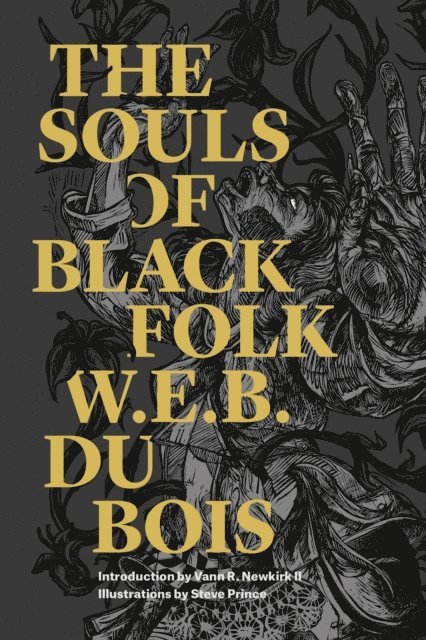
Restless Classics presents The Souls of Black Folk: W. E. B. Du Bois' seminal work of sociology, with searing insights into America's complex, corrosive obsession with race and the African-American conscience. Reconsidered for the era of Obama and #blacklivesmatter, the new edition includes an incisive introduction from rising cultural critic Vann R. Newkirk II and stunning illustrations by the artist Steve Prince.
E-bok
Engelska, 2017229 kr
Läs direkt efter köp
Restless Classics presents The Souls of Black Folk: W. E. B. Du Bois’s seminal work of sociology, with searing insights into our complex, corrosive relationship with race and the African-American consciousness. Reconsidered for the era of Obama, Trump, and Black Lives Matter, the new edition includes an incisive introduction from rising cultural critic Vann R. Newkirk II and stunning illustrations by the artist Steve Prince. Published in 1903, exactly forty years after the Emancipation Proclamation, W.E.B. Du Bois’s The Souls of Black Folk fell into the hands of an American nation that had still not yet found “peace from its sins.” With such deep disappointment among African-Americans still awaiting full emancipation, Du Bois believed that the moderate and conciliatory efforts of civil-rights leader Booker T. Washington could only go so far. Taking to the page, Du Bois produced a resounding declaration on the rights of the American man and laid out an agenda that was at the time radical but has since proven prophetic. In fourteen chapters that move fluidly between historical and sociological essays, song and poetry, personal recollection and fiction, The Souls of Black Folk frames “the color line” as the central problem of the twentieth century and tries to answer the question, “Why did God make me an outcast and a stranger in mine own house?” Striking in his psychological precision as well as his political foresight, Du Bois advanced ithe influential ideas of “double-consciousness”—an inner conflict created by the seemingly irreconcilable “black” and “American” identities—and “the veil,” through which African-Americans must see a spectrum of economic, social, and political opportunities entirely differently from their white counterparts’. Now, over fifty years after Du Bois’s death and the Civil Rights Act, we need this seminal work more urgently than ever. Long overdue for reconsideration, it is the latest installment of Restless Classics, featuring illustrations by master printmaker Steve Prince and a new introduction by Atlantic staff writer Vann R. Newkirk II.