Patientsäkerhet
395 kr
Vårdhygien är samlingsnamnet för alla de rutiner och åtgärder som görs för att minska antalet vårdrelaterade infektioner. Enligt forskning borde 30 procent eller fler av de vårdrelaterade infektionerna kunna förebyggas. Vårdhygien hamnar i fokus när spridningen av antibiotikaresistenta bakterier ökar och nya typer av samhällsfarliga epidemiska infektionssjukdomar uppstår.
I boken beskrivs de mikroorganismer som orsakar vårdrelaterade infektioner, principer för antibiotikabehandling, antibiotikaresistenta bakterier, infektionsrisker vid olika typer av behandlingar och ingrepp, förebyggande åtgärder, hur smittspridning går till inom sjukvården, åtgärder för att förhindra smitta, rutiner som ska fungera – som till exempel städning, tvätthantering och desinfektion. Vidare görs en genomgång av hur smittskydd och vårdhygien är organiserat i Sverige, av lagar och förordningar, föreskrifter och allmänna råd och slutligen vart en patient som har synpunkter eller klagomål kan vända sig.
Boken riktar sig till studerande och yrkesverksamma inom hälso- och sjukvården. Den kan med fördel även läsas av beslutsfattare inom hälso- och sjukvården, journalister och allmänhet för att ge ökad kunskap på området.
Om författarenGöran Hedin är legitimerad läkare, specialist i klinisk mikrobiologi, medicine doktor och även magister i smittskydd och vårdhygien. Han har forskat om laboratoriemetoder för att upptäcka antibiotikaresistens hos bakterier och smittspridningsvägar inom sjukvården.
Sin nuvarande yrkesroll har han inom klinisk mikrobiologi men han har även arbetat som hygienläkare, bland annat på Karolinska universitetssjukhuset, Stockholm. Inom CEN, den europeiska standardiseringsorganisationen, representerar han Sverige som specialist på desinfektionsmedel.
Sagt om boken"En god introduktion till det breda ämnet vårdhygien", menar Jon Edman Wallér, doktorand, ST-läkare i klinisk mikrobiologi och vårdhygien, i Lakartidningen.se 2021-01-18.
"Boken är ytterst genomarbetad och detaljerad. Vissa avsnitt övergår lekmannens nivå men ansatsen och bredden i framställningen i kombination med angelägenhetsgraden gör Vårdhygien till obligatorisk läsning inom vård och omsorg." Helhetsbetyg: 4. Publicerat i BTJ-häftet nr 21, 2020. Skrivet av lektör Matts Lindberg.
456 kr
474 kr
Skickas
Personalens kompetens är nyckeln för att förebygga vårdskador, minimera risker och därigenom uppnå en patientsäker verksamhet av hög kvalitet. Den här handboken ger vägledning och stöd i det viktiga patientsäkerhets- och kvalitetsarbetet. För att elevhälsans medicinska insats, EMI, ska hålla hög kvalitet och bedrivas patientsäkert krävs förståelse för uppdraget, medvetenhet om de risker som finns och god kunskap om gällande lagstiftning. Det gäller inte minst för EMI:s ledning. Att verksamheten bedrivs i enlighet med styrdokument och att klagomål och avvikelser kan undvikas eller – om de inträffar – hanteras i enlighet med författningar och lagar är av stor vikt och ett betydelsefullt uppdrag. Den här handboken ger vägledning och stöd för vårdgivare, verksamhetschefer och medicinskt ansvariga skolsköterskor och skolläkare i patientsäkerhets- och kvalitetsarbetet. Med många konkreta förslag och tips går författaren bland annat igenom hur man kan utforma ett ledningssystem, identifiera risker i verksamheten, hantera klagomål och rapportera avvikelser. Susann Magnusson är verksamhetschef inom EMI i Uddevalla, vd för LedEMI och före detta ordförande i Riksföreningen för skolsköterskor.
594 kr
Skickas
Hälso- och sjukvård ska bedrivas så att kravet på god vård uppfylls. En god vård förutsätter att vårdgivaren tillsammans med personalen strävar efter att förebygga vårdskador för att uppnå en hög patientsäkerhet. De grundläggande bestämmelserna om patientsäkerhet finns i patientsäkerhetslagen (2010:659).
I Patientsäkerhetslagen. En kommentar beskrivs innebörden och bakgrunden till bestämmelserna i patientsäkerhetslagen. Ett stort antal rättsfall redovisas för att belysa viktiga rättsfrågor och tillämpningen av lagen.
Boken riktar sig till alla som kommer i kontakt med patientsäkerhetsfrågor inom hälso- och sjukvården, t.ex. vårdgivare, hälso- och sjukvårdspersonal, kvalitetssamordnare och jurister, liksom till utbildningar för sådana yrken.
Den första upplagan skrevs av Lars-Åke Johnsson. Från och med upplaga 2 svarar Ebba Sverne Arvill och Anders Printz gemensamt för innehållet. De har tillsammans även gett ut Hälso- och sjukvårdslagen och Patientens rätt och vårdens ansvar.
5 007 kr
Läs direkt efter köp
1 418 kr
Skickas inom 10-15 vardagar
3 713 kr
Skickas inom 10-15 vardagar
948 kr
Skickas inom 10-15 vardagar
948 kr
Skickas inom 10-15 vardagar
606 kr
Skickas inom 10-15 vardagar
622 kr
Läs direkt efter köp
Of previous editions:
''... breaks new ground in its readability … It is concise, wise, and firmly pragmatic''. British Medical Journal
''Since it was first published in 1994, Peter Tate’s The Doctor’s Communication Handbook has been essential reading to improve GP registrars’ communication skills''. Practical Diabetes International
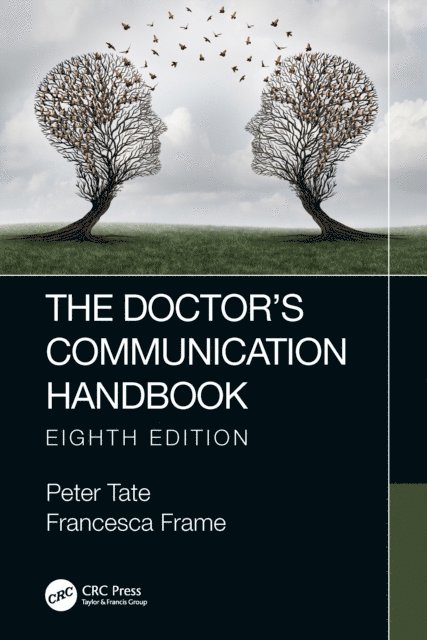
This bestselling title has established itself as the ultimate guide to patient communication for all doctors, whatever their experience and wherever they practice. Highly respected by many and acclaimed for its light, conversational tone, this completely updated and expanded eighth edition remains a key text for doctors at all levels and in all settings, particularly candidates sitting for the Membership of the Royal College of General Practitioners.
Key features:
Unique and accessible approach to this vital and frequently poorly practiced aspect of medicine
Addresses the change in practice where traditional doctor consultations are increasingly being done by other health professionals, including nurse practitioners and paramedics
Reflects the dissolution of the primary/secondary care boundary, and the increasing importance of shared responsibility for patient communication in clinical and social care
Covers the new types of consultation including telephone triage and virtual consultation and the associated risks and benefits
Retains all the features praised in previous editions − brevity, readability and humour
As patients become participants, doctors are increasingly adjusting to new roles and forms of communication − from orators and governors to confidants and interpreters. The Doctor''s Communication Handbook continues to provide an invaluable ''one stop shop'' to help students, practicing doctors, nurses and other healthcare practitioners value and improve their skills in this area.
589 kr
Läs direkt efter köp
Of previous editions:
''... breaks new ground in its readability … It is concise, wise, and firmly pragmatic''. British Medical Journal
''Since it was first published in 1994, Peter Tate’s The Doctor’s Communication Handbook has been essential reading to improve GP registrars’ communication skills''. Practical Diabetes International
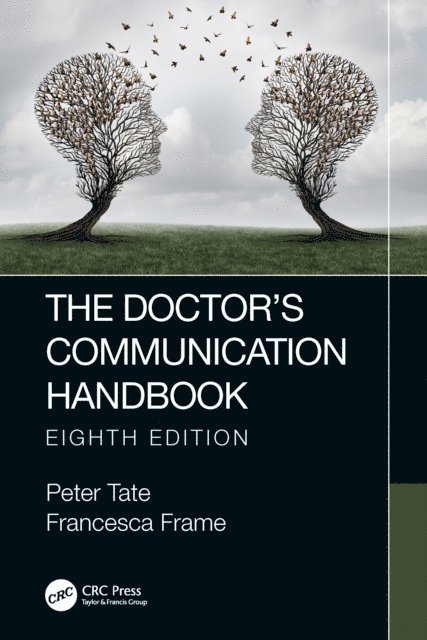
This bestselling title has established itself as the ultimate guide to patient communication for all doctors, whatever their experience and wherever they practice. Highly respected by many and acclaimed for its light, conversational tone, this completely updated and expanded eighth edition remains a key text for doctors at all levels and in all settings, particularly candidates sitting for the Membership of the Royal College of General Practitioners.
Key features:
Unique and accessible approach to this vital and frequently poorly practiced aspect of medicine
Addresses the change in practice where traditional doctor consultations are increasingly being done by other health professionals, including nurse practitioners and paramedics
Reflects the dissolution of the primary/secondary care boundary, and the increasing importance of shared responsibility for patient communication in clinical and social care
Covers the new types of consultation including telephone triage and virtual consultation and the associated risks and benefits
Retains all the features praised in previous editions − brevity, readability and humour
As patients become participants, doctors are increasingly adjusting to new roles and forms of communication − from orators and governors to confidants and interpreters. The Doctor''s Communication Handbook continues to provide an invaluable ''one stop shop'' to help students, practicing doctors, nurses and other healthcare practitioners value and improve their skills in this area.
831 kr
Läs direkt efter köp
This book is a collection of original, interdisciplinary essays on the topic of medical error. Given the complexities of understanding, preventing, and responding to medical error in ethically responsible ways, the scope of the book is fairly broad. The contributors include top scholars and practitioners working in bioethics, communication, law, medicine and philosophy. Their contributions examine preventable causes of medical error, disproportionate impacts of errors on vulnerable populations, disclosure and apology after discovering medical errors, and ethical issues arising in specific medical contexts, such as radiation oncology, psychopathy, and palliative care. They also offer practical recommendations for respecting autonomy, distributing burdens and benefits justly, and minimizing injury to patients and other stakeholders. Ethics and Error in Medicine will be of interest to a wide range of researchers, students, and practitioners in bioethics, philosophy, communication studies, law, and medicine who are interested in the ethics of medical error.
831 kr
Läs direkt efter köp
This book is a collection of original, interdisciplinary essays on the topic of medical error. Given the complexities of understanding, preventing, and responding to medical error in ethically responsible ways, the scope of the book is fairly broad. The contributors include top scholars and practitioners working in bioethics, communication, law, medicine and philosophy. Their contributions examine preventable causes of medical error, disproportionate impacts of errors on vulnerable populations, disclosure and apology after discovering medical errors, and ethical issues arising in specific medical contexts, such as radiation oncology, psychopathy, and palliative care. They also offer practical recommendations for respecting autonomy, distributing burdens and benefits justly, and minimizing injury to patients and other stakeholders. Ethics and Error in Medicine will be of interest to a wide range of researchers, students, and practitioners in bioethics, philosophy, communication studies, law, and medicine who are interested in the ethics of medical error.
814 kr
Läs direkt efter köp
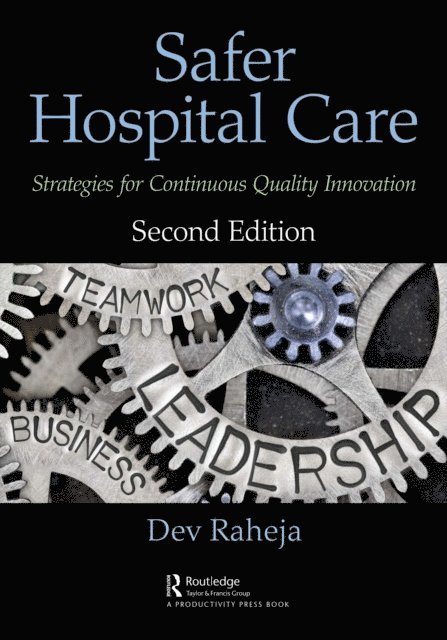
According to the National Patient Safety Foundation, about 440,000 deaths from hospital mistakes are expected in 2018. These mistakes are preventable, but the number of deaths has been increasing for the last two decades instead of decreasing. This book describes how to prevent deaths at very low cost and get very high return on investment (ROI).
The unique feature of this book is that it teaches the tools of innovation that anyone can master. It teaches healthcare staff how to manage innovation efficiently and quickly, because each patient life is critical. This second edition points out why the present methods are ineffective and shows how to find elegant solutions that are simple, comprehensive, and produce high return on investments.
The second edition contains all updated material with the addition of a new chapter on systems engineering for robust improvements, a practice that has been applied in most high-risk industries, such as aerospace, defense, and NASA, for years. It aims at redesigning systems to make sure right things, right coordination and right integration happens in healthcare systems.
814 kr
Läs direkt efter köp
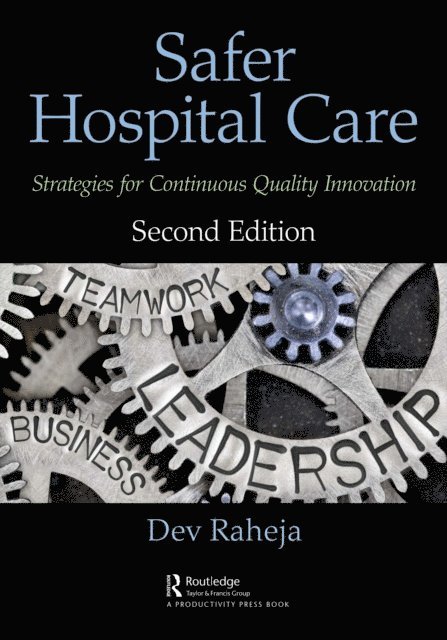
According to the National Patient Safety Foundation, about 440,000 deaths from hospital mistakes are expected in 2018. These mistakes are preventable, but the number of deaths has been increasing for the last two decades instead of decreasing. This book describes how to prevent deaths at very low cost and get very high return on investment (ROI).
The unique feature of this book is that it teaches the tools of innovation that anyone can master. It teaches healthcare staff how to manage innovation efficiently and quickly, because each patient life is critical. This second edition points out why the present methods are ineffective and shows how to find elegant solutions that are simple, comprehensive, and produce high return on investments.
The second edition contains all updated material with the addition of a new chapter on systems engineering for robust improvements, a practice that has been applied in most high-risk industries, such as aerospace, defense, and NASA, for years. It aims at redesigning systems to make sure right things, right coordination and right integration happens in healthcare systems.
520 kr
Läs direkt efter köp
Patient-centered care is a way of thinking and doing things that considers patients partners in the development of a healthcare plan designed to meet their specific needs. It involves knowledge of the individual as a person and integrates that knowledge into their plan of care.
Patient-centered care is central to the discussion of healthcare at the insurance and hospital-level. The quality of the service is evaluated more deeply from all the healthcare components, including insurance payments. It is the start of a new client- and patient-centered healthcare, which is based on a profound respect for patients and the obligation to care for them in partnership with them.
Healthcare has been lacking a strategy to teach patients how to take care of themselves as much as they possibly can. In countries with socialized healthcare, patients don’t go to the emergency room unless it is necessary; they have a physician on call instead. This affords more personalized care and avoids patients getting lost in the hospital system.
This book advocates the critical role of patients in the health system and the need to encourage healthy living. We need to educate patients on how to be more self-aware, giving them the tools to better understand what they need to do to achieve healthy lifestyles, and the protocols and policies to sustain a better life.
Prevention has always been the pinnacle of medical care. It’s time to highlight and share this approach with patients and involve them as active participants in their own healthcare. This is the method on which to build the new healthcare for the next century.
520 kr
Läs direkt efter köp
Patient-centered care is a way of thinking and doing things that considers patients partners in the development of a healthcare plan designed to meet their specific needs. It involves knowledge of the individual as a person and integrates that knowledge into their plan of care.
Patient-centered care is central to the discussion of healthcare at the insurance and hospital-level. The quality of the service is evaluated more deeply from all the healthcare components, including insurance payments. It is the start of a new client- and patient-centered healthcare, which is based on a profound respect for patients and the obligation to care for them in partnership with them.
Healthcare has been lacking a strategy to teach patients how to take care of themselves as much as they possibly can. In countries with socialized healthcare, patients don’t go to the emergency room unless it is necessary; they have a physician on call instead. This affords more personalized care and avoids patients getting lost in the hospital system.
This book advocates the critical role of patients in the health system and the need to encourage healthy living. We need to educate patients on how to be more self-aware, giving them the tools to better understand what they need to do to achieve healthy lifestyles, and the protocols and policies to sustain a better life.
Prevention has always been the pinnacle of medical care. It’s time to highlight and share this approach with patients and involve them as active participants in their own healthcare. This is the method on which to build the new healthcare for the next century.
624 kr
Läs direkt efter köp
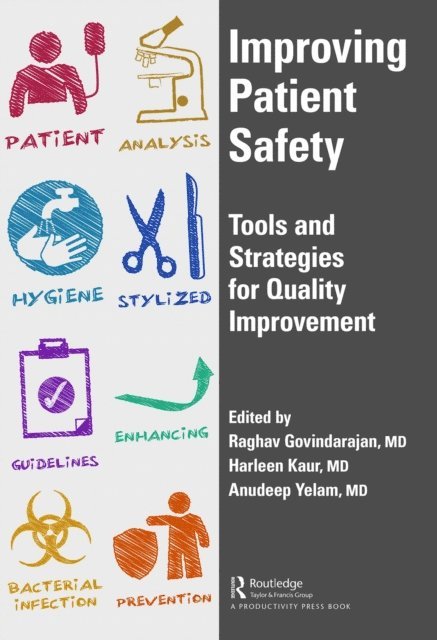
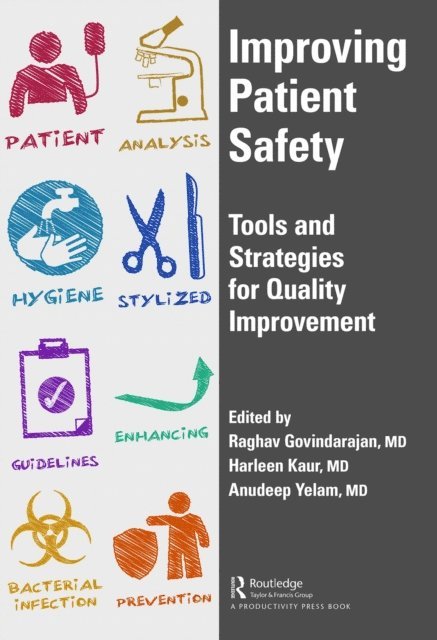
Based on the IOM''s estimate of 44,000 deaths annually, medical errors rank as the eighth leading cause of death in the U.S. Clearly medical errors are an epidemic that needs to be contained. Despite these numbers, patient safety and medical errors remain an issue for physicians and other clinicians. This book bridges the issues related to patient safety by providing clinically relevant, vignette-based description of the areas where most problems occur. Each vignette highlights a particular issue such as communication, human facturs, E.H.R., etc. and provides tools and strategies for improving quality in these areas and creating a safer environment for patients.
624 kr
Läs direkt efter köp
Based on the IOM''s estimate of 44,000 deaths annually, medical errors rank as the eighth leading cause of death in the U.S. Clearly medical errors are an epidemic that needs to be contained. Despite these numbers, patient safety and medical errors remain an issue for physicians and other clinicians. This book bridges the issues related to patient safety by providing clinically relevant, vignette-based description of the areas where most problems occur. Each vignette highlights a particular issue such as communication, human facturs, E.H.R., etc. and provides tools and strategies for improving quality in these areas and creating a safer environment for patients.
970 kr
Läs direkt efter köp
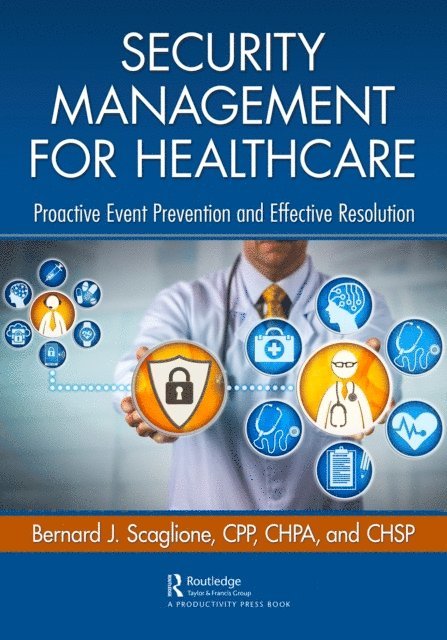
The healthcare industry is changing daily. With the advent of the Affordable Care Act and now the changes being made by the current administration, the financial outlook for healthcare is uncertain. Along with natural disasters, new diseases, and ransomware new challenges have developed for the healthcare security professional. One of the top security issues effecting hospitals today is workplace violence. People don’t usually act violently out of the blue. There are warning signs that can be missed or don’t get reported or, if they are reported, they may not be properly assessed and acted upon. Healthcare facilities need to have policies and procedures that require reporting of threatening or unusual behaviors. Having preventive policies and procedures in place is the first step in mitigating violence and providing a safe and security hospital.
Persons working in the healthcare security field need to have information and tools that will allow them to work effectively within the healthcare climate. This holds true for security as well. Security professionals need to understand their risks and work to effectively mitigate threats. The author describes training techniques that can be accomplished within a limited budget. He explains how to manage staff more efficiently in order to save money and implement strategic plans to help acquire resources within a restricted revenue environment. Processes to manage emergent events, provide risk assessments, evaluate technology and understand information technology. The future of healthcare is uncertain, but proactive prevention and effective resolution provide the resources necessary to meet the challenges of the current and future healthcare security environment.
967 kr
Läs direkt efter köp
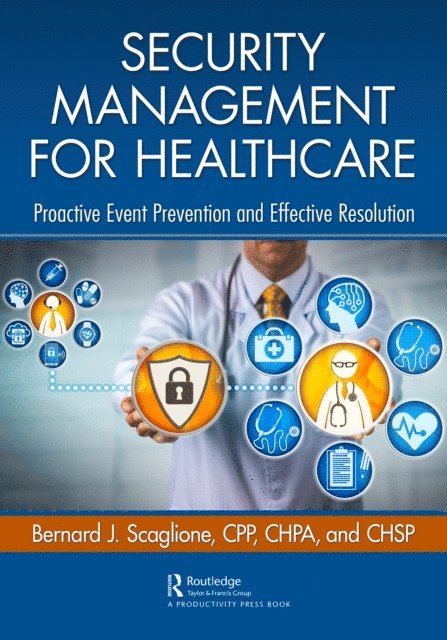
The healthcare industry is changing daily. With the advent of the Affordable Care Act and now the changes being made by the current administration, the financial outlook for healthcare is uncertain. Along with natural disasters, new diseases, and ransomware new challenges have developed for the healthcare security professional. One of the top security issues effecting hospitals today is workplace violence. People don’t usually act violently out of the blue. There are warning signs that can be missed or don’t get reported or, if they are reported, they may not be properly assessed and acted upon. Healthcare facilities need to have policies and procedures that require reporting of threatening or unusual behaviors. Having preventive policies and procedures in place is the first step in mitigating violence and providing a safe and security hospital.
Persons working in the healthcare security field need to have information and tools that will allow them to work effectively within the healthcare climate. This holds true for security as well. Security professionals need to understand their risks and work to effectively mitigate threats. The author describes training techniques that can be accomplished within a limited budget. He explains how to manage staff more efficiently in order to save money and implement strategic plans to help acquire resources within a restricted revenue environment. Processes to manage emergent events, provide risk assessments, evaluate technology and understand information technology. The future of healthcare is uncertain, but proactive prevention and effective resolution provide the resources necessary to meet the challenges of the current and future healthcare security environment.
658 kr
Läs direkt efter köp
First published in 1999, this eclectic collection of papers examines quality management in health care from a variety of standpoints. Managers, health care professionals and patients all have valid – but often differing – perspectives on the nature of quality, its creation and maintenance. This book explores these perspectives, beginning by asking such fundamental questions as ‘Is health care a business?’, ‘How should health services be designed?’ and ‘What is quality of care?’. Subsequent chapters then address the practicalities of measuring and improving health care quality. The chequered history of clinical audit is exposed in the UK (essentially the Plan-Do-Check-Act cycle familiar to quality improvement specialists), and lessons are drawn for managerial action needed to increase the impact of such activities. These lessons have wider relevance to all involved in promoting the principles of continuous quality improvement (CQI). In addition, exploration of the growing role of performance indicators raises important issues about their meaningfulness and instrumentality in effecting real change. Improving clinical quality is now at the top of the agenda for many health systems. This book reviews the challenges faced and the tools available to meet them. It should prove valuable to a wide range of health care stakeholders interested in broadening their understanding of this rapidly developing field.
658 kr
Läs direkt efter köp
First published in 1999, this eclectic collection of papers examines quality management in health care from a variety of standpoints. Managers, health care professionals and patients all have valid – but often differing – perspectives on the nature of quality, its creation and maintenance. This book explores these perspectives, beginning by asking such fundamental questions as ‘Is health care a business?’, ‘How should health services be designed?’ and ‘What is quality of care?’. Subsequent chapters then address the practicalities of measuring and improving health care quality. The chequered history of clinical audit is exposed in the UK (essentially the Plan-Do-Check-Act cycle familiar to quality improvement specialists), and lessons are drawn for managerial action needed to increase the impact of such activities. These lessons have wider relevance to all involved in promoting the principles of continuous quality improvement (CQI). In addition, exploration of the growing role of performance indicators raises important issues about their meaningfulness and instrumentality in effecting real change. Improving clinical quality is now at the top of the agenda for many health systems. This book reviews the challenges faced and the tools available to meet them. It should prove valuable to a wide range of health care stakeholders interested in broadening their understanding of this rapidly developing field.
745 kr
Läs direkt efter köp
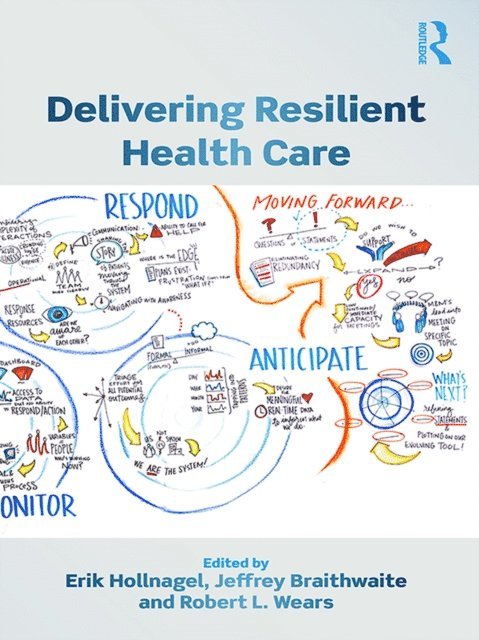
Health care is under tremendous pressure regarding efficiency, safety, and economic viability. It has responded by adopting techniques that have been useful in other industries, such as quality management, lean production, and high reliability – although with limited, and all-too-often disappointing, results. The Resilient Health Care Network (RHCN) has worked since 2011 to facilitate the interaction and collaboration among practitioners and researchers interested in applying concepts from resilience engineering to health care and patient safety. This has met with considerable success, not least because the focus from the start was on developing concrete ways to complement a Safety-I perspective with a Safety-II perspective.
Building on previous volumes, Delivering Resilient Health Care presents documented experiences and practical guidance on how to bring Resilient Health Care into practice. It provides concrete advice on how to prepare a study, how to choose the right data, how to collect it, how to analyse the data, and how to interpret the results. This fourth book in the Resilient Healthcare series contains contributions from international experts in health care, organisational studies and patient safety, as well as resilience engineering.
This book provides a practical guide for delivering resilient healthcare, particularly for clinicians on the frontline of care unsure how to incorporate resilience into their everyday work, managers coordinating care, and for policymakers hoping to steer the system in the right direction. Other groups – patients, the media, and researchers – will also find much of interest here.
745 kr
Läs direkt efter köp
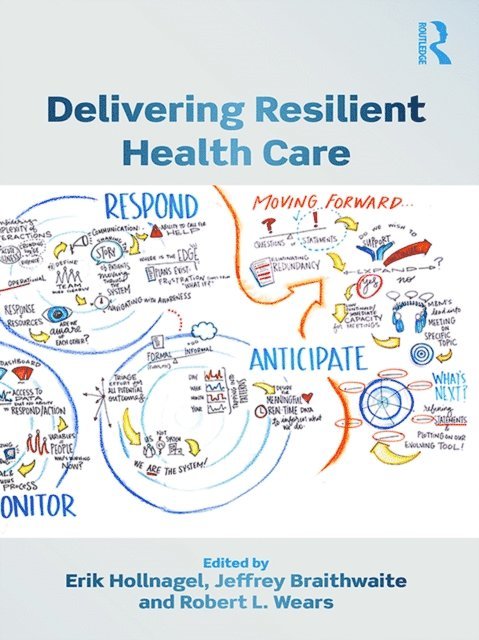
Health care is under tremendous pressure regarding efficiency, safety, and economic viability. It has responded by adopting techniques that have been useful in other industries, such as quality management, lean production, and high reliability – although with limited, and all-too-often disappointing, results. The Resilient Health Care Network (RHCN) has worked since 2011 to facilitate the interaction and collaboration among practitioners and researchers interested in applying concepts from resilience engineering to health care and patient safety. This has met with considerable success, not least because the focus from the start was on developing concrete ways to complement a Safety-I perspective with a Safety-II perspective.
Building on previous volumes, Delivering Resilient Health Care presents documented experiences and practical guidance on how to bring Resilient Health Care into practice. It provides concrete advice on how to prepare a study, how to choose the right data, how to collect it, how to analyse the data, and how to interpret the results. This fourth book in the Resilient Healthcare series contains contributions from international experts in health care, organisational studies and patient safety, as well as resilience engineering.
This book provides a practical guide for delivering resilient healthcare, particularly for clinicians on the frontline of care unsure how to incorporate resilience into their everyday work, managers coordinating care, and for policymakers hoping to steer the system in the right direction. Other groups – patients, the media, and researchers – will also find much of interest here.
675 kr
Läs direkt efter köp
674 kr
Läs direkt efter köp
210 kr
Skickas inom 5-8 vardagar
1 204 kr
Skickas inom 10-15 vardagar