50 Years - Böcker
Visar alla böcker i serien 50 Years. Handla med fri frakt och snabb leverans.
6 produkter
6 produkter
127 kr
Tillfälligt slut
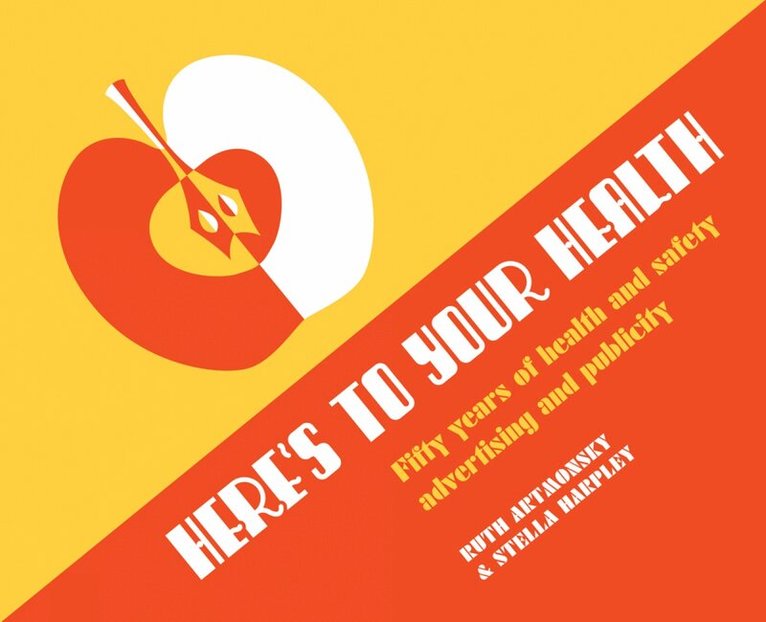
Through the ages, people have been bombarded with advice, direction or hard selling on ways to keep safe and sound - some of this underpinned by 'science', some just common sense, and some sheer quackery. Here's to Your Health, with its focus on advertising, covers just a sample of such cajoling taking place in the first half of the 20th century - what to eat and drink, what to wear, what to use, how to behave - or not behave. It is a tale of fashionable fads, human suggestibility and social history.Also available:Art For the Ear ISBN 9780957387577Unashamed Artists ISBN 9780957387522
123 kr
Tillfälligt slut
Twopence Plain, Penny Coloured charts the way furniture has been sold to the British public for some 50 years - from the 1920s to the 1960s - from days when furniture was still being piled on the pavement in front of a workshop in the East End of London, to the heady days of experiencing a whole new life-style by a visit to Conran's. It covers the ever more splendid buildings in which manufacturers made and sold their wares, each competing with the others in terms of acreage covered and grandeur of facades; the special exhibitions in which the latest designs were put on show; the use of catalogues and leaflets - from single sheets to compendiums of hundreds of pages; and the use of press and hoarding advertising. The title 'Twopence Plain, Penny Coloured' is taken from a lecture at the Royal Society of Arts and refers to the constant battle, over the period covered by the book, between well-designed and well-constructed largely unadorned furniture made from good quality materials - consequently expensive - and mass-manufactured, frequently 'period' ornamented furniture, cheaply veneered and cheap to buy.
127 kr
Tillfälligt slut
The mid-20th century brought about an advertising renaissance in the western world. Technology boomed. Standards of living increased, innovation abounded, and 'luxury' consumer products such as TVs, fridges and gas heating became readily available to the public. In order to sell them, ads needed to be as quirky and appealing as the new commodities themselves. This compact yet comprehensive book, written by an experienced design historian, explores the hand-in-hand development of advertisement and the many household amenities that we take for granted today.This book began its life as an offshoot of another, also written by Ruth Artmonsky, but focusing on the advertising of furniture. Her research led her to discover the expansive genre of domestic appliance advertising - not relevant to her book, but more than interesting enough to merit a new text in its own right. Adverts that caught Ruth's eye include "an advertisement for a gas iron, and a rare one of a man admitting he might be able to do the laundry when the house purchased a washing machine." Discover all this and more in Powering the Home.
127 kr
Tillfälligt slut
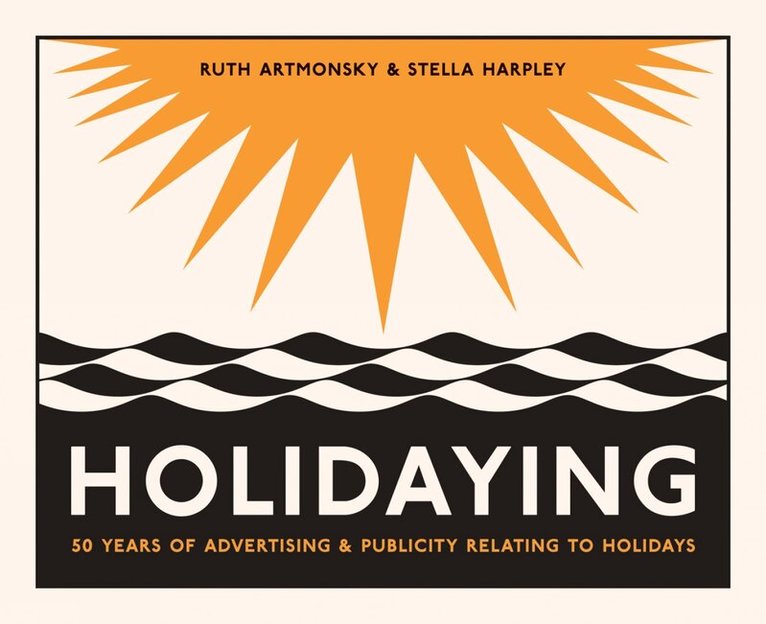
Holidaying was something only the wealthy could afford, well into the 19th century, visiting spas or taking the Grand Tour. With the coming of the railways whole factories, streets, even towns began to down tools for an annual break; with entrepreneurs like Thomas Cook, some even venturing across the Channel. The arrival of the combustion engine further democratised travel enabling some to holiday independently, others in organised charabancs and coach parties. By the end of WWII with the coming of cheap flights Marbella and Majorca began to replace the British resorts. Providing holidays became a highly competitive business between resorts and tour operators and this necessitated advertising. Holidaying is an account of this, richly illustrated to show the changes in fads and fashions when holidaying reached a mass market.
127 kr
Tillfälligt slut
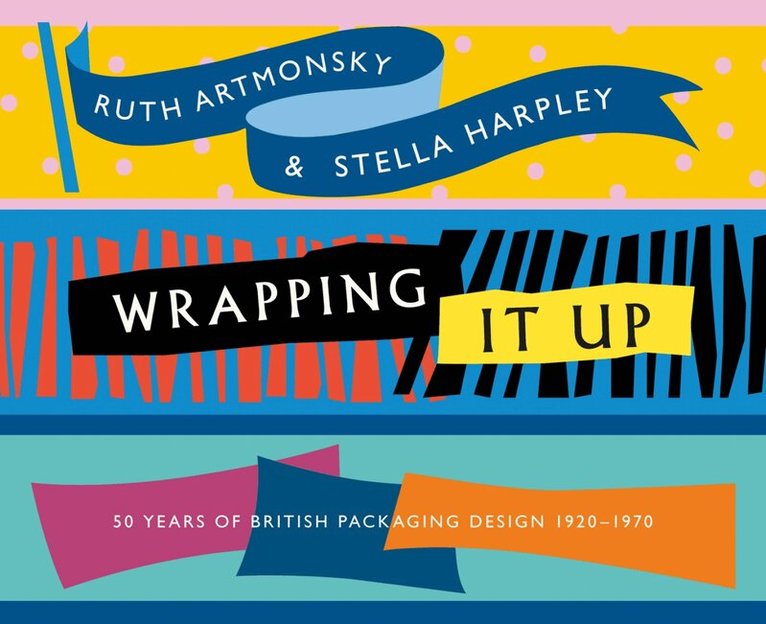
Packaging is something of a hot topic at the moment, but in our eagerness to get rid of as much of it as possible we need to be careful not to throw the baby out with the bath water. Wrapping It Up gives an account of the usefulness of packaging to all involved - manufacturer, wholesaler, retailer and consumer - beyond its commercial value as a marketing and advertising tool. Homage is paid to the many graphic artists and designers - whether employed by manufacturer or retailer, by a design studio or an advertising agency - whose ingenuity was so successfully applied to the problem of how to protect goods in transit and in storage as well as having them attract attention. A visit to a super-market or a daily check in kitchen cupboards will never be quite the same.
135 kr
Tillfälligt slut
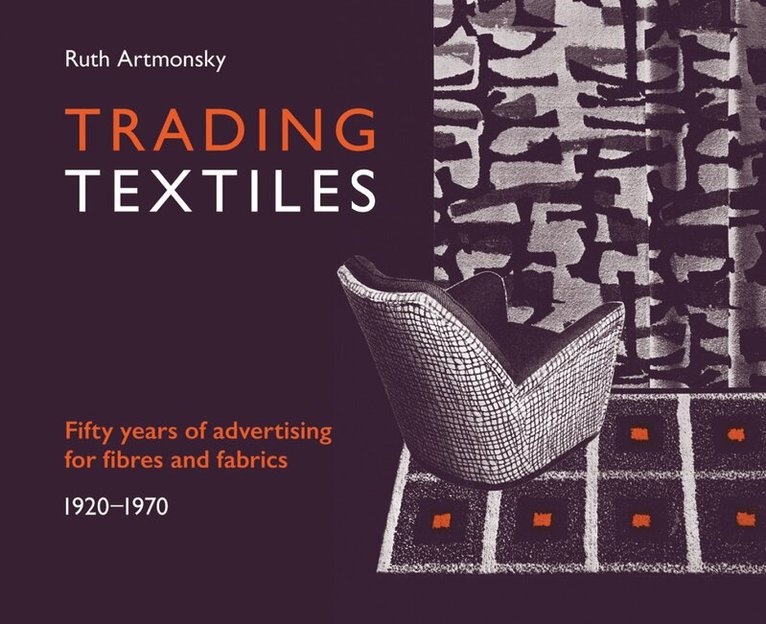
The focus of the plethora of books on British textiles has largely been on their design and designers; relatively little has been written on the marketing of the products. Trading Textiles whilst making reference to the many avenues and methods for selling fibres and fabrics focussed on press advertising whereby manufacturers not only showed off a product, a brand, but intentionally or unintentionally provided potential buyers with an image of the company itself. Although, eventually, as with so many industries in the 20th century, companies that originally built their reputation on one line — a particular fibre or textile or stage of production — conglomerates came to offer comprehensive ranges. Trading Textiles compares the different styles of advertising of firms driven by design, those science based, those focussed on furnishings, and others relating to fashion. Covering mid-20th century textile advertising the book not only illustrates what was happening in graphic design generally but the changing character of the textile industry itself.