Advances in Technology-Rich Science Education - Böcker
Visar alla böcker i serien Advances in Technology-Rich Science Education. Handla med fri frakt och snabb leverans.
5 produkter
5 produkter
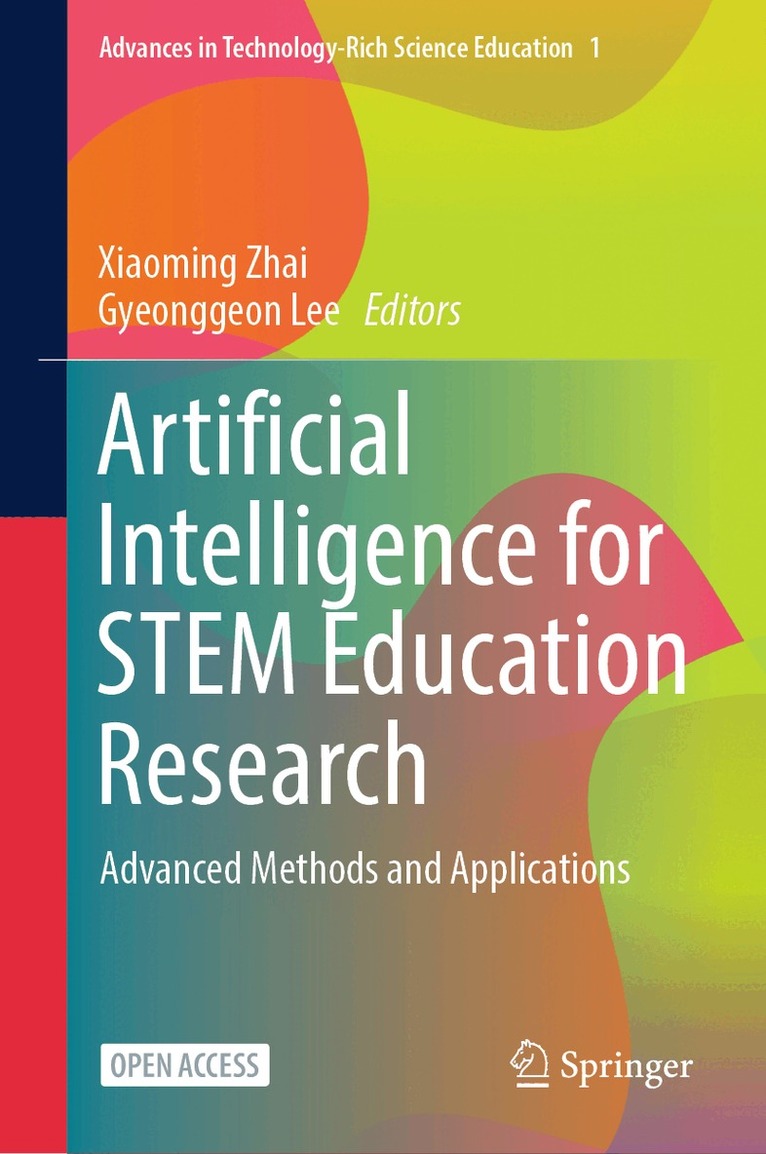
Artificial Intelligence for STEM Education Research
Advanced Methods and Applications
Inbunden, Engelska, 2026
870 kr
Skickas inom 3-6 vardagar
This open access volume explores the transformative use of Artificial Intelligence (AI) as innovative methodologies in STEM education research. Featuring contributions from leading experts, it presents a rich collection of chapters that examine how AI tools—such as adaptive learning systems, automatic scoring, explainable AI, and intelligent tutoring—can be applied to enhance educational outcomes. Designed for researchers, educators, and graduate students, the book provides in-depth insights into AI as cutting-edge research methods and its potential to revolutionize research practices. Through practical examples, case studies, and methodological details, it serves as an essential resource for those looking to push beyond conventional methods and embrace the possibilities offered by AI in educational research.
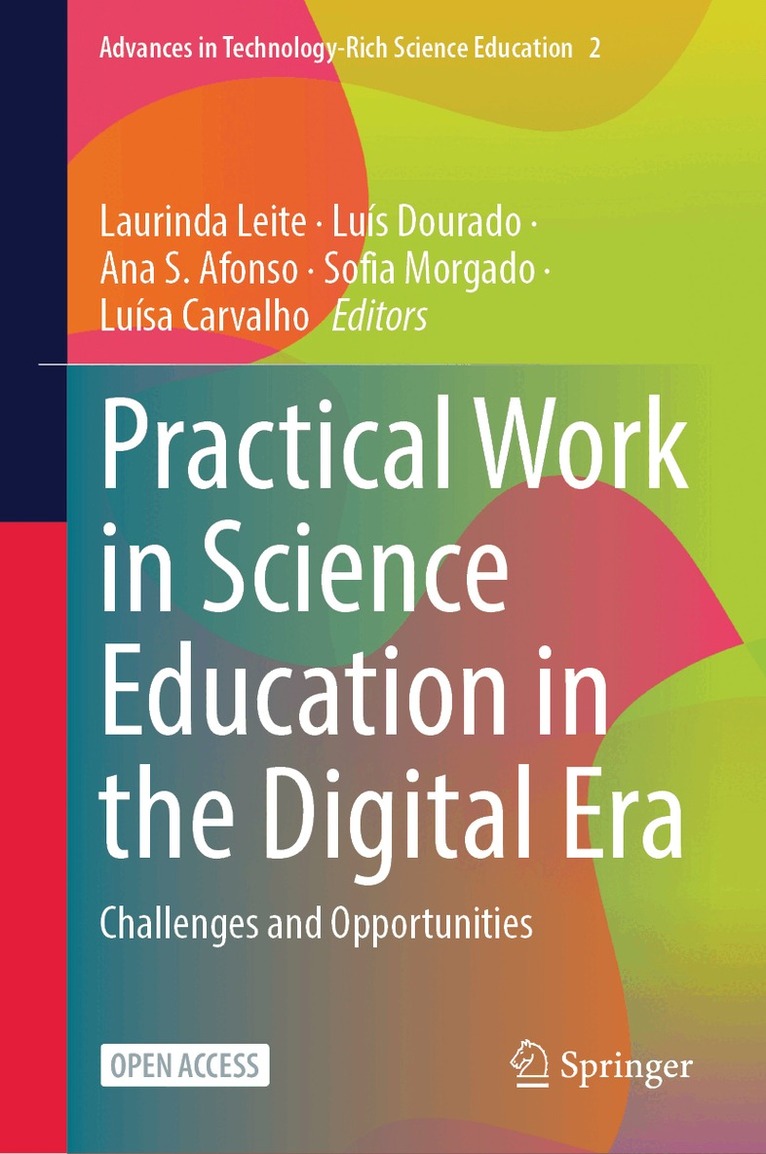
Practical Work in Science Education in the Digital Era
Challenges and Opportunities
Inbunden, Engelska, 2026
571 kr
Kommande
This Open Access volume presents a comprehensive and updated vision of practical work, aligned with 21st-century digital challenges and competency demands. It explores a wide range of issues related to both physical and digital practical work, highlighting the strengths and limitations of various approaches. The book emphasizes that digital practical work should complement, not replace, physical practical work to maximize student learning. It also addresses emerging issues related to artificial intelligence, safety, ethics, and inclusivity in practical work, and discusses the implications for teacher education and student assessment.By offering an in-depth view of practical work, this book serves as a valuable resource for those involved in science education research, educational policy, STEM education, and science teacher education. It provides an overview of key issues in using and assessing physical and digital practical work, ensuring adherence to best ethical practices.
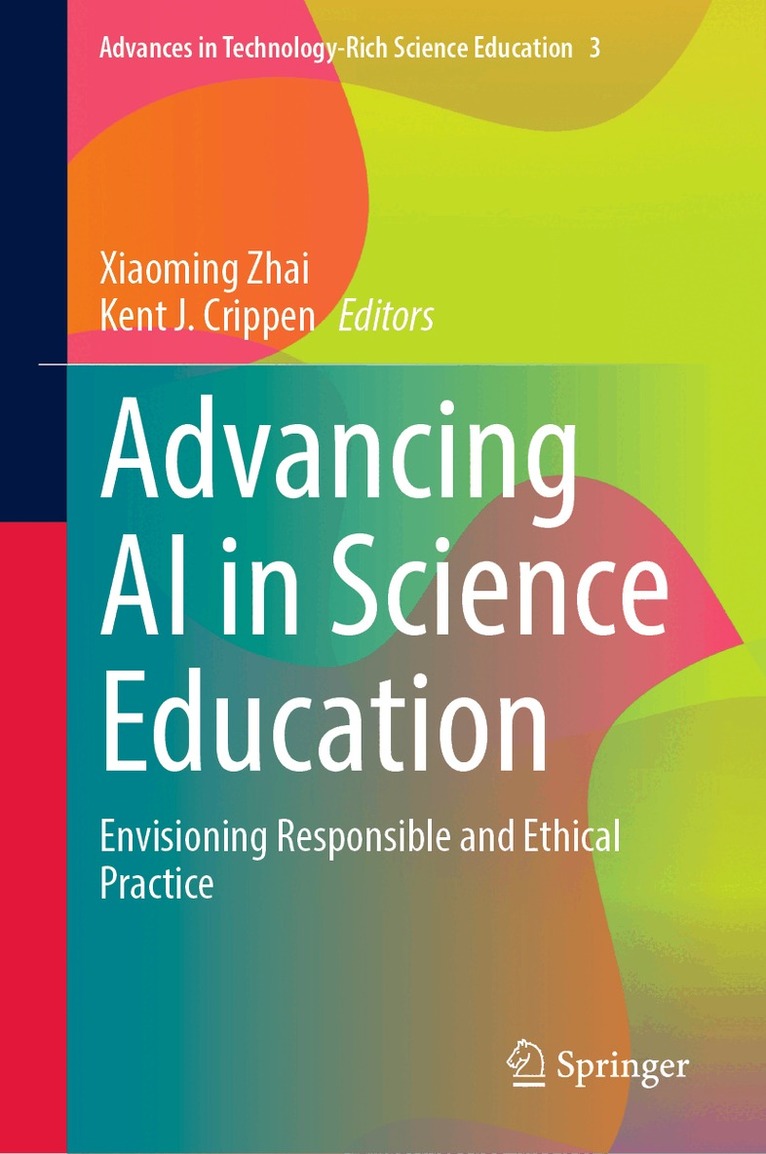
Advancing AI in Science Education
Envisioning Responsible and Ethical Practice
Inbunden, Engelska, 2026
2 024 kr
Kommande
This edited volume explores the responsible and ethical integration of artificial intelligence (AI) science education, examining its impact on teaching, learning, assessment, and broader educational goals. It begins by mapping the current landscape of AI in science classrooms and the ethical questions surrounding its use. The chapters highlight how AI can advance science literacy, inspire creative student engagement, and transform instructional practices, including teacher professional development and the design of learning materials. The book also investigates AI-driven assessment strategies, addressing challenges such as bias and fairness. Ultimately, it considers how AI is reshaping science education, preparing both students and educators to navigate an AI-infused world with responsibility, equity, and critical awareness.
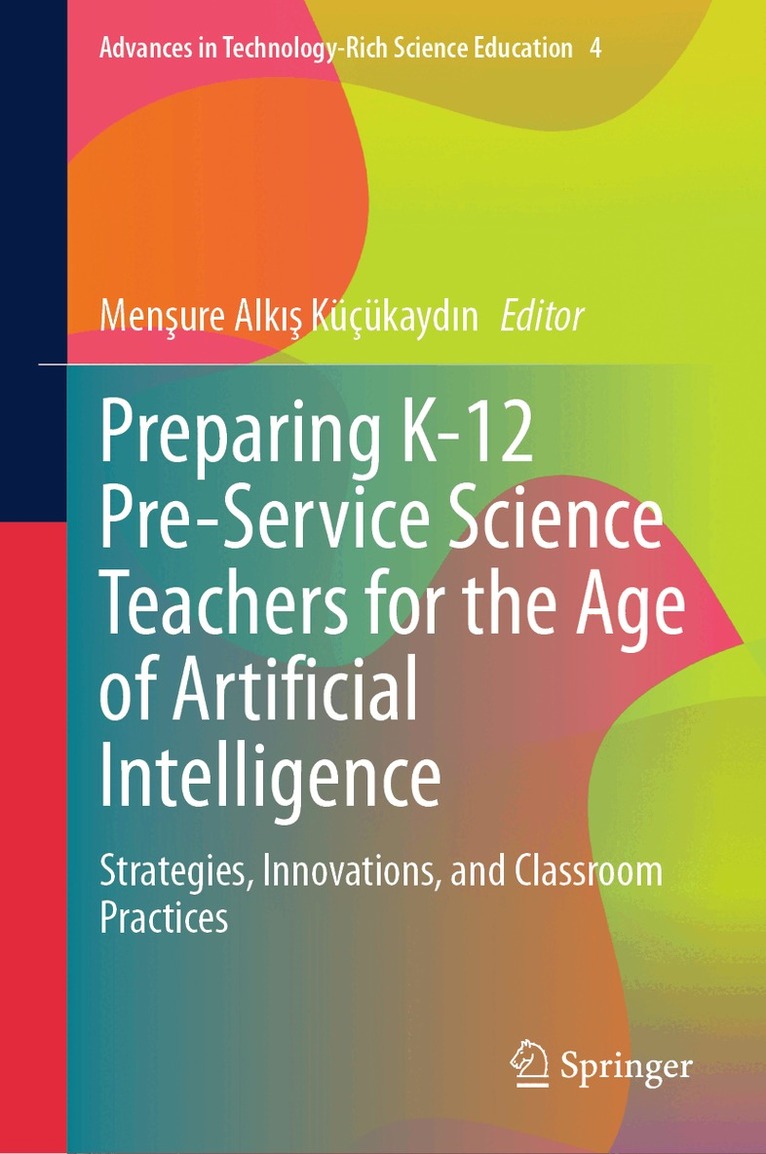
Preparing K-12 Pre-Service Science Teachers for the Age of Artificial Intelligence
Strategies, Innovations, and Classroom Practices
Inbunden, Engelska, 2026
2 636 kr
Kommande
This edited volume provides a comprehensive guide to the effective and meaningful integration of AI technologies in science education. Designed for K-12 pre-service science teachers, it explores how AI-supported instructional practices can reshape science lessons, enhance pedagogical approaches, and redefine future learning environments. While AI in education is widely studied, few academic resources offer a holistic view of its theoretical foundations, classroom applications, and long-term implications—particularly in science education. Addressing this gap, this book serves as an essential reference for educators, researchers, policymakers, and content developers. It offers practical insights, evidence-based strategies, and future perspectives to equip pre-service science teachers with the knowledge and tools needed to harness AI in their classrooms, transforming teaching and learning in the digital age.
2 712 kr
Kommande
This edited volume explores how artificial intelligence (AI) is transforming science education across multiple dimensions—including theoretical, pedagogical, ethical, and practical aspects. Aimed at science educators, curriculum developers, researchers, and policymakers, the book brings together 19 chapters authored by experts in science education, educational technology, and artificial intelligence. The book addresses a growing need for educational innovation in the age of AI, offering both conceptual insights and hands-on strategies to integrate AI tools into science teaching, learning, assessment, and teacher education. It introduces foundational AI concepts relevant to educational contexts, highlights prompt writing and engineering as emerging pedagogical skills, and discusses the ethical implications of AI use in classrooms. Key topics include the development of adaptive and data-driven learning environments, the role of AI in teaching the Nature of Science, and the integration of AI-supported tools to foster 21st-century competencies such as creativity, argumentation, data literacy, and scientific process skills. The book also presents AI-enhanced instructional strategies—ranging from flipped learning to drama-based science teaching—and showcases sample lesson plans suitable for K-12 and higher education contexts. By combining evidence-based research with application-focused examples, this book aims to support educators and decision-makers in navigating the rapidly evolving landscape of AI in education. It offers actionable insights to help stakeholders make informed decisions and design future-ready science education experiences. This volume is particularly relevant as science educators and systems worldwide grapple with how best to prepare students for an AI-augmented future. It provides a structured, interdisciplinary framework to harness AI’s potential while addressing associated pedagogical and ethical challenges.