Kent J. Crippen – författare
Visar alla böcker från författaren Kent J. Crippen. Handla med fri frakt och snabb leverans.
3 produkter
3 produkter
Inbunden, Engelska, 2026
1 782 kr
Skickas inom 10-15 vardagar
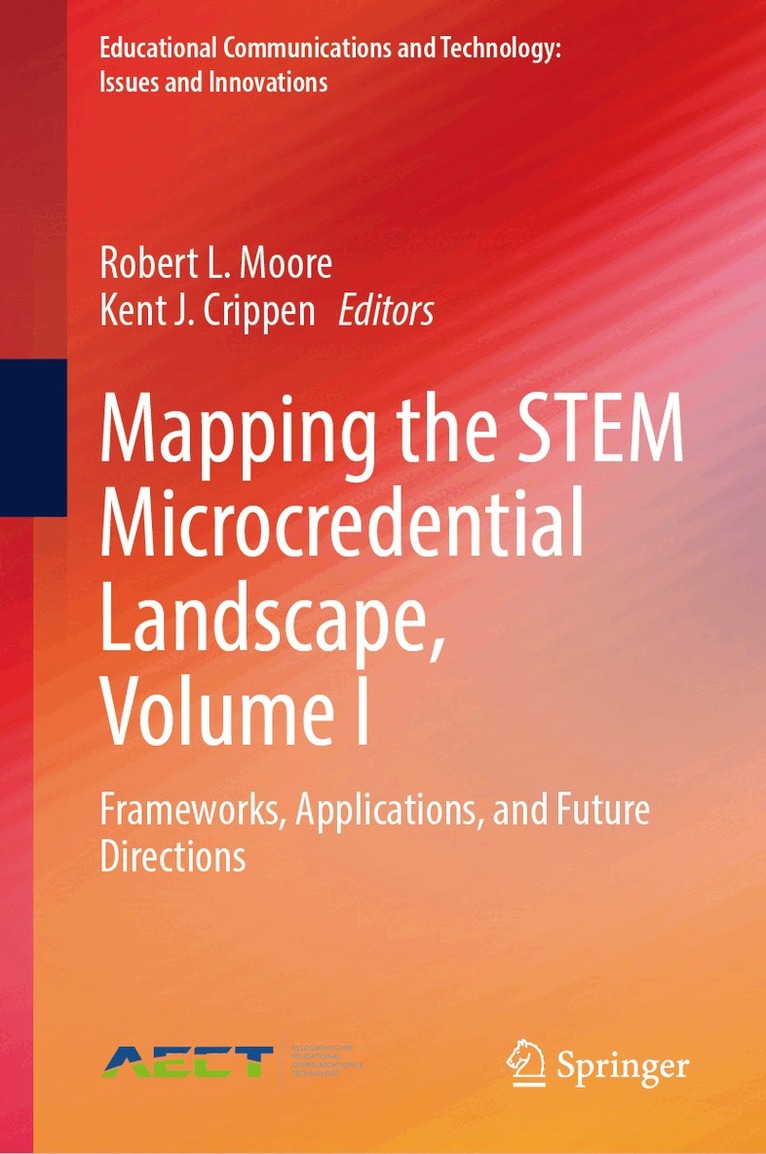
This edited volume offers a foundational exploration of the STEM microcredential landscape. Bringing together educators, researchers, policymakers, and industry leaders, the chapters in this volume demonstrate the flexibility and targeted nature of STEM microcredentials, meeting the demands of a rapidly evolving job market through competency-based learning. It examines the intricate relationships between learners, higher education institutions, and the workforce through sections focused on an overview, frameworks, and topic studies. By delving into the foundational theories and current practices, this volume sets the stage for the practical case studies and future-oriented discussions presented in Volume II, providing a comprehensive look at the STEM microcredential landscape.
Inbunden, Engelska, 2026
1 834 kr
Skickas inom 10-15 vardagar
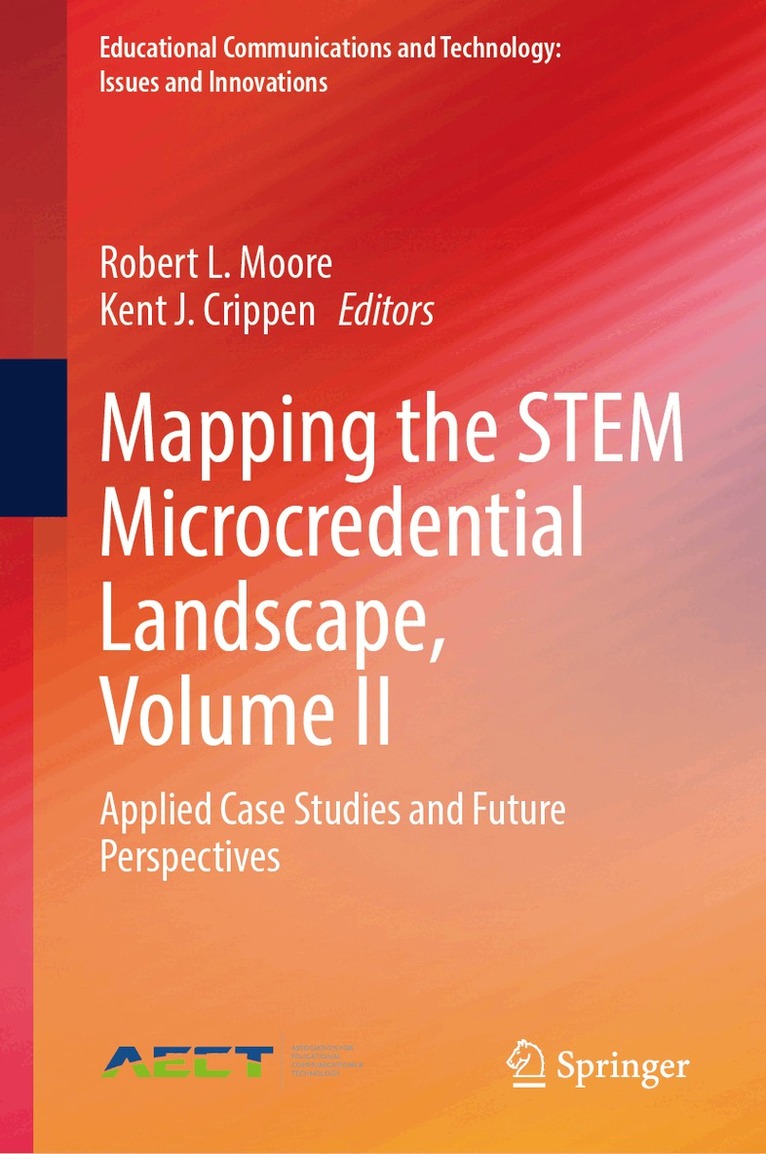
This edited volume builds on the foundational insights from Volume I, delving into specific case studies that highlight the practical implementation of STEM microcredentials across various contexts. With sections focused on educators and non-educators, this volume offers an in-depth look at real-world applications. Readers will gain practical insights and strategies illustrating how microcredentials can be effectively developed, implemented, and recognized. This volume equips readers with the knowledge and tools to navigate the world of microcredentials, supporting their educational and career aspirations. By connecting theory with practice, Volume II enhances the understanding of the potential and challenges of STEM microcredentials, offering a complete resource for navigating the evolving landscape of targeted, competency-based education.
Inbunden, Engelska, 2026
1 878 kr
Skickas inom 5-8 vardagar
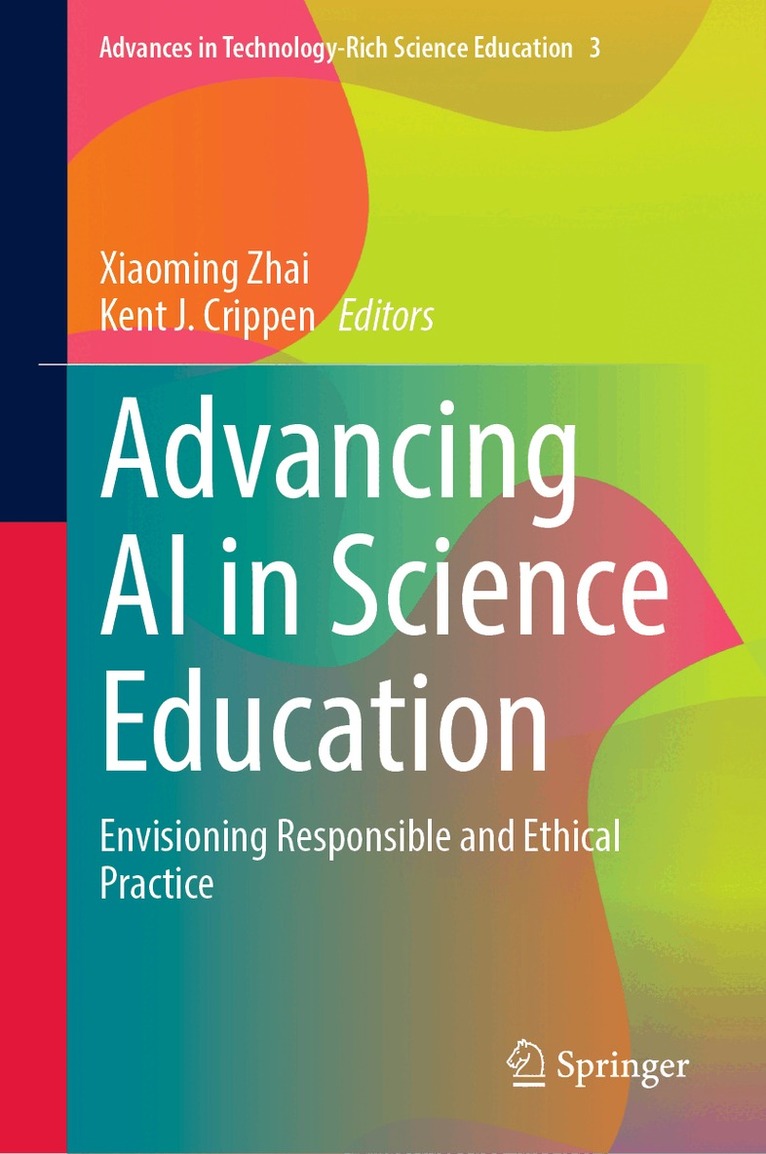
This edited volume offers a timely, domain-specific examination of how artificial intelligence (AI) is reshaping the foundations of science teaching and learning. As AI transforms scientific work, societal expectations, and the skills future citizens need, science education stands at a pivotal crossroads. This book highlights the major shifts AI is driving—redefining educational goals, reshaping classroom procedures, expanding learning materials, enabling dynamic assessment, and altering the competencies students must develop to thrive in an AI-driven world of scientific inquiry and decision-making.Through critical analysis and vivid examples from core scientific practices, the authors reveal AI’s dual capacity to enrich and complicate science education. AI offers unprecedented personalization, efficiency, and access to authentic scientific practices, yet also raises concerns around fairness, transparency, privacy, accountability, and the preservation of human judgment. To navigate these tensions, this book introduces the Responsible and Ethical Principles (REP) framework, an action-oriented lens for guiding design, use, and governance that ensures AI advances equity, scientific integrity, and democratic participation. Scholars demonstrate how REP principles inform ethical goals, inclusive materials, trustworthy assessments, and transformative learning outcomes, sometimes constraining as well as enabling AI use as a partner rather than a replacement.Ultimately, Advancing AI in Science Education argues that even as AI reshapes schooling, science education must remain fundamentally human. Empathy, creativity, ethical judgment, and shared meaning-making within scientific communities anchor responsible AI-supported learning and guide an equitable, human-centered future for science education.