Xiaoming Zhai – författare
Visar alla böcker från författaren Xiaoming Zhai. Handla med fri frakt och snabb leverans.
6 produkter
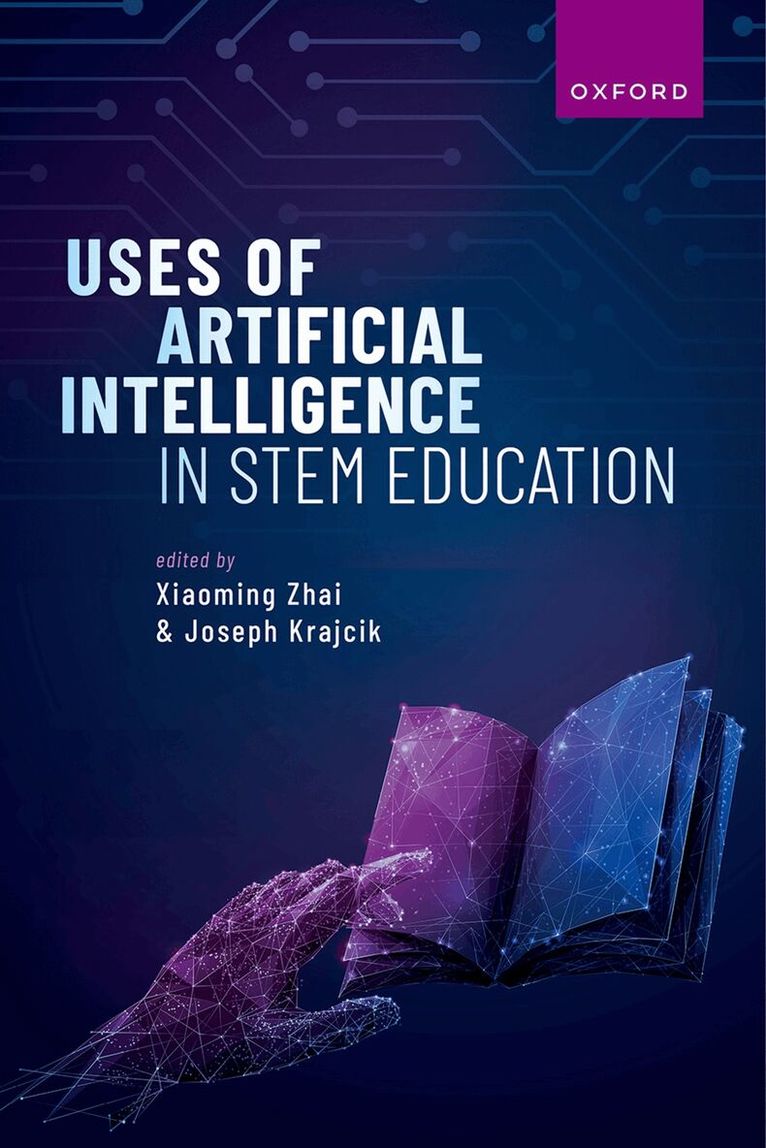
Uses of Artificial Intelligence in STEM Education
Av Xiaoming Zhai, Joseph Krajcik
Inbunden, 2024
1739 kr
Lägg i varukorg
In the age of rapid technological advancements, the integration of Artificial Intelligence (AI), machine learning (ML), and large language models (LLMs) in Science, Technology, Engineering, and Mathematics (STEM) education has emerged as a transformative force, reshaping pedagogical approaches and …
Uses of Artificial Intelligence in STEM Education
Av Joseph Krajcik, Xiaoming Zhai
E-bok, 2024
1782 kr
Lägg i varukorg
In the age of rapid technological advancements, the integration of Artificial Intelligence (AI), machine learning (ML), and large language models (LLMs) in Science, Technology, Engineering, and Mathematics (STEM) education has emerged as a transformative force, reshaping pedagogical approaches and …
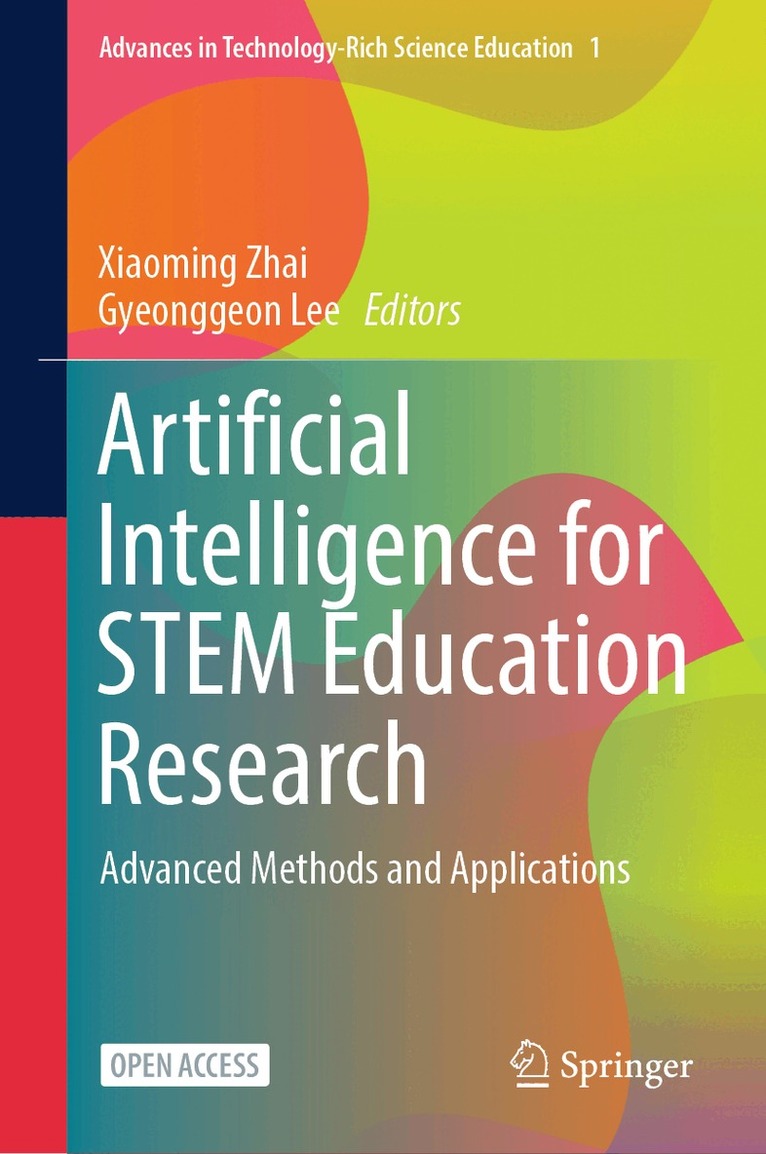
Artificial Intelligence for STEM Education Research
Advanced Methods and Applications
Av Xiaoming Zhai, Gyeonggeon Lee
Inbunden, 2026
552 kr
Lägg i varukorg
This open access volume explores the transformative use of Artificial Intelligence (AI) as innovative methodologies in STEM education research. Featuring contributions from leading experts, it presents a rich collection of chapters that examine how AI tools—such as adaptive learning systems, …
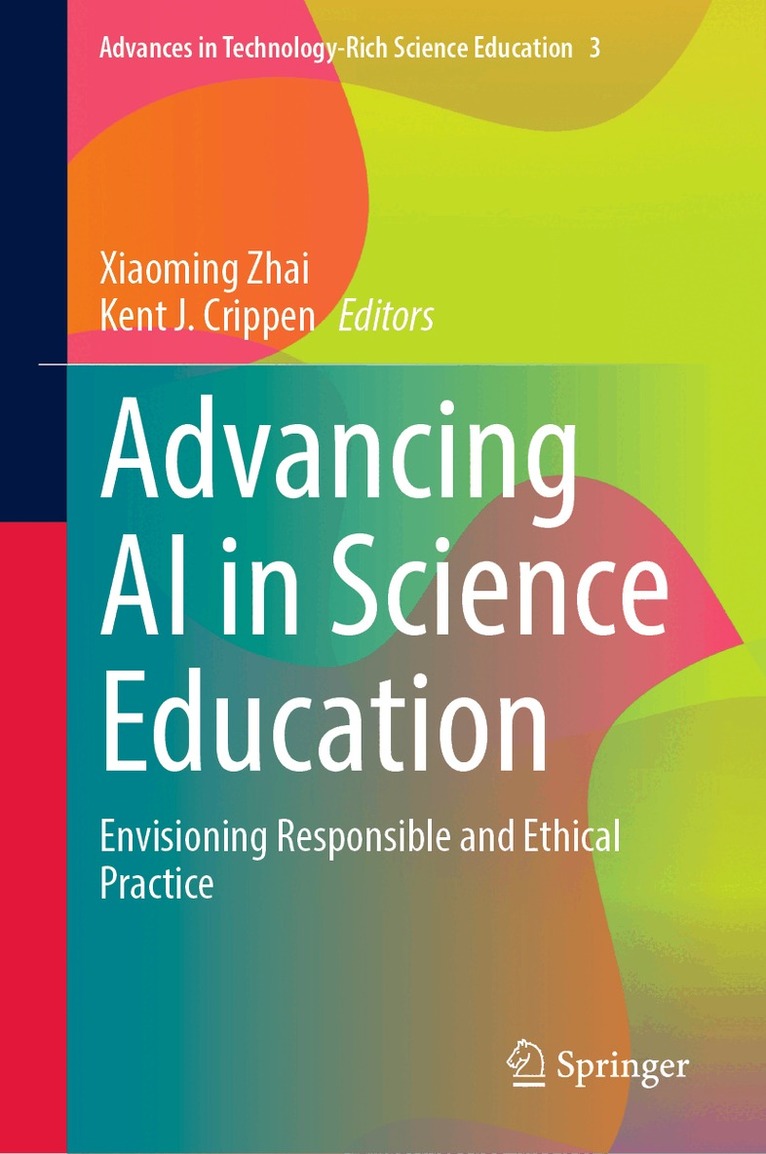
Advancing AI in Science Education
Envisioning Responsible and Ethical Practice
Av Xiaoming Zhai, Kent J. Crippen
Inbunden, 2026
1915 kr
Lägg i varukorg
This edited volume offers a timely, domain-specific examination of how artificial intelligence (AI) is reshaping the foundations of science teaching and learning. As AI transforms scientific work, societal expectations, and the skills future citizens need, science education stands at a pivotal …
Advancing AI in Science Education
Envisioning Responsible and Ethical Practice
Av Kent J. Crippen, Xiaoming Zhai
E-bok, 2026
2526 kr
Lägg i varukorg
This edited volume offers a timely, domain-specific examination of how artificial intelligence (AI) is reshaping the foundations of science teaching and learning. As AI transforms scientific work, societal expectations, and the skills future citizens need, science education stands at a pivotal …
Teaching and Learning in the Era of Generative AI
Av Xiaoming Zhai, Ehsan Latif m. fl.
Inbunden, 2026
2083 kr
Kommande
This edited volume showcases how generative AI—especially large language and multimodal models—is revolutionizing education. Discover how these technologies personalize learning, spark creativity, and transform assessment, while addressing critical issues of trust, ethics, and fairness. Featuring …