Advances in the Cognitive Science of Religion – serie
Visar alla böcker i serien Advances in the Cognitive Science of Religion. Handla med fri frakt och snabb leverans.
6 produkter
6 produkter
1 177 kr
Skickas inom 5-8 vardagar
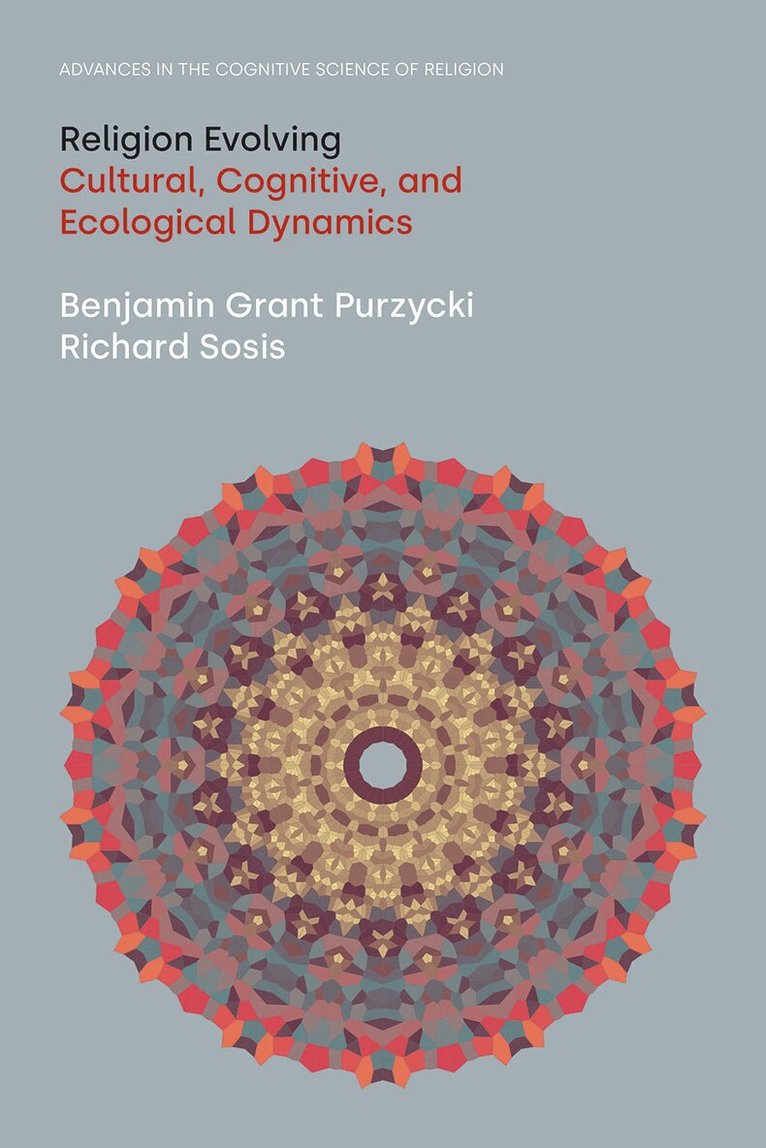
The scientific study of religion has made significant advances in recent decades, explaining how the mind produces religious ideas, the motivations underlying religious behaviour, and the transmission of religious cultures within and across generations. In Religion Evolving: Cultural, Cognitive, and Ecological Dynamics, Purzycki and Sosis argue that further progress requires integration of isolated research findings on the various components - ritual, supernatural agent belief, myth, taboo, and so forth - that constitute religion. Religions, they contend, need to be understood as adaptive systems. Drawing from a wealth of ethnographic and experimental evidence, they situate religious systems within their local socioecological contexts, showing how religious culture adaptively responds to economic, environmental, and human health problems, as well as costly threats to cooperation and reproduction. Based in the evolutionary, cognitive, and anthropological sciences, Religion Evolving offers a holistic approach that attends to the complex, interacting features of religious systems.
375 kr
Skickas inom 5-8 vardagar
The scientific study of religion has made significant advances in recent decades, explaining how the mind produces religious ideas, the motivations underlying religious behaviour, and the transmission of religious cultures within and across generations. In Religion Evolving: Cultural, Cognitive, and Ecological Dynamics, Purzycki and Sosis argue that further progress requires integration of isolated research findings on the various components - ritual, supernatural agent belief, myth, taboo, and so forth - that constitute religion. Religions, they contend, need to be understood as adaptive systems. Drawing from a wealth of ethnographic and experimental evidence, they situate religious systems within their local socioecological contexts, showing how religious culture adaptively responds to economic, environmental, and human health problems, as well as costly threats to cooperation and reproduction. Based in the evolutionary, cognitive, and anthropological sciences, Religion Evolving offers a holistic approach that attends to the complex, interacting features of religious systems.
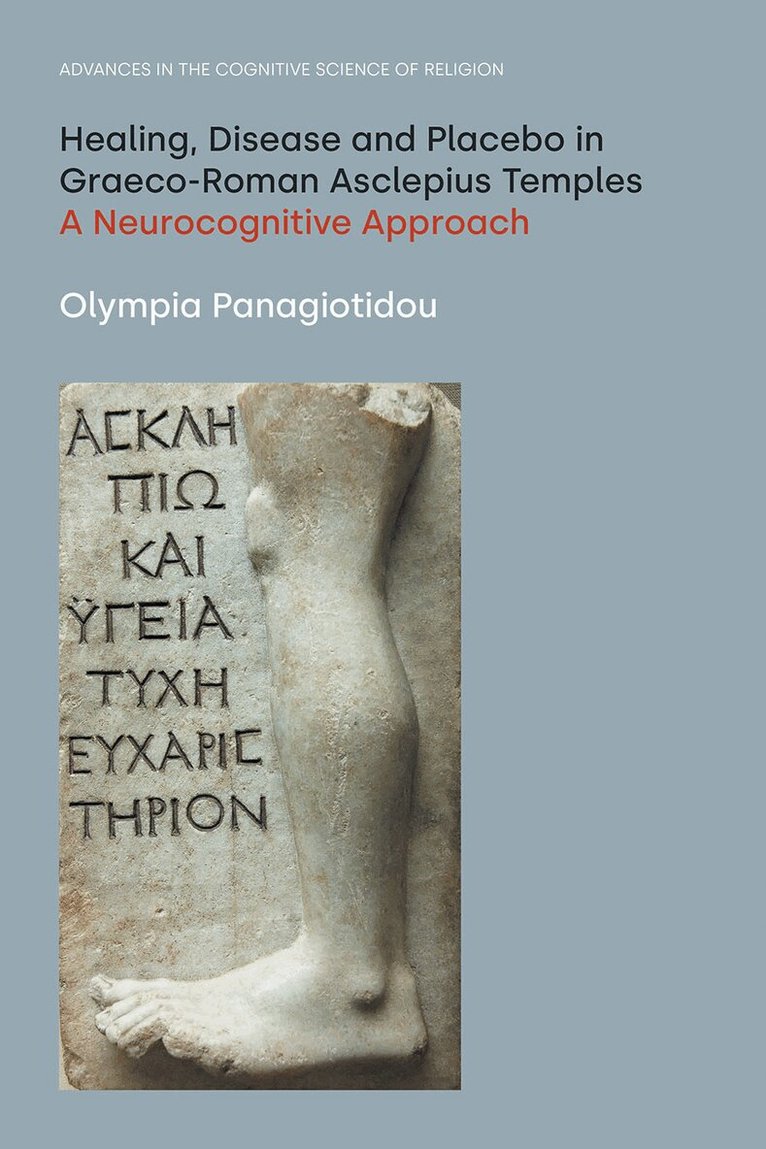
Healing, Disease and Placebo in Graeco-Roman Asclepius Temples
A Neurocognitive Approach
Inbunden, Engelska, 2022
1 212 kr
Skickas inom 5-8 vardagar
Healing, Disease and Placebo in Graeco-Roman Asclepius Temples narrates a story of religious healing that took place at sanctuaries dedicated to the ancient Greek god Asclepius, the so called asclepieia. The Asclepius cult, which attracted supplicants afflicted by various illnesses, appeared in Greece in the sixth century BCE, thrived in the Hellenistic period and spread throughout the Graeco-Roman world only declining during the final dominance of Christianity in the fifth century CE.This study analyses inscriptions from the asclepieia which were supposed to record personal stories of healing. Using the archaeological and historical evidence it looks at the placebo effect and the role it may have played in healing at the Asclepius sanctuaries in light of contemporary theories and neurocognitive research on placebo effects. It explores the specific biological, cognitive, and psychological processes as well as the external cultural and social influences that would have shaped personal healing experiences.It is the first historical study of the Asclepius cult which integrates theoretical insights into the human mind provided by neurocognitive sciences. It can be considered a cognitive historiography of patients who visited the asclepieia as supplicants which aims to deepen our understanding of past minds and, more generally, of human cognition.
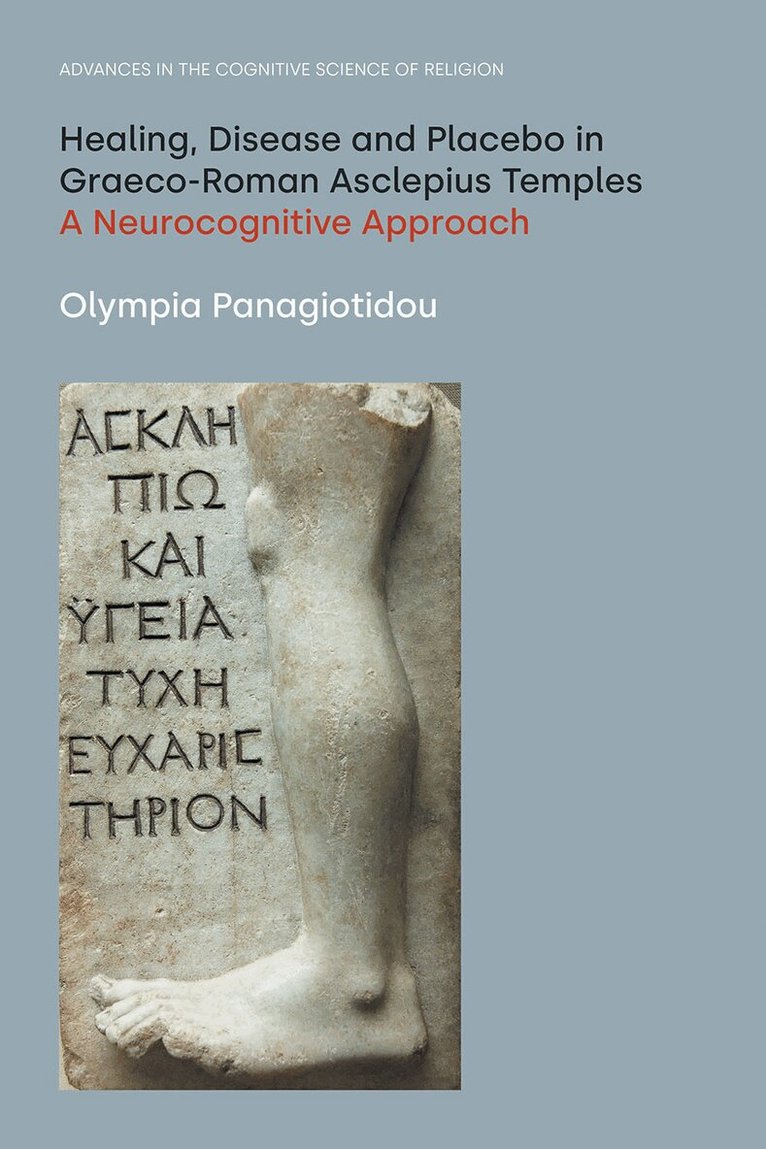
Healing, Disease and Placebo in Graeco-Roman Asclepius Temples
A Neurocognitive Approach
Häftad, Engelska, 2022
399 kr
Skickas inom 5-8 vardagar
Healing, Disease and Placebo in Graeco-Roman Asclepius Temples narrates a story of religious healing that took place at sanctuaries dedicated to the ancient Greek god Asclepius, the so called asclepieia. The Asclepius cult, which attracted supplicants afflicted by various illnesses, appeared in Greece in the sixth century BCE, thrived in the Hellenistic period and spread throughout the Graeco-Roman world only declining during the final dominance of Christianity in the fifth century CE.This study analyses inscriptions from the asclepieia which were supposed to record personal stories of healing. Using the archaeological and historical evidence it looks at the placebo effect and the role it may have played in healing at the Asclepius sanctuaries in light of contemporary theories and neurocognitive research on placebo effects. It explores the specific biological, cognitive, and psychological processes as well as the external cultural and social influences that would have shaped personal healing experiences.It is the first historical study of the Asclepius cult which integrates theoretical insights into the human mind provided by neurocognitive sciences. It can be considered a cognitive historiography of patients who visited the asclepieia as supplicants which aims to deepen our understanding of past minds and, more generally, of human cognition.
1 331 kr
Skickas inom 5-8 vardagar
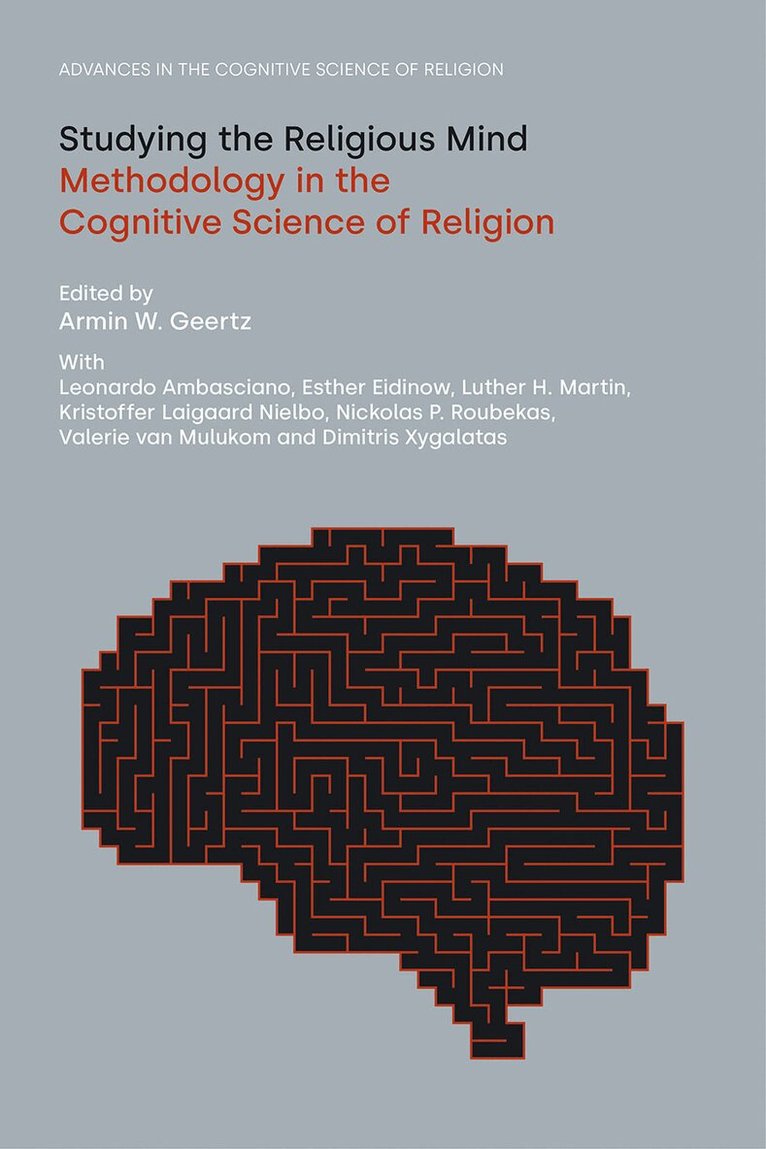
The cognitive science of religion does not have its own methodology, and yet from the very beginnings of the discipline, methodology has defined it not only in relation to the general study of religion in the humanities but also to the sciences interested in the mind. Scholars of the cognitive science of religion are using a range of methodologies, borrowing mostly from the cognitive sciences and experimental psychology, but also from biology, archaeology, history, philosophy, linguistics, the social and statistical sciences, neurosciences, and anthropology. In fact, this multi-disciplinarity defines the cognitive science of religion. Such multi-disciplinarity requires hard work and truly interdisciplinary teams, but also continual reflections on and debates about the methodologies being used. In fact, no study of the cognitive science of religion worth its name can rely on only one methodology. Triangulation is standard, but often even more approaches are used.This book consists of selected papers from the Journal for the Cognitive Science of Religion and the Journal of Cognitive Historiography. Each chapter demonstrates a particular method or group of methods and how those methods advance our knowledge of the religious mind from the ancient past up to today.
617 kr
Skickas
The cognitive science of religion does not have its own methodology, and yet from the very beginnings of the discipline, methodology has defined it not only in relation to the general study of religion in the humanities but also to the sciences interested in the mind. Scholars of the cognitive science of religion are using a range of methodologies, borrowing mostly from the cognitive sciences and experimental psychology, but also from biology, archaeology, history, philosophy, linguistics, the social and statistical sciences, neurosciences, and anthropology. In fact, this multi-disciplinarity defines the cognitive science of religion. Such multi-disciplinarity requires hard work and truly interdisciplinary teams, but also continual reflections on and debates about the methodologies being used. In fact, no study of the cognitive science of religion worth its name can rely on only one methodology. Triangulation is standard, but often even more approaches are used.This book consists of selected papers from the Journal for the Cognitive Science of Religion and the Journal of Cognitive Historiography. Each chapter demonstrates a particular method or group of methods and how those methods advance our knowledge of the religious mind from the ancient past up to today.