Olympia Panagiotidou – författare
Visar alla böcker från författaren . Handla med fri frakt och snabb leverans.
6 produkter
6 produkter
E-bok
PDF, Engelska, 2017454 kr
Läs direkt efter köp
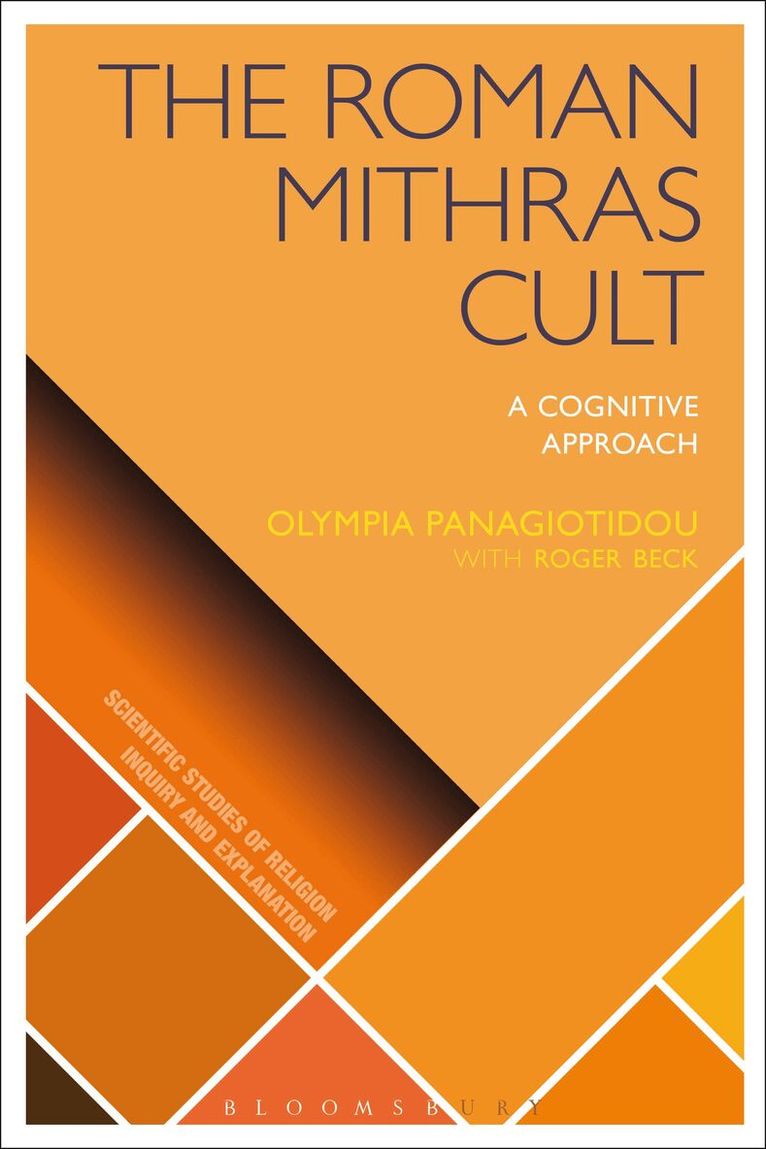
This book is the first full cognitive history of an ancient religious practice. In this ground-breaking study on one of the most intriguing and mysterious cults, Olympia Panagiotidou, with contributions from Roger Beck, shows how cognitive historiography can supplement our historical knowledge and deepen our understanding of past cultural phenomena.The cult of the sun god Mithras, which spread widely across the Graeco-Roman world at the same time as other ''mystery cults'', offered its devotees certain images and assumptions about reality. Initiation into the mysteries of Mithras and participation in the life of the cult significantly affected and transformed the ways in which the initiated perceived themselves, the world, and their position within it. The cult''s major ideas were conveyed mainly through its symbolic complexes. The ancient written testimonies and other records are not adequate to establish a definitive reconstruction of Mithraic theologies and the meaning of its complex symbolic structures. The Roman Mithras Cult identifies the cognitive and psychological processes which would have taken place in the minds and bodies of the Mithraists during their initiation and participation in the mysteries, enabling the perception, apprehension, and integration of the essential images and assumptions of the cult in its worldview system.
Häftad, Engelska, 2019
425 kr
Skickas inom 10-15 vardagar
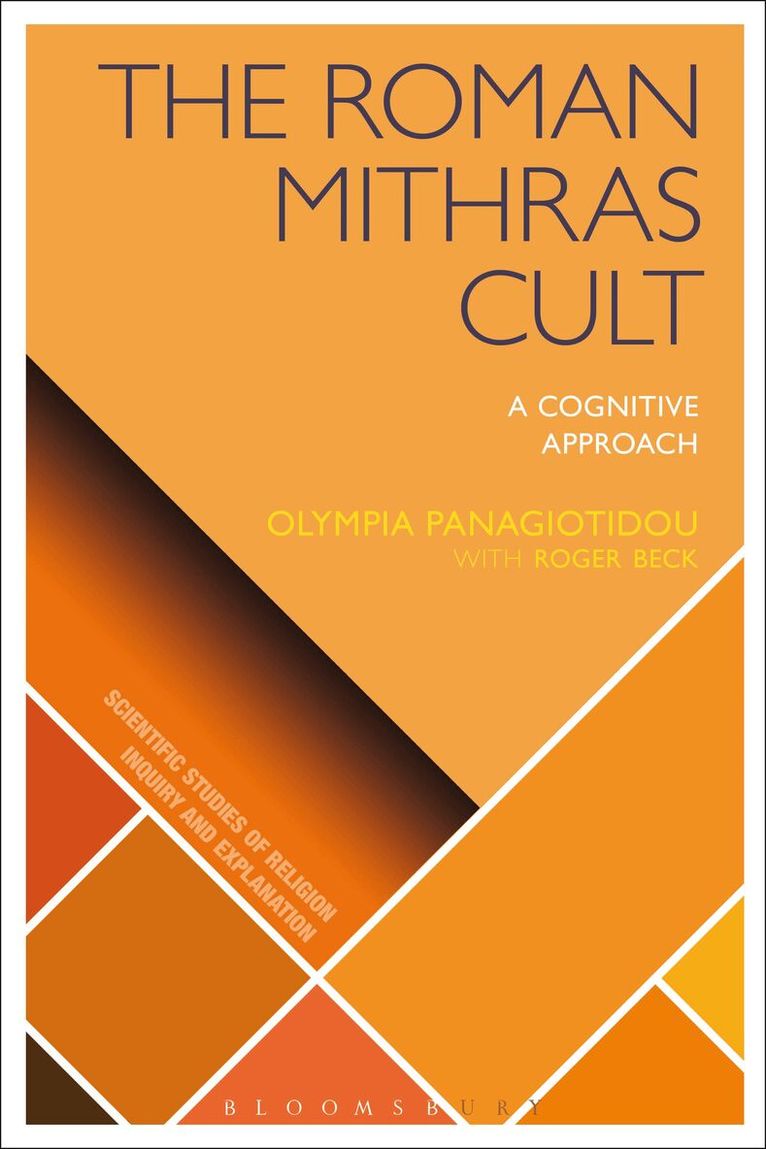
The Roman Mithras Cult: A Cognitive Approach is the first full cognitive history of an ancient religion. In this groundbreaking book on one of the most intriguing and mysterious ancient religions, Roger Beck and Olympia Panagiotidou show how cognitive historiography can supplement our historical knowledge and deepen our understanding of past cultural phenomenon.The cult of the sun god Mithras, which spread widely across the Greco-Roman world at the same time as other 'mystery cults' and Christianity, offered to its devotees certain images and assumptions about reality. Initiation into the mysteries of Mithras and participation in the life of the cult significantly affected and transformed the ways in which the initiated perceived themselves, the world, and their position within it. The cult's major ideas were conveyed mainly through its major symbolic complexes. The ancient written testimonies and other records are not adequate to establish a definitive reconstruction of Mithraic theologies and the meaning of its complex symbolic structures.Filling this gap, The Roman Mithras Cult: A Cognitive Approach identifies the cognitive and psychological processes which took place in the minds and bodies of the Mithraists during their initiation and participation in the mysteries, enabling the perception, apprehension, and integration of the essential images and assumptions of the cult in its worldview system.
E-bok
Engelska, 2017454 kr
Läs direkt efter köp
The Roman Mithras Cult: A Cognitive Approach is the first full cognitive history of an ancient religion. In this groundbreaking book on one of the most intriguing and mysterious ancient religions, Roger Beck and Olympia Panagiotidou show how cognitive historiography can supplement our historical knowledge and deepen our understanding of past cultural phenomenon. The cult of the sun god Mithras, which spread widely across the Greco-Roman world at the same time as other ''mystery cults'' and Christianity, offered to its devotees certain images and assumptions about reality. Initiation into the mysteries of Mithras and participation in the life of the cult significantly affected and transformed the ways in which the initiated perceived themselves, the world, and their position within it. The cult''s major ideas were conveyed mainly through its major symbolic complexes. The ancient written testimonies and other records are not adequate to establish a definitive reconstruction of Mithraic theologies and the meaning of its complex symbolic structures. Filling this gap, The Roman Mithras Cult: A Cognitive Approach identifies the cognitive and psychological processes which took place in the minds and bodies of the Mithraists during their initiation and participation in the mysteries, enabling the perception, apprehension, and integration of the essential images and assumptions of the cult in its worldview system.
Inbunden, Engelska, 2017
1 820 kr
Skickas inom 10-15 vardagar
This book is the first full cognitive history of an ancient religious practice. In this ground-breaking study on one of the most intriguing and mysterious cults, Olympia Panagiotidou, with contributions from Roger Beck, shows how cognitive historiography can supplement our historical knowledge and deepen our understanding of past cultural phenomena.The cult of the sun god Mithras, which spread widely across the Graeco-Roman world at the same time as other 'mystery cults', offered its devotees certain images and assumptions about reality. Initiation into the mysteries of Mithras and participation in the life of the cult significantly affected and transformed the ways in which the initiated perceived themselves, the world, and their position within it. The cult's major ideas were conveyed mainly through its symbolic complexes. The ancient written testimonies and other records are not adequate to establish a definitive reconstruction of Mithraic theologies and the meaning of its complex symbolic structures.The Roman Mithras Cult identifies the cognitive and psychological processes which would have taken place in the minds and bodies of the Mithraists during their initiation and participation in the mysteries, enabling the perception, apprehension, and integration of the essential images and assumptions of the cult in its worldview system.
Inbunden, Engelska, 2022
1 237 kr
Skickas inom 5-8 vardagar
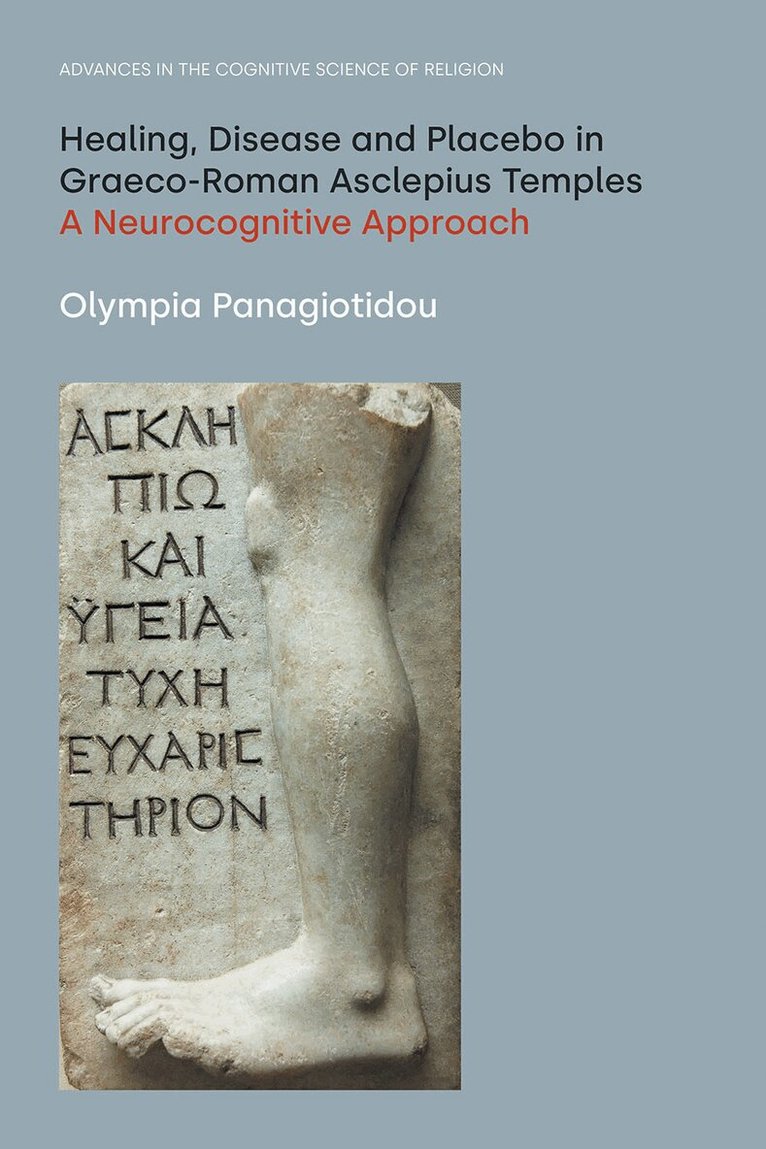
This book follows the evidence for Asclepius' supplicants from the moment in which they realized that they were sick until the healing experiences, which they might have had at the asclepieia. From a historical perspective, the main features of the Asclepius cult, as they were shaped mainly in the Hellenistic and Roman periods, are examined. The cult is situated in the wider political, social, cultural, and intellectual contexts of the Graeco-Roman era, in which Asclepius' reputation as a divine physician spread. Social interactions and multiple neurocognitive processes are examined, which would have influenced supplicants' perceptions, choices, and reasoning about health and sickness, and attracted thousands of visitors to the Asclepius temples. The influence of the cult environment on the minds and bodies of supplicants is investigated in order to show how the cult context would have prepared supplicants for the incubation ritual. Modern theories on placebo effects are taken into consideration in order to investigate the possibility of healing at the asclepieia as a result of supplicants' self-healing mechanisms. Finally, the ways in which supplicants might have interpreted their personal experiences during incubation are examined.
Häftad, Engelska, 2022
407 kr
Skickas inom 5-8 vardagar
This book follows the evidence for Asclepius' supplicants from the moment in which they realized that they were sick until the healing experiences, which they might have had at the asclepieia. From a historical perspective, the main features of the Asclepius cult, as they were shaped mainly in the Hellenistic and Roman periods, are examined. The cult is situated in the wider political, social, cultural, and intellectual contexts of the Graeco-Roman era, in which Asclepius' reputation as a divine physician spread. Social interactions and multiple neurocognitive processes are examined, which would have influenced supplicants' perceptions, choices, and reasoning about health and sickness, and attracted thousands of visitors to the Asclepius temples. The influence of the cult environment on the minds and bodies of supplicants is investigated in order to show how the cult context would have prepared supplicants for the incubation ritual. Modern theories on placebo effects are taken into consideration in order to investigate the possibility of healing at the asclepieia as a result of supplicants' self-healing mechanisms. Finally, the ways in which supplicants might have interpreted their personal experiences during incubation are examined.