African American Intellectual History – serie
Visar alla böcker i serien African American Intellectual History. Handla med fri frakt och snabb leverans.
20 produkter
20 produkter
Häftad, Engelska, 2018
565 kr
Skickas inom 3-6 vardagar
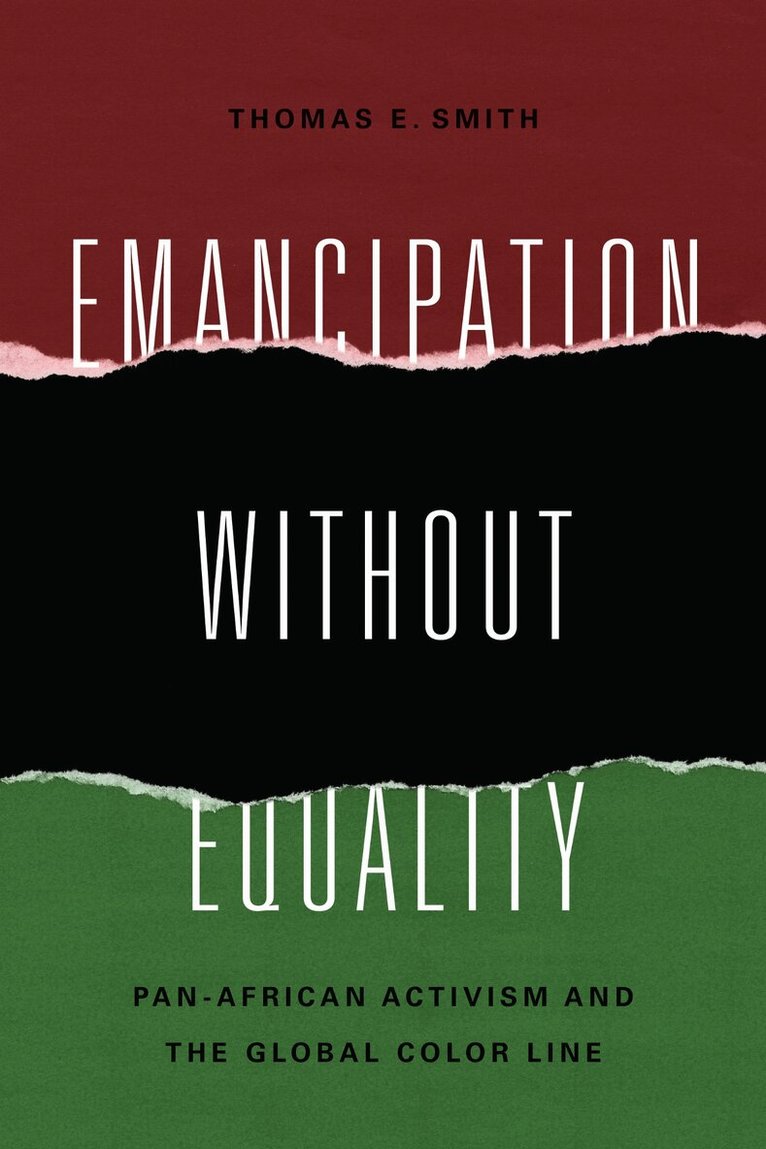
At the Pan-African Conference in London in 1900, W. E. B. Du Bois famously prophesied that the problem of the twentieth century would be the global color line, the elevation of ""whiteness"" that created a racially divided world. While Pan-Africanism recognized the global nature of the color line in this period, Thomas E. Smith argues that it also pushed against it, advocating for what Du Bois called ""opportunities and privileges of modern civilization"" to open up to people of all colors.Covering a period roughly bookended by two international forums, the 1884-1885 Berlin Conference and the 1911 Universal Races Congress, Emancipation without Equality chronicles how activists of African descent fought globally for equal treatment and access to rights associated with post-emancipated citizenship. While Euro-American leaders created a standard to guide the course of imperialism at the Berlin Conference, the proceedings of the Universal Races Congress demonstrated that Pan-Africanism had become a visible part of a growing, global, anti-imperialist protest.
Häftad, Engelska, 2020
347 kr
Skickas inom 5-8 vardagar
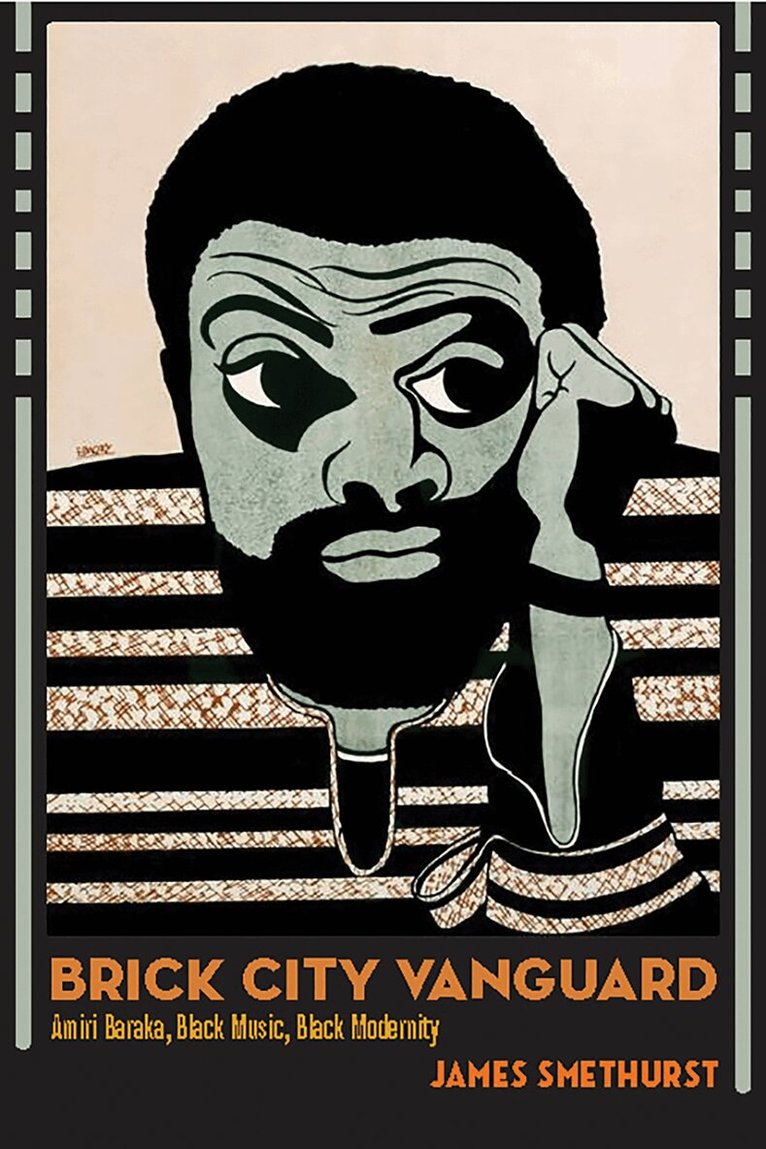
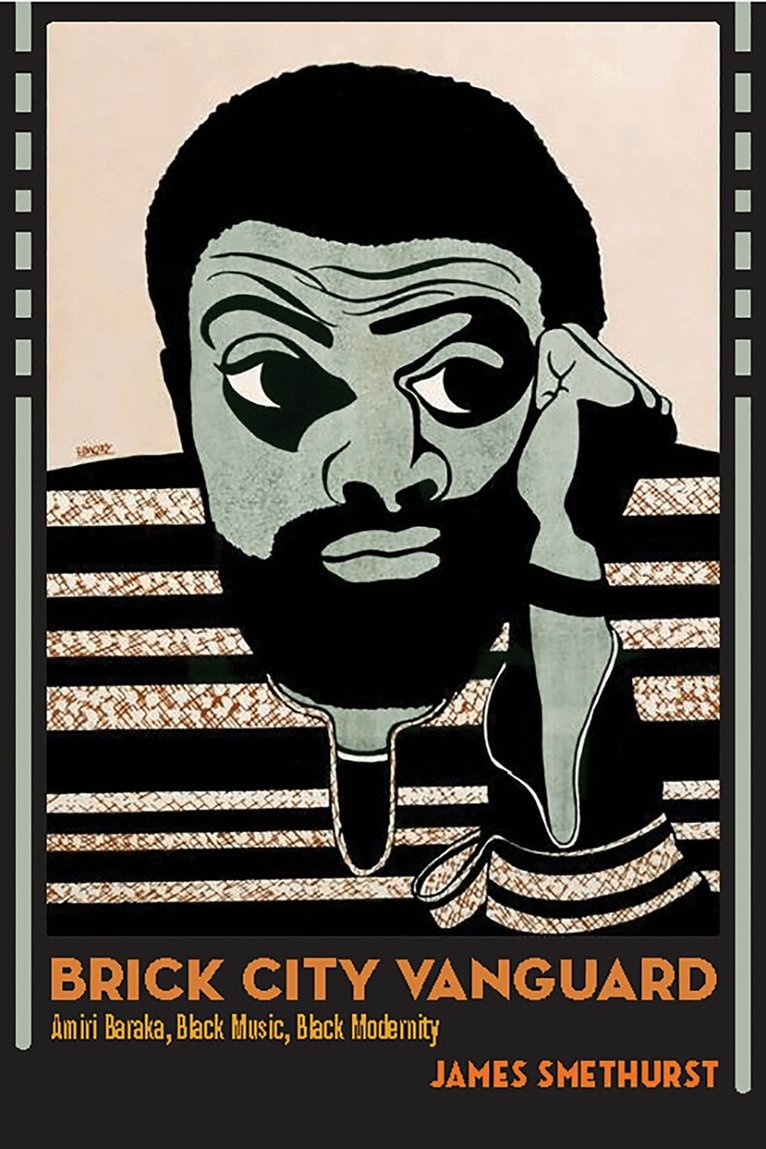
Amiri Baraka is unquestionably the most recognized leader of the Black Arts Movement of the 1960s and 1970s, and one of the key literary and cultural figures of the postwar United States. While Baraka's political and aesthetic stances changed considerably over the course of his career, Brick City Vanguard demonstrates the continuity in his thinking about the meaning of black music in the material, psychic, and ideological development of black people. Drawing on primary texts, paratexts (including album liner notes), audio and visual recordings, and archival sources, James Smethurst takes a new look at how Baraka's writing on and performance of music envisioned the creation of an African American people or nation, as well as the growth and consolidation of a black working class within that nation, that resonates to this day. This vision also provides a way of understanding the encounter of black people with what has been called ""the urban crisis"" and a projection of a liberated black future beyond that crisis.
Häftad, Engelska, 2020
430 kr
Skickas inom 5-8 vardagar
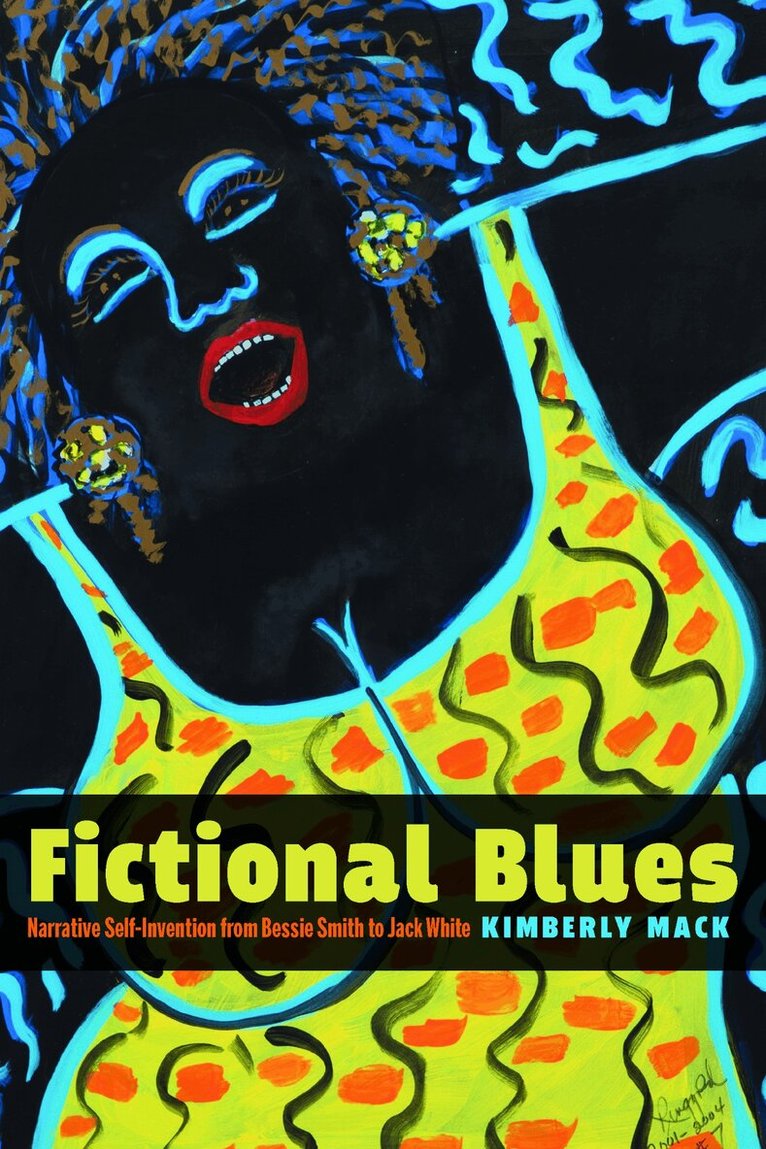
The familiar story of Delta blues musician Robert Johnson, who sold his soul to the devil at a Mississippi crossroads in exchange for guitar virtuosity, and the violent stereotypes evoked by legendary blues "bad men" like Stagger Lee undergird the persistent racial myths surrounding "authentic" blues expression. Fictional Blues unpacks the figure of the American blues performer, moving from early singers such as Ma Rainey and Big Mama Thornton to contemporary musicians such as Amy Winehouse, Rhiannon Giddens, and Jack White to reveal that blues makers have long used their songs, performances, interviews, and writings to invent personas that resist racial, social, economic, and gendered oppression.Using examples of fictional and real-life blues artists culled from popular music and literary works from writers such as Walter Mosley, Alice Walker, and Sherman Alexie, Kimberly Mack demonstrates that the stories blues musicians construct about their lives (however factually slippery) are inextricably linked to the "primary story" of the narrative blues tradition, in which autobiography fuels musicians' reclamation of power and agency.
Häftad, Engelska, 2022
368 kr
Skickas inom 5-8 vardagar
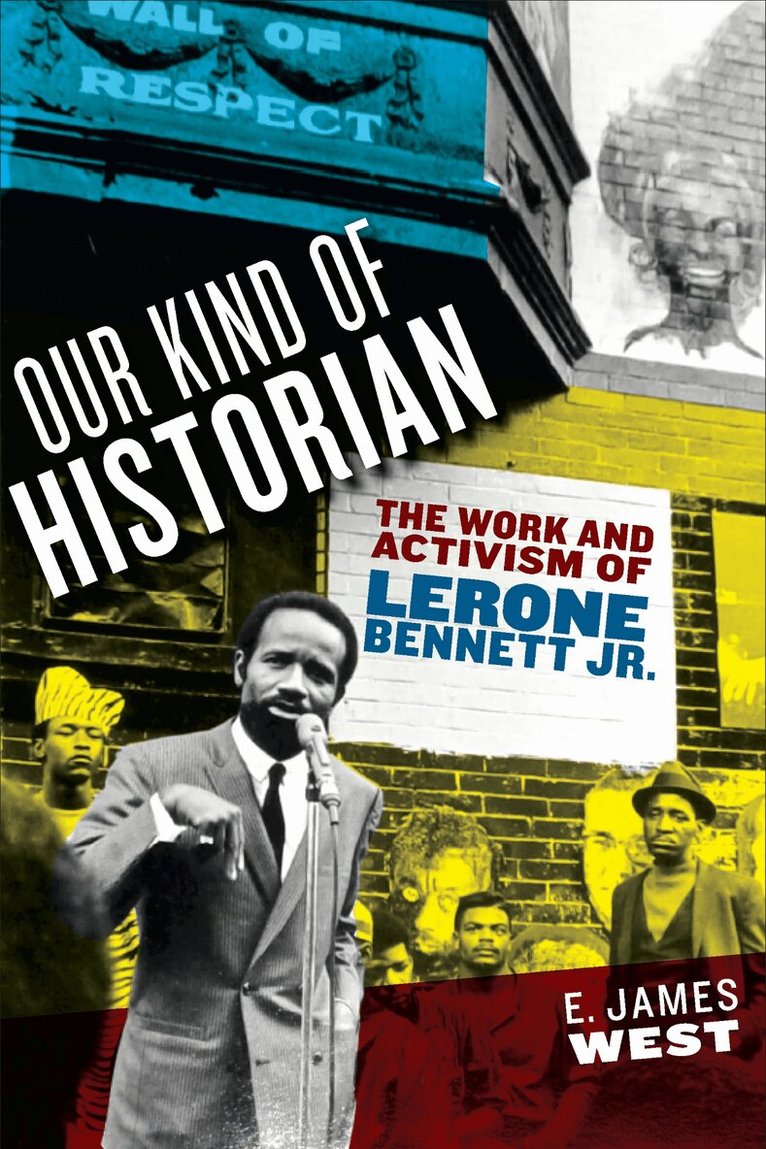
Journalist, activist, popular historian, and public intellectual, Lerone Bennett Jr. left an indelible mark on twentieth-century American history and culture. Rooted in his role as senior editor of Ebony magazine, but stretching far beyond the boundaries of the Johnson Publishing headquarters in Chicago, Bennett's work and activism positioned him as a prominent advocate for Black America and a scholar whose writing reached an unparalleled number of African American readers.This critical biography—the first in-depth study of Bennett's life—travels with him from his childhood experiences in Jim Crow Mississippi and his time at Morehouse College in Atlanta to his later participation in a dizzying range of Black intellectual and activist endeavors. Drawing extensively on Bennett's previously inaccessible archival collections at Emory University and Chicago State, as well as interviews with close relatives, colleagues, and confidantes, Our Kind of Historian celebrates his enormous influence within and unique connection to African American communities across more than half a century of struggle.
Inbunden, Engelska, 2022
1 046 kr
Skickas inom 5-8 vardagar
Journalist, activist, popular historian, and public intellectual, Lerone Bennett Jr. left an indelible mark on twentieth-century American history and culture. Rooted in his role as senior editor of Ebony magazine, but stretching far beyond the boundaries of the Johnson Publishing headquarters in Chicago, Bennett's work and activism positioned him as a prominent advocate for Black America and a scholar whose writing reached an unparalleled number of African American readers.This critical biography—the first in-depth study of Bennett's life—travels with him from his childhood experiences in Jim Crow Mississippi and his time at Morehouse College in Atlanta to his later participation in a dizzying range of Black intellectual and activist endeavors. Drawing extensively on Bennett's previously inaccessible archival collections at Emory University and Chicago State, as well as interviews with close relatives, colleagues, and confidantes, Our Kind of Historian celebrates his enormous influence within and unique connection to African American communities across more than half a century of struggle.
Häftad, Engelska, 2023
339 kr
Skickas inom 5-8 vardagar
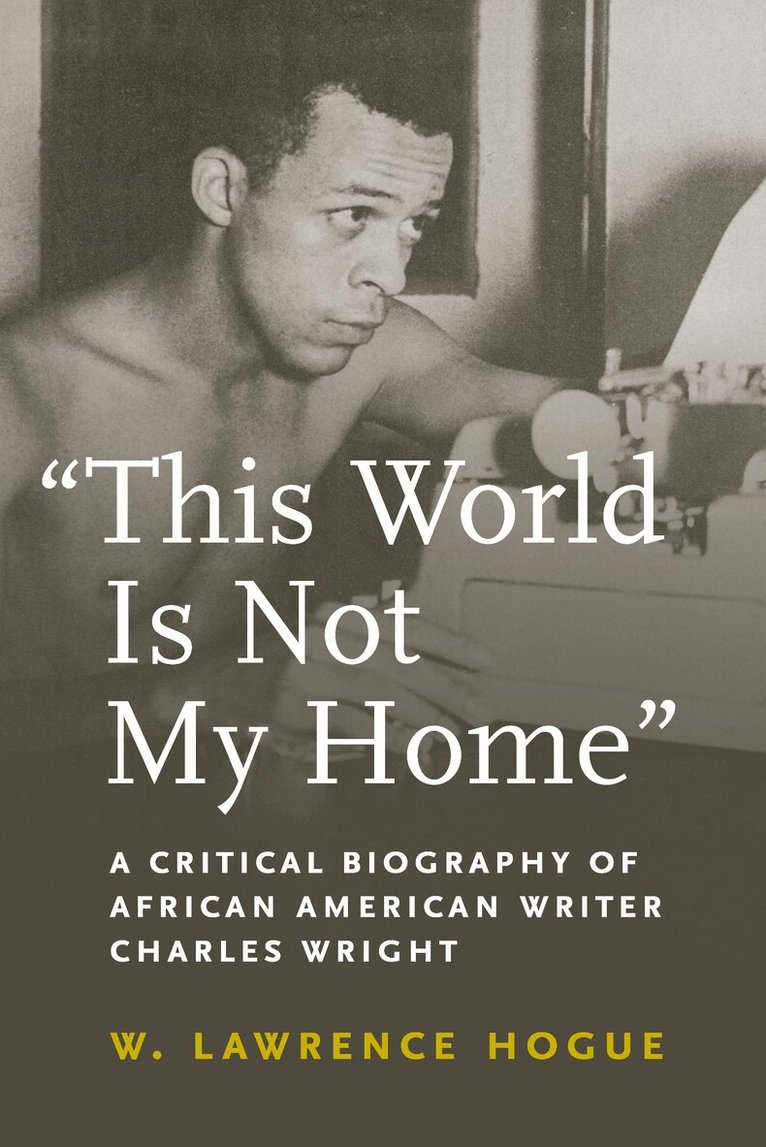
In the 1960s, Charles Wright’s (1932–2008) star was on the rise. After dropping out of high school and serving in the Korean War, the young Black writer landed in New York, where he was mentored by Norman Mailer, signed a book deal with a leading publisher, and was celebrated by the likes of Langston Hughes and James Baldwin. Over the decades to follow, Wright would lead a peripatetic and at times precarious life, moving between Tangier, Veracruz, Paris, and New York, penning a regular column for the Village Voice, living off the goodwill of his friends, and battling addiction and, later, mental health issues. As W. Lawrence Hogue shows, Wright’s innovative fiction stands apart, offering a different vision of outcast Black Americans in the postwar era and using satire to bring agency and humanity to working-class characters. This critical biography—the first devoted to Wright’s significant but largely forgotten story—brings new attention to the writer’s impressive body of work, in the context of a wild, but troubled, life.
Inbunden, Engelska, 2023
1 147 kr
Skickas inom 5-8 vardagar
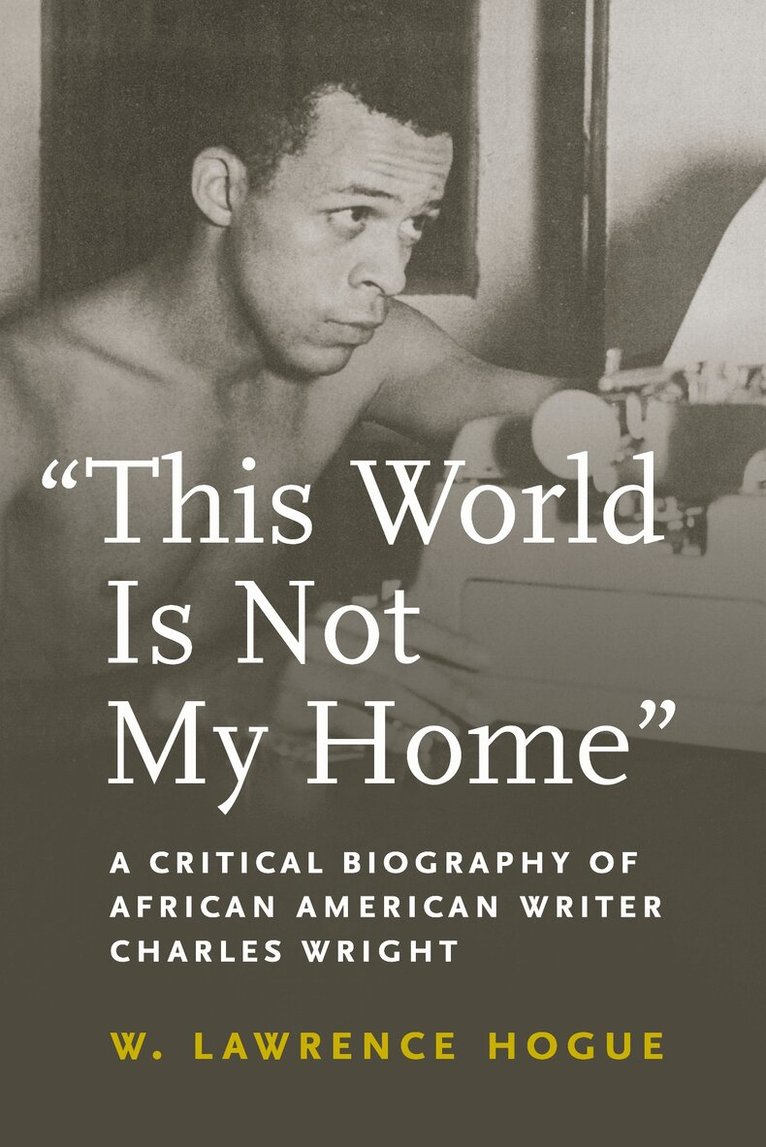
In the 1960s, Charles Wright’s (1932–2008) star was on the rise. After dropping out of high school and serving in the Korean War, the young Black writer landed in New York, where he was mentored by Norman Mailer, signed a book deal with a leading publisher, and was celebrated by the likes of Langston Hughes and James Baldwin. Over the decades to follow, Wright would lead a peripatetic and at times precarious life, moving between Tangier, Veracruz, Paris, and New York, penning a regular column for the Village Voice, living off the goodwill of his friends, and battling addiction and, later, mental health issues. As W. Lawrence Hogue shows, Wright’s innovative fiction stands apart, offering a different vision of outcast Black Americans in the postwar era and using satire to bring agency and humanity to working-class characters. This critical biography—the first devoted to Wright’s significant but largely forgotten story—brings new attention to the writer’s impressive body of work, in the context of a wild, but troubled, life.
Häftad, Engelska, 2023
367 kr
Skickas inom 5-8 vardagar
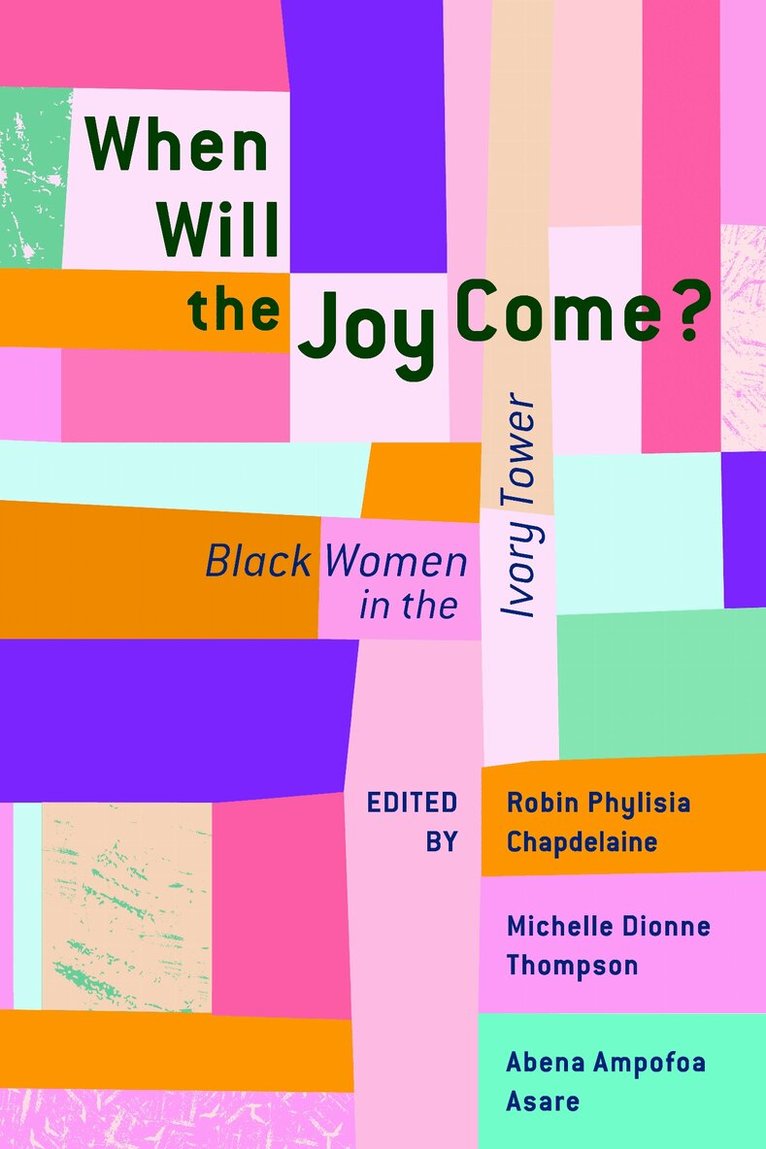
How do Black women in higher education create, experience, and understand joy? What sustains them? While scholars have long documented sexism, racism, and classism in the academy, one topic has been conspicuously absent from the literature—how Black women academics have found joy in the midst of adversity. Moving beyond questions of resilience, labor for others, and coping, When Will the Joy Come? focuses on the journeys of over thirty Black women at various stages of their careers. Joy is a mixture of well-being, pleasure, alignment, and purpose that can be elusive for Black women scholars. With racial reckoning and a global pandemic as context, this volume brings together honest and vital essays that ponder how Black women balance fatigue and frustrations in the halls of the ivory tower, and explore where, when, and if joy enters their lives. By carefully contemplating the emotional, physical, and material consequences of their labor, this collection demonstrates that joy is a tactical and strategic component of Black women’s struggle.
Inbunden, Engelska, 2023
1 243 kr
Skickas inom 5-8 vardagar
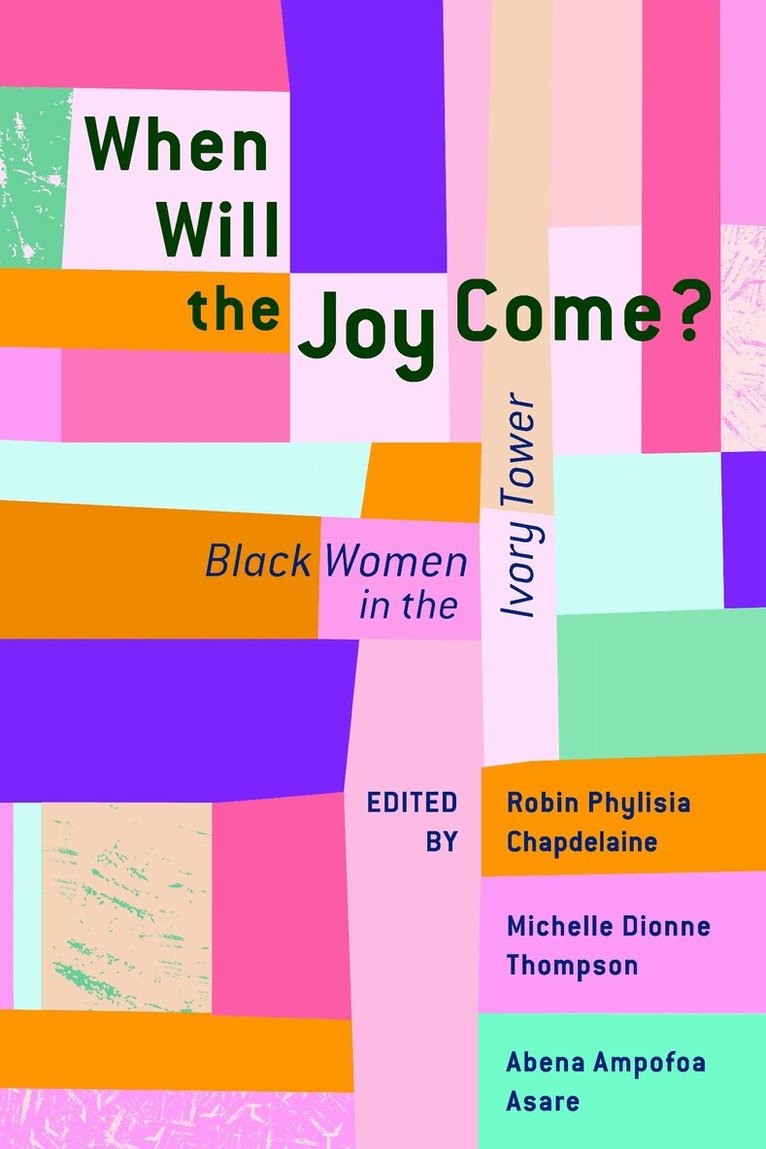
How do Black women in higher education create, experience, and understand joy? What sustains them? While scholars have long documented sexism, racism, and classism in the academy, one topic has been conspicuously absent from the literature—how Black women academics have found joy in the midst of adversity. Moving beyond questions of resilience, labor for others, and coping, When Will the Joy Come? focuses on the journeys of over thirty Black women at various stages of their careers. Joy is a mixture of well-being, pleasure, alignment, and purpose that can be elusive for Black women scholars. With racial reckoning and a global pandemic as context, this volume brings together honest and vital essays that ponder how Black women balance fatigue and frustrations in the halls of the ivory tower, and explore where, when, and if joy enters their lives. By carefully contemplating the emotional, physical, and material consequences of their labor, this collection demonstrates that joy is a tactical and strategic component of Black women’s struggle.
Häftad, Engelska, 2024
399 kr
Skickas inom 5-8 vardagar
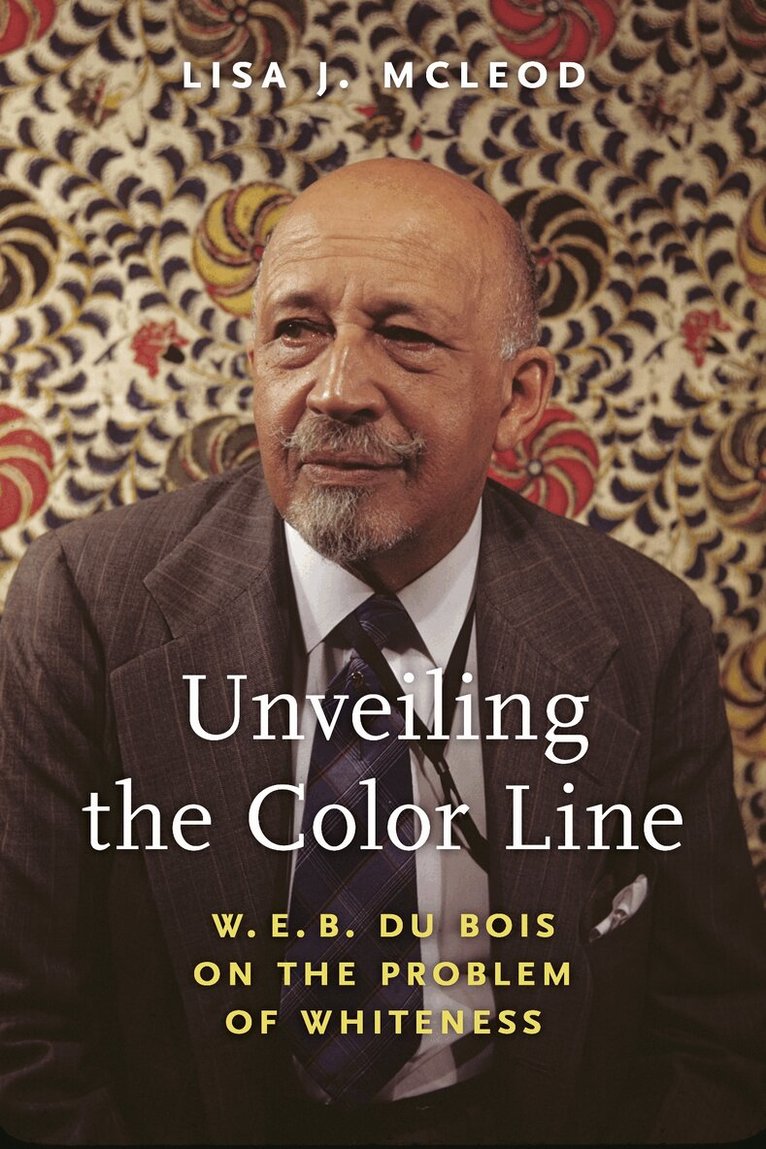
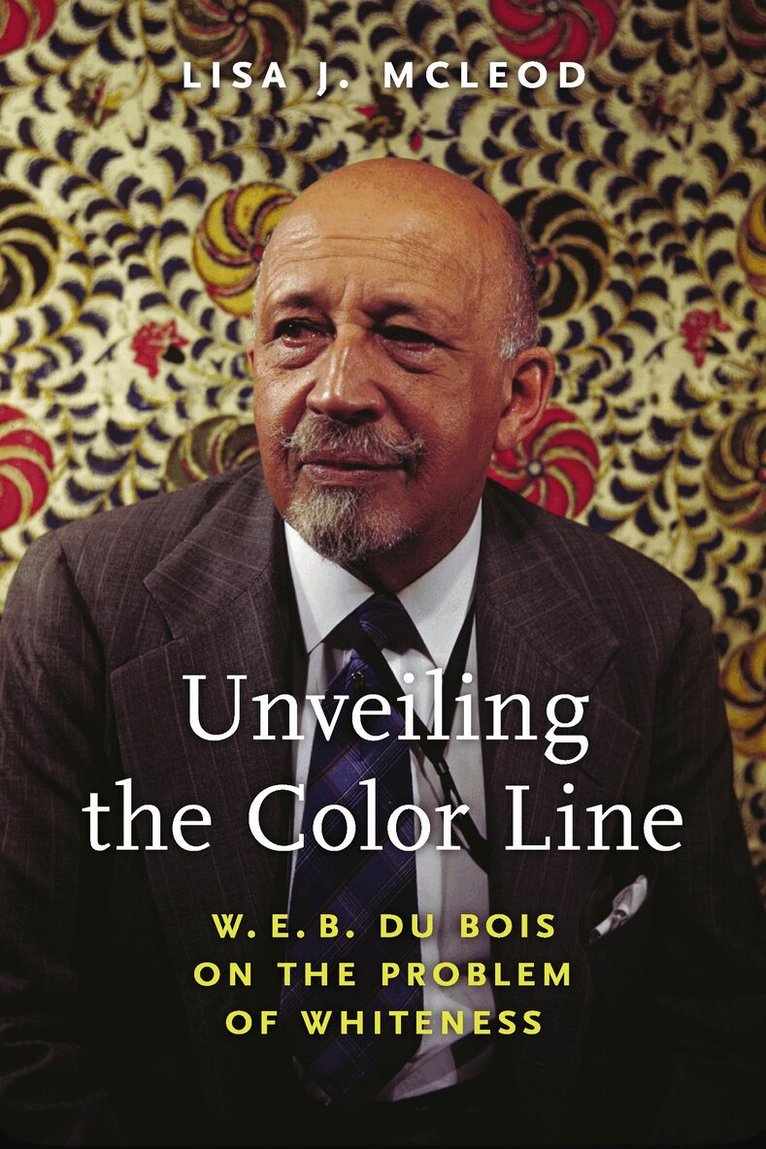
In The Souls of Black Folk, W. E. B. Du Bois brilliantly details the African American experience. Yet the renowned sociologist was also an astute chronicler of white people, particularly their racism. As Unveiling the Color Line demonstrates, Du Bois’s trenchant analysis of whiteness and white supremacy began in his earliest work--his 1890 speech on Jefferson Davis--and continued in every major book he published in his more than sixty-year career, up to The Black Flame Trilogy. Lisa J. McLeod traces the development of Du Bois’s conception of whiteness, and the racism inherent to it, as an all-encompassing problem, whether predicated on ignorance, moral failure, or the inability to recognize the humanity in other people. In clear, elegant prose, McLeod investigates Du Bois’s complex and nuanced thinking, putting his insights into dialogue with contemporary racial theorists to demonstrate his continuing value to present-day critical thought and activism.
Häftad, Engelska, 2025
399 kr
Skickas inom 5-8 vardagar
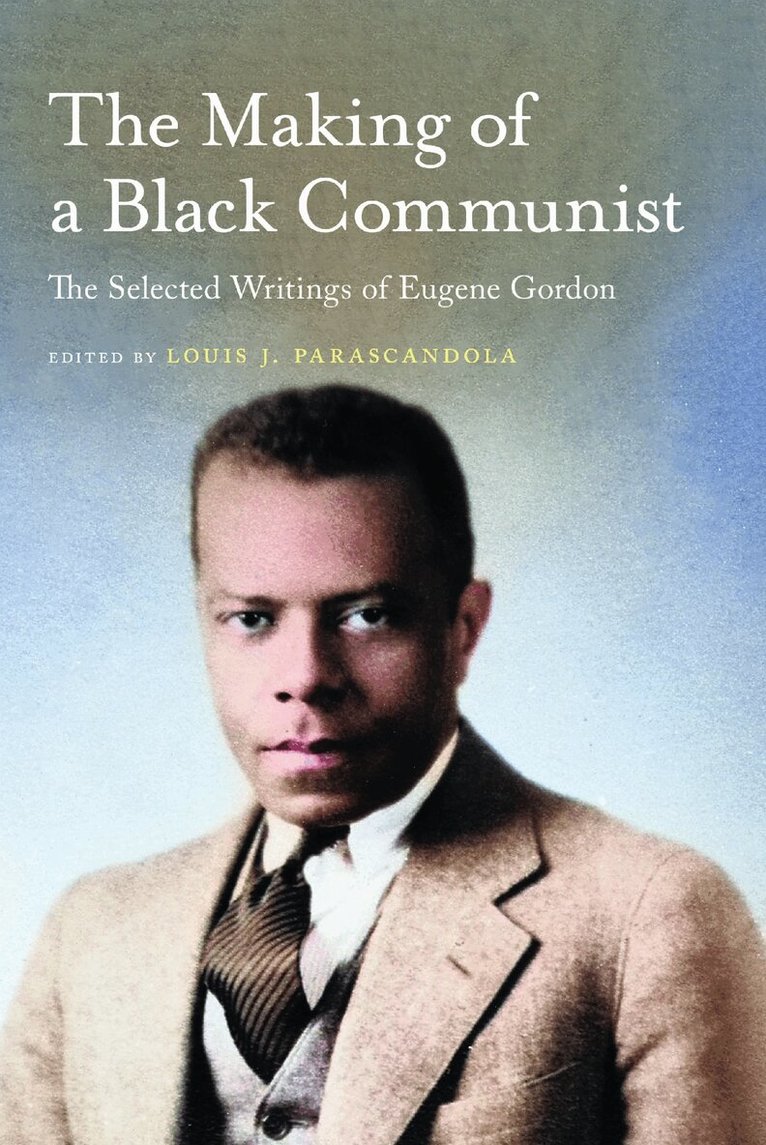
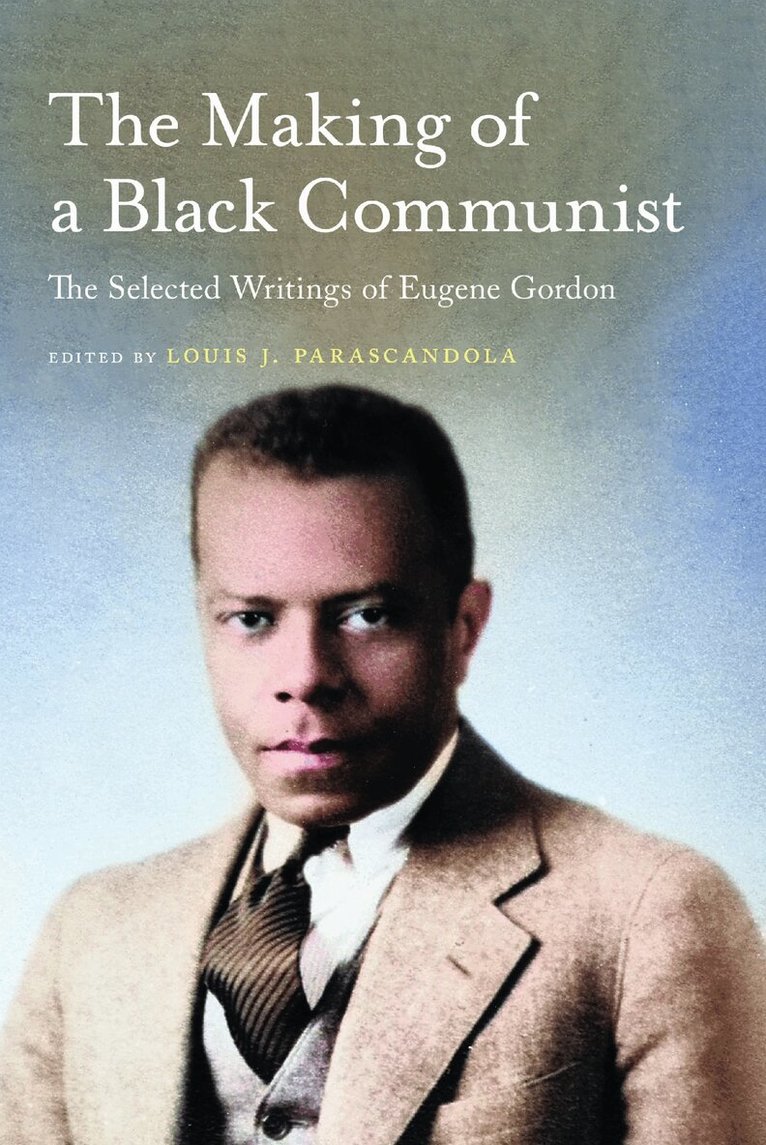
Eugene Gordon (1891–1974) was a major writer involved in the development of the burgeoning Black literary scene in Boston in the 1920s, an active player in the Harlem Renaissance, and a longtime member of the Communist Party. Despite his credentials as a reporter, editor, fiction writer, and political activist, he is rarely mentioned in studies of the Harlem Renaissance or Marxist politics. Here, Louis Parascandola has pulled together Gordon’s journalism, autobiographical writing, and fiction. This new collection, featuring both previously published pieces from a wide variety of publications as well as material that has never before been published, demonstrates his range and his skill while establishing his importance as a critical voice of his time.Gordon was born and raised in the South but made his way north at a young age. In Boston, he founded the Saturday Evening Quill Club, an African American literary group that included other notable writers such as Helene Johnson and Dorothy West. He later became editor of and contributor to two major publications coming out of the era: the Messenger and Opportunity: A Journal of Negro Life. As he grew more political, he joined the Communist Party in the 1930s and became editor of and contributor to the New Masses. Scholars looking to research him have struggled to find disparate writings to get a fuller sense of his literary stylings as well as his political commitments. This welcome new volume establishes Gordon as a significant, understudied figure.
Inbunden, Engelska, 2025
1 113 kr
Skickas inom 5-8 vardagar
Eugene Gordon (1891–1974) was a major writer involved in the development of the burgeoning Black literary scene in Boston in the 1920s, an active player in the Harlem Renaissance, and a longtime member of the Communist Party. Despite his credentials as a reporter, editor, fiction writer, and political activist, he is rarely mentioned in studies of the Harlem Renaissance or Marxist politics. Here, Louis Parascandola has pulled together Gordon’s journalism, autobiographical writing, and fiction. This new collection, featuring both previously published pieces from a wide variety of publications as well as material that has never before been published, demonstrates his range and his skill while establishing his importance as a critical voice of his time.Gordon was born and raised in the South but made his way north at a young age. In Boston, he founded the Saturday Evening Quill Club, an African American literary group that included other notable writers such as Helene Johnson and Dorothy West. He later became editor of and contributor to two major publications coming out of the era: the Messenger and Opportunity: A Journal of Negro Life. As he grew more political, he joined the Communist Party in the 1930s and became editor of and contributor to the New Masses. Scholars looking to research him have struggled to find disparate writings to get a fuller sense of his literary stylings as well as his political commitments. This welcome new volume establishes Gordon as a significant, understudied figure.
Häftad, Engelska, 2025
385 kr
Skickas inom 5-8 vardagar
Highlighting hypocrisy of US Civil Rights oppression while fighting for Korean freedom The Korean War is commonly known as the 'forgotten war' because it supposedly had little impact on American culture in comparison to World War II or the American War in Vietnam. Yet from 1950-1953, the conflict produced vigorous anti-war activism, particularly among Black radical women. Informed by their experiences with racism and misogyny within the US, these women were convinced that peace was not just the absence of military aggression, but that it required the liberation of the most oppressed, including the end of capitalist exploitation of women and People of Color and the return of self-determination to colonized peoples- themes that later anti-war activists would echo and develop. Whether or not the Korean War has ever truly been forgotten, the visionary activism of these women has been largely overlooked. In Women March for Peace, Denise Lynn examines the lives of seven Black women- Louise Thompson Patterson, Claudia Jones, Charlotta Bass, Shirley Graham Du Bois, Eslanda Robeson, Lorraine Hansberry, and Beulah Richardson— and their resistance to domestic and foreign US policies during the height of anticommunist hysteria. While much peace scholarship focuses on the threat of nuclear conflict, Lynn instead explores how these women connected issues of civil rights at home with international military campaigns, highlights the hypocrisy of containment policies that sought to secure the freedom and rights for Koreans when US citizens were still oppressed. Lynn traces their peace advocacy through their personal papers, local and national articles, Progressive Party documents, and global conventions. Women March for Peace recovers the radical activism of these Black women to understand a crucial chapter in the fight against American imperialism and white supremacy.
Inbunden, Engelska, 2025
1 113 kr
Skickas inom 5-8 vardagar
Highlighting hypocrisy of US Civil Rights oppression while fighting for Korean freedom The Korean War is commonly known as the 'forgotten war' because it supposedly had little impact on American culture in comparison to World War II or the American War in Vietnam. Yet from 1950-1953, the conflict produced vigorous anti-war activism, particularly among Black radical women. Informed by their experiences with racism and misogyny within the US, these women were convinced that peace was not just the absence of military aggression, but that it required the liberation of the most oppressed, including the end of capitalist exploitation of women and People of Color and the return of self-determination to colonized peoples- themes that later anti-war activists would echo and develop. Whether or not the Korean War has ever truly been forgotten, the visionary activism of these women has been largely overlooked. In Women March for Peace, Denise Lynn examines the lives of seven Black women- Louise Thompson Patterson, Claudia Jones, Charlotta Bass, Shirley Graham Du Bois, Eslanda Robeson, Lorraine Hansberry, and Beulah Richardson- and their resistance to domestic and foreign US policies during the height of anticommunist hysteria. While much peace scholarship focuses on the threat of nuclear conflict, Lynn instead explores how these women connected issues of civil rights at home with international military campaigns, highlights the hypocrisy of containment policies that sought to secure the freedom and rights for Koreans when US citizens were still oppressed. Lynn traces their peace advocacy through their personal papers, local and national articles, Progressive Party documents, and global conventions. Women March for Peace recovers the radical activism of these Black women to understand a crucial chapter in the fight against American imperialism and white supremacy.
Häftad, Engelska, 2026
352 kr
Skickas
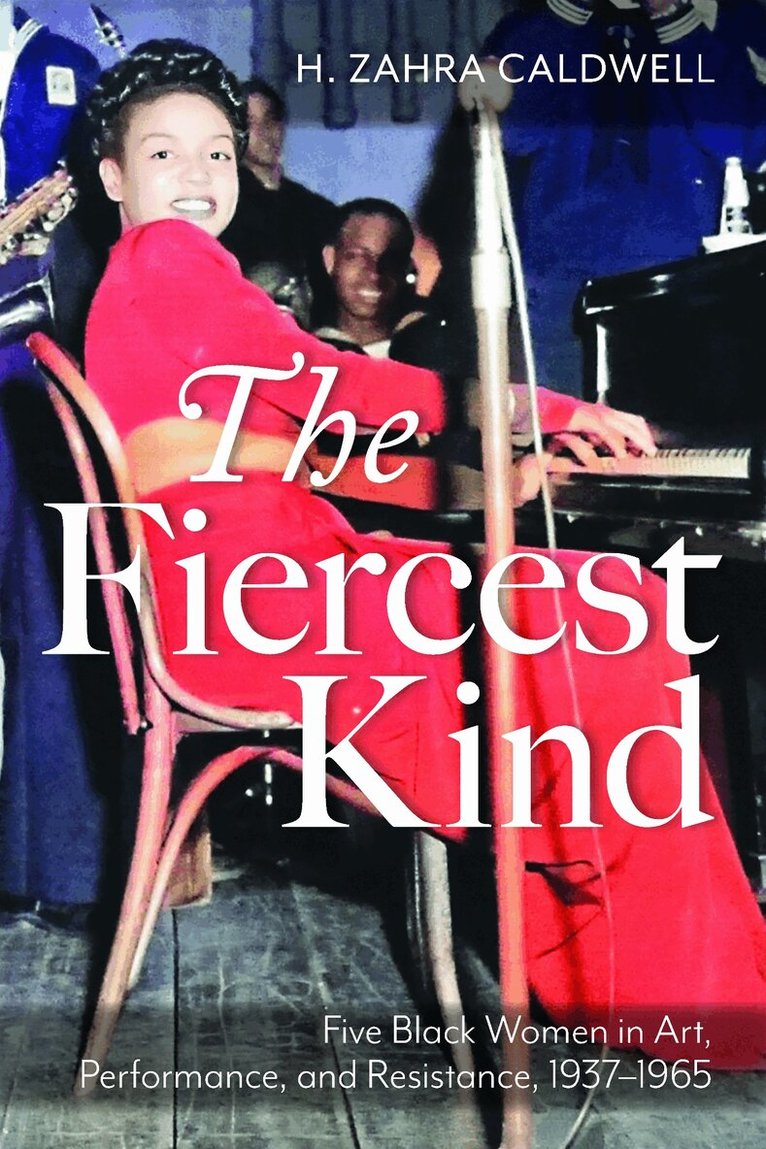
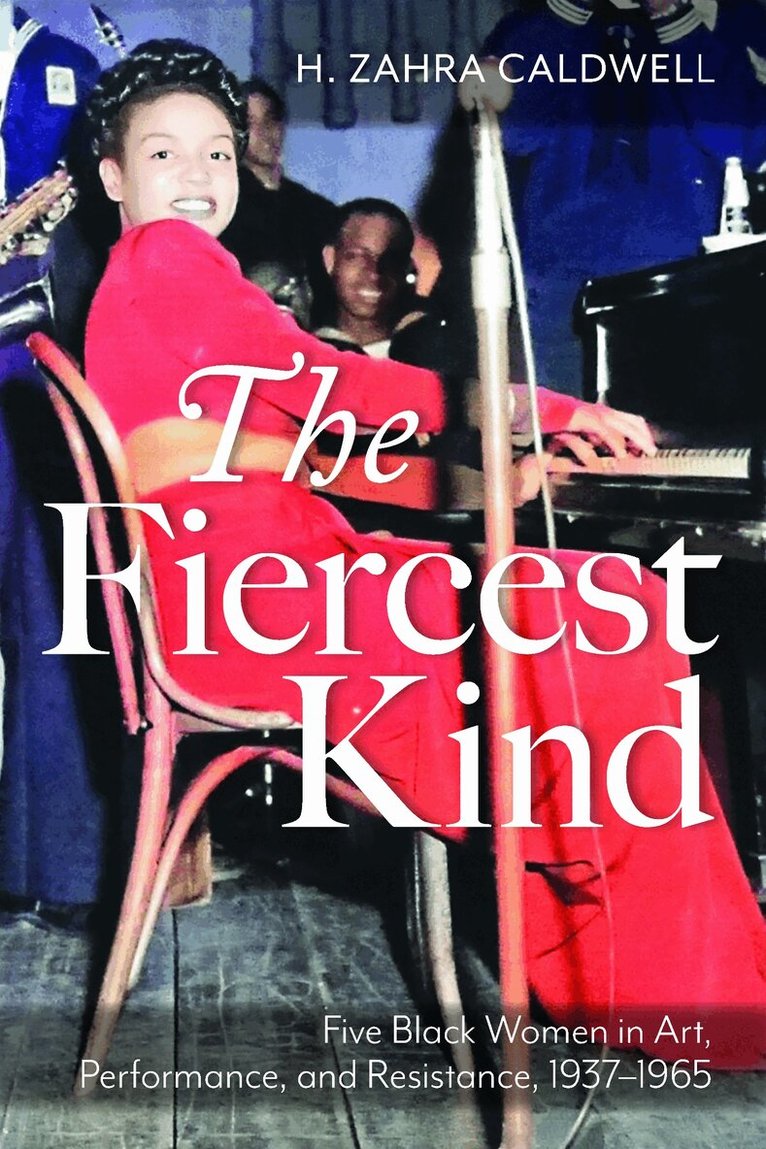
Artists fighting racism and sexism from the end of the Great Depression through the Civil Rights eraIn 1943, the production of the Columbia Pictures film The Heat’s On halted for three days due to an on-set protest by featured performer Hazel Scott. Appalled by the racially demeaning and stereotypical depictions of Black women extras and dancers, Scott—one of the top African American performers of the era—forced the studio to relent. But her protest of Hollywood racism angered powerful white men in the industry, and despite her rising career, she was soon banished from American film.Scott was far from the only Black woman in a creative field to use her professional success as leverage against prejudice. In The Fiercest Kind, cultural historian H. Zahra Caldwell explores the biographical narratives of five Black women at the top of their artistic crafts in the mid-20th century to understand how they pushed back against racism and sexism. From 1937–1963, pianist Hazel Scott, dancer Katherine Dunham, cartoonist Jackie Ormes, multihyphenate fine artist (graphic artist, painter, and sculptor) Elizabeth Catlett, and singer Lena Horne were among the most popular and nationally known Black women in their respective fields, spanning film, television, print media, and fine art. Generating creative works at the end of the Great Depression through the Civil Rights era, they used their professional and personal lives to confront seemingly insurmountable repression through what Caldwell defines as “layered resistance.”A Black feminist practice, layered resistance consists of four tactics: claiming and adapting cultural spaces for Black women; strategically crafting positive images of Black womanhood that directly challenge white supremacy; combining performance and/or visual representation with social and political activism; and choosing unconventional lifestyles that defy rigid gender and racial norms. These artists also lived in, worked in, and supported important Black spaces such as Harlem and Black Chicago. Using a methodology that combines textual analysis, archival research, and oral history, Caldwell understands this strategy within larger movements for Black freedom and equality that spanned the twentieth century and continue to the present day.
Inbunden, Engelska, 2026
923 kr
Kommande
Artists fighting racism and sexism from the end of the Great Depression through the Civil Rights eraIn 1943, the production of the Columbia Pictures film The Heat’s On halted for three days due to an on-set protest by featured performer Hazel Scott. Appalled by the racially demeaning and stereotypical depictions of Black women extras and dancers, Scott—one of the top African American performers of the era—forced the studio to relent. But her protest of Hollywood racism angered powerful white men in the industry, and despite her rising career, she was soon banished from American film.Scott was far from the only Black woman in a creative field to use her professional success as leverage against prejudice. In The Fiercest Kind, cultural historian H. Zahra Caldwell explores the biographical narratives of five Black women at the top of their artistic crafts in the mid-20th century to understand how they pushed back against racism and sexism. From 1937–1963, pianist Hazel Scott, dancer Katherine Dunham, cartoonist Jackie Ormes, multihyphenate fine artist (graphic artist, painter, and sculptor) Elizabeth Catlett, and singer Lena Horne were among the most popular and nationally known Black women in their respective fields, spanning film, television, print media, and fine art. Generating creative works at the end of the Great Depression through the Civil Rights era, they used their professional and personal lives to confront seemingly insurmountable repression through what Caldwell defines as “layered resistance.”A Black feminist practice, layered resistance consists of four tactics: claiming and adapting cultural spaces for Black women; strategically crafting positive images of Black womanhood that directly challenge white supremacy; combining performance and/or visual representation with social and political activism; and choosing unconventional lifestyles that defy rigid gender and racial norms. These artists also lived in, worked in, and supported important Black spaces such as Harlem and Black Chicago. Using a methodology that combines textual analysis, archival research, and oral history, Caldwell understands this strategy within larger movements for Black freedom and equality that spanned the twentieth century and continue to the present day.
Häftad, Engelska, 2026
352 kr
Kommande
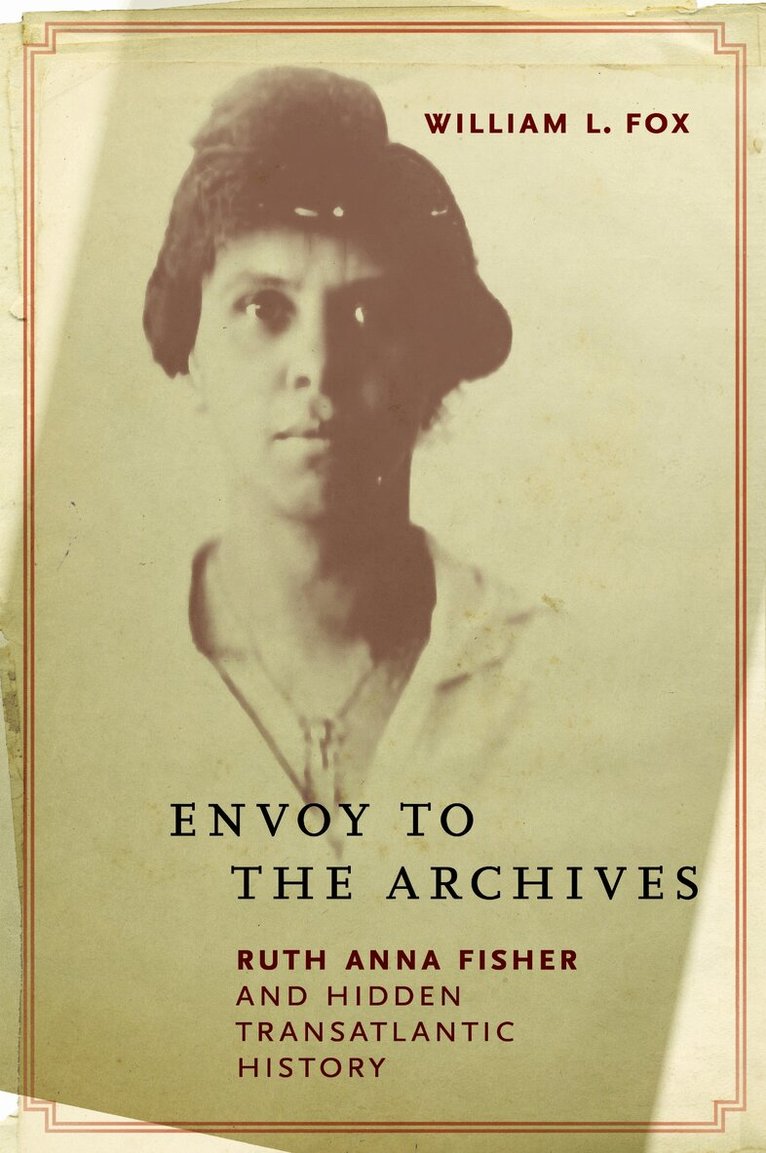
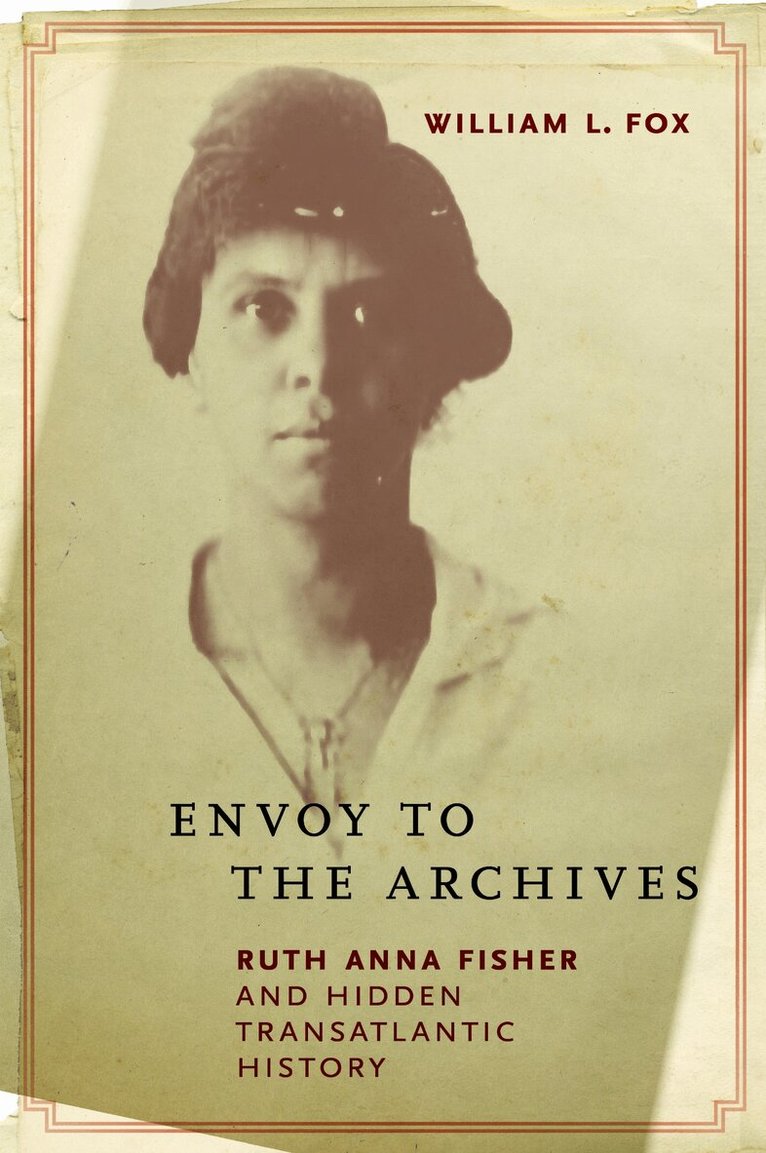
How a pioneering manuscript librarian and intellectual uncovered buried records that reshaped America’s past As the London-based agent of the US Library of Congress, Ruth Anna Fisher (1886–1975) profoundly shaped the field of US history. Working at the British Museum and Public Record Office between the world wars, she was responsible for a vast program of identifying and copying up to a million documents related to American history, with prescient attention to the transatlantic slave trade. This monumental achievement has provided countless scholars access to source materials that might have remained hidden in repositories throughout Britian without Fisher’s brilliant discernment and tireless labor. In Envoy to the Archives, William L. Fox offers the first full-length biography of this remarkable American intellectual. Born to a prominent African American family in northern Ohio, Fisher was keenly aware of racial issues throughout her life. She was associated with key thinkers in the Harlem Renaissance and the twentieth century transatlantic world, including W. E. B. Du Bois, Harold Laski, and J. Franklin Jameson. A trailblazer in historical research, Fisher was among a small group of Black women who first joined the ranks of professional library work, and her efforts in London coincided with the creation and consolidation of the US National Archives in the 1930s. She also mastered technologies that were new at the time, including photostat reproduction and microfilm—precursors to the many historical digitization projects of our own era. This engrossing biography adds to the growing body of work centered on Black women archivists, librarians, and curators. Fox draws on a wide range of archival sources, including the personal papers of prominent Black thinkers (Fisher’s were destroyed in the bombing of London in 1940), and various institutional records at the Library of Congress and the Carnegie Institution of Washington. Fox also knew Fisher personally, adding warmth and insight into this captivating portrait.
Inbunden, Engelska, 2026
923 kr
Kommande
How a pioneering manuscript librarian and intellectual uncovered buried records that reshaped America’s past As the London-based agent of the US Library of Congress, Ruth Anna Fisher (1886–1975) profoundly shaped the field of US history. Working at the British Museum and Public Record Office between the world wars, she was responsible for a vast program of identifying and copying up to a million documents related to American history, with prescient attention to the transatlantic slave trade. This monumental achievement has provided countless scholars access to source materials that might have remained hidden in repositories throughout Britian without Fisher’s brilliant discernment and tireless labor. In Envoy to the Archives, William L. Fox offers the first full-length biography of this remarkable American intellectual. Born to a prominent African American family in northern Ohio, Fisher was keenly aware of racial issues throughout her life. She was associated with key thinkers in the Harlem Renaissance and the twentieth century transatlantic world, including W. E. B. Du Bois, Harold Laski, and J. Franklin Jameson. A trailblazer in historical research, Fisher was among a small group of Black women who first joined the ranks of professional library work, and her efforts in London coincided with the creation and consolidation of the US National Archives in the 1930s. She also mastered technologies that were new at the time, including photostat reproduction and microfilm—precursors to the many historical digitization projects of our own era. This engrossing biography adds to the growing body of work centered on Black women archivists, librarians, and curators. Fox draws on a wide range of archival sources, including the personal papers of prominent Black thinkers (Fisher’s were destroyed in the bombing of London in 1940), and various institutional records at the Library of Congress and the Carnegie Institution of Washington. Fox also knew Fisher personally, adding warmth and insight into this captivating portrait.
Häftad, Engelska, 2027
407 kr
Kommande
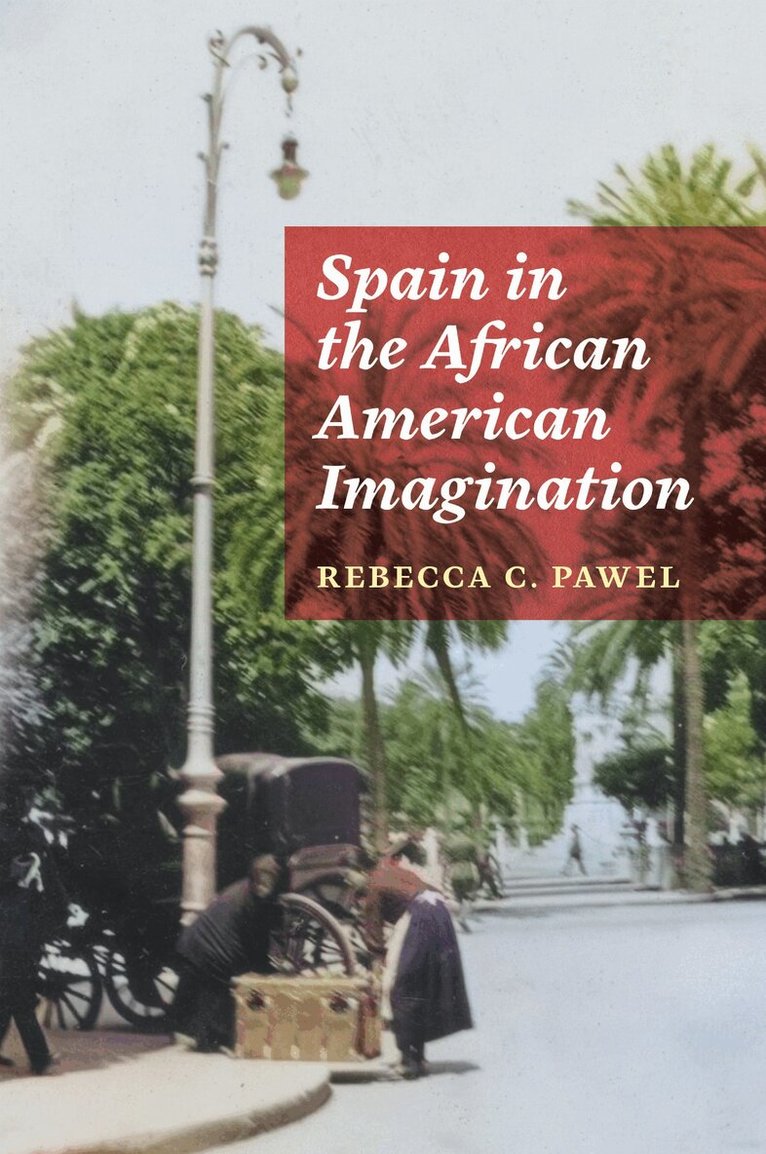
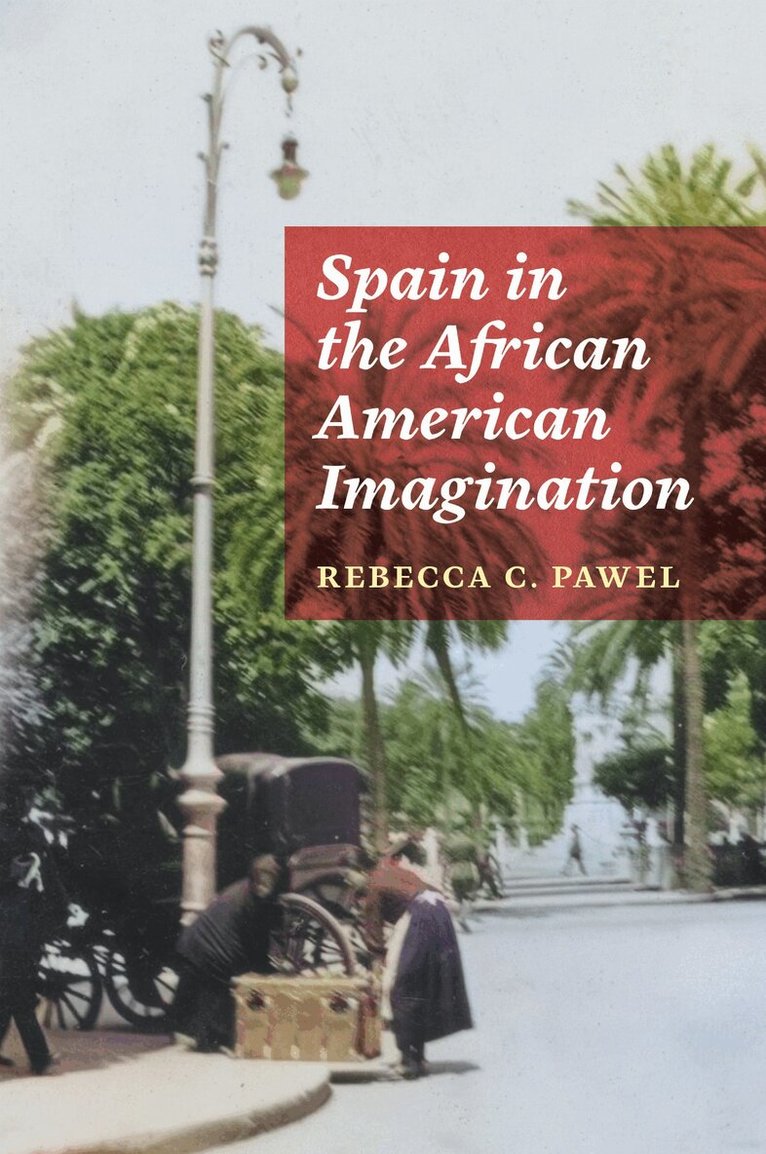
Revealing how African American intellectuals reframed race, history, and cultural belonging in the modern eraIn 1954, Richard Wright rented a car in France and drove south to the Spanish border on the first of two month-long trips that gave rise to the travelogue Pagan Spain, where Wright declared that the Pyrenees, on the France-Spain border, "mark the termination of Europe and the beginning of Africa." While Spain was not actually seen as an African country, such language suggests instead that Spain would be incomplete without African influences. In the wake of the Spanish-American war of 1898, Americans and Northern Europeans attributed Spain's weakened economy and loss of international clout to an inability to modernize, which they described in highly racialized terms. As African American modernists explored the country, they compared modernist notions coming out of the United States pertaining to race, gender, and other categories against Spain's history and contemporary culture.Spain in the African American Imagination traces how African American intellectuals in the mid-20th century, including Wright, Arthur Schomburg, Langston Hughes, Dorothy Peterson, and Frank Yerby, interpreted Spanish national myths. Rebecca Pawel argues that a literary idea of Spain as eternally "medieval" or "primitive" gave African American writers a conceptual space for thinking about the ways race is constructed through historical narrative. Spain provided a location that was considered ipso facto archaic and thus used racial referents typical of an era removed from the present in a space that was not quite African and not quite European. Ultimately, Pawel argues, Spain became a powerful lens through which African American intellectuals rewrote racial narratives and reimagined modernity across the Atlantic.
Inbunden, Engelska, 2027
1 031 kr
Kommande
Revealing how African American intellectuals reframed race, history, and cultural belonging in the modern eraIn 1954, Richard Wright rented a car in France and drove south to the Spanish border on the first of two month-long trips that gave rise to the travelogue Pagan Spain, where Wright declared that the Pyrenees, on the France-Spain border, "mark the termination of Europe and the beginning of Africa." While Spain was not actually seen as an African country, such language suggests instead that Spain would be incomplete without African influences. In the wake of the Spanish-American war of 1898, Americans and Northern Europeans attributed Spain's weakened economy and loss of international clout to an inability to modernize, which they described in highly racialized terms. As African American modernists explored the country, they compared modernist notions coming out of the United States pertaining to race, gender, and other categories against Spain's history and contemporary culture.Spain in the African American Imagination traces how African American intellectuals in the mid-20th century, including Wright, Arthur Schomburg, Langston Hughes, Dorothy Peterson, and Frank Yerby, interpreted Spanish national myths. Rebecca Pawel argues that a literary idea of Spain as eternally "medieval" or "primitive" gave African American writers a conceptual space for thinking about the ways race is constructed through historical narrative. Spain provided a location that was considered ipso facto archaic and thus used racial referents typical of an era removed from the present in a space that was not quite African and not quite European. Ultimately, Pawel argues, Spain became a powerful lens through which African American intellectuals rewrote racial narratives and reimagined modernity across the Atlantic.