Abena Ampofoa Asare - Böcker
Visar alla böcker från författaren Abena Ampofoa Asare. Handla med fri frakt och snabb leverans.
3 produkter
3 produkter
909 kr
Skickas inom 10-15 vardagar
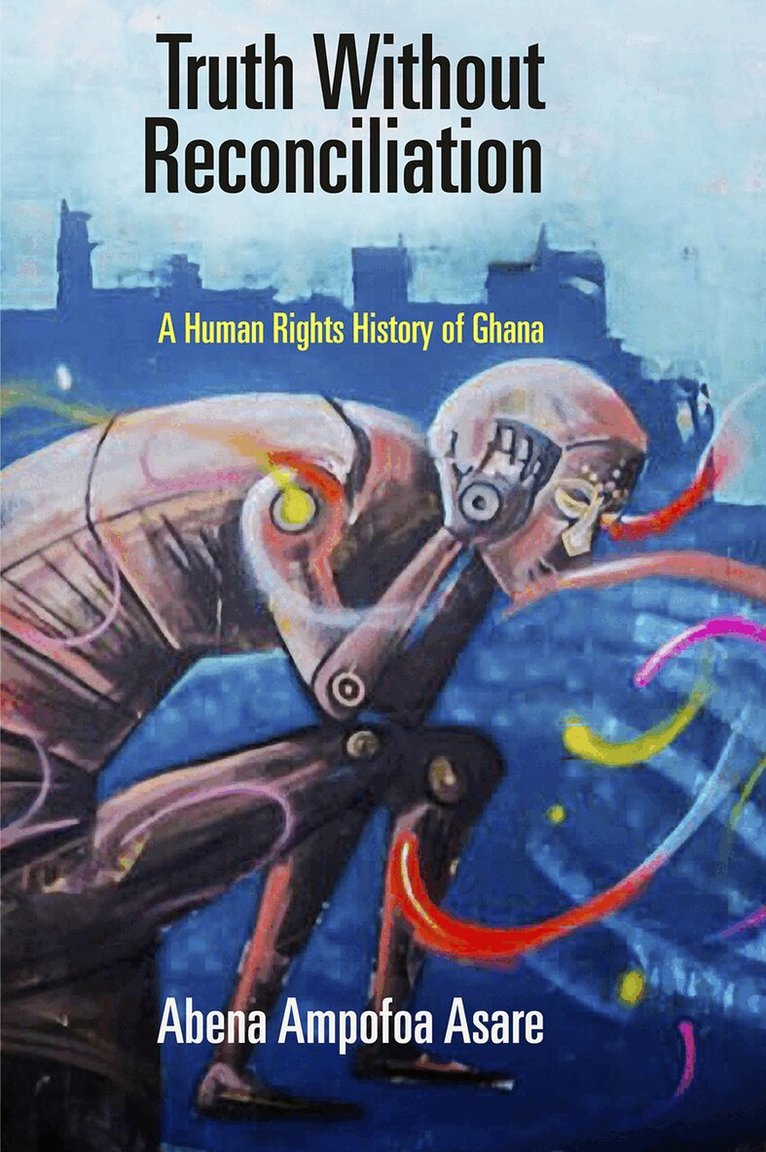
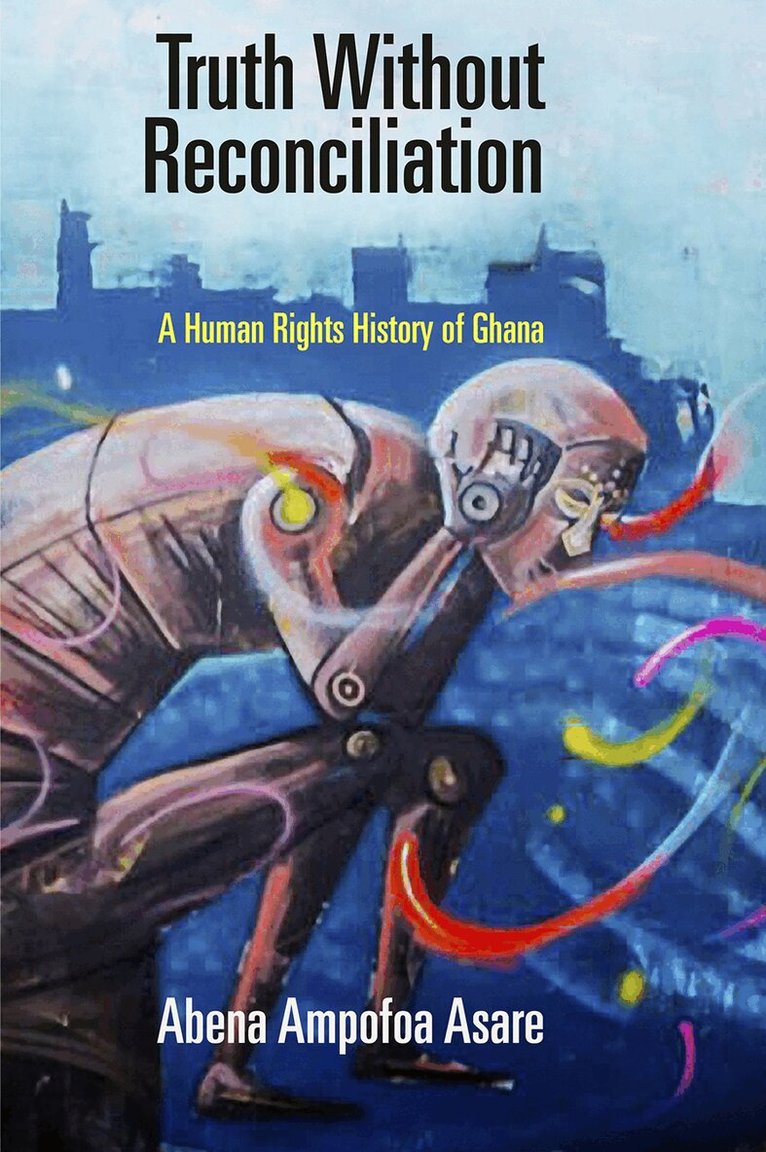
Although truth and reconciliation commissions are supposed to generate consensus and unity in the aftermath of political violence, Abena Ampofoa Asare identifies cacophony as the most valuable and overlooked consequence of this process in Ghana. By collecting and preserving the voices of a diverse cross-section of the national population, Ghana's National Reconciliation Commission (2001-2004) created an unprecedented public archive of postindependence political history as told by the self-described victims of human rights abuse.The collected voices in the archives of this truth commission expand Ghana's historic record by describing the state violence that seeped into the crevices of everyday life, shaping how individuals and communities survived the decades after national independence. Here, victims of violence marshal the language of international human rights to assert themselves as experts who both mourn the past and articulate the path toward future justice.There are, however, risks as well as rewards for dredging up this survivors' history of Ghana. The revealed truth of Ghana's human rights history is the variety and dissonance of suffering voices. These conflicting and conflicted records make it plain that the pursuit of political reconciliation requires, first, reckoning with a violence that is not past but is preserved in national institutions and individual lives. By exploring the challenge of human rights testimony as both history and politics, Asare charts a new course in evaluating the success and failures of truth and reconciliation commissions in Africa and around the world.
355 kr
Skickas inom 7-10 vardagar
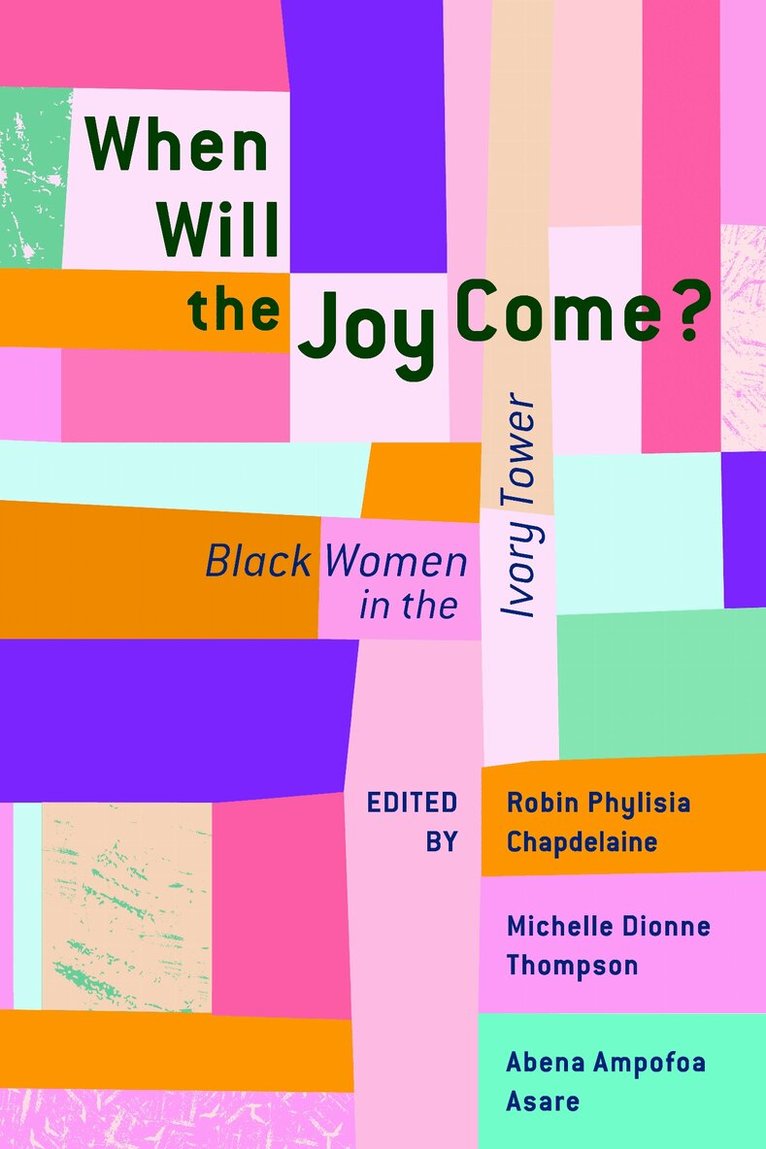
How do Black women in higher education create, experience, and understand joy? What sustains them? While scholars have long documented sexism, racism, and classism in the academy, one topic has been conspicuously absent from the literature—how Black women academics have found joy in the midst of adversity. Moving beyond questions of resilience, labor for others, and coping, When Will the Joy Come? focuses on the journeys of over thirty Black women at various stages of their careers. Joy is a mixture of well-being, pleasure, alignment, and purpose that can be elusive for Black women scholars. With racial reckoning and a global pandemic as context, this volume brings together honest and vital essays that ponder how Black women balance fatigue and frustrations in the halls of the ivory tower, and explore where, when, and if joy enters their lives. By carefully contemplating the emotional, physical, and material consequences of their labor, this collection demonstrates that joy is a tactical and strategic component of Black women’s struggle.
1 201 kr
Skickas inom 7-10 vardagar
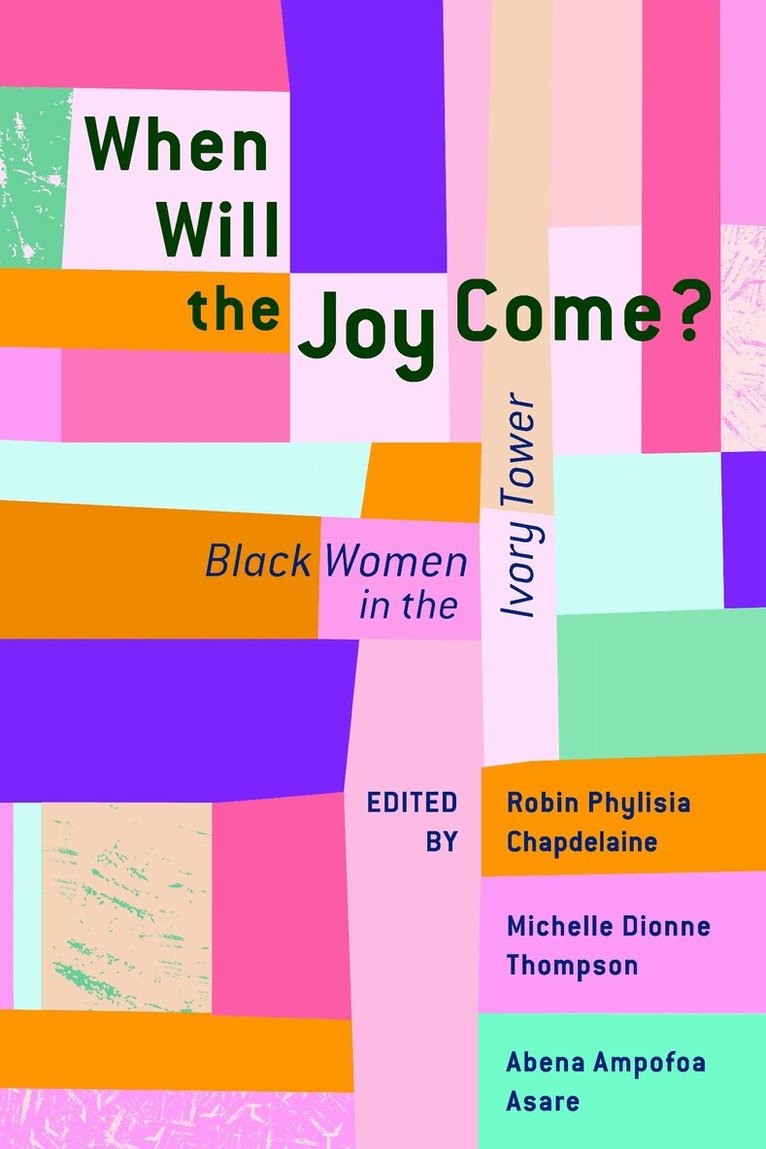
How do Black women in higher education create, experience, and understand joy? What sustains them? While scholars have long documented sexism, racism, and classism in the academy, one topic has been conspicuously absent from the literature—how Black women academics have found joy in the midst of adversity. Moving beyond questions of resilience, labor for others, and coping, When Will the Joy Come? focuses on the journeys of over thirty Black women at various stages of their careers. Joy is a mixture of well-being, pleasure, alignment, and purpose that can be elusive for Black women scholars. With racial reckoning and a global pandemic as context, this volume brings together honest and vital essays that ponder how Black women balance fatigue and frustrations in the halls of the ivory tower, and explore where, when, and if joy enters their lives. By carefully contemplating the emotional, physical, and material consequences of their labor, this collection demonstrates that joy is a tactical and strategic component of Black women’s struggle.