Louis J. Parascandola - Böcker
Visar alla böcker från författaren Louis J. Parascandola. Handla med fri frakt och snabb leverans.
13 produkter
13 produkter
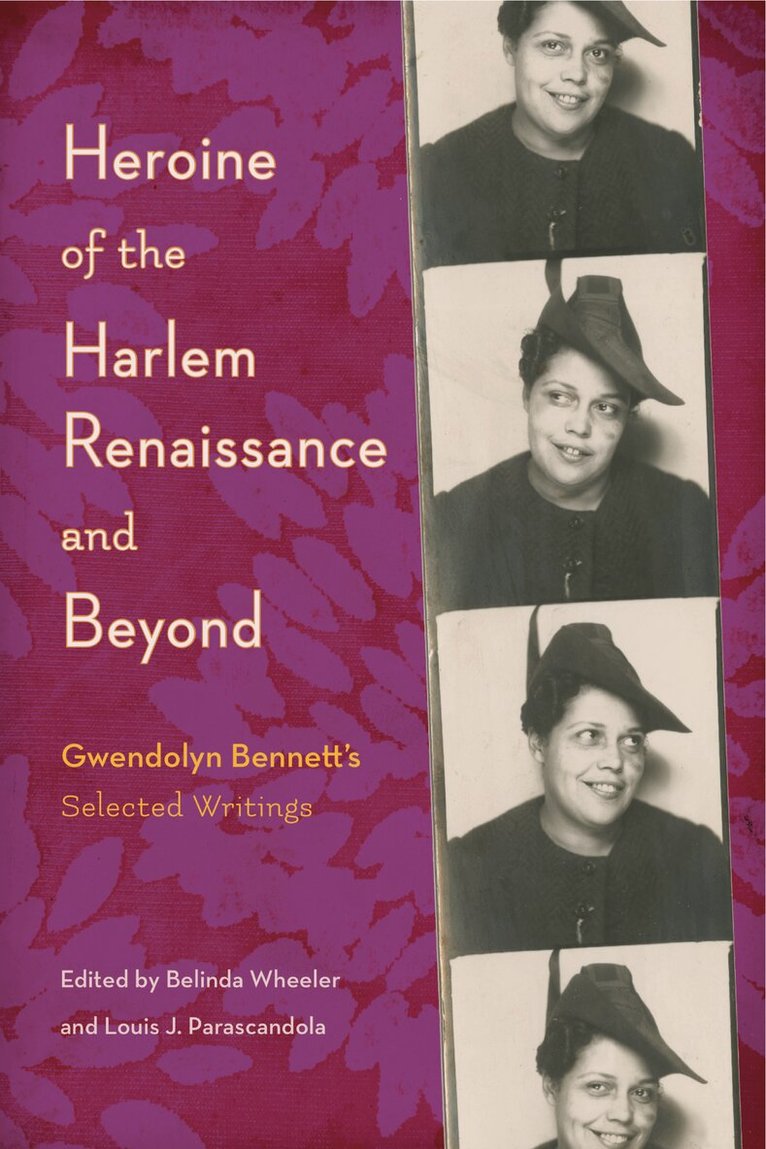
Heroine of the Harlem Renaissance and Beyond
Gwendolyn Bennett’s Selected Writings
Inbunden, Engelska, 2018
718 kr
Skickas inom 5-8 vardagar
Poet, columnist, artist, and fiction writer Gwendolyn Bennett is considered by many to have been one of the youngest leaders of the Harlem Renaissance and a strong advocate for racial pride and the rights of African American women. Heroine of the Harlem Renaissance and Beyond presents key selections of her published and unpublished writings and artwork in one volume.From poems, short stories, and reviews to letters, journal entries, and art, this collection showcases Bennett’s diverse and insightful body of work and rightfully places her alongside her contemporaries in the Harlem Renaissance—figures such as Zora Neale Hurston, Langston Hughes, and Countee Cullen. It includes selections from her monthly column “The Ebony Flute,” published in Opportunity, the magazine of the National Urban League, as well as newly uncovered post-1928 work that proves definitively that Bennett continued writing throughout the following two decades. Bennett’s correspondence with canonical figures from the period, her influence on Harlem arts institutions, and her political writings, reviews, and articles show her deep connection to and lasting influence on the movement that shaped her early career.An indispensable introduction to one of the era’s most prolific and passionate minds, this reevaluation of Bennett’s life and work deepens our understanding of the Harlem Renaissance and enriches the world of American letters. It will be of special value to scholars and readers interested in African American literature and art and American history and cultural studies.
Heroine of the Harlem Renaissance and Beyond
Gwendolyn Bennett’s Selected Writings
Häftad, Engelska, 2018
213 kr
Skickas inom 11-20 vardagar
Poet, columnist, artist, and fiction writer Gwendolyn Bennett is considered by many to have been one of the youngest leaders of the Harlem Renaissance and a strong advocate for racial pride and the rights of African American women. Heroine of the Harlem Renaissance and Beyond presents key selections of her published and unpublished writings and artwork in one volume.From poems, short stories, and reviews to letters, journal entries, and art, this collection showcases Bennett’s diverse and insightful body of work and rightfully places her alongside her contemporaries in the Harlem Renaissance—figures such as Zora Neale Hurston, Langston Hughes, and Countee Cullen. It includes selections from her monthly column “The Ebony Flute,” published in Opportunity, the magazine of the National Urban League, as well as newly uncovered post-1928 work that proves definitively that Bennett continued writing throughout the following two decades. Bennett’s correspondence with canonical figures from the period, her influence on Harlem arts institutions, and her political writings, reviews, and articles show her deep connection to and lasting influence on the movement that shaped her early career.An indispensable introduction to one of the era’s most prolific and passionate minds, this reevaluation of Bennett’s life and work deepens our understanding of the Harlem Renaissance and enriches the world of American letters. It will be of special value to scholars and readers interested in African American literature and art and American history and cultural studies.
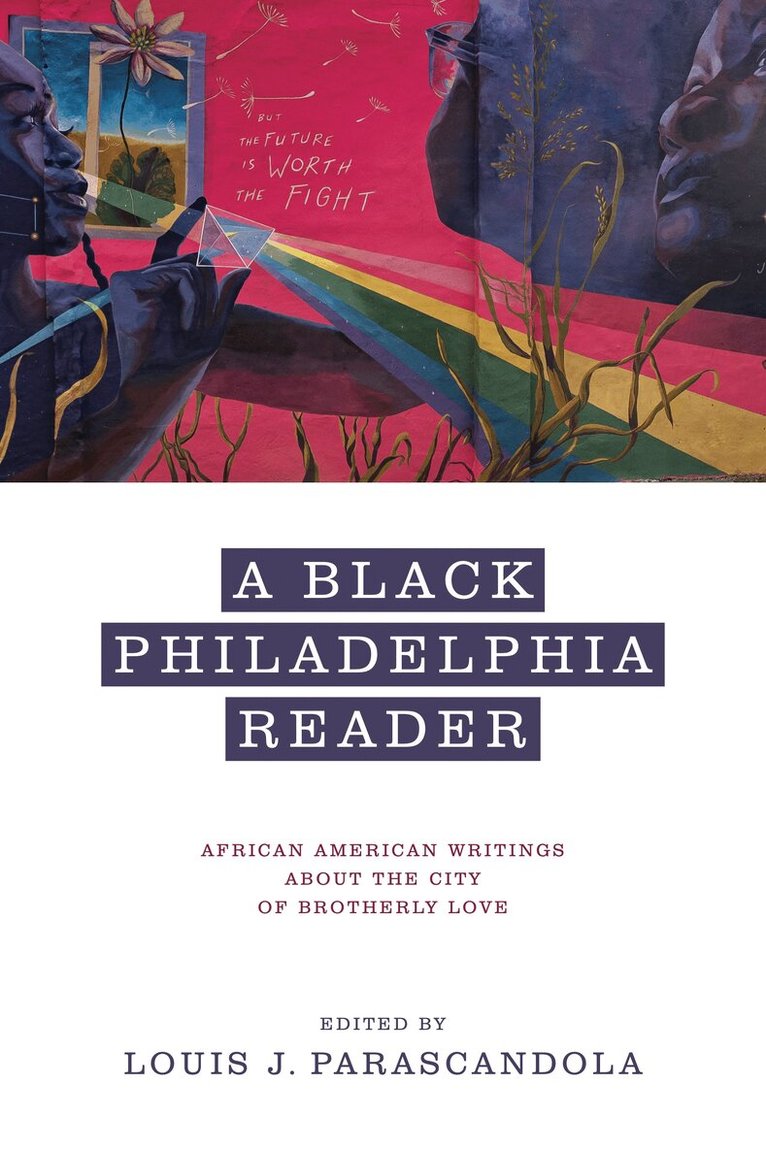
Black Philadelphia Reader
African American Writings About the City of Brotherly Love
Häftad, Engelska, 2024
333 kr
Skickas inom 7-10 vardagar
The relationship between the City of Brotherly Love and its Black residents has been complicated from the city’s founding through the present day. A Black Philadelphia Reader traces this complex history in the words of Black writers who were native to, lived in, or had significant connections to the city. Featuring the works of famous authors—including W. E. B. Du Bois, Harriet Jacobs, Sonia Sanchez and John Edgar Wideman—alongside lesser-known voices, this reader is an immersive and enriching composite portrait of the Black experience in Philadelphia. Through fiction and nonfiction, poetry and prose, readers witness episodes of racial prejudice and gender inequality in areas like public health, housing, education, policing, criminal justice, and public transportation. And yet amid these myriad challenges, the writers convey an enduring faith, a love of family and community, and a hope that Philadelphia will fulfill its promises to its Black citizens.Thoughtfully introduced and accompanied by notes that contextualize the works and aid readers’ comprehension, this book will appeal to a wide audience of Philadelphians and other readers interested in American, African American, and urban studies.
298 kr
Skickas inom 10-15 vardagar
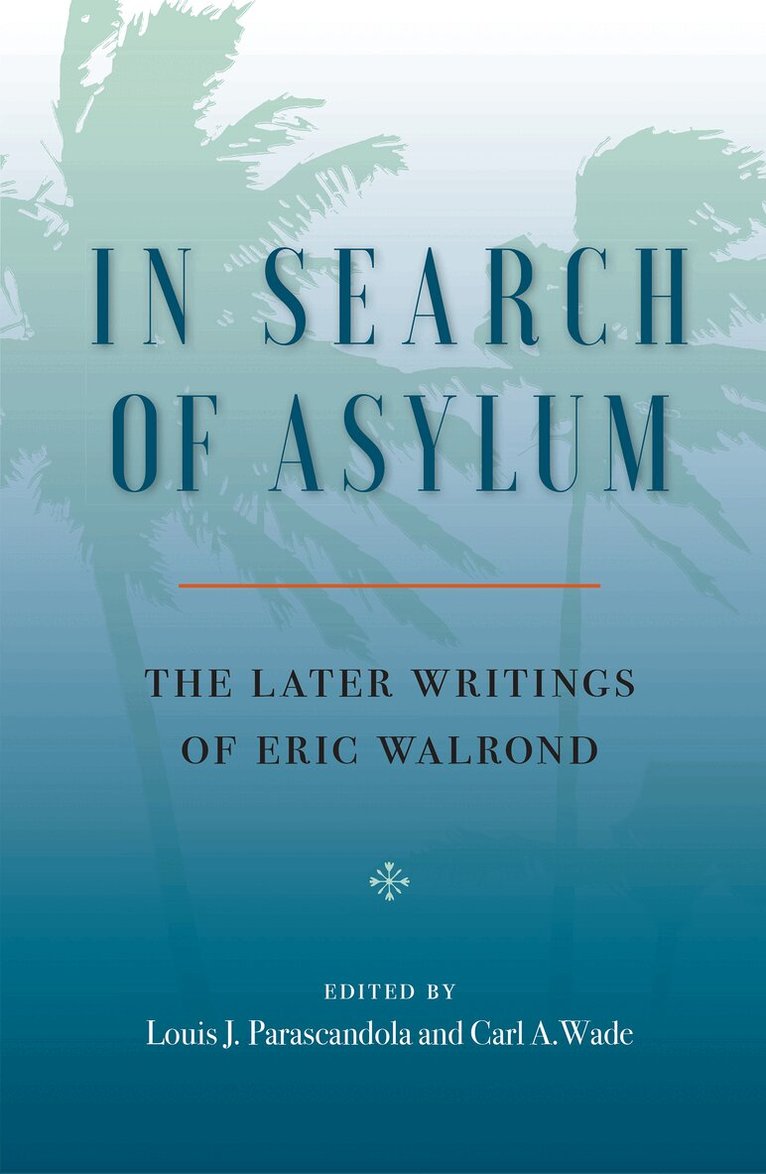
Eric Walrond is one of the great underexamined figures of the Harlem Renaissance and the Caribbean diaspora. Very little of his later work has been subsequently published or made readily available to American scholars. His writings, set in the Caribbean, the United States, and Europe, discuss imperialism, racism, the role of the black writer, black identity, and immigration-all topics of vital concern today.Born in British Guiana (now Guyana), Walrond moved to New York City in 1918 where he worked briefly for Marcus Garvey and became a protégé of Charles S. Johnson. During that time, he wrote short fiction as well as nonfiction and gained a measure of fame for his 1926 collection, Tropic Death.In Search of Asylum compiles Walrond’s European journalism and later fiction, as well as the pieces he wrote during the 1950s at Roundway Hospital in Wiltshire, England, where he was a voluntary patient. Louis Parascandola and Carl Wade have assembled a collection that at last fills in the biographical gaps in Walrond’s life, providing insights into the contours of his later work and the cultural climates in which he functioned between 1928 and his death in 1966.
375 kr
Skickas inom 10-15 vardagar
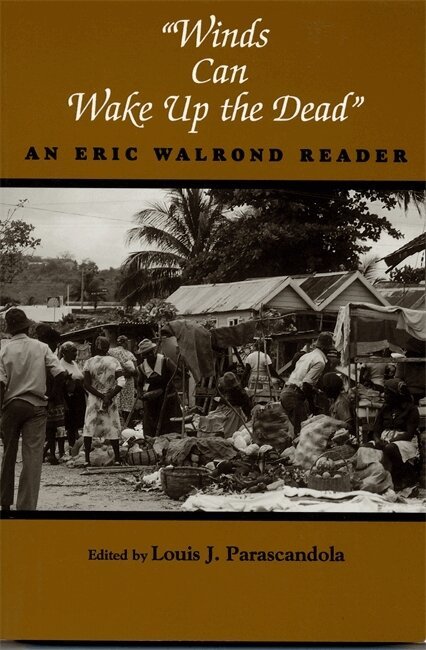
Eric Walrond (1898-1966) was a significant figure in the Harlem Renaissance and New Negro Movement and a seminal writer of Black diasporic life. This anthology brings together a broad sampling of his writings.
436 kr
Skickas inom 10-15 vardagar
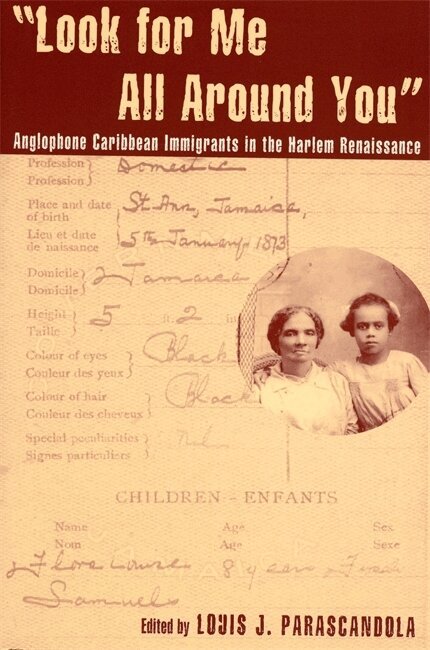
Interdisciplinary in scope, this anthology redresses the undue neglect of Anglophone Caribbeans - almost 25 percent of the black population in Harlem in 1920 - and their pivotal role in the literary, cultural, and political events shaping the Harlem Renaissance. The poetry, fiction, drama, and essays included explore a variety of issues, such as the increasing emphasis on race and image building, the development of a black aesthetic, progressive politics, and the struggle to define the status of blacks in America. Both the literary and political works show the spirit of the New Negro, one emphasizing racial pride and aesthetic consciousness. Examined closely are the black and Carribean American figures involved in the black nationalism movement, socialist groups, and trade unions, including such prominent figures as Marcus Carvey and his two wives, Amy Ashwood and Amy Jacques Garvey, Hubert Harrison, W. A. Domingo, and Frank Crosswaith. Also explored are the developing communist movements as manifested in the writings of Cyril Briggs, Richard B. Moore, Otto Huiswoud, and George Padmore. Essays review the crucial literary contributions of Claude McKay, Eric Walrond, and dramatist Eulalie Spence, as well as historians Arthur Schomburg and J. A. Rogers. This anthology of writers, with accompanying discussions about their works placed in the context of their own time, will be of interest to anyone examinino the Harlem Renaissance and the larger black and Caribbean contribution to cultural and political thinking.
619 kr
Skickas inom 10-15 vardagar
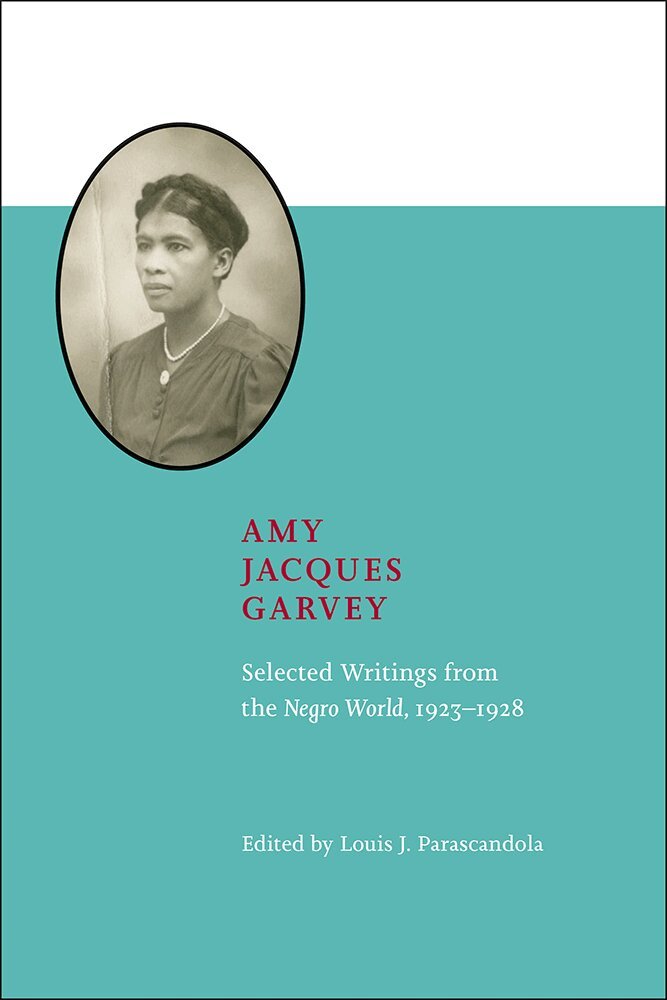
Amy Jacques Garvey was one of the most prolific women within any Black nationalist group, yet she has largely only been discussed in relationship to her husband, Black nationalist Marcus Garvey, and as the editor of the Philosophy and Opinions of Marcus Garvey. Much of her writing has remained unavailable to the public, lost to the archives, until now. Amy Jacques Garvey: Selected Writings from the Negro World, 1923–1928 seeks to fill this void by making her writings in the Negro World widely available for the first time.Editor Louis J. Parascandola compiles a wide swath of Jacques Garvey’s work in this groundbreaking collection. Born and educated in Jamaica, Jacques Garvey’s atypical opportunity to receive education at elite Jamaican schools, along with her later jobs as a clerk and secretary, prepared her for future positions as journalist and political administrator. She also possessed the rhetorical skills and independent thinking that would help her challenge Marcus Garvey and the other men in Garvey’s organization, the Universal Negro Improvement Association and African Communities League (UNIA). In allowing Jacques Garvey’s work to largely speak for itself, the volume reveals that she concerned herself with a diversity of important and often controversial political and social issues rather than the stereotypical domestic matters expected of most woman’s pages of the time period.By examining her selected writings in the Negro World, this volume affords its readers a better understanding of Jacques Garvey’s powerful contribution not only to Garveyism but also to the growth of Black radical thought, anti-imperialist ideology, and the rights of third-world women. This timely study sheds new light on Jacques Garvey’s pivotal role as a Black female writer and thinker during the twenties.
787 kr
Skickas inom 10-15 vardagar
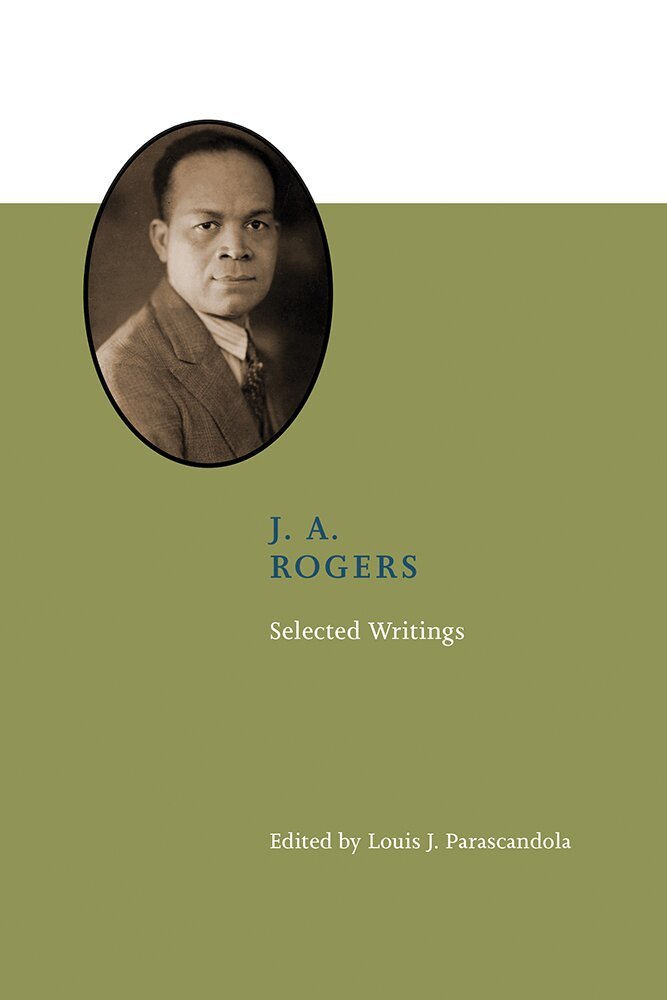
“No man living has revealed so many important facts about the Negro race as has Rogers,” wrote W. E. B. DuBois. Indeed, as Henry Louis Gates Jr. contends, J. A. Rogers was often the only source for an ordinary Black person to learn of their history from the 1920s through the 1970s. Now Louis J. Parascandola makes available an accessible collection of Rogers’s writings for a new generation.Joel Augustus Rogers was born in Negril, Jamaica, in the late nineteenth century, where—although his father was a teacher—he received only basic education. Rogers emigrated to the United States and studied at the Art Institute of Chicago while working as a Pullman porter. He later took up journalism and moved to New York for better opportunities, writing for papers and journals published by the likes of Marcus Garvey, W. E. B. DuBois, and H. L. Mencken. While working with the Pittsburgh Courier, he was assigned to cover the Italo-Ethiopian War (1935–1937), becoming the first American Black foreign war correspondent. His column for the Courier became vital to the Black middle class, conveying stories of Black achievements and relating a distinguished history that imparted knowledge and pride. He continued this work with his books 100 Amazing Facts about the Negro with Complete Proof, the two-volume The World’s Great People of Color 3000 B.C. to 1946 A.D., and the novel From Superman to Man.This engaging collection represents the wide range of Rogers’s work across time and demonstrates his intellectual philosophy. J. A. Rogers: Selected Writings is required reading for anyone interested in Black nationalism, Black journalism, Black literature, and Pan-African culture and identity.
385 kr
Skickas inom 7-10 vardagar
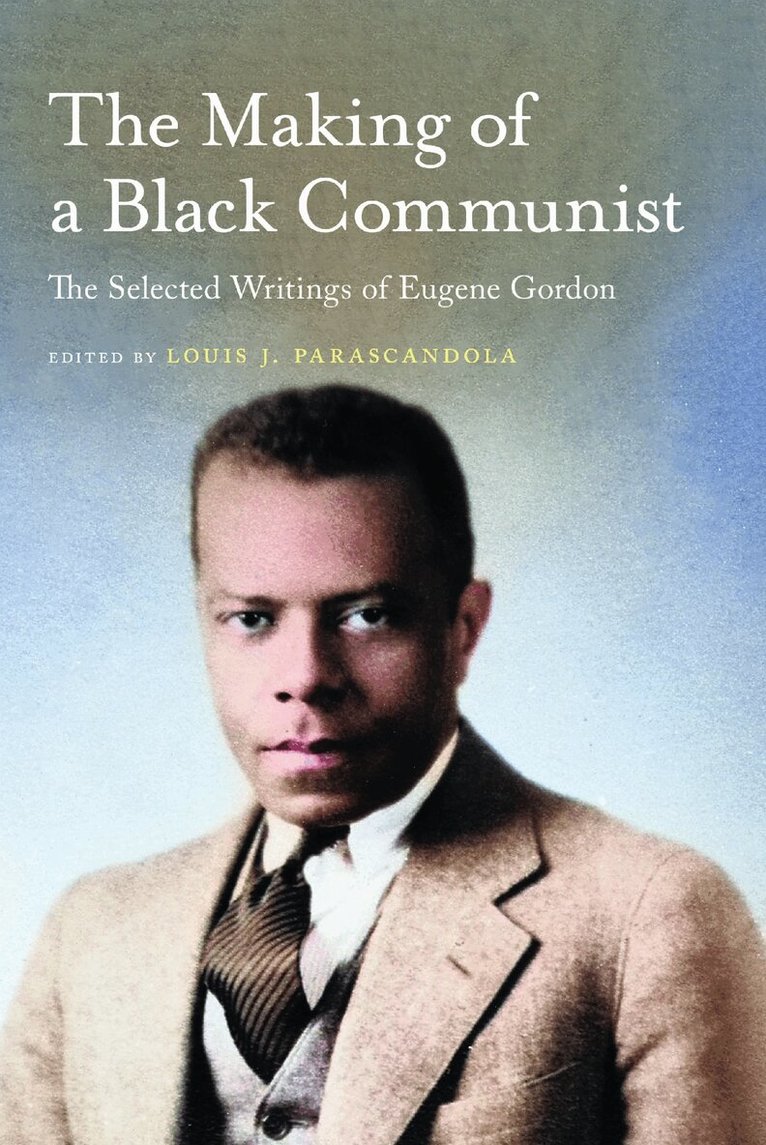
Eugene Gordon (1891–1974) was a major writer involved in the development of the burgeoning Black literary scene in Boston in the 1920s, an active player in the Harlem Renaissance, and a longtime member of the Communist Party. Despite his credentials as a reporter, editor, fiction writer, and political activist, he is rarely mentioned in studies of the Harlem Renaissance or Marxist politics. Here, Louis Parascandola has pulled together Gordon’s journalism, autobiographical writing, and fiction. This new collection, featuring both previously published pieces from a wide variety of publications as well as material that has never before been published, demonstrates his range and his skill while establishing his importance as a critical voice of his time.Gordon was born and raised in the South but made his way north at a young age. In Boston, he founded the Saturday Evening Quill Club, an African American literary group that included other notable writers such as Helene Johnson and Dorothy West. He later became editor of and contributor to two major publications coming out of the era: the Messenger and Opportunity: A Journal of Negro Life. As he grew more political, he joined the Communist Party in the 1930s and became editor of and contributor to the New Masses. Scholars looking to research him have struggled to find disparate writings to get a fuller sense of his literary stylings as well as his political commitments. This welcome new volume establishes Gordon as a significant, understudied figure.
1 073 kr
Skickas inom 7-10 vardagar
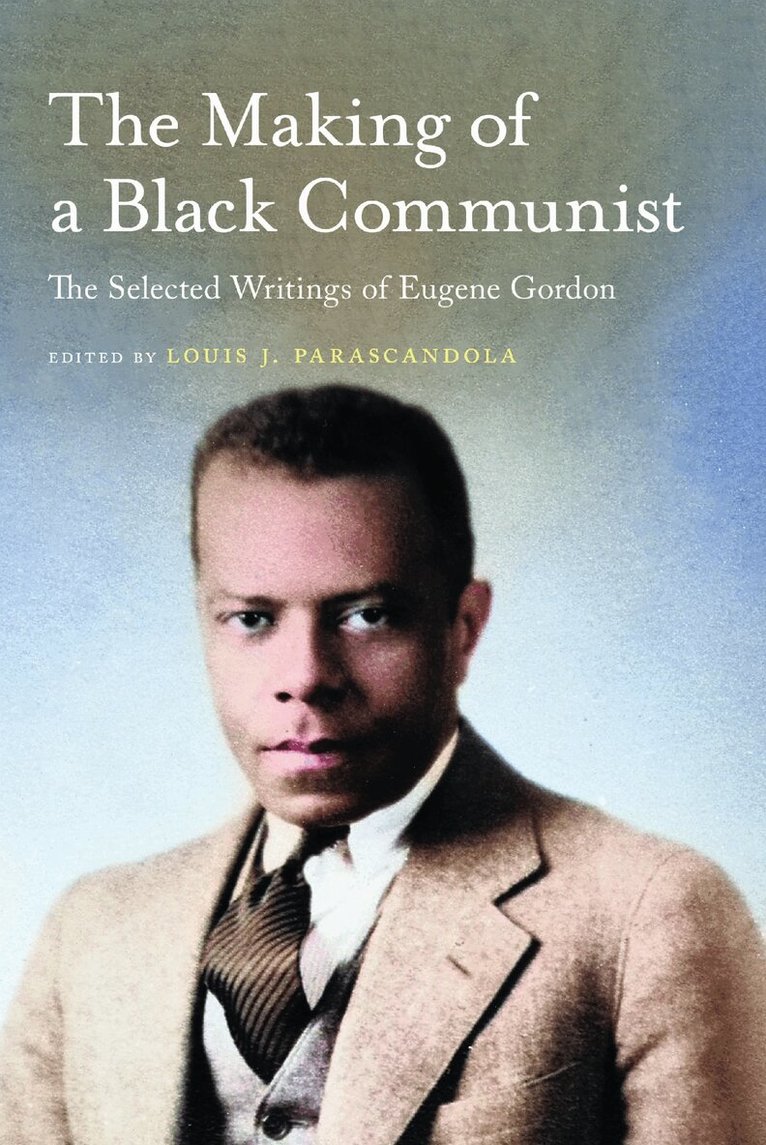
Eugene Gordon (1891–1974) was a major writer involved in the development of the burgeoning Black literary scene in Boston in the 1920s, an active player in the Harlem Renaissance, and a longtime member of the Communist Party. Despite his credentials as a reporter, editor, fiction writer, and political activist, he is rarely mentioned in studies of the Harlem Renaissance or Marxist politics. Here, Louis Parascandola has pulled together Gordon’s journalism, autobiographical writing, and fiction. This new collection, featuring both previously published pieces from a wide variety of publications as well as material that has never before been published, demonstrates his range and his skill while establishing his importance as a critical voice of his time.Gordon was born and raised in the South but made his way north at a young age. In Boston, he founded the Saturday Evening Quill Club, an African American literary group that included other notable writers such as Helene Johnson and Dorothy West. He later became editor of and contributor to two major publications coming out of the era: the Messenger and Opportunity: A Journal of Negro Life. As he grew more political, he joined the Communist Party in the 1930s and became editor of and contributor to the New Masses. Scholars looking to research him have struggled to find disparate writings to get a fuller sense of his literary stylings as well as his political commitments. This welcome new volume establishes Gordon as a significant, understudied figure.
341 kr
Kommande
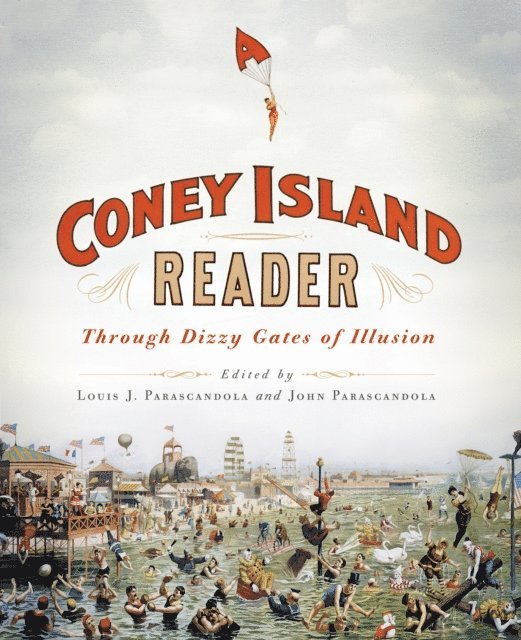
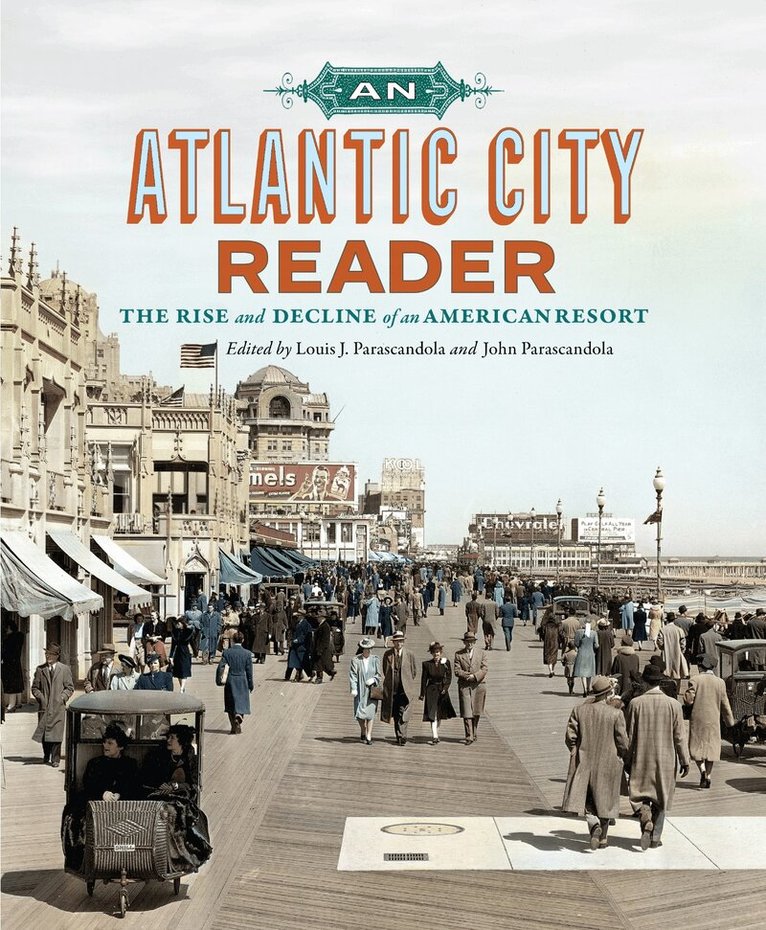
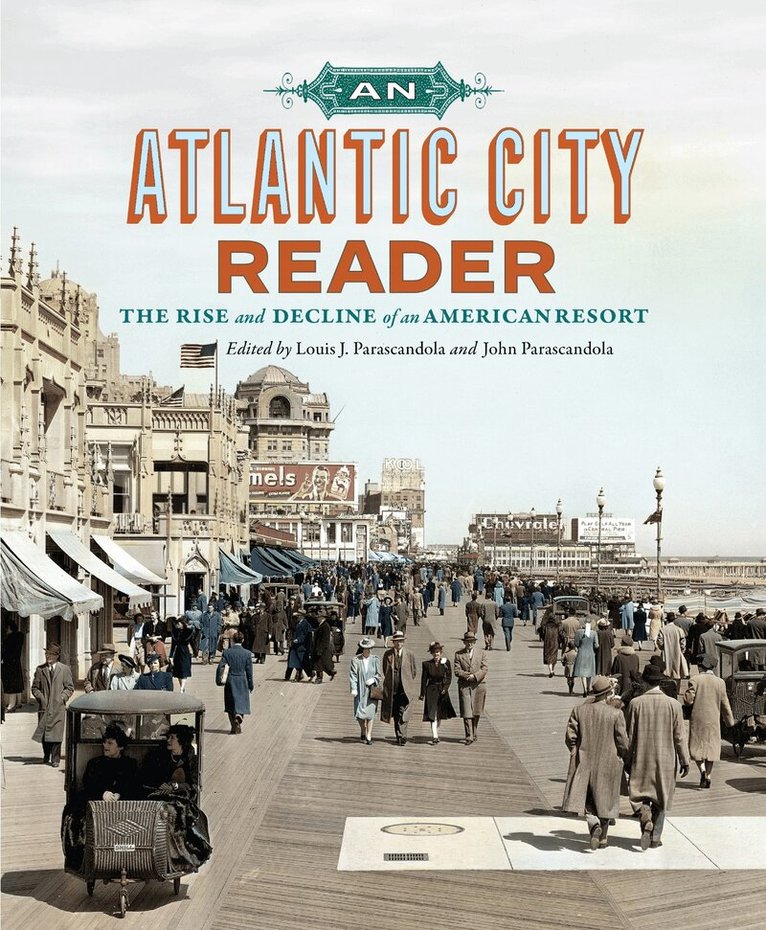
As Atlantic City grew to become one of the largest tourist destinations on the East Coast, it loomed ever larger in the imaginations of American writers. Generation upon generation of novelists, journalists, musicians, and poets visited Atlantic City and left with vivid impressions of its kaleidoscopic delights and its seedy underbelly.This new reader collects all of these diverse perspectives on the city in one place, including accounts of Atlantic City by such famous visitors as Walt Whitman, William Carlos Williams, Fanny Hurst, Arthur Conan Doyle, Damon Runyon, Langston Hughes, Elmore Leonard, and Bruce Springsteen. Arranged chronologically, the anthology traces the city's history from its humble beginnings as a quiet health resort to its rapid ascent to the world's playground, its gradual decline, and its hopeful if tenuous future. Together, the pieces in this collection take us inside the city's glitz, glamor, and gambling palaces, but they also don't shy away from its troubling histories of racial discrimination, political corruption, and urban decay. Compiling fiction, poetry, drama, memoirs, newspaper stories, and magazine reports, The Atlantic City Reader presents an engaging and multifaceted portrait of this iconic resort town.
819 kr
Kommande
As Atlantic City grew to become one of the largest tourist destinations on the East Coast, it loomed ever larger in the imaginations of American writers. Generation upon generation of novelists, journalists, musicians, and poets visited Atlantic City and left with vivid impressions of its kaleidoscopic delights and its seedy underbelly.This new reader collects all of these diverse perspectives on the city in one place, including accounts of Atlantic City by such famous visitors as Walt Whitman, William Carlos Williams, Fanny Hurst, Arthur Conan Doyle, Damon Runyon, Langston Hughes, Elmore Leonard, and Bruce Springsteen. Arranged chronologically, the anthology traces the city's history from its humble beginnings as a quiet health resort to its rapid ascent to the world's playground, its gradual decline, and its hopeful if tenuous future. Together, the pieces in this collection take us inside the city's glitz, glamor, and gambling palaces, but they also don't shy away from its troubling histories of racial discrimination, political corruption, and urban decay. Compiling fiction, poetry, drama, memoirs, newspaper stories, and magazine reports, The Atlantic City Reader presents an engaging and multifaceted portrait of this iconic resort town.
357 kr
Skickas inom 10-15 vardagar
Eric Walrond (1898–1966), author of Tropic Death (1926), remains a seminal but elusive figure in Harlem Renaissance and Caribbean diasporic literature. Although this collection remains his only major text, Walrond was in fact quite prolific, penning several more fictions and journalistic writings. Born in British Guiana (Guyana), he endured a peripatetic existence, beleaguered at every turn by those colonial crises and conflicts that constitute the central concerns of his fiction and journalism. Despite the enduring popularity of Tropic Death, there has been little sustained critical examination of Walrond’s achievement. In Eric Walrond: The Critical Heritage, Louis J. Parascandola and Carl A. Wade address this deficiency, fashioning the first critical anthology on Walrond. The ten essays in this volume employ a variety of literary, cultural and sociological approaches to illuminate the art and imagination of a writer celebrated as one of the most complex authors of the Harlem Renaissance. Included in the collection are two early commentaries by noted West Indian critic Kenneth Ramchand (his article is revised for this volume) and the late American scholar Robert Bone, as well as contributions by more contemporary voices. This comprehensive dissection of Walrond’s life and writings reveals an oeuvre that still has much to contribute to discussions about modern black literary and cultural studies.