AMERICAN MUSICSPHERES SERIES - Böcker
Visar alla böcker i serien AMERICAN MUSICSPHERES SERIES. Handla med fri frakt och snabb leverans.
3 produkter
3 produkter
1 054 kr
Skickas inom 7-10 vardagar
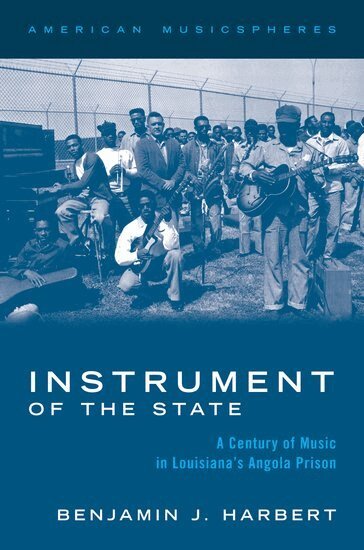
Louisiana State Penitentiary is one of the largest and most brutal maximum-security prisons in the United States. Built on the grounds of a former plantation, the prison is commonly referred to as "Angola" apropos of the country of origin for many of the enslaved people who inhabited the land. Despite notoriously inhumane conditions within the prison, people incarcerated at Angola have sustained a rich and dynamic musical legacy since the late nineteenth century, attracting folklorists such as John and Alan Lomax and Harry Oster. Well-known musicians including Huddie William "Lead Belly" Ledbetter, Charles Neville, and James Booker played a part in this history, in addition to a litany of others who proved vital to the prison's musical culture but for various reasons were unable to establish their careers upon release. In Instrument of the State, author Benjamin J. Harbert interweaves oral history and archival research to show how incarcerated musicians find small but essential freedoms by performing jazz, R&B, country, gospel, rock, and fusion throughout the Twentieth Century. In doing so, he expands folkloric definitions of "prison music." considering the ways in which music manifests among the incarcerated and the prison's administration as a lens to better understand state power and the fragments of hope and joy that remain in its wake. Instrument of the State acts as an indictment of the carceral state, highlighting the many ways in which the US penal system disproportionately affects African American people through desperate profiteering of a deliberately underfunded state agency.
363 kr
Skickas inom 5-8 vardagar
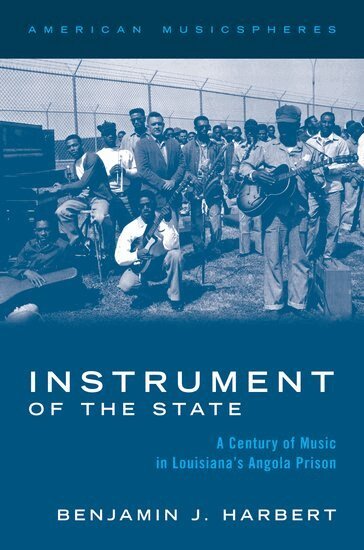
Louisiana State Penitentiary is one of the largest and most brutal maximum-security prisons in the United States. Built on the grounds of a former plantation, the prison is commonly referred to as "Angola" apropos of the country of origin for many of the enslaved people who inhabited the land. Despite notoriously inhumane conditions within the prison, people incarcerated at Angola have sustained a rich and dynamic musical legacy since the late nineteenth century, attracting folklorists such as John and Alan Lomax and Harry Oster. Well-known musicians including Huddie William "Lead Belly" Ledbetter, Charles Neville, and James Booker played a part in this history, in addition to a litany of others who proved vital to the prison's musical culture but for various reasons were unable to establish their careers upon release. In Instrument of the State, author Benjamin J. Harbert interweaves oral history and archival research to show how incarcerated musicians find small but essential freedoms by performing jazz, R&B, country, gospel, rock, and fusion throughout the Twentieth Century. In doing so, he expands folkloric definitions of "prison music." considering the ways in which music manifests among the incarcerated and the prison's administration as a lens to better understand state power and the fragments of hope and joy that remain in its wake. Instrument of the State acts as an indictment of the carceral state, highlighting the many ways in which the US penal system disproportionately affects African American people through desperate profiteering of a deliberately underfunded state agency.
780 kr
Skickas inom 5-8 vardagar
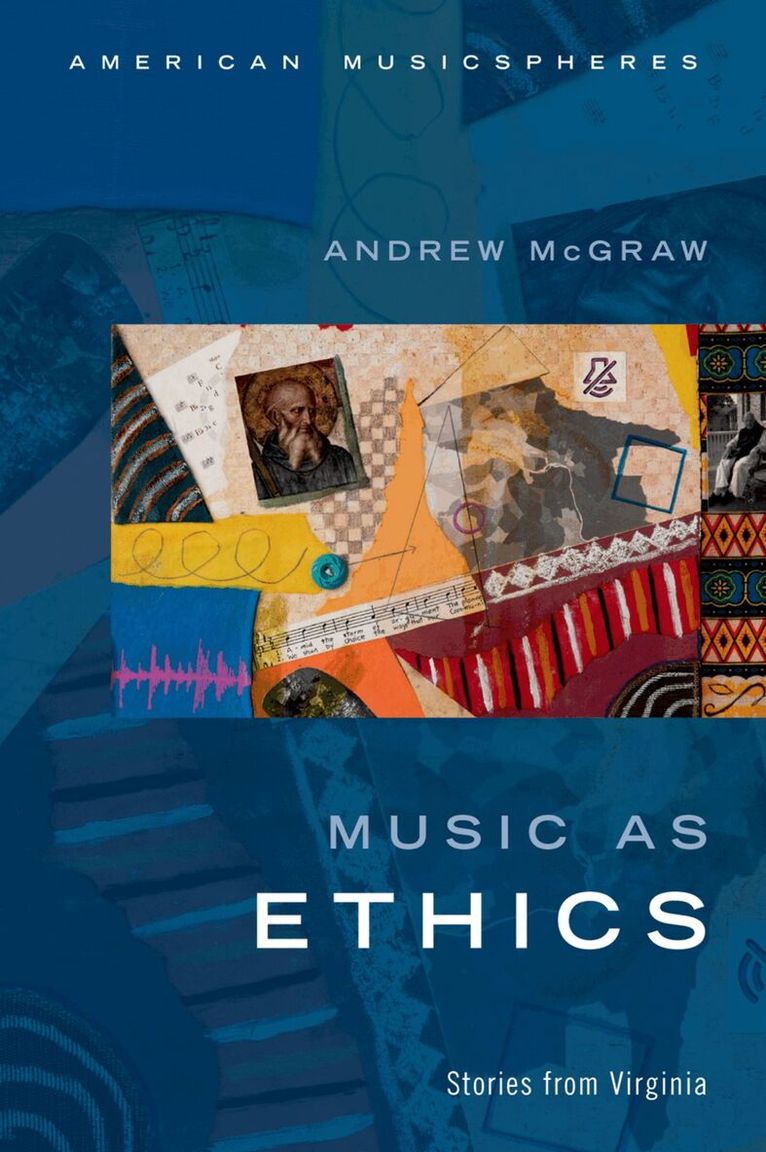
Music as Ethics offers a comparative ethnography of the relationship of music to ethics in four communities in Virginia, covering a wide range of demographic contexts and musical repertoires. Holy Cross Monastery in Berryville is a small community of fifteen Trappist monks who follow the rule of St. Benedict, composed in the early sixth century. Twin Oaks in Louisa is a ninety-member intentional community, founded in 1967, dedicated to egalitarianism. The "Sanctuary" in the Richmond city jail is a community of approximately forty residents drawn from two of the facility's dorms. Richmond is the state capital, with a fraught history of racial inequality. To say that we can experience music "as" ethics means that we can hold several, culturally informed attitudes about music's ethical meanings and functions. While music's relationship to ethical life differs between each community, the case studies suggest that we can all grow as ethical individuals and communities if we pay close attention to music's ethical potential. But as long as our experience of music as ethics remains implicit and vague, we miss an opportunity to fully realize its ethical affordances. More than that, we also expose ourselves to manipulation by those who would wield music (and other "affective" means) for their own social agenda.