American Writers Remembered - Böcker
Visar alla böcker i serien American Writers Remembered. Handla med fri frakt och snabb leverans.
3 produkter
3 produkter
565 kr
Skickas inom 7-10 vardagar
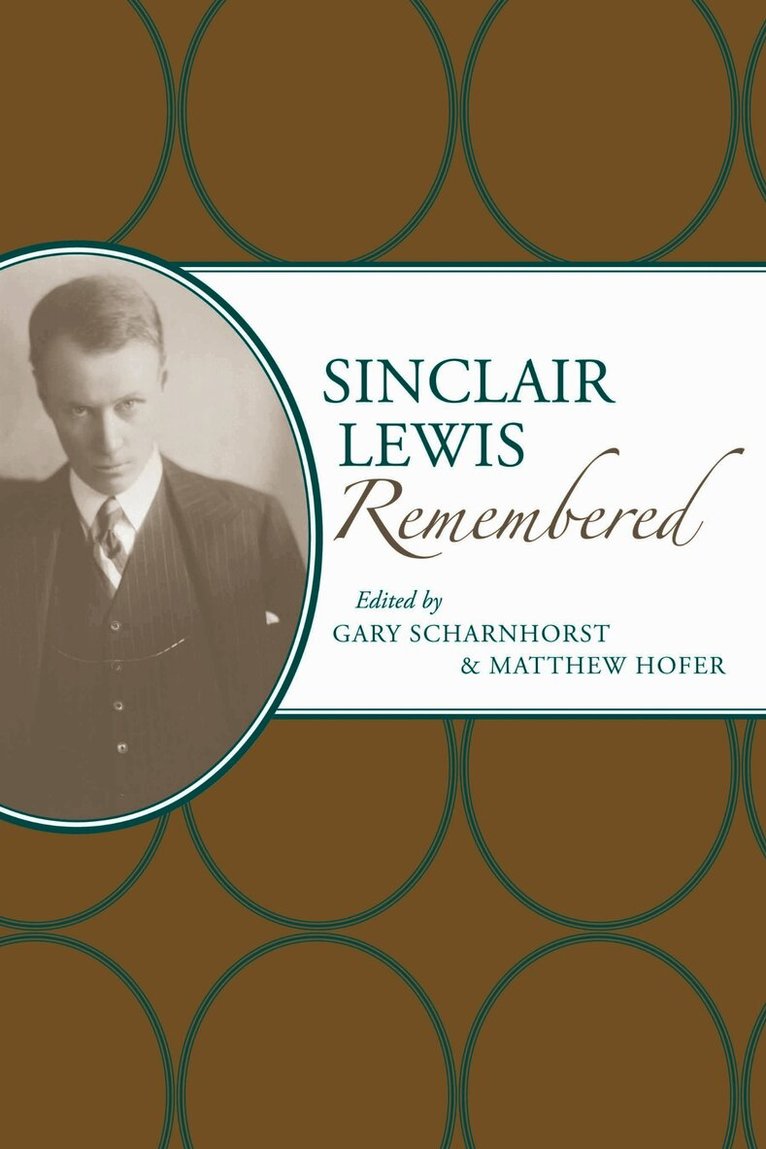
Sinclair Lewis Remembered is a collection of reminiscences and memoirs by contemporaries, friends, and associates of Lewis that offers a revealing and intimate portrait of this complex and significant Nobel Prize-winning American writer. After a troubled career as a student at Yale, Sinclair Lewis turned to literature as his livelihood, publishing numerous works of popular fiction that went unnoticed by critics. With the 1920s, however, came Main Street, Lewis's first critical success, which was soon followed by Babbitt, Arrowsmith, Elmer Gantry, and Dodsworth - five of the most influential social novels in the history of American letters, all written within one decade. Nevertheless, Lewis's Nobel Prize for Literature in 1930 led to controversy. Writers such as Theodore Dreiser, William Faulkner, and Thomas Mann expressed their dissent with the decision. Unable to match his previous success, Lewis suffered from alcoholism, alienated colleagues, and embraced unpopular political positions. The nadir for Lewis's literary reputation was Mark Schorer's 1961 biography, Sinclair Lewis: An American Life, which helped to legitimize the dismissal of Lewis's entire body of work. Recent scholarly research has seen a resurgence of interest in Lewis and his writings. The multiple and varied perspectives found in Remembering Sinclair Lewis, edited by Gary Scharnhorst and Matthew Hofer, illustrate uncompromised glimpses of a complicated writer who should not be forgotten. The more than 115 contributions to this volume include reminiscences by Upton Sinclair, Edna Ferber, Alfred Harcourt, Samuel Putnam, H. L. Mencken, John Hersey, Hallie Flanagan, and many others.
565 kr
Skickas inom 7-10 vardagar
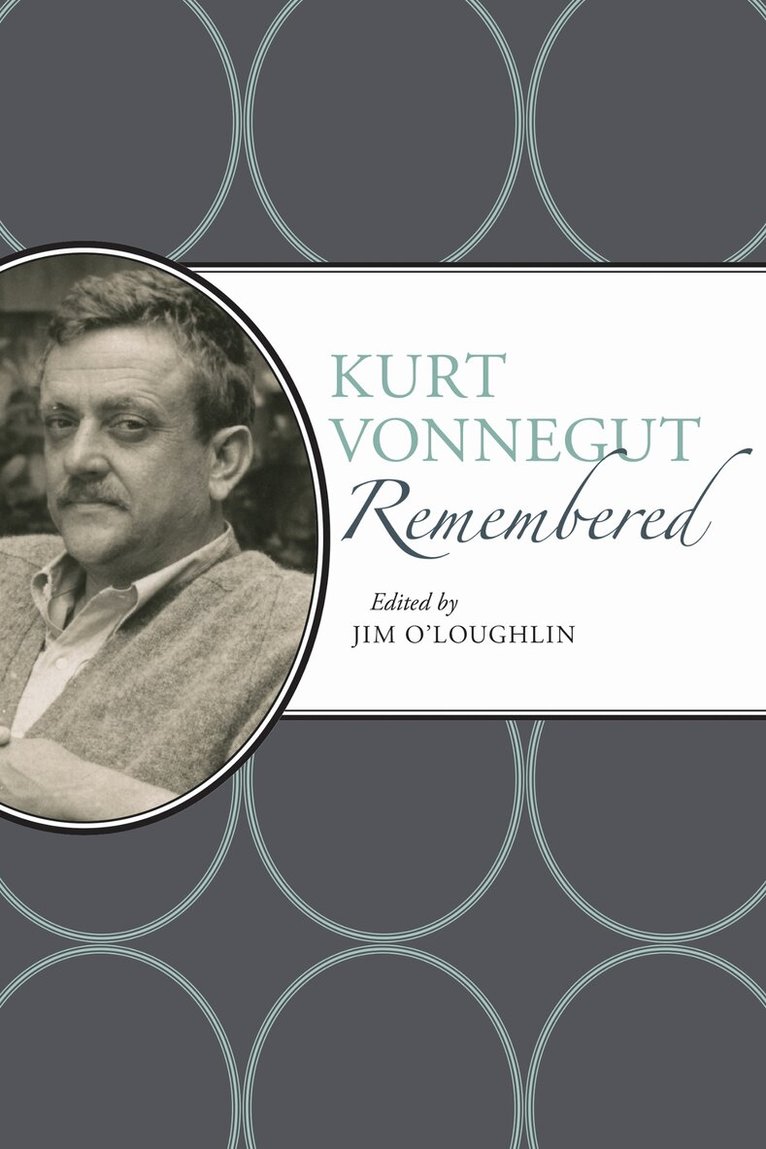
A collection of reminiscences that illuminate the career and private life of the iconic author of Slaughterhouse-Five Kurt Vonnegut (1922–2007), who began his writing career working for popular magazines, held both literary aspirations and an attraction to genre fiction. His conspicuous refusal to respect literary boundaries was part of what made him a countercultural icon in the 1960s and 1970s. Vonnegut's personal life was marked in large part by public success and private turmoil. Two turbulent marriages, his sudden adoption of his late sister's four children (and the equally sudden removal of one of those children), and a mid-eighties suicide attempt all signaled the extent of Vonnegut's inner troubles. Yet, he was a generous friend to many, maintaining close correspondences throughout his life.Kurt Vonnegut Remembered gathers reminiscences—by those who knew him intimately, and from those met him only once—that span Vonnegut's entire life. Among the anecdotes in this collection are remembrances from his immediate family, reflections from his comrades in World War II, and tributes from writers he worked with in Iowa City and from those who knew him when he was young. Editor Jim O'Loughlin offers biographical notes on Vonnegut's relationship with each of these figures. Since Vonnegut's death, much has been written on his life and work, but this new volume offers a more generous view of his life, particularly his last years. In O'Loughlin's introduction to the volume, he argues that we can locate and understand Vonnegut's best self through his public persona, and that in his performance as the kind and humane figure that many of the speakers here knew him as, Vonnegut became a better person than he ever felt himself to be.
355 kr
Skickas inom 7-10 vardagar
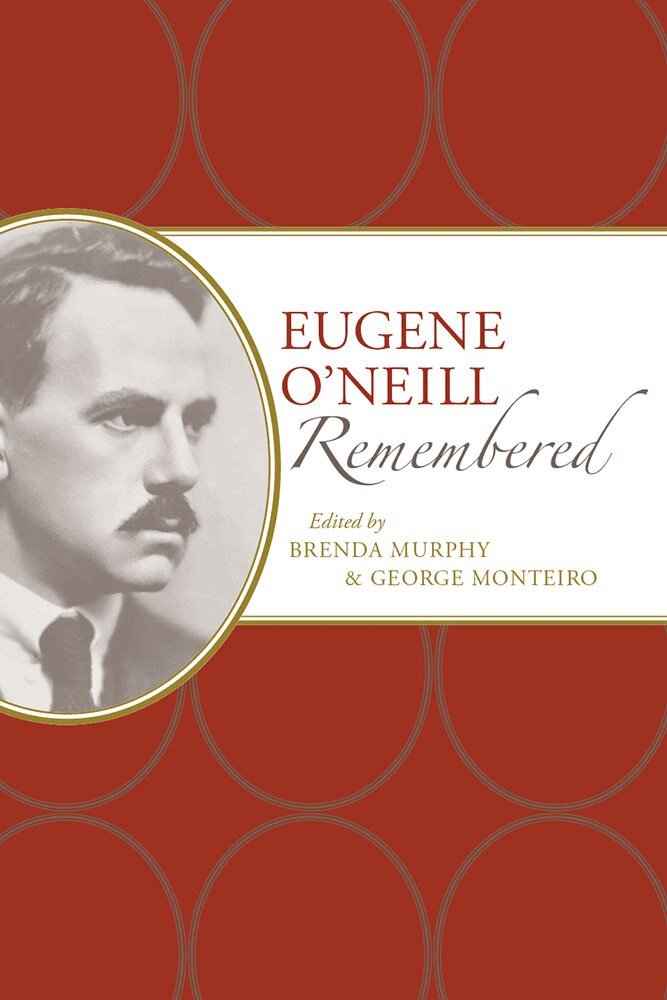
Eugene O’Neill Remembered offers new views into the playwright’s life by capturing the direct memories of those who were close to him through interviews, memoirs, and other recollections. These sixty-two remembrances create an unprecedented image of O’Neill.Known principally as the author of some of the most significant plays in the American dramatic canon and as one of America’s Nobel Laureates in literature, O'Neill rarely gave interviews and offered few details about himself. As a consequence, his life has long been shrouded in myth. He also abetted some of the misconceptions about his youth by, for example, advocating the story that he was expelled from Princeton for throwing a rock through Woodrow Wilson's window or by exaggerating the amount of time he had spent at sea. The legend of the hard-drinking, tormented playwright with a grim view of life was further reinforced when Long Day's Journey into Night was produced in 1956, three years after his death instead of the twenty-five years he had insisted on. The portrayal of O’Neill as a tragic figure has been solidified in a number of biographies. The purpose of this collection, however, is to present O'Neill as others saw him and described him in their first-person accounts. In the course of these reminiscences, many of the vast and various narrators conflict with and contradict each other. Unlike other accounts of O’Neill’s life, much of the focus is on impressions instead of facts. The result is a revealing composite portrait of a key figure in twentieth-century American literary history. This extensive collection offers insights unavailable in any other book and will hold massive appeal for scholars and students interested in American literature, Eugene O’Neill, and theater history, as well as anyone keen to uncover intimate details of the life of one of America’s greatest writers.