Ancient Cities of the New World - Böcker
Visar alla böcker i serien Ancient Cities of the New World. Handla med fri frakt och snabb leverans.
8 produkter
8 produkter
292 kr
Skickas inom 7-10 vardagar
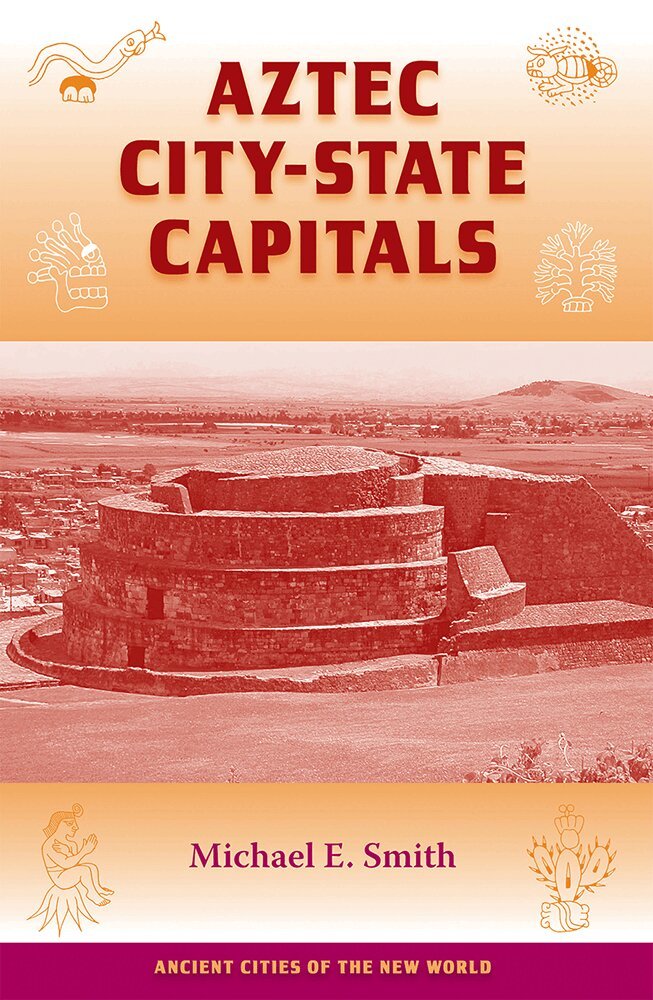
The Aztecs ruled much of Mexico from the thirteenth century until the Spanish conquest in 1521. Outside of the imperial capital of Tenochtitlan, various urban centers ruled the numerous city-states that covered the central Mexican landscape.""Aztec City-State Capitals"" is the first work to focus attention outside Tenochtitlan, revealing these dozens of smaller cities to have been the central hubs of political, economic, and religious life, integral to the grand infrastructure of the Aztec empire.Focusing on building styles, urban townscapes, layouts, and designs, Michael Smith combines two archaeological approaches: monumental (excavations of pyramids, palaces, and public buildings) and social (excavations of houses, workshops, and fields). As a result, he is able to integrate the urban-built environment and the lives of the Aztec peoples as reconstructed from excavations.Smith demonstrates the ways in which these city-state capitals were different from Tenochtitlan and convincingly argues that urban design is the direct result of decisions made by political leaders to legitimize their own power and political roles in the states of the Aztec empire.
338 kr
Skickas inom 10-15 vardagar
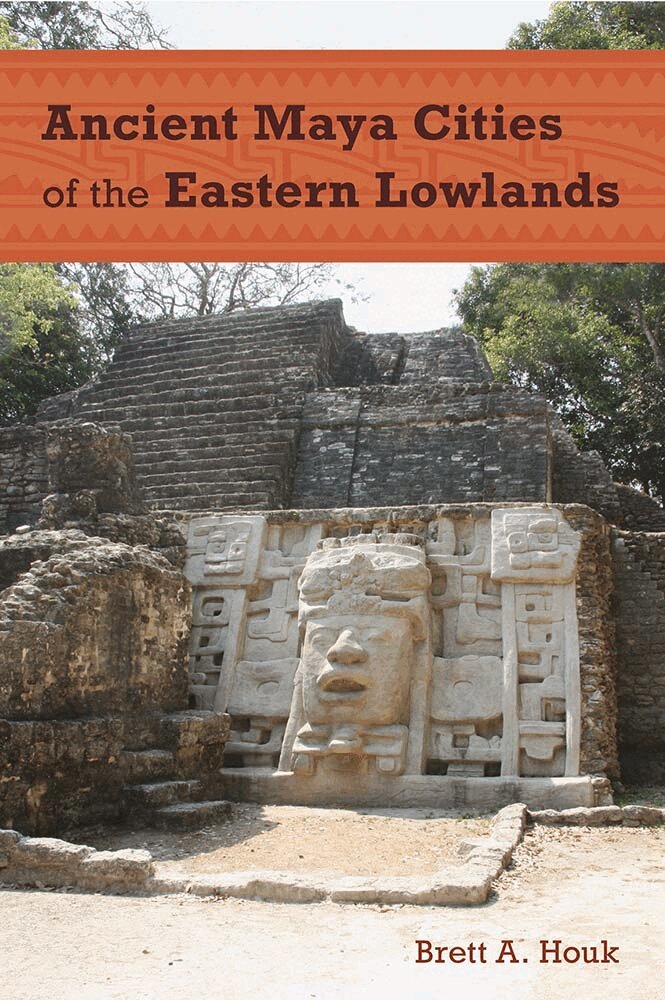
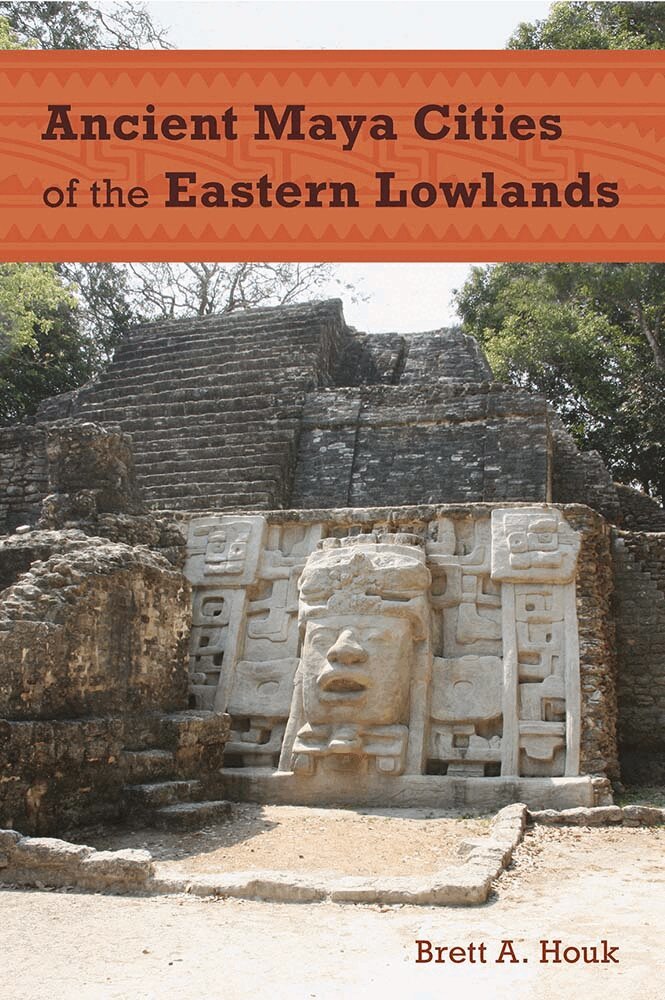
For more than a century researchers have studied Maya ruins, and sites like Tikal, Palenque, Copan, and Chichen Itza have shaped our understanding of the Maya. Yet cities of the eastern lowlands of Belize, an area that was home to a rich urban tradition that persisted and evolved for almost 2,000 years, are treated as peripheral to these great Classic period sites. The hot and humid climate and dense forests are inhospitable and make preservation of the ruins difficult, but this oft-ignored area reveals much about Maya urbanism and culture.Using data collected from different sites throughout the lowlands, including the Vaca Plateau and the Belize River Valley, Brett Houk presents the first synthesis of these unique ruins and discusses methods for mapping and excavating them. Considering the sites through the analytical lenses of the built environment and ancient urban planning, Houk vividly reconstructs their political history, considers how they fit into the larger political landscape of the Classic Maya, and examines what they tell us about Maya city building.
214 kr
Skickas inom 10-15 vardagar
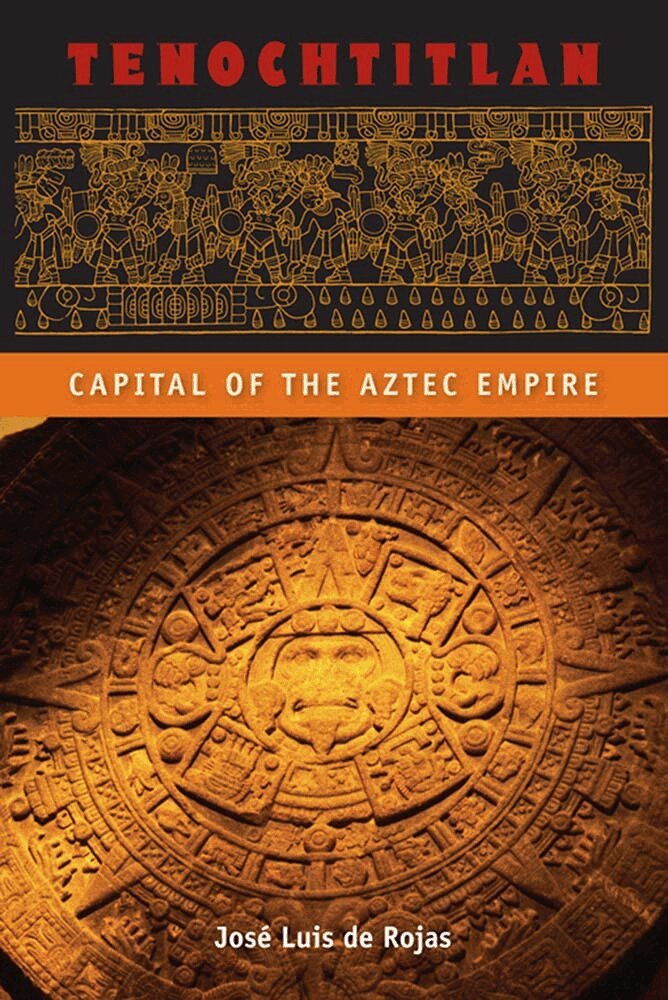
Tenochtitlan, capital of the Aztec empire before the Spanish conquest, rivalled any other great city of its time. In Europe, only Paris, Venice, and Constantinople were larger. Cradled in the Valley of Mexico, the city is unique among New World capitals in that it was well-described and chronicled by the conquistadors who subsequently demolished it. This means that, though centuries of redevelopment have frustrated efforts to access the ancient city’s remains, much can be told about its urban landscape, politics, economy, and religion.While Tenochtitlan commands a great deal of attention from archaeologists and Mesoamerican scholars, very little has been written about the city for a non-technical audience in English. In this fascinating book, eminent expert José Luis de Rojas presents an accessible yet authoritative exploration of this famous city interweaving glimpses into its inhabitants’ daily lives with the broader stories of urbanisation, culture, and the rise and fall of the Aztec empire.
847 kr
Skickas inom 10-15 vardagar
For more than a century researchers have studied Maya ruins, and sites like Tikal, Palenque, Copán, and Chichén Itzá have shaped our understanding of the Maya. Yet the lowlands of Belize, which were once home to a rich urban tradition that persisted and evolved for almost 2,000 years, are treated as peripheral to these great Classic period sites. The hot and humid climate and dense forests are inhospitable and make preservation of the ruins difficult, but this oft-ignored area reveals much about Maya urbanism and culture.Using data collected from different sites throughout the Maya lowlands, including the Vaca Plateau and the Belize River Valley, Brett Houk presents the first synthesis of these unique monuments and discusses methods for mapping and excavating. Considering the sites through the theoretical lenses of the built environmentand ancient urban planning, Houk vividly reconstructs their political history, how they fit into the larger political landscape of the Classic Maya, and how the ancient cities fell apart over time.
368 kr
Skickas inom 10-15 vardagar
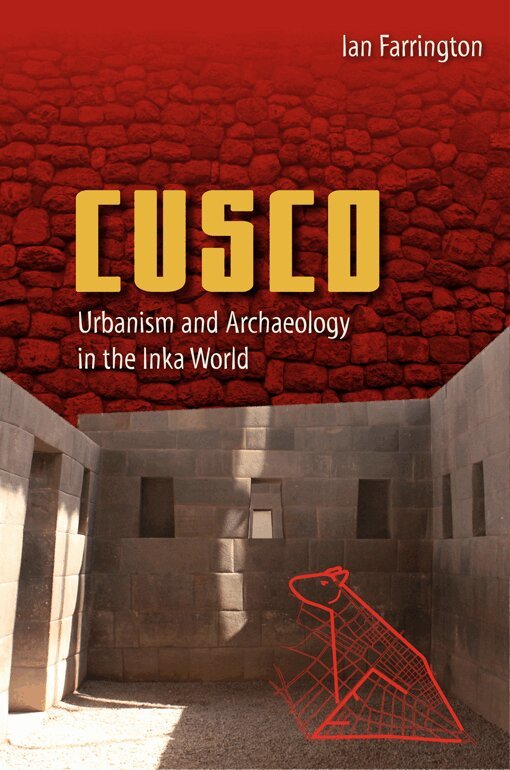
The Inka capital of Cusco is the oldest existing city in the Americas. Known as the ""navel of the world"" during the Inka Empire, it was a fascinating and complex urban landscape that grew and evolved over 3,000 years of continuous human habitation. Ian Farrington has spent decades investigating Cusco and its surroundings, gathering an impressive mass of ethnohistorical and archaeological data. In this volume, Farrington explores building plans, architectural forms, and urban planning techniques utilized at Cusco. He examines how each element impacted the development of various sectors of the ancient city and demonstrates how the Inka organized urban space within the contexts of their cultural norms and practices. These findings include analysis of major ceremonies and their association with Inka urban architecture.This valuable study conceptualizes Cusco as a system including the urban core, the heartland, and the imperial provinces from northwest Argentina to southern Colombia. Its unique approach and expansive findings reveal the sophisticated nature of Inka planning.
944 kr
Skickas inom 10-15 vardagar
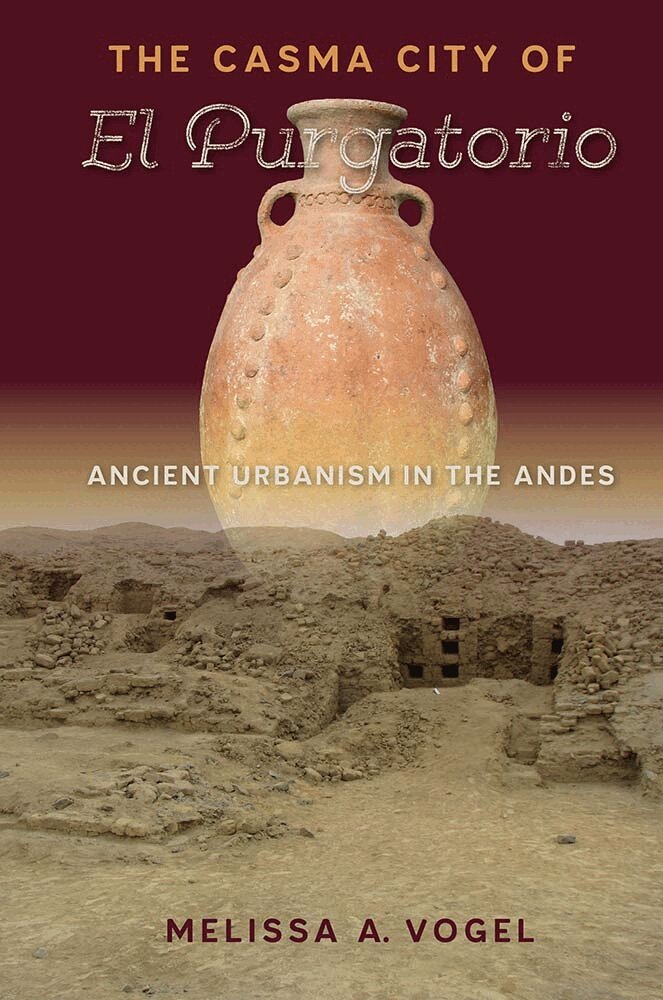
The Casma state, which flourished on the north coast of Peru in the centuries before European contact, is an important and vastly understudied ancient culture. Its capital city, El Purgatorio, was inhabited from ca. 700–1400 AD. The rise and fall of El Purgatorio spans a period of dynamic transition in Andean history but has rarely been mentioned in previous research. Melissa Vogel investigates this extensive, monumental urban site in The Casma City ofEl Purgatorio. Using the city’s architecture and spatial organization, its rituals, religion, and mortuary practices, its political economy, and other material evidence, she describes the people who lived there. A culmination of Vogel’s sixteen-year study of the Casma culture, this book demonstrates how ancient cities help us understand the development and collapse of complex societies.
944 kr
Skickas inom 10-15 vardagar
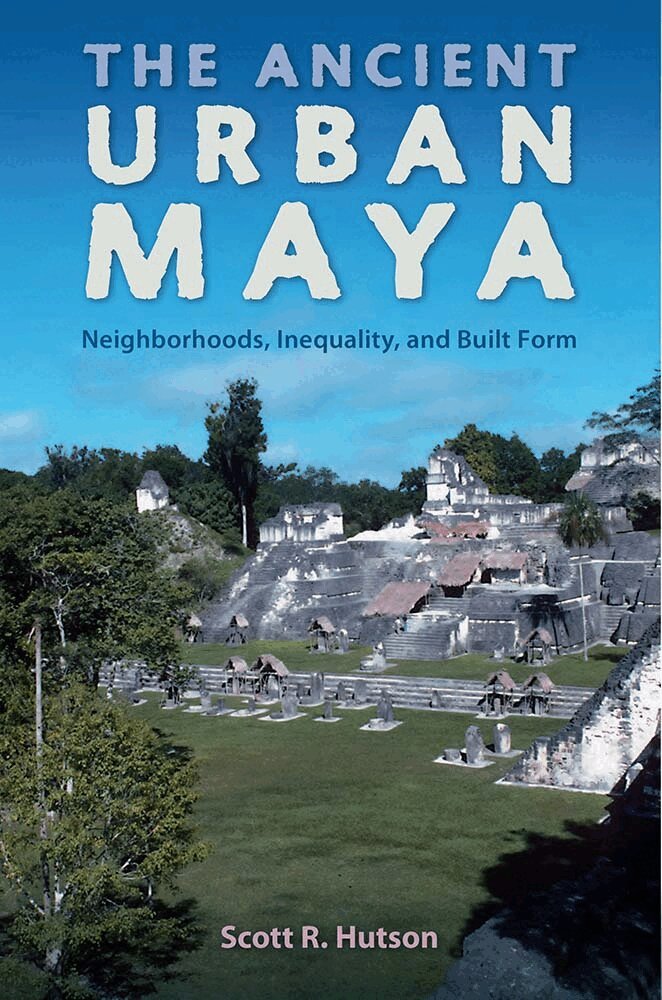
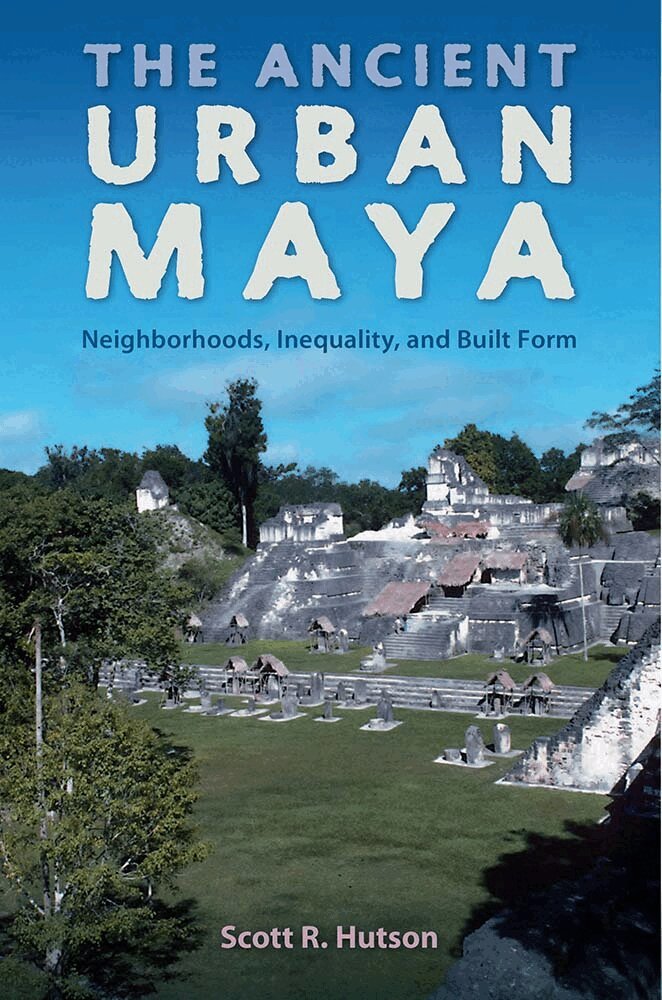
Ancient cities were complex social, political, and economic entities, but they also suffered from inequality, poor sanitation, and disease—often more than rural areas. In The Ancient Urban Maya, Scott Hutson examines ancient Maya cities and argues that, despite the hazards of urban life, these places continued to lure people for many centuries.With built forms that welcomed crowds, neighborhoods that offered domestic comforts, marketplaces that facilitated the exchange of goods and ideas, and the opportunities to expand social networks and capital, the Maya used their cities in familiar ways.
269 kr
Skickas inom 10-15 vardagar
Ancient cities were complex social, political, and economic entities, but they also suffered from inequality, poor sanitation, and disease—often more than rural areas. In The Ancient Urban Maya, Scott Hutson examines ancient Maya cities and argues that, despite the hazards of urban life, these places continued to lure people for many centuries. With built forms that welcomed crowds, neighborhoods that offered domestic comforts, marketplaces that facilitated the exchange of goods and ideas, and the opportunities to expand social networks and capital, the Maya used their cities in familiar ways.