Financial Institutions, Reforms, and Policies in Muslim Countries – serie
Visar alla böcker i serien Financial Institutions, Reforms, and Policies in Muslim Countries. Handla med fri frakt och snabb leverans.
4 produkter
4 produkter
Inbunden, Engelska, 2017
1 224 kr
Skickas inom 10-15 vardagar
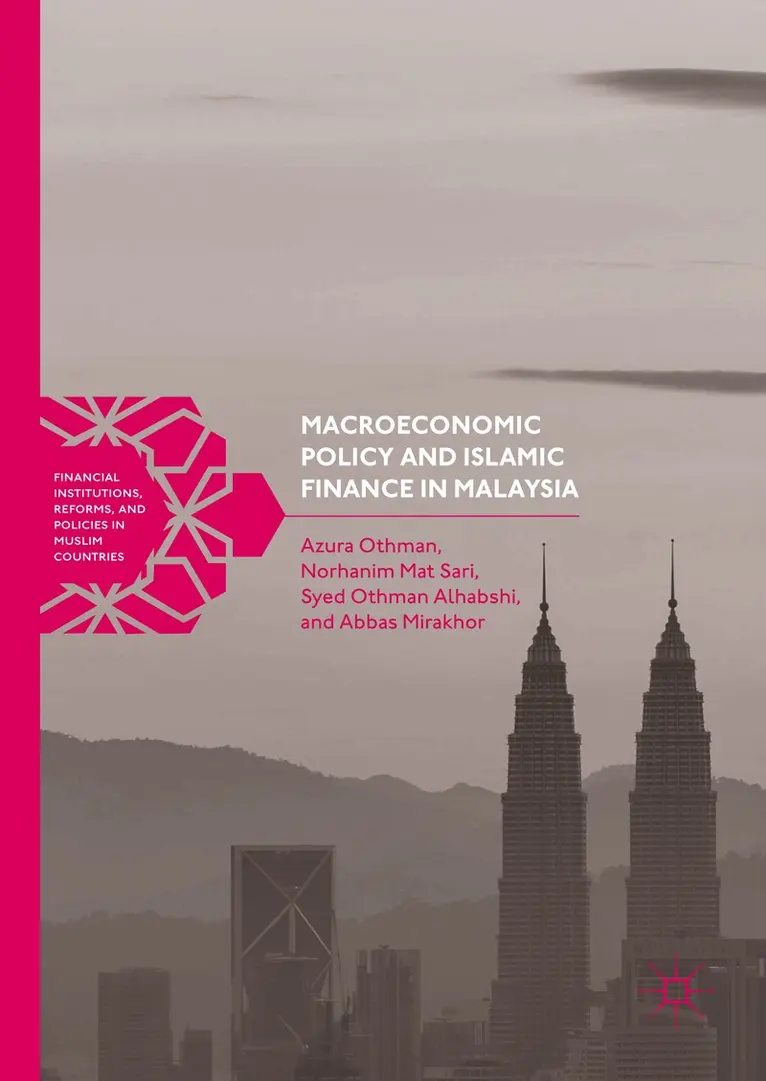
This book offers an alternative framework for macroeconomic policy in Malaysia, derived from the universal principles of social justice espoused in the objectives of the Shariah. It attempts to holistically analyze issues related to public finance, which has been criticized for lack of transparency and justice in wealth distribution. This book explores these criticisms and discusses the principles of Islamic finance that may be applied to macroeconomic policymaking to create a better economy overall. It presents a case for a flat tax system, to make the economy more resilient to shocks, and financing methods that limit interest-rate-based debt contracts and allow greater risk sharing among the market participants on a broad scale. Using both qualitative and quantitative methods, this book models the Malaysian economy based on policies that apply the fundamental Islamic finance principle of risk sharing to demonstrate its benefits in spurring growth, promoting distributive justice, rendering the economy more stable, strengthening the potency of monetary policy, enhancing fiscal governance, and improving financial inclusion. The book will be of interest to students, policymakers, financial institutions, researchers, ministries of finance, central banks, securities commissions, and anyone interested in alternative economic paradigms.
Inbunden, Engelska, 2015
560 kr
Skickas inom 10-15 vardagar
The financialization of the economy has brought a number of interrelated problems which have contributed to growing income and wealth inequality. Askari and Mirakhor assert that it is time to make a bold change by putting our financial house in order and on a better path, advocating for a fundamental reform of the financial system.
Inbunden, Engelska, 2017
1 334 kr
Skickas inom 10-15 vardagar
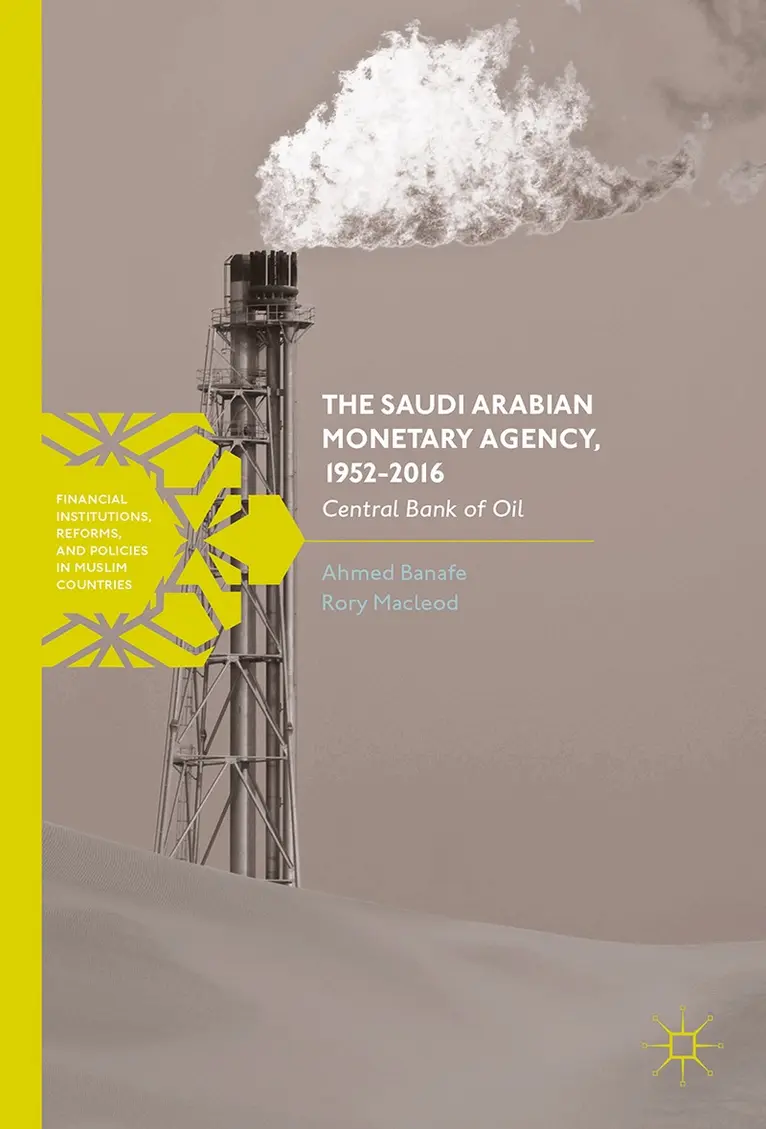
This book sheds new light on the critical importance of the Saudi Arabian Monetary Agency (SAMA), a remarkably successful central bank that is a model for developing oil exporters worldwide. As a "swing producer", Saudi Arabia has traditionally stepped in to make up for oil supply shortfalls in other OPEC countries, or to scale back their own production when overabundance might lead to a price crash. Since 2014, Saudi Arabia has changed its policy in response to the rise of American shale oil, in search of a long-term strategy that will, once again, help balance supply and demand at a steady price. In its informal dual role of central bank and sovereign wealth fund, SAMA must navigate the paradoxes faced by monoline oil producing countries: the need for diversification vs. dependence on oil-based revenue; the loss of foreign exchange reserves that follows oil-financed government spending; the unreliability of revenue from oil; the challenges of using a Western model for supervising Shariah-compliant banks; and the need to have a balancing mix of oil and financial assets. As SAMA (now the Saudi Arabian Monetary Authority) reassesses its role in 2017, this history and guide to current policy issues will prove invaluable for policymakers in oil producing economies looking to apply lessons from the past as they plan for the future.
Häftad, Engelska, 2018
1 334 kr
Skickas inom 10-15 vardagar
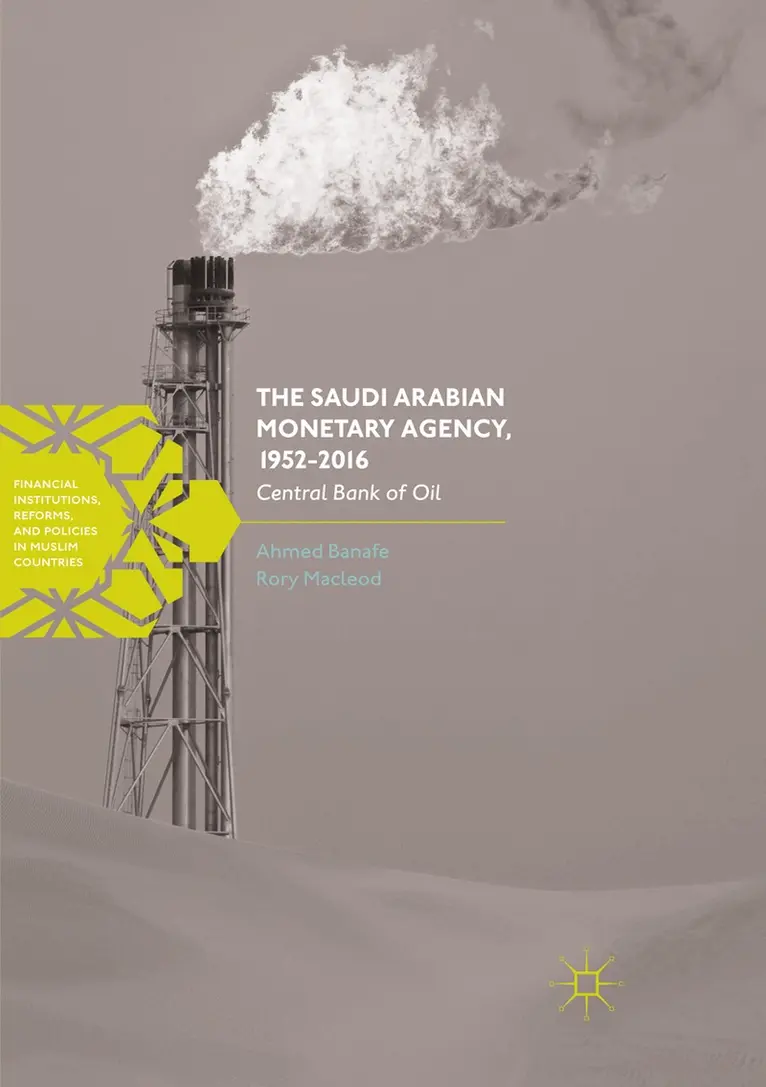
This book sheds new light on the critical importance of the Saudi Arabian Monetary Agency (SAMA), a remarkably successful central bank that is a model for developing oil exporters worldwide. As a "swing producer", Saudi Arabia has traditionally stepped in to make up for oil supply shortfalls in other OPEC countries, or to scale back their own production when overabundance might lead to a price crash. Since 2014, Saudi Arabia has changed its policy in response to the rise of American shale oil, in search of a long-term strategy that will, once again, help balance supply and demand at a steady price. In its informal dual role of central bank and sovereign wealth fund, SAMA must navigate the paradoxes faced by monoline oil producing countries: the need for diversification vs. dependence on oil-based revenue; the loss of foreign exchange reserves that follows oil-financed government spending; the unreliability of revenue from oil; the challenges of using a Western model for supervising Shariah-compliant banks; and the need to have a balancing mix of oil and financial assets. As SAMA (now the Saudi Arabian Monetary Authority) reassesses its role in 2017, this history and guide to current policy issues will prove invaluable for policymakers in oil producing economies looking to apply lessons from the past as they plan for the future.