Azura Othman – författare
Visar alla böcker från författaren Azura Othman. Handla med fri frakt och snabb leverans.
5 produkter
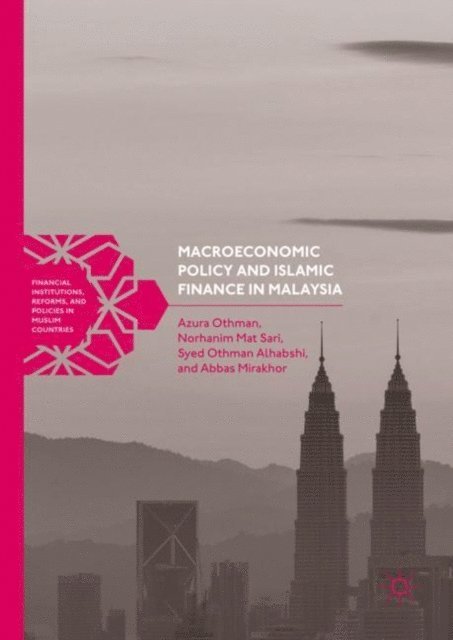
Macroeconomic Policy and Islamic Finance in Malaysia
Av Abbas Mirakhor, Syed Othman Alhabshi m. fl.
E-bok, 2017
1775 kr
Lägg i varukorg
This book offers an alternative framework for macroeconomic policy in Malaysia, derived from the universal principles of social justice espoused in the objectives of the Shariah. It attempts to holistically analyze issues related to public finance, which has been criticized for lack of transparency …
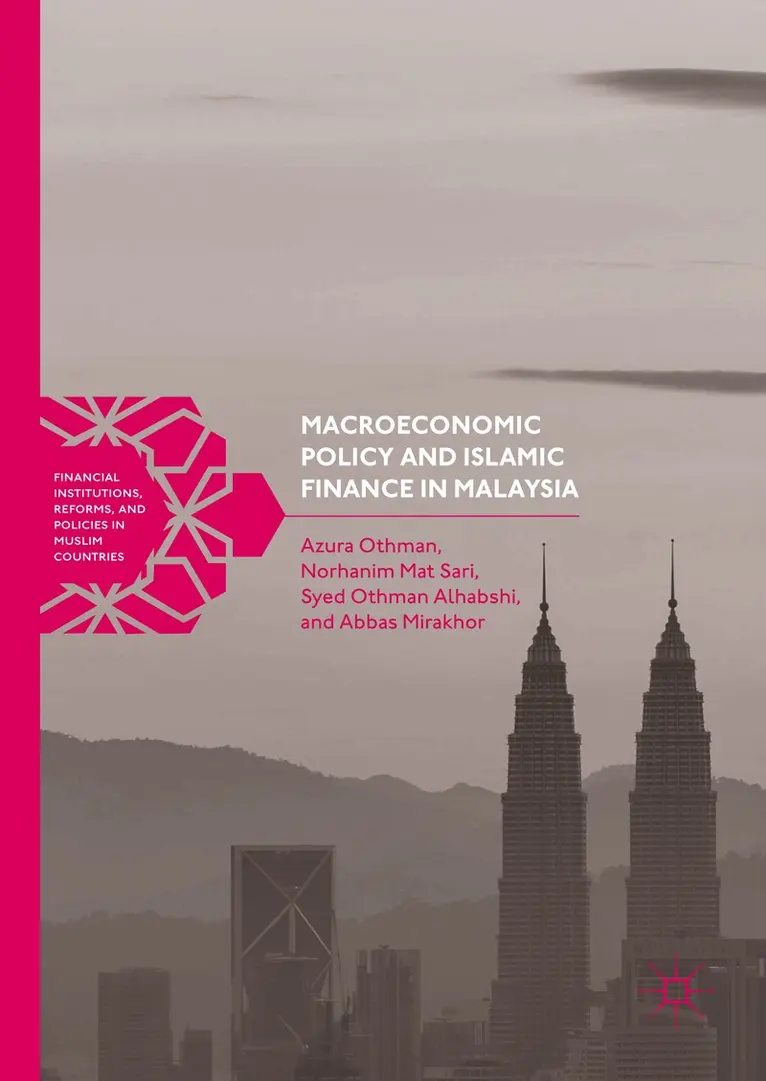
Macroeconomic Policy and Islamic Finance in Malaysia
Av Azura Othman, Norhanim Mat Sari m. fl.
Inbunden, 2017
1240 kr
Lägg i varukorg
This book offers an alternative framework for macroeconomic policy in Malaysia, derived from the universal principles of social justice espoused in the objectives of the Shariah. It attempts to holistically analyze issues related to public finance, which has been criticized for lack of transparency …
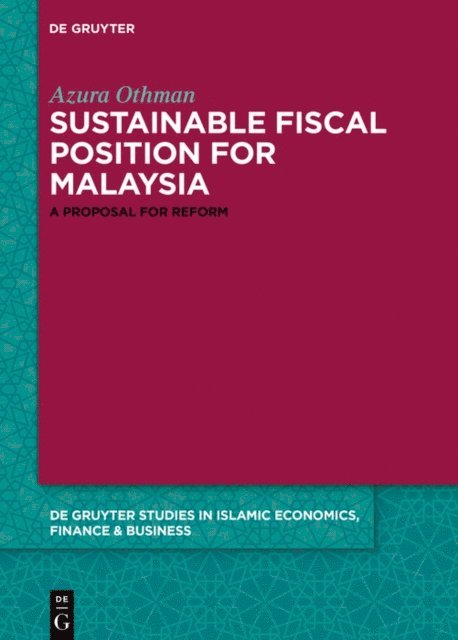
Towards a Sustainable Fiscal Position for Malaysia
A Proposal for Reform
Av Azura Othman
Inbunden, 2021
1526 kr
Lägg i varukorg
The financial crisis of the last decade has brought to the fore many discourses on the stability of the financial system under the current interest rate regime and whether issuing more debts, that create further divergence between the financial and real sector of the economy, is a sustainable …
Towards a Sustainable Fiscal Position for Malaysia
A Proposal for Reform
Av Azura Othman
E-bok, 2021
1509 kr
Lägg i varukorg
The financial crisis of the last decade has brought to the fore many discourses on the stability of the financial system under the current interest rate regime and whether issuing more debts, that create further divergence between the financial and real sector of the economy, is a sustainable …
Towards a Sustainable Fiscal Position for Malaysia
A Proposal for Reform
Av Azura Othman
E-bok, 2021
1509 kr
Lägg i varukorg
The financial crisis of the last decade has brought to the fore many discourses on the stability of the financial system under the current interest rate regime and whether issuing more debts, that create further divergence between the financial and real sector of the economy, is a sustainable …