Issues in the Research, Theory, Policy, and Practice of Urban Education – serie
Visar alla böcker i serien Issues in the Research, Theory, Policy, and Practice of Urban Education. Handla med fri frakt och snabb leverans.
20 produkter
20 produkter
Häftad, Engelska, 2006
590 kr
Skickas inom 5-8 vardagar
This book is motivated by our experiences in working with students and their families in urban communities. We are particularly concerned about the urgent imperative to address the endemic educational and societal challenges that pervade the lives of urban students, particularly those who live in poverty, are of minority and immigrant backgrounds, and are otherwise marginalized within the current educational discourses and practices. In spite of the fact that over the last 3 decades policy makers, educators and communities across the globe have called for in depth structural changes, this is rarely evidenced in the discourses, practices, and structures within academic and practitioner spheres. This reluctance, despite articulations to the contrary, can be directly linked to normative theoretical and practical perspectives that are defined by assumptions that constrain urban students within restrictive boundaries. These narrow outsider worldviews based on notions of what ought to be, combined with ignorance of the realties of students’ lives focus on deviance and deficits. They blind prospective change agents to the strengths and richness that students bring, and they delimit the transformative potential of social justice praxis within urban environments. The resulting discourse, in the form of deficit beliefs, thoughts, actions, and dialogues shapes urban research, theory, and practice. We contend that in order to counteract the debilitating impacts of these harmful constructions of urban and social justice, it is important to clarify this terminology.
Inbunden, Engelska, 2006
1 043 kr
Skickas inom 5-8 vardagar
This book is motivated by our experiences in working with students and their families in urban communities. We are particularly concerned about the urgent imperative to address the endemic educational and societal challenges that pervade the lives of urban students, particularly those who live in poverty, are of minority and immigrant backgrounds, and are otherwise marginalized within the current educational discourses and practices. In spite of the fact that over the last 3 decades policy makers, educators and communities across the globe have called for in depth structural changes, this is rarely evidenced in the discourses, practices, and structures within academic and practitioner spheres. This reluctance, despite articulations to the contrary, can be directly linked to normative theoretical and practical perspectives that are defined by assumptions that constrain urban students within restrictive boundaries. These narrow outsider worldviews based on notions of what ought to be, combined with ignorance of the realties of students’ lives focus on deviance and deficits. They blind prospective change agents to the strengths and richness that students bring, and they delimit the transformative potential of social justice praxis within urban environments. The resulting discourse, in the form of deficit beliefs, thoughts, actions, and dialogues shapes urban research, theory, and practice. We contend that in order to counteract the debilitating impacts of these harmful constructions of urban and social justice, it is important to clarify this terminology.
Häftad, Engelska, 2011
590 kr
Skickas inom 5-8 vardagar
The work of school, family and community partnerships is complex and messy and demands a thoughtful and deep investigation. Currently, parent and community involvement does not draw on school reform and educational change literature and conversely the school change literature often ignores the crucial role that communities play in educational reform. This edited volume focuses on structural considerations regarding education and the school communities, school-level and family culture, and the interrelationships between the agency and actions of school personnel, family members, community citizens and students. This book extends the dialogue on school reform by looking at parent and community engagement initiatives as part of the school reform literature. The contributors illustrate the negative impact on students and their education when assumptions made by school personnel regarding the organization of education, the nature of families, and the contributions they should make to their children’s education are not challenged.
Inbunden, Engelska, 2011
1 043 kr
Skickas inom 5-8 vardagar
The work of school, family and community partnerships is complex and messy and demands a thoughtful and deep investigation. Currently, parent and community involvement does not draw on school reform and educational change literature and conversely the school change literature often ignores the crucial role that communities play in educational reform. This edited volume focuses on structural considerations regarding education and the school communities, school-level and family culture, and the interrelationships between the agency and actions of school personnel, family members, community citizens and students. This book extends the dialogue on school reform by looking at parent and community engagement initiatives as part of the school reform literature. The contributors illustrate the negative impact on students and their education when assumptions made by school personnel regarding the organization of education, the nature of families, and the contributions they should make to their children’s education are not challenged.
Häftad, Engelska, 2011
460 kr
Skickas inom 5-8 vardagar
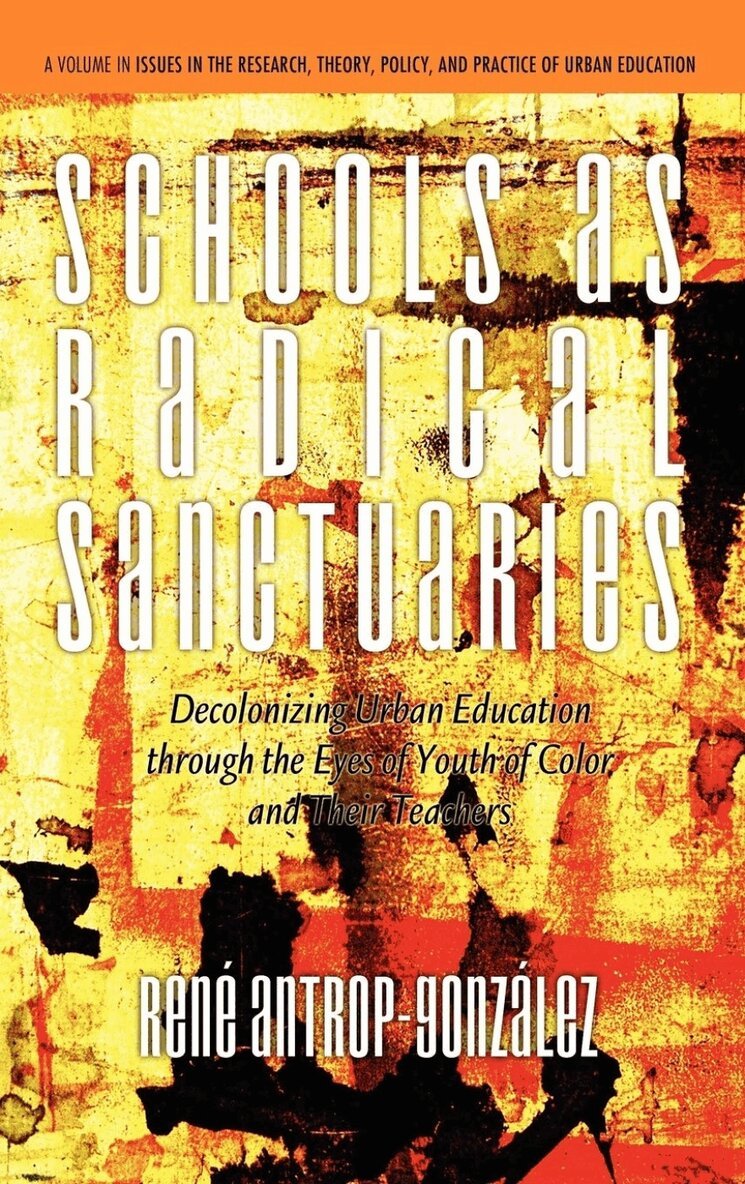
Large, comprehensive urban high schools were designed and constructed with the belief that they could meet the needs of all its students, academic and otherwise. By and large, however, these schools have only done a good job of sorting students for specific jobs in a society based on capitalism and White supremacy. Consequently, students schooled in these large institutions are often sorted depending on how they are situated and/or perceived by institutional agents (i.e. teachers, administrators, guidance counselors, and other staff) along racial/ethnic, class, gender, sexual orientation, and ability lines. The overall result of such structurally and culturally-based discriminatory practices has led to astronomically horrendous dropout/pushout rates among urban youth, particularly those of color who live in poverty.However, in such a sea of despair, there exist islands of hope and miracles. These islands of hope and miracles are constituted of small high schools that have become sanctuaries for their students, their families, and communities of color. Moreover, not only do these school sanctuaries exist, but they have the potential to serve as inspirations to communities that are looking to the small schools initiative as a possible solution to the widespread failure of large, comprehensive high schools to serve their needs. Although much recent small schools research discusses the benefits of smallness, very little of this research demonstrates or acknowledges the various ways in which communities have created small schools that have established the necessary conditions to make them sustainable, culturally relevant, and linked to social justice while greatly impacting the improved academic achievement of their students. Therefore, the focus of this book is to advance the school as radical sanctuary concept as described through the history, curricula, and experiences of urban youth and their teachers in two small urban high schools. This book is important for those educationists who wish to deepen their understanding of small school reform and its implications for urban education.
Inbunden, Engelska, 2011
849 kr
Skickas inom 5-8 vardagar
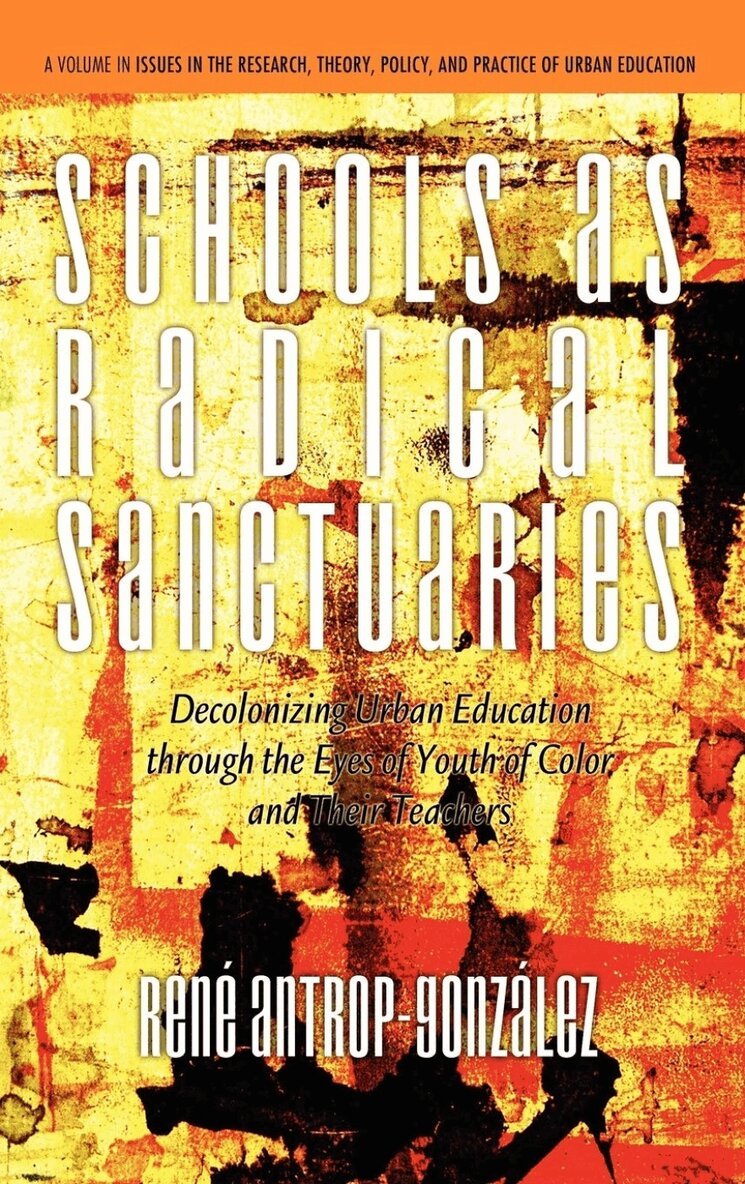
Large, comprehensive urban high schools were designed and constructed with the belief that they could meet the needs of all its students, academic and otherwise. By and large, however, these schools have only done a good job of sorting students for specific jobs in a society based on capitalism and White supremacy. Consequently, students schooled in these large institutions are often sorted depending on how they are situated and/or perceived by institutional agents (i.e. teachers, administrators, guidance counselors, and other staff) along racial/ethnic, class, gender, sexual orientation, and ability lines. The overall result of such structurally and culturally-based discriminatory practices has led to astronomically horrendous dropout/pushout rates among urban youth, particularly those of color who live in poverty.However, in such a sea of despair, there exist islands of hope and miracles. These islands of hope and miracles are constituted of small high schools that have become sanctuaries for their students, their families, and communities of color. Moreover, not only do these school sanctuaries exist, but they have the potential to serve as inspirations to communities that are looking to the small schools initiative as a possible solution to the widespread failure of large, comprehensive high schools to serve their needs. Although much recent small schools research discusses the benefits of smallness, very little of this research demonstrates or acknowledges the various ways in which communities have created small schools that have established the necessary conditions to make them sustainable, culturally relevant, and linked to social justice while greatly impacting the improved academic achievement of their students. Therefore, the focus of this book is to advance the school as radical sanctuary concept as described through the history, curricula, and experiences of urban youth and their teachers in two small urban high schools. This book is important for those educationists who wish to deepen their understanding of small school reform and its implications for urban education.
Häftad, Engelska, 2012
525 kr
Skickas inom 5-8 vardagar
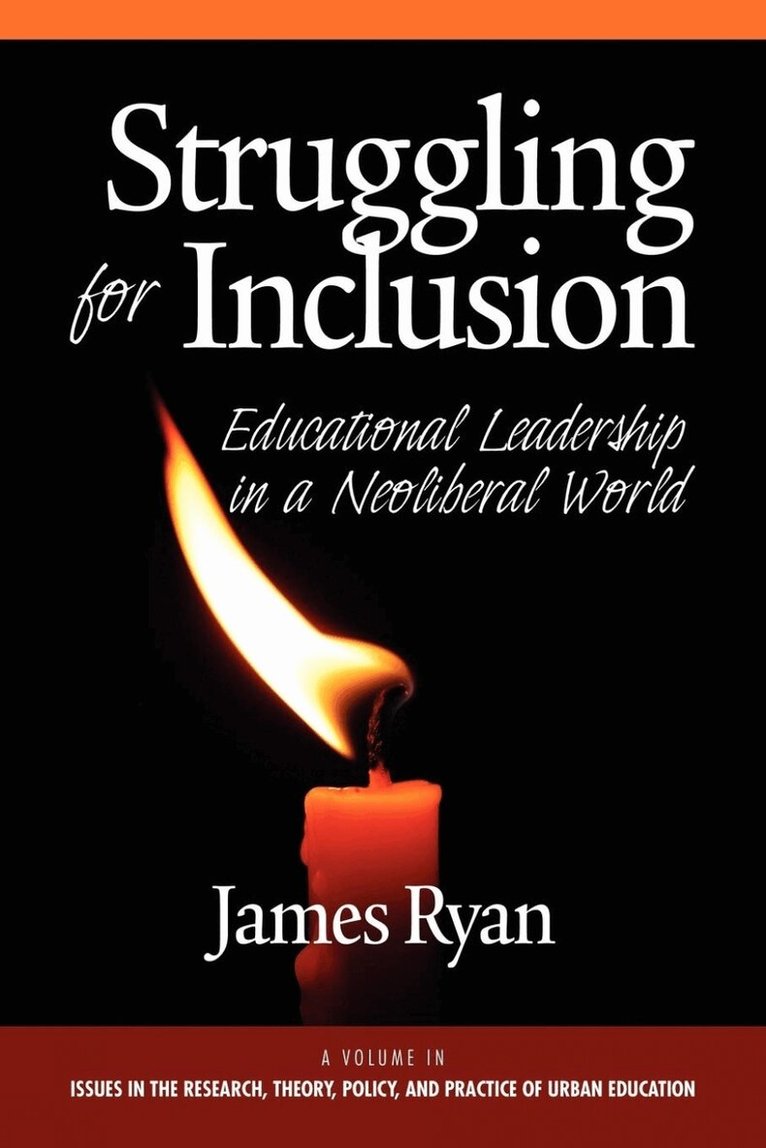
This book describes the struggles in which inclusive-minded administrators find themselves when they promote equity initiatives. Administrators routinely struggle when they attempt to include all members of their school communities – teachers, students, and parents – in the various aspects of schooling. Given the presence of a host of obstacles, setting right the injustices associated with racism, classism, sexism, ableism, homophobia, and other exclusive practices is not an easy thing to do. Resistance from colleagues who fail to recognize exclusive practices when they see them, and from others who do recognize them but see no harm, too few resources, exclusive policies, personal uncertainties or insecurities, and conflicted priorities are just a few of the phenomena that get in the way of these efforts. This book explores these struggles. It looks at the contexts within which these encounters occur, the various challenges that inclusive-minded administrators encounter, and the strategies that they employ to meet these tests.Employing the results of original empirical studies, surveys of current research, recent theoretical literature and personal experiences, this book seeks to provide school leaders with a sense of what it is like to promote inclusion and equity in the contemporary neoliberal context. Among other things, it looks to provide educators of an understanding of the obstacles that stand in the way of inclusion, the nature of the struggles that await them, and ideas for what they might do. Among other things, the book concludes that in relation to the pursuit of inclusion: (1) exclusion continues to be part of contemporary schools and communities; (2) struggles for inclusion transcend individual educators, students and parents; (3) administrators are sometimes part of the problem of exclusion; (4) administrators struggle with issues of difference; (5) administrators struggle with circumstances they inherit, people with whom they work, and with themselves; and (6) administrators have resources to employ in their struggles for inclusion.
Inbunden, Engelska, 2012
979 kr
Skickas inom 5-8 vardagar
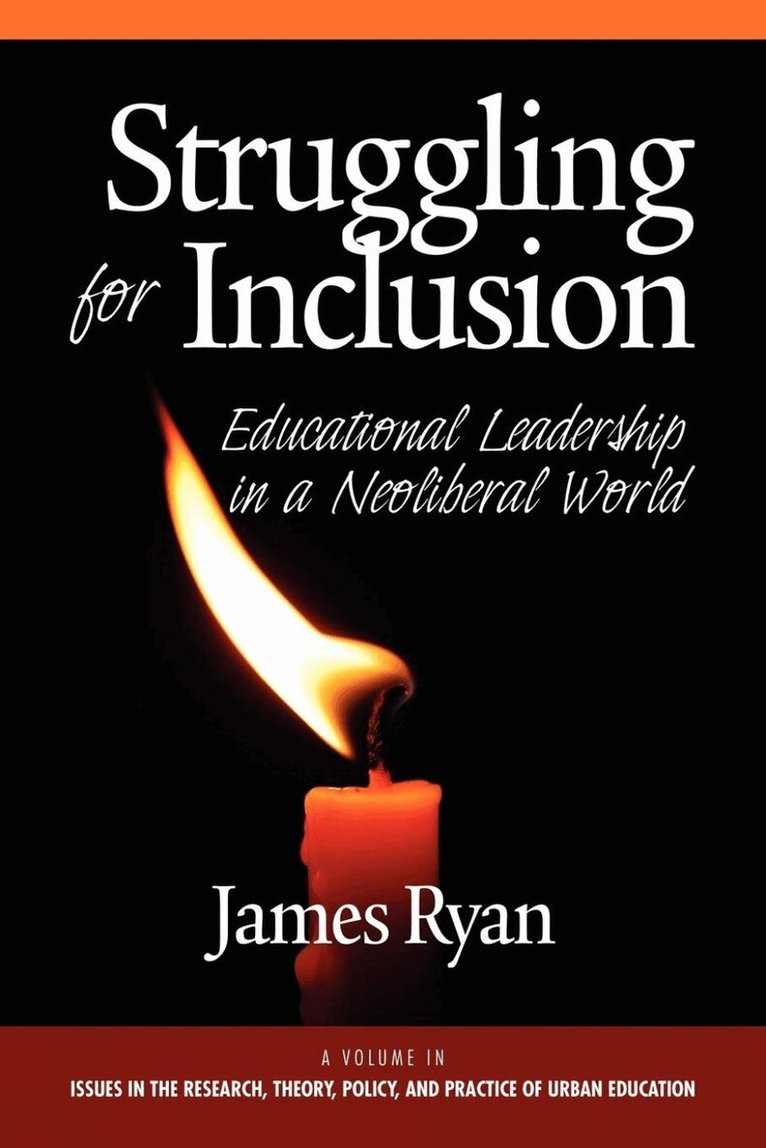
This book describes the struggles in which inclusive-minded administrators find themselves when they promote equity initiatives. Administrators routinely struggle when they attempt to include all members of their school communities – teachers, students, and parents – in the various aspects of schooling. Given the presence of a host of obstacles, setting right the injustices associated with racism, classism, sexism, ableism, homophobia, and other exclusive practices is not an easy thing to do. Resistance from colleagues who fail to recognize exclusive practices when they see them, and from others who do recognize them but see no harm, too few resources, exclusive policies, personal uncertainties or insecurities, and conflicted priorities are just a few of the phenomena that get in the way of these efforts. This book explores these struggles. It looks at the contexts within which these encounters occur, the various challenges that inclusive-minded administrators encounter, and the strategies that they employ to meet these tests.Employing the results of original empirical studies, surveys of current research, recent theoretical literature and personal experiences, this book seeks to provide school leaders with a sense of what it is like to promote inclusion and equity in the contemporary neoliberal context. Among other things, it looks to provide educators of an understanding of the obstacles that stand in the way of inclusion, the nature of the struggles that await them, and ideas for what they might do. Among other things, the book concludes that in relation to the pursuit of inclusion: (1) exclusion continues to be part of contemporary schools and communities; (2) struggles for inclusion transcend individual educators, students and parents; (3) administrators are sometimes part of the problem of exclusion; (4) administrators struggle with issues of difference; (5) administrators struggle with circumstances they inherit, people with whom they work, and with themselves; and (6) administrators have resources to employ in their struggles for inclusion.
Häftad, Engelska, 2012
590 kr
Skickas inom 5-8 vardagar
This book chronicles the journey of seven schools serving students of poverty, English Language Learners (ELLs), and students of color, which were able to sustain school improvement for a decade on either state and/or national criteria that measure student performance outcomes. The book shares stories of these seven schools and demonstrates that it takes an entire school working together with their communities, adding to the social and cultural capital of their students and families, to create and nurture what we call a Learning Partnership for sustainable school improvement.The answers for how these schools sustained school improvement and are effective schools is evident from their school student metrics that validate the school’s ability to meet and sustain external mandates of high performance over time. The seven individual case stories illustrate that what matters most is what happens in the school itself. It is the internal culture of caring and respecting each other and working from an additive perspective of valuing students for their unique gifts and abilities, rather than exclusively focusing on increasing test scores that makes these school stories unique. This is not about heroic leadership but leadership spread out and shared among professionals working together to achieve common goals around shared values and beliefs. This book is about using resources in ways that value human capital as the greatest asset in the school to ensure that educators feel a sense of commitment, connection, and passion for their work together with students, their families, and their communities that enable them to excel together.We offer readers seven cases that demonstrate there is no cookie cutter approach to having an effective school. Rather, there is a theory-in-practice that grounds the Learning Partnership depicted as a tree within a sustainable school improvement culture. This sustainable culture connects shared leadership and accountability, resourcefulness, a humanistic philosophy, additive schooling and results in an organization synergy that sustains organizational and collective efficacy for achieving results in these schools that other educators in schools with similar demographics are often unable to sustain or attain.
Inbunden, Engelska, 2012
1 043 kr
Skickas inom 5-8 vardagar
This book chronicles the journey of seven schools serving students of poverty, English Language Learners (ELLs), and students of color, which were able to sustain school improvement for a decade on either state and/or national criteria that measure student performance outcomes. The book shares stories of these seven schools and demonstrates that it takes an entire school working together with their communities, adding to the social and cultural capital of their students and families, to create and nurture what we call a Learning Partnership for sustainable school improvement.The answers for how these schools sustained school improvement and are effective schools is evident from their school student metrics that validate the school’s ability to meet and sustain external mandates of high performance over time. The seven individual case stories illustrate that what matters most is what happens in the school itself. It is the internal culture of caring and respecting each other and working from an additive perspective of valuing students for their unique gifts and abilities, rather than exclusively focusing on increasing test scores that makes these school stories unique. This is not about heroic leadership but leadership spread out and shared among professionals working together to achieve common goals around shared values and beliefs. This book is about using resources in ways that value human capital as the greatest asset in the school to ensure that educators feel a sense of commitment, connection, and passion for their work together with students, their families, and their communities that enable them to excel together.We offer readers seven cases that demonstrate there is no cookie cutter approach to having an effective school. Rather, there is a theory-in-practice that grounds the Learning Partnership depicted as a tree within a sustainable school improvement culture. This sustainable culture connects shared leadership and accountability, resourcefulness, a humanistic philosophy, additive schooling and results in an organization synergy that sustains organizational and collective efficacy for achieving results in these schools that other educators in schools with similar demographics are often unable to sustain or attain.
Häftad, Engelska, 2012
557 kr
Skickas inom 5-8 vardagar
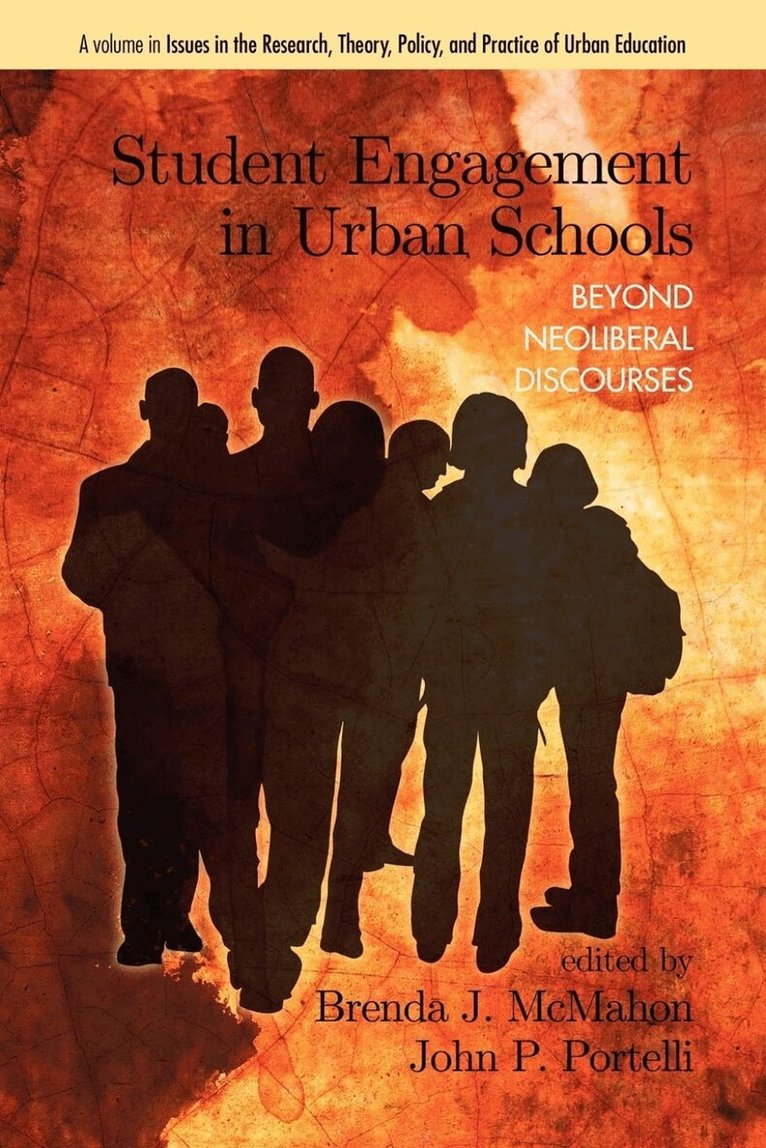
The focus of this book extends the discourse on student engagement beyond prescriptive definitions and includes substantive ethical and political issues relating to this concept. As such, this collection includes voices of educational theorists, practitioners, and students. It provides a counter discourse to the current dialogue on student engagement in educational theory and practice which equate it primarily with behavioral and attitudinal characteristics including student compliance and qualities of teaching or teachers.In this collection, engagement is not viewed simply as a matter of techniques, strategies or behaviours. Rather, the understandings of student engagement presented, while distinct from each other, are imbued with a common vision of education for democratic transformation or reconstruction as operational for and in democratic communities. Contributors to this volume examine issues of the purpose of student engagement, and the question of the criteria, standards, and norms which are used to determine the quality and degree of engagement, and ultimately whether or not all forms of student engagement are equally worthwhile. This collection is intended for use in teacher and administrator preparation programs as well as school and district professional development initiatives.
Inbunden, Engelska, 2012
1 037 kr
Skickas inom 5-8 vardagar
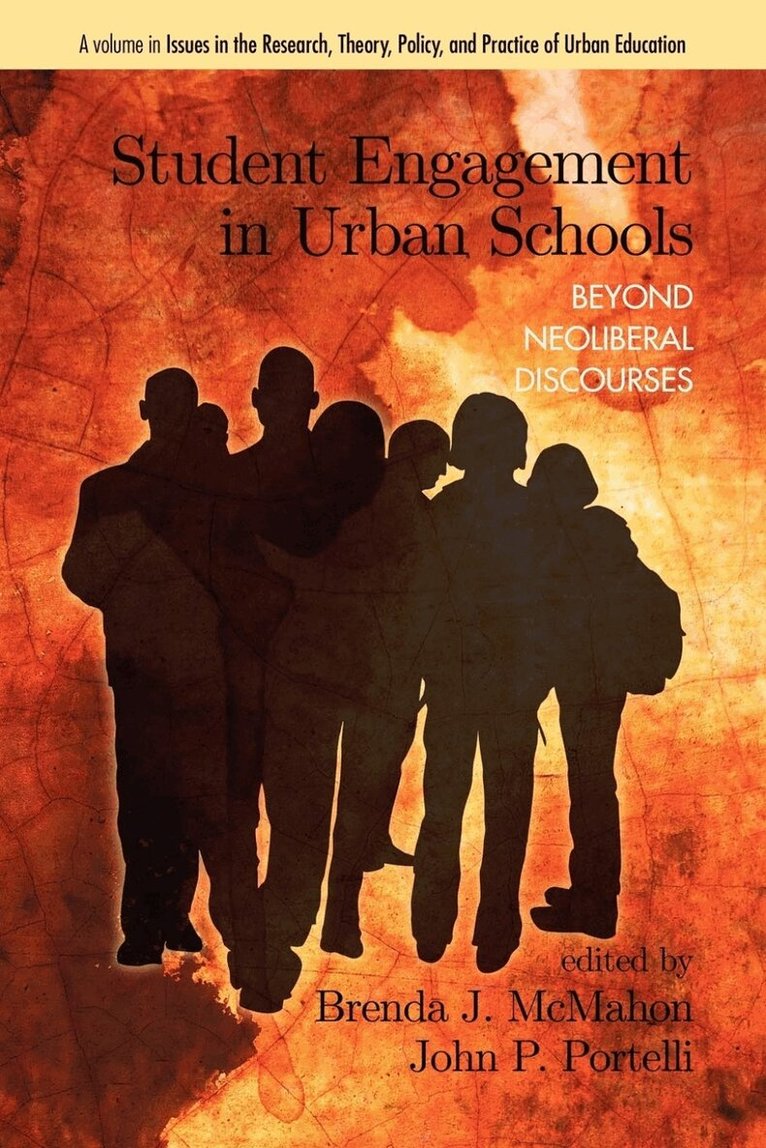
The focus of this book extends the discourse on student engagement beyond prescriptive definitions and includes substantive ethical and political issues relating to this concept. As such, this collection includes voices of educational theorists, practitioners, and students. It provides a counter discourse to the current dialogue on student engagement in educational theory and practice which equate it primarily with behavioral and attitudinal characteristics including student compliance and qualities of teaching or teachers.In this collection, engagement is not viewed simply as a matter of techniques, strategies or behaviours. Rather, the understandings of student engagement presented, while distinct from each other, are imbued with a common vision of education for democratic transformation or reconstruction as operational for and in democratic communities. Contributors to this volume examine issues of the purpose of student engagement, and the question of the criteria, standards, and norms which are used to determine the quality and degree of engagement, and ultimately whether or not all forms of student engagement are equally worthwhile. This collection is intended for use in teacher and administrator preparation programs as well as school and district professional development initiatives.
Häftad, Engelska, 2019
525 kr
Skickas inom 5-8 vardagar
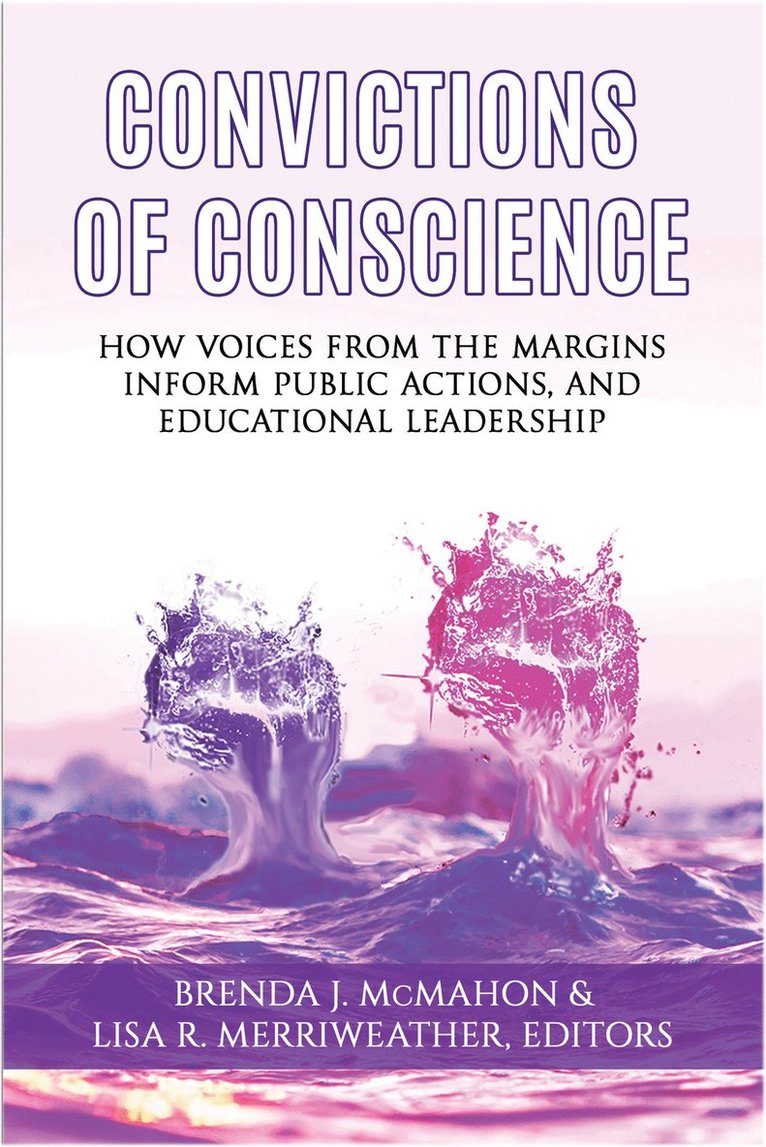
Convictions of Conscience: How Voices From the Margins Inform Public Actions and Educational Leadership seeks to help educational leaders to develop the competencies and capacities required to create socially just and equitable schools. It is for educational leaders interested in transforming systems and decolonizing education rooted socially, structurally and ideologically in hegemony. This edited volume promotes the questioning of assumptions embedded in neoliberal new managerialism practices that often undergird the preparation and training of school leaders. New managerialism in higher education seeks to understand the market forces in order to cater to the idiosyncratic, often self-promoting needs and interests of the few and seeks to respond with programs and policies aligned with those forces and interest.This volume suggests that the confluence of context, theory and pedagogical strategies within the field of educational leadership should inform curricular decisions in educational leadership preparation programs and such programs should be designed to prepare school leaders as both activists and advocates for marginalized students, parents, communities, and staff. Convictions of Conscience is a call on educational leaders who are committed to success for all students to reject new managerial approaches at all levels of educational leadership and is an invitation to expand their emphasis to concerns rooted in human context, particularly identity politics. Towards this end a decolonizing philosophically grounded practice of educational leadership that disrupts static relations within the structures of power is required to move toward a more socially just praxis.The chapter authors seek to problematize understandings of diversity and inclusion by emphasizing the integral role of equity and social justice as critical dimensions of human relationships. Additionally chapter authors intentionally interrogate the socio-cultural dimensions that affect educational leaders.
Inbunden, Engelska, 2019
979 kr
Skickas inom 5-8 vardagar
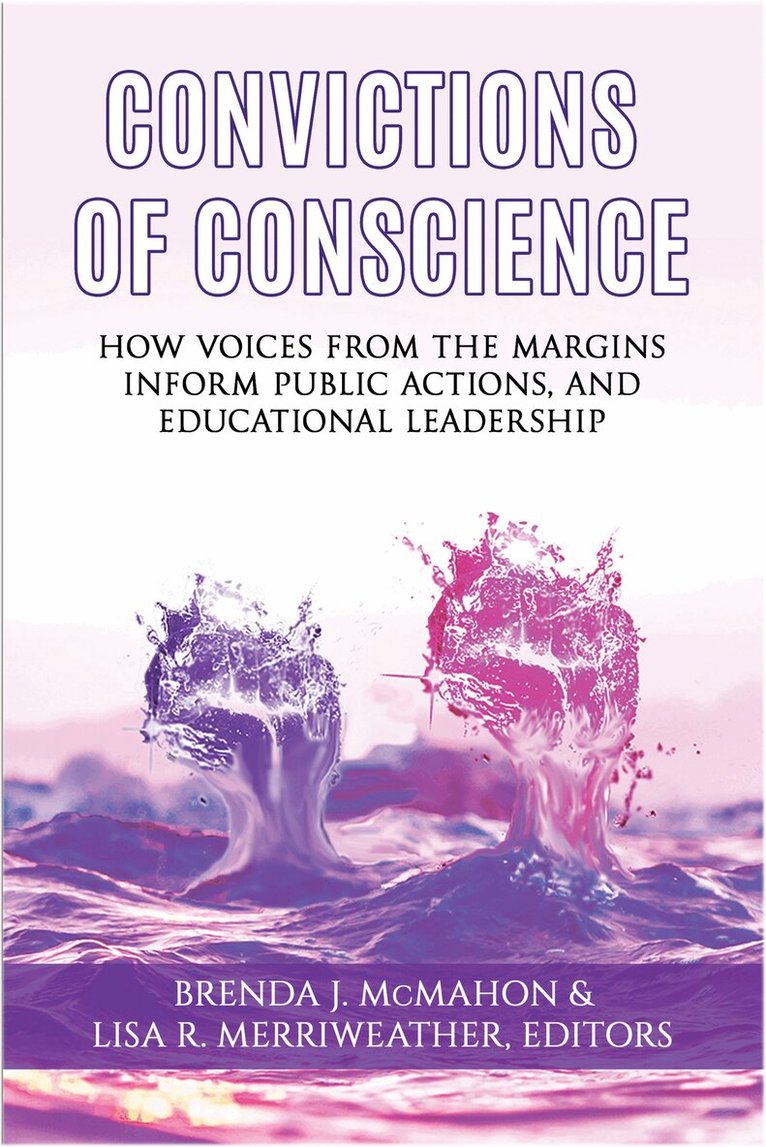
Convictions of Conscience: How Voices From the Margins Inform Public Actions and Educational Leadership seeks to help educational leaders to develop the competencies and capacities required to create socially just and equitable schools. It is for educational leaders interested in transforming systems and decolonizing education rooted socially, structurally and ideologically in hegemony. This edited volume promotes the questioning of assumptions embedded in neoliberal new managerialism practices that often undergird the preparation and training of school leaders. New managerialism in higher education seeks to understand the market forces in order to cater to the idiosyncratic, often self-promoting needs and interests of the few and seeks to respond with programs and policies aligned with those forces and interest.This volume suggests that the confluence of context, theory and pedagogical strategies within the field of educational leadership should inform curricular decisions in educational leadership preparation programs and such programs should be designed to prepare school leaders as both activists and advocates for marginalized students, parents, communities, and staff. Convictions of Conscience is a call on educational leaders who are committed to success for all students to reject new managerial approaches at all levels of educational leadership and is an invitation to expand their emphasis to concerns rooted in human context, particularly identity politics. Towards this end a decolonizing philosophically grounded practice of educational leadership that disrupts static relations within the structures of power is required to move toward a more socially just praxis.The chapter authors seek to problematize understandings of diversity and inclusion by emphasizing the integral role of equity and social justice as critical dimensions of human relationships. Additionally chapter authors intentionally interrogate the socio-cultural dimensions that affect educational leaders.
Häftad, Engelska, 2015
590 kr
Skickas inom 5-8 vardagar
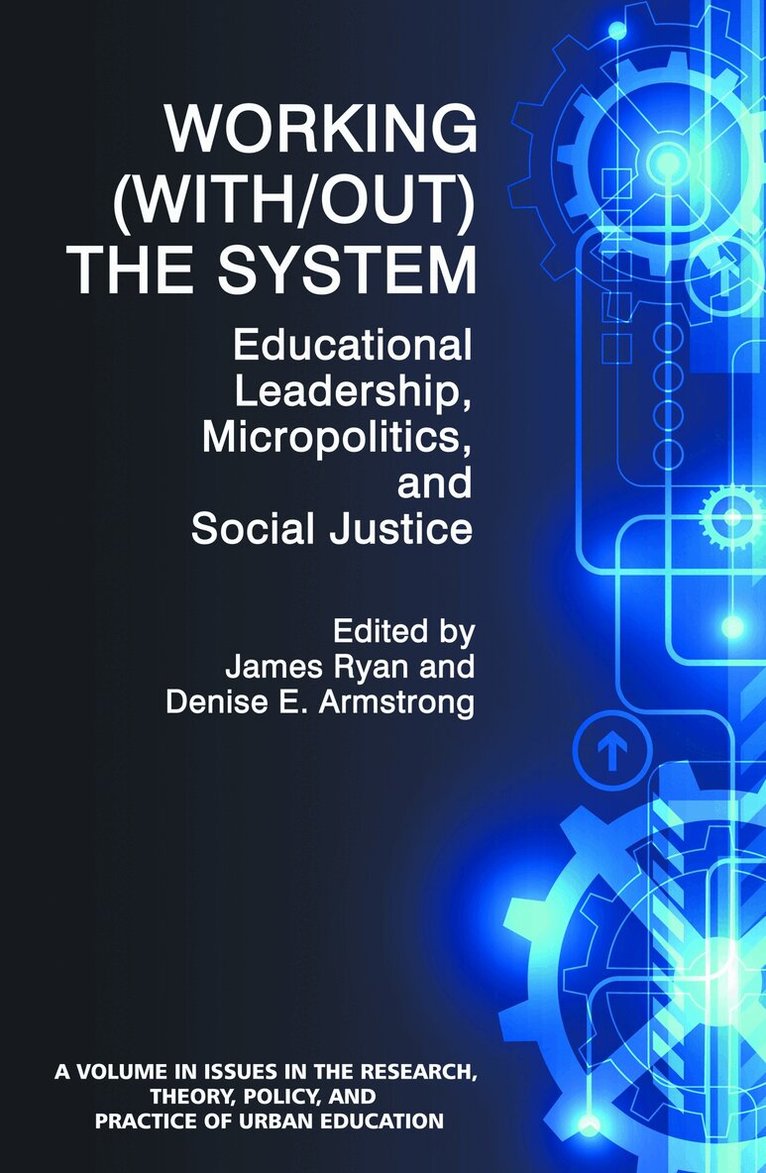
This edited collection of chapters from invited scholars, explores issues of social justice and micropolitics in educational institutions. More specifically, it examines the ways in which social justice workers navigate, or can navigate, (micro) political systems in their quest to promote social justice. Issues of social justice and micropolitics are particularly important in this day and age as standardizing regimes and polarizing forces continue to erode the already perilous condition of the traditionally disadvantaged. While social justice workers make it a point to acknowledge the plight of the less fortunate, their well-meaning attempts to take action are not always successful. This requires that they acknowledge the realities of the micropolitical environments in which they work, and to take action in these arenas if they are to achieve their social justice goals.The title of the book, Working (With/out) the System, draws attention to the ways in which social justice workers/leaders (teachers, administrators, students, community members) navigate educational institutions and the wider social systems that are not always hospitable to changes that promote social justice. This volume describes the prospects, possibilities and actual practice of working with, working without, and working outside of educational organizations to promote social justice. Among other topics, the chapters probe:- the manner in which social justice-minded leaders navigate micropolitical environments- the ways in which social justice minded leaders promote and sustain social justice action within systemic contexts- the difficulties and successes that they experience.
Inbunden, Engelska, 2015
1 044 kr
Skickas inom 5-8 vardagar
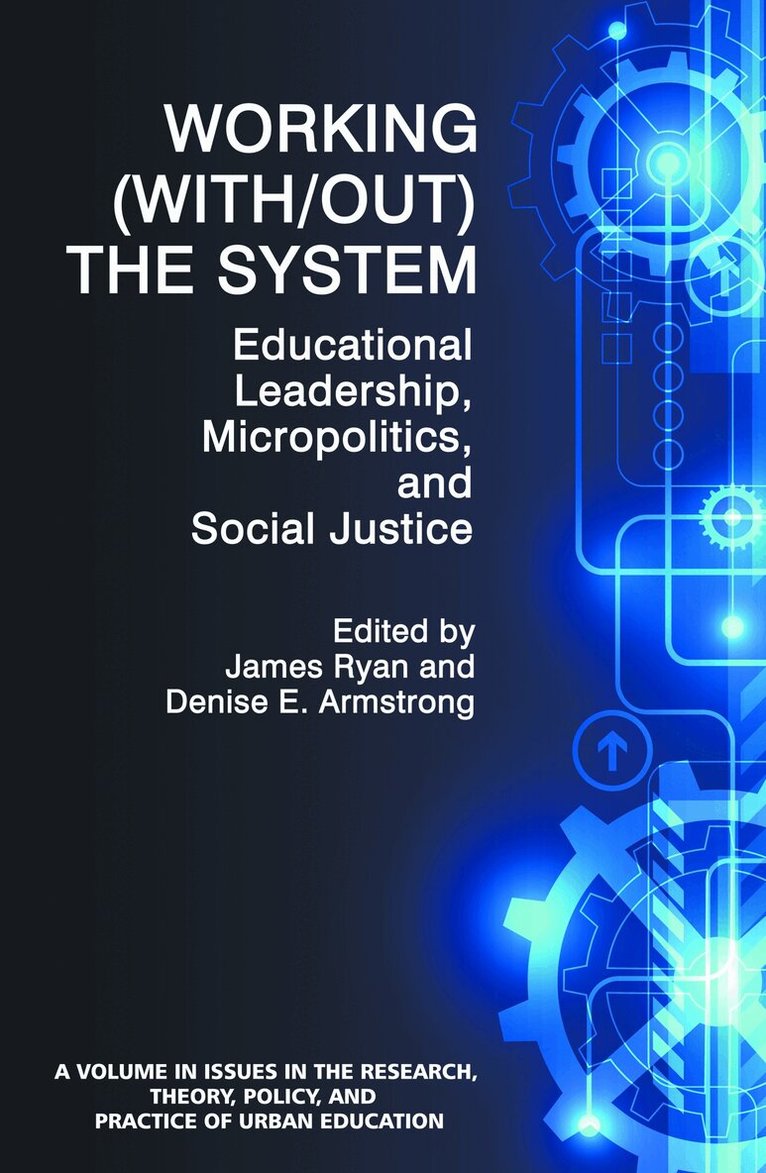
This edited collection of chapters from invited scholars, explores issues of social justice and micropolitics in educational institutions. More specifically, it examines the ways in which social justice workers navigate, or can navigate, (micro) political systems in their quest to promote social justice. Issues of social justice and micropolitics are particularly important in this day and age as standardizing regimes and polarizing forces continue to erode the already perilous condition of the traditionally disadvantaged. While social justice workers make it a point to acknowledge the plight of the less fortunate, their well-meaning attempts to take action are not always successful. This requires that they acknowledge the realities of the micropolitical environments in which they work, and to take action in these arenas if they are to achieve their social justice goals.The title of the book, Working (With/out) the System, draws attention to the ways in which social justice workers/leaders (teachers, administrators, students, community members) navigate educational institutions and the wider social systems that are not always hospitable to changes that promote social justice. This volume describes the prospects, possibilities and actual practice of working with, working without, and working outside of educational organizations to promote social justice. Among other topics, the chapters probe:- the manner in which social justice-minded leaders navigate micropolitical environments- the ways in which social justice minded leaders promote and sustain social justice action within systemic contexts- the difficulties and successes that they experience.
Häftad, Engelska, 2016
622 kr
Skickas inom 5-8 vardagar
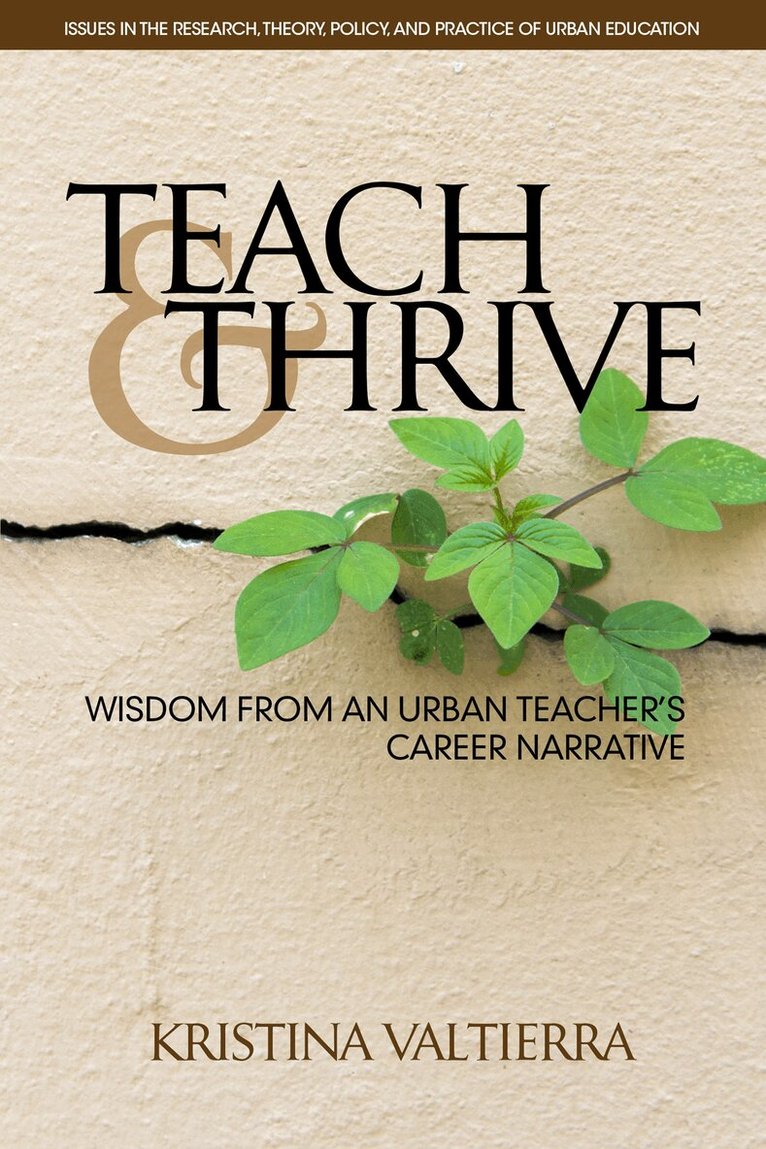
Teacher burn out contributes to the epidemic of early career exit. At least half of all new K-12 teachers leave the profession by the time they reach their fifth year of teaching. Conversely, there are urban teachers who survive burn out and thrive as career- long educators. This book results from an in-depth qualitative study that explored one 40-year veteran teacher’s career narrative, analyzing how she not only survived the burn out epidemic, but also thrived as a highly effective career-long urban teacher.Part 1 of this book uses a critical socio-political lens is used to guide readers through the complexities of career thrival. Framed within the story of one new urban teacher’s typical morning, the book begins with an overview of the socio-political forces that lead to urban teacher burn out. In spite of the obstacles, the more hopeful idea of urban teacher thrival is uncovered through narrative methodology. Part 2 is dedicated to the dynamic narrative of a veteran urban teacher career journey. This inspiring story is related to frameworks established in Part 1, as well as painting a picture of how public education has evolved over the last 40 years, and it’s impact on the lives of teachers.Part 3 takes a deeper dive into three salient themes that permeated throughout the participant’s story. First hope springs eternal is the idea that sustaining hope supported the teacher’s career thrival. Next, the extended education family is the notion that familial-like relationships at school nourished her longevity. The third theme, creative autonomy, reveals that by being empowered with opportunities for curriculum development and instructional decision-making the teacher maintained her passion. This book concludes with recommendations for teachers, educational leaders and teacher educators to develop and maintain thriving teachers.
Inbunden, Engelska, 2016
1 159 kr
Skickas inom 5-8 vardagar
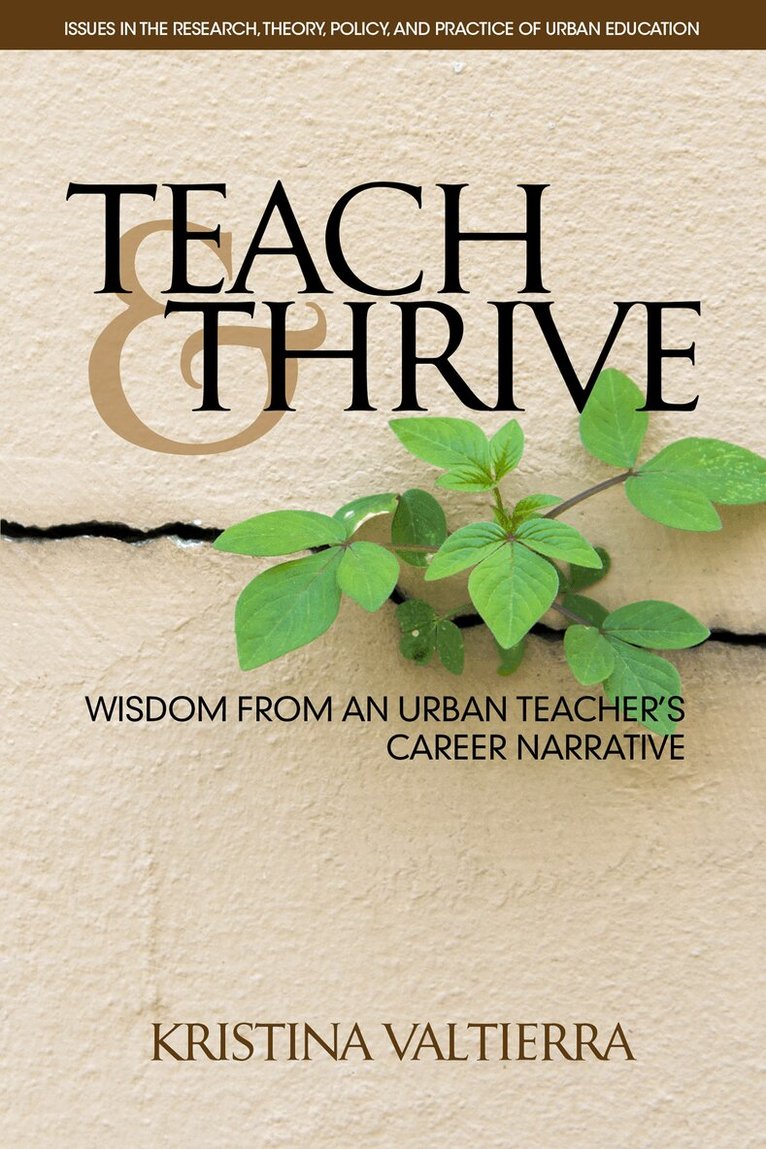
Teacher burn out contributes to the epidemic of early career exit. At least half of all new K-12 teachers leave the profession by the time they reach their fifth year of teaching. Conversely, there are urban teachers who survive burn out and thrive as career- long educators. This book results from an in-depth qualitative study that explored one 40-year veteran teacher’s career narrative, analyzing how she not only survived the burn out epidemic, but also thrived as a highly effective career-long urban teacher.Part 1 of this book uses a critical socio-political lens is used to guide readers through the complexities of career thrival. Framed within the story of one new urban teacher’s typical morning, the book begins with an overview of the socio-political forces that lead to urban teacher burn out. In spite of the obstacles, the more hopeful idea of urban teacher thrival is uncovered through narrative methodology. Part 2 is dedicated to the dynamic narrative of a veteran urban teacher career journey. This inspiring story is related to frameworks established in Part 1, as well as painting a picture of how public education has evolved over the last 40 years, and it’s impact on the lives of teachers.Part 3 takes a deeper dive into three salient themes that permeated throughout the participant’s story. First hope springs eternal is the idea that sustaining hope supported the teacher’s career thrival. Next, the extended education family is the notion that familial-like relationships at school nourished her longevity. The third theme, creative autonomy, reveals that by being empowered with opportunities for curriculum development and instructional decision-making the teacher maintained her passion. This book concludes with recommendations for teachers, educational leaders and teacher educators to develop and maintain thriving teachers.
Inbunden, Engelska, 2026
1 370 kr
Kommande
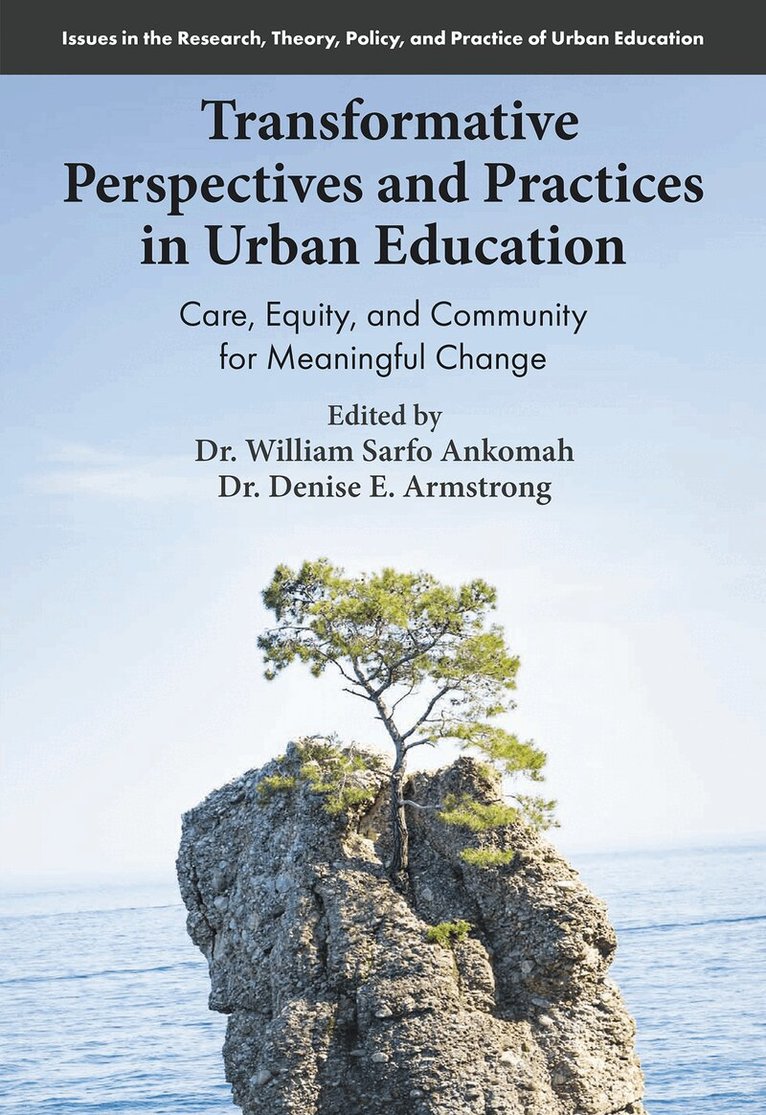
Transformative Perspectives and Practices in Urban Education brings together a rich collection of research, reflections, and innovative practices aimed at advancing equity, leadership, pedagogy, and community engagement in urban educational contexts. Drawing on diverse geographic, cultural, and theoretical perspectives, the chapters offer a hopeful yet realistic vision for urban education across Canada, the United States, South Africa, and beyond. Grounded in themes of care, cultural responsiveness, and social justice, the volume opens with foundational insights into cultivating equitable classrooms through intentional pedagogies and relational teaching. It then moves into deeper explorations of visionary and culturally relevant leadership that supports systemic improvement in resource‑constrained and marginalized communities.Across the volume, contributors engage frameworks such as Appreciative Inquiry, Critical Race Theory, Ecological Systems Theory, and Systems Psychodynamics to illuminate the social, cultural, and psychological forces shaping urban schools. Collectively, the chapters shift the narrative from deficit-based views to perspectives that affirm life, hope, and possibility, even amid challenging conditions. They call for justice‑centered, collaborative, and community‑engaged approaches that position transformative urban education as culturally attuned and contextually responsive. This volume serves as a vital resource for scholars, educators, policymakers, and practitioners committed to reimagining and strengthening urban education. It offers insights and practical strategies that empower students, support educators, and help build more equitable and hopeful school communities.
Häftad, Engelska, 2026
521 kr
Kommande
Transformative Perspectives and Practices in Urban Education brings together a rich collection of research, reflections, and innovative practices aimed at advancing equity, leadership, pedagogy, and community engagement in urban educational contexts. Drawing on diverse geographic, cultural, and theoretical perspectives, the chapters offer a hopeful yet realistic vision for urban education across Canada, the United States, South Africa, and beyond. Grounded in themes of care, cultural responsiveness, and social justice, the volume opens with foundational insights into cultivating equitable classrooms through intentional pedagogies and relational teaching. It then moves into deeper explorations of visionary and culturally relevant leadership that supports systemic improvement in resource‑constrained and marginalized communities.Across the volume, contributors engage frameworks such as Appreciative Inquiry, Critical Race Theory, Ecological Systems Theory, and Systems Psychodynamics to illuminate the social, cultural, and psychological forces shaping urban schools. Collectively, the chapters shift the narrative from deficit-based views to perspectives that affirm life, hope, and possibility, even amid challenging conditions. They call for justice‑centered, collaborative, and community‑engaged approaches that position transformative urban education as culturally attuned and contextually responsive. This volume serves as a vital resource for scholars, educators, policymakers, and practitioners committed to reimagining and strengthening urban education. It offers insights and practical strategies that empower students, support educators, and help build more equitable and hopeful school communities.