Southern Voices from the Past: Women's Letters, Diaries, and Writings – serie
Visar alla böcker i serien Southern Voices from the Past: Women's Letters, Diaries, and Writings. Handla med fri frakt och snabb leverans.
5 produkter
5 produkter
804 kr
Skickas inom 5-8 vardagar
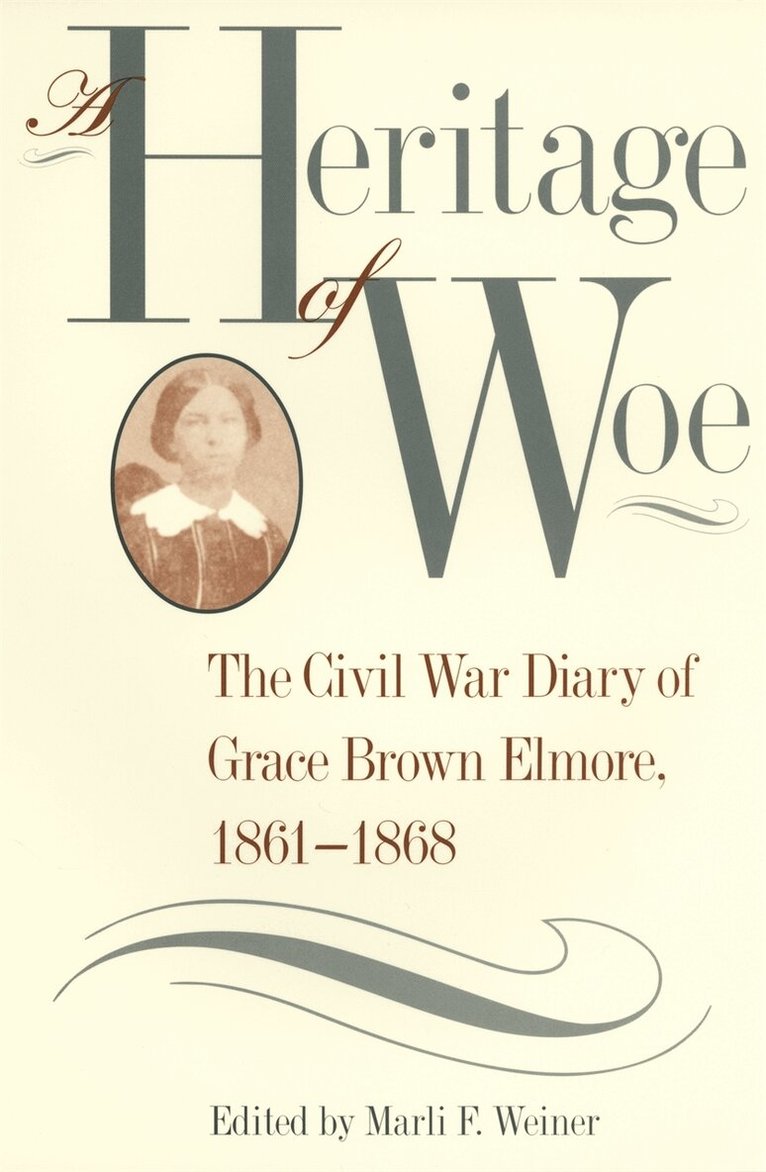
This diary chronicles the defining years in the life of Grace Brown Elmore, one of eight children in a wealthy and influential Columbia, South Carolina, family. Begun just five months into the Civil War, when Elmore was twenty-two, it is a rich personal account of a society in the midst of chaotic change.At her diary's opening, Elmore had every reason to believe that she would someday marry, bear children, and have a pleasurable life within a network of comparably privileged relatives and friends.Despite her enduring devotion to the Confederacy, Elmore, who never did marry, found that the war eroded all stability and certainty from her life. Even before the South's fall, Elmore, like other elite young southern white women, had seen the old verities destroyed and had been forced to reassess all that she had taken for granted.Elmore's descriptions of wartime life tell of the Confederate army's retreat from Columbia, the burning of the town, and the consequences of Sherman's occupation. Her details of the transition to peace and the harsh economic realities of Reconstruction relate her work as a teacher, and whether fondly recalling her mammy, Mauma Binah, or bemoaning the "impertinence" of newly freed slaves, she also provides a wealth of material on southern racial attitudes. The diary is also filled with unusually candid glimpses into the dynamics of her family.In her younger years Elmore wrote of feeling "hemmed in . . . by other people's ideas" and often chafed at her society's notions about women's domesticity. Although she rose to every challenge before her, Elmore's diary nonetheless suggests that the autonomy and independence she had longed for early in her life came under circumstances that made them a penalty, not a prize.
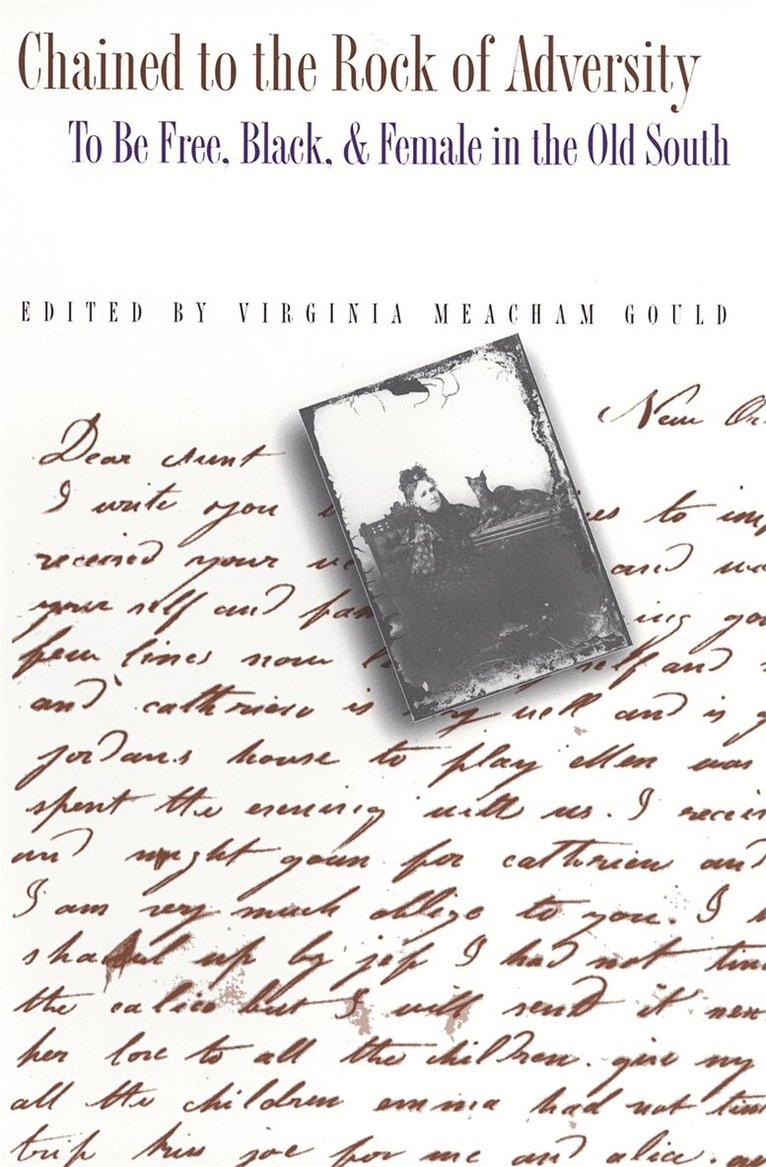
Chained to the Rock of Adversity
To Be Free, Black, and Female in the Old South
Häftad, Engelska, 1998
419 kr
Skickas inom 5-8 vardagar
Chained to the Rock of Adversity offers valuable insight into the lives of the Old South's free women of color, using personal letters and a diary to tell an extraordinary story.The letters, from family members and friends, were written between 1844 and 1899 to Ann Battles Johnson, wife of prominent Natchez businessman William T. Johnson, and her daughter Anna, while Ann's daughter Catharine wrote the diary. A freed slave herself, Ann Johnson became the head of her family and a slaveholder before the Civil War. Her days were filled with the often tedious and sometimes overwhelming duties assigned to slaveholding women, but her race separated her from most other women of this class. The writings depict a tight-knit network of family and friends and show a family well aware of its precarious position in society, feared by most whites and resented by other blacks.Editor Virginia Meacham Gould provides an extensive introduction, a cast of characters, identifying notes, and a brief afterword tracing the Johnson family to the present day.
886 kr
Skickas inom 5-8 vardagar
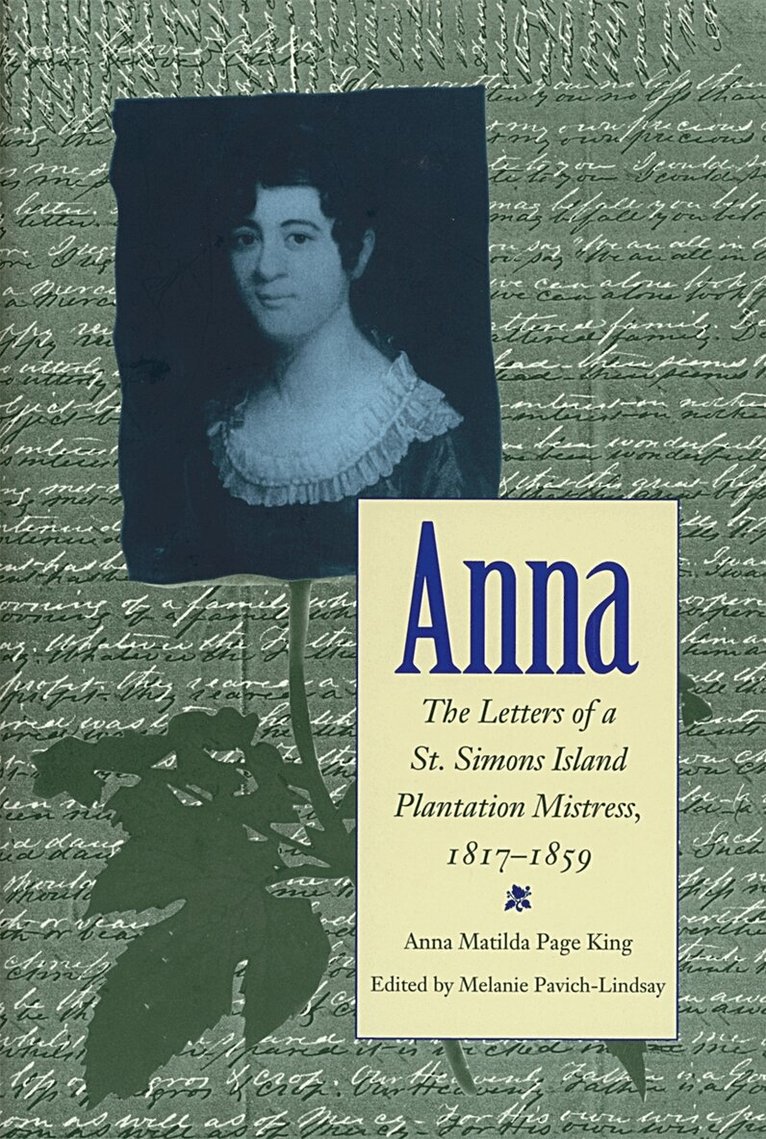
As the wife of a frequently absent slaveholder and public figure, Anna Matilda Page King (1798-1859) was the de facto head of their Sea Island plantation. This volume collects more than 150 letters to her husband, children, parents, and others. Conveying the substance of everyday life as they chronicle King's ongoing struggles to put food on the table, nurse her "family black and white," and keep faith with a disappointing husband, the letters offer an absorbing firsthand account of antebellum coastal Georgia life.Anna Matilda Page was reared with the expectation that she would marry a planter, have children, and tend to her family's domestic affairs. Untypically, she was also schooled by her father in all aspects of plantation management, from seed cultivation to building construction. That grounding would serve her well. By 1842 her husband's properties were seized, owing to debts amassed from crop failures, economic downturns, and extensive investments in land, enslaved workers, and the development of the nearby port town of Brunswick. Anna and her family were sustained, however, by Retreat, the St. Simons Island property left to her in trust by her father. With the labor of fifty bondpeople and "their increase" she was to strive, with little aid from her husband, to keep the plantation solvent.A valuable record of King's many roles, from accountant to mother, from doctor to horticulturist, the letters also reveal much about her relationship with, and attitudes toward, her enslaved workers. Historians have yet to fully understand the lives of plantation mistresses left on their own by husbands pursuing political and other professional careers. Anna Matilda Page King's letters give us insight into one such woman who reluctantly entered, but nonetheless excelled in, the male domains of business and agriculture.
534 kr
Skickas inom 5-8 vardagar
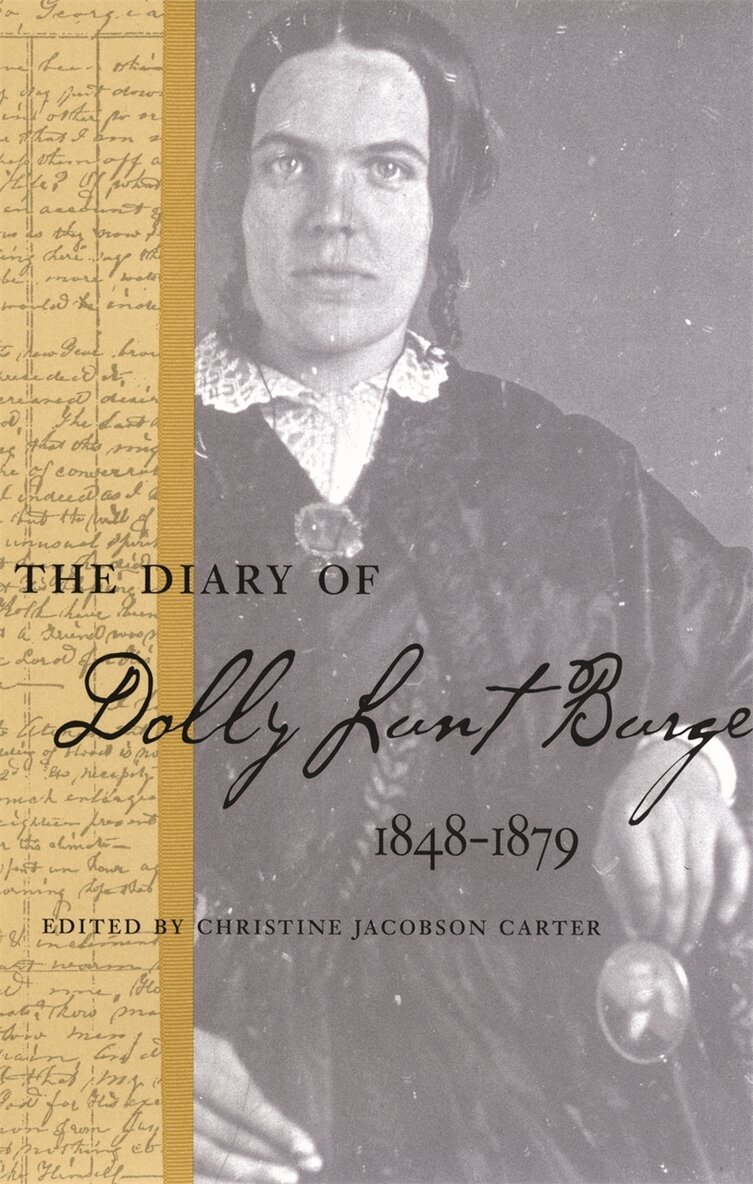
The Diary of Dolly Lunt Burge is the compelling story of an ordinary woman rising to meet extraordinary challenges in nineteenth-century Georgia. Dolly Lunt Burge's full life was remarkable for the range of roles she filled and the variety of her experiences. That her life coincided with critical transformations in America and that she recorded her experiences within this historical context make her diary all the more noteworthy.Burge moved from Maine to Georgia with her physician husband in the 1840s. By the time she began her diary at age thirty, Dolly had lost her husband and her only living child to illness. A devout and self-sufficient schoolteacher, she soon married again, to Thomas Burge, a planter and widowed father of four. Upon her second husband's death in 1858, Dolly independently ran the plantation, located in Mansfield. She remained there during the Civil War, witnessing Sherman's famous march through the area. Dolly married a third and final time, in 1866, to Rev. William Parks, a prominent Methodist minister. Through it all, Dolly recorded the changes in her life and her country, describing her surroundings, friends, family, and feelings in thoughtful, moving language.Originally published in part as A Woman's Wartime Journal: An Account of Sherman's Devastation of a Southern Plantation (1918), this journal was published in its entirety in 1962. This full version, first published in 1997 and based on a new transcription
567 kr
Skickas inom 5-8 vardagar
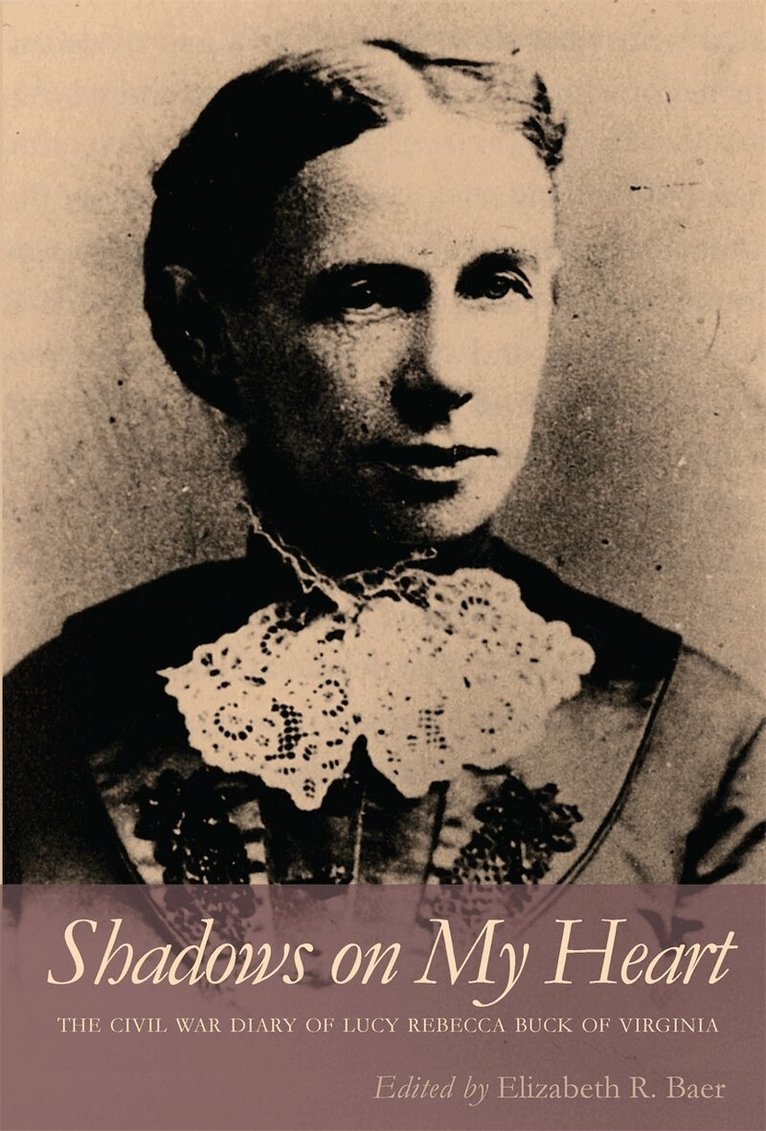
When the Civil War began in 1861 Lucy Rebecca Buck was the eighteen-year-old daughter of a prosperous planter, living on her family's plantation in Virginia's Shenandoah Valley. On Christmas Day of that year she began a diary which she would keep for the duration of the war, during which time troops were quartered in her home and battles were literally waged in her front yard.This extraordinary chronicle mirrors the experience of many women torn between loyalty to the Confederate cause and dissatisfaction with the unrealistic ideology of white southern womanhood. In powerful, unsentimental language, Buck's diary reveals her anger and ambivalence about the challenges thrust upon her by the upheaval of her self, her family, and the world as she knew it. This document provides an extraordinary glimpse into the "shadows on the heart" of both Lucy Buck and the American South.