Anthem Studies in Renaissance Literature and Culture – serie
Visar alla böcker i serien Anthem Studies in Renaissance Literature and Culture. Handla med fri frakt och snabb leverans.
3 produkter
3 produkter
1 442 kr
Skickas inom 5-8 vardagar
This book looks at how Renaissance poets ended their poetic lines. It considers a range of strategies and argues that line endings are crucial to our understanding of the poems. It begins with an introduction summarizing the work that has already been done in this area and demonstrating the author’s own method. The main part of the book is divided into three chapters: one on rhyme; one on enjambment; and one on the sestina. These are the most significant kinds of line endings used by English Renaissance poets. The book ends with a brief afterword, wherein the author’s findings and some new areas for research are sketched out.
1 442 kr
Skickas inom 5-8 vardagar
Many have wondered why the works of Shakespeare and other early modern writers are so filled with violence, with murder and mayhem. This work explains how and why, putting the literature of the European Renaissance in the context of the history of violence. Personal violence was on the decline in Europe beginning in the fifteenth century, but warfare became much deadlier and the stakes of war became much higher as the new nation-states vied for hegemony and the New World became a target of a shattering invasion. There are times when Renaissance writers seem to celebrate violence, but more commonly they anatomized it and were inclined to focus on victims as well as warriors on the horrors of violence as well as the need for force to protect national security and justice. In Renaissance writing, violence has lost its innocence.
Del 1 - Anthem Studies in Renaissance Literature and Culture
Picturing Shakespeare
Häftad, Engelska, 2024
462 kr
Skickas inom 5-8 vardagar
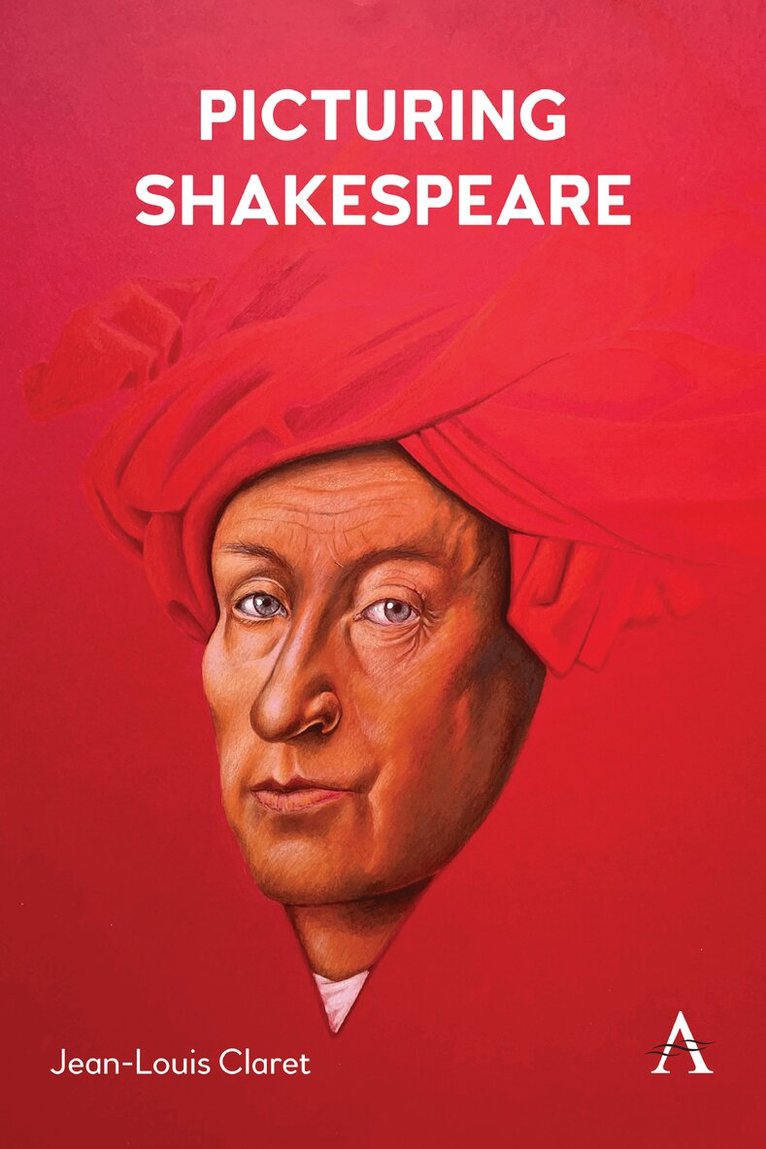
This study investigates the capacity of Shakespeare’s texts – obviously destined for stage performances – to generate images and mental colours in the readers’ and in the spectators’ minds. Such notions as Ut pictura poesis and the paragoneare discussed in the first part of this book, along with the function and nature of colours. After considering the sets of correspondences and the major differences between texts and images, the author presents and analyzes some of his own illustrations of Shakespearean characters. Jean-Louis Claret, both a university professor specialized in Shakespeare’s theatre and an illustrator, proposes to shed light on the process that led him from the perusal of the written text to the visualization of visages. The voice of poets is unconventionally called upon to shed light on the complex mechanisms he describes.