Cambridge Studies in Graphic Narratives – serie
Visar alla böcker i serien Cambridge Studies in Graphic Narratives. Handla med fri frakt och snabb leverans.
4 produkter
4 produkter
The Rise of the Graphic Novel
Computational Criticism and the Evolution of Literary Value
Inbunden, Engelska, 2023
1 295 kr
Skickas inom 7-10 vardagar
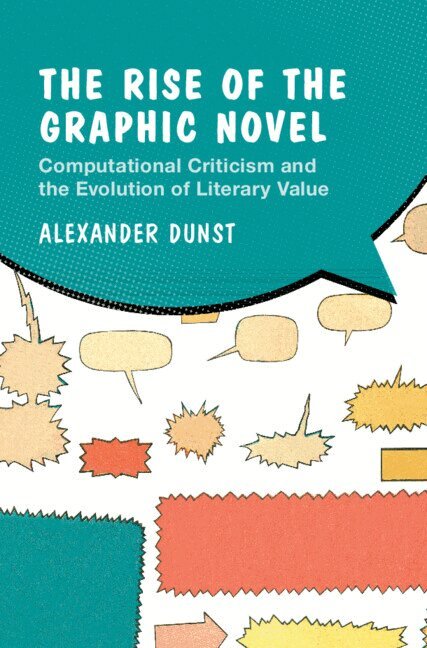
Bringing digital humanities methods to the study of comics, this monograph traces the emergence of the graphic novel at the intersection of popular and literary culture. Based on a representative corpus of over 250 graphic novels from the United States, Canada, and Great Britain, it shows how the genre has built on the visual style of comics while adopting selected features of the contemporary novel. This argument positions the graphic novel as a crucial case study for our understanding of twenty-first-century culture. More than simply a niche format, graphic novels demonstrate how contemporary literature reworks elements of genre narrative, reconfiguring rather than abolishing distinctions between high and low. The book also puts forward a new historical periodization for the graphic novel, centered on integration into the literary marketplace and leading to an explosive growth in page length and a diversification of aesthetic styles.
1 295 kr
Skickas inom 7-10 vardagar
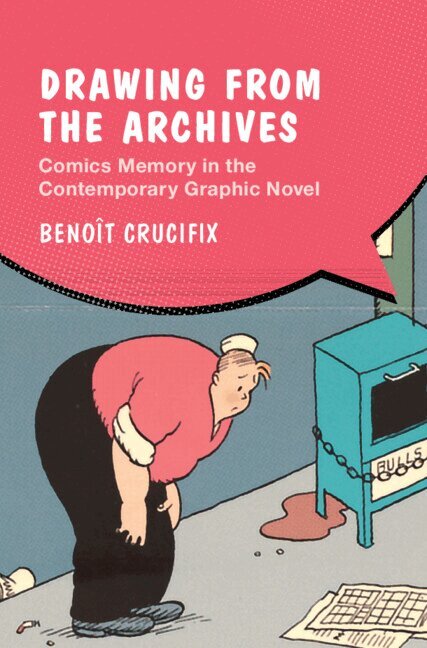
Following Art Spiegelman's declaration that 'the future of comics is in the past,' this book considers comics memory in the contemporary North American graphic novel. Cartoonists such as Chris Ware, Seth, Charles Burns, Daniel Clowes, and others have not only produced some of the most important graphic novels, they have also turned to the history of comics as a common visual heritage to pass on to new readers. This book is a full-length study of contemporary cartoonists when they are at work as historians: it offers a detailed description of how they draw from the archives of comics history, examining the different gestures of collecting, curating, reprinting, forging, swiping, and undrawing that give shape to their engagement with the past. In recognizing these different acts of transmission, this book argues for a material and vernacular history of how comics are remembered, shared, and recirculated over time.
576 kr
Kommande
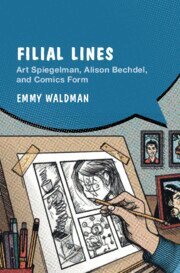
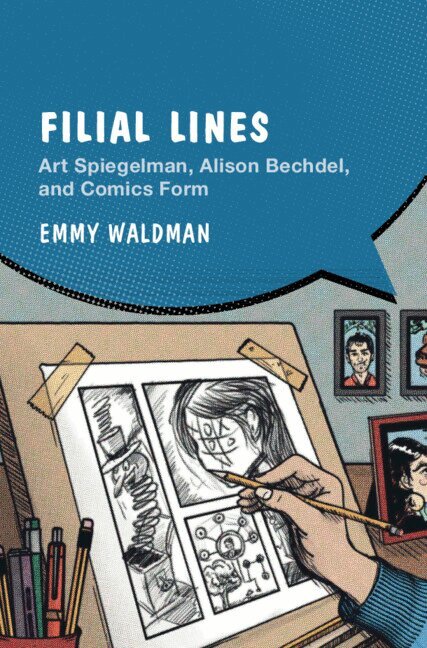
This is the first book to place the autobiographical projects of canonical comics authors Art Spiegelman and Alison Bechdel alongside each other, focusing on new and neglected works (and with an epilogue on the Pulitzer Prize-winning tour-de-force debut of Tessa Hulls). The book offers a lively cast of five formal tropes-boxes, spirals, tic-tac-toe, mirrors, and webs-through which to model fundamental elements of the comics grammar and its material processes. Built around rich close readings, it shows what makes the comics form particularly suited to negotiate complex familial and creative inheritances and manage layered, relational identities. Interweaving accounts of Jewish identity, female embodiment, legacies of modernism, and feminist practice, the book traces how contemporary graphic memoirists visually work and rework their filiations and affiliations through form, situating the medium as a privileged site and staging ground for arguments about the enabling possibilities of form now.
1 418 kr
Kommande
This is the first book to place the autobiographical projects of canonical comics authors Art Spiegelman and Alison Bechdel alongside each other, focusing on new and neglected works (and with an epilogue on the Pulitzer Prize-winning tour-de-force debut of Tessa Hulls). The book offers a lively cast of five formal tropes-boxes, spirals, tic-tac-toe, mirrors, and webs-through which to model fundamental elements of the comics grammar and its material processes. Built around rich close readings, it shows what makes the comics form particularly suited to negotiate complex familial and creative inheritances and manage layered, relational identities. Interweaving accounts of Jewish identity, female embodiment, legacies of modernism, and feminist practice, the book traces how contemporary graphic memoirists visually work and rework their filiations and affiliations through form, situating the medium as a privileged site and staging ground for arguments about the enabling possibilities of form now.