Caregiving: Research • Practice • Policy – serie
Visar alla böcker i serien Caregiving: Research • Practice • Policy. Handla med fri frakt och snabb leverans.
17 produkter
17 produkter
Häftad, Engelska, 2011
483 kr
Skickas inom 10-15 vardagar
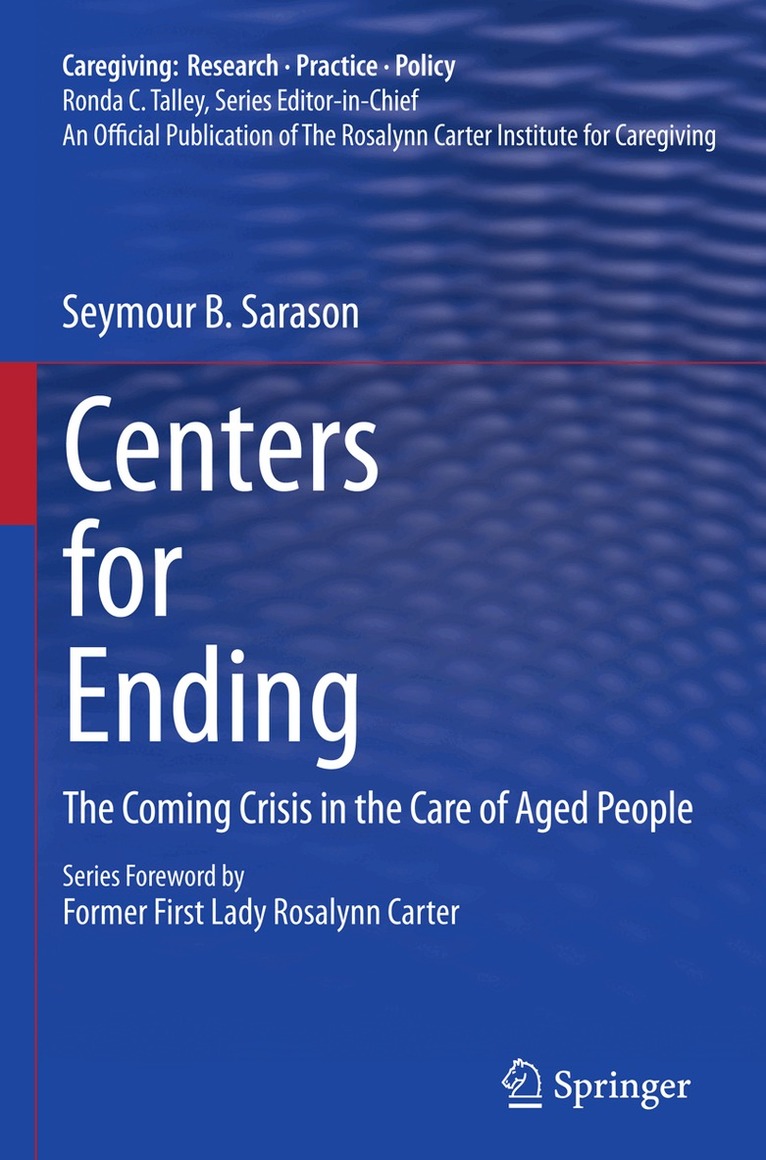
As people live longer and health care costs continue to rise and fewer doctors choose to specialize in geriatrics, how prepared is the United States to care for its sick and elderly? According to veteran psychologist Seymour Sarason’s eloquent and compelling new book, the answer is: inadequately at best. And rarely discussed among the grim statistics is the psychosocial price paid by nursing home patients, from loneliness and isolation to depression and dependency.In Centers for Ending, Dr. Sarason uses his firsthand experience as both practitioner and patient in senior facilities to reveal wide-ranging professional and moral issues affecting this seemingly familiar terrain. Insensitive medical personnel, poorly trained nurses and aides, indifferent administrators, and a prevailing culture content with treating “bodies” instead of human beings are identified as contributing factors. Drawing on America’s rich history of large-scale solutions to social problems, Dr. Sarason offers penetrating insights and bold suggestions in such areas as:The widening care gap between haves and have-nots.Why professional caregivers fail to understand patients.The nursing home resident as immigrant.Why previous reform efforts have not worked.The need for a Presidential commission for the elderly.The scenario if conditions are allowed to remain as they are or worsen.This concise volume is essential reading for researchers, graduate students, professionals, practitioners, and policy makers across such fields as geriatric medicine, health psychology, social work, public health, and public policy. Centers for Ending is a clarion call to be ignored at great cost to our elders and ourselves.
Inbunden, Engelska, 2011
1 081 kr
Skickas inom 10-15 vardagar
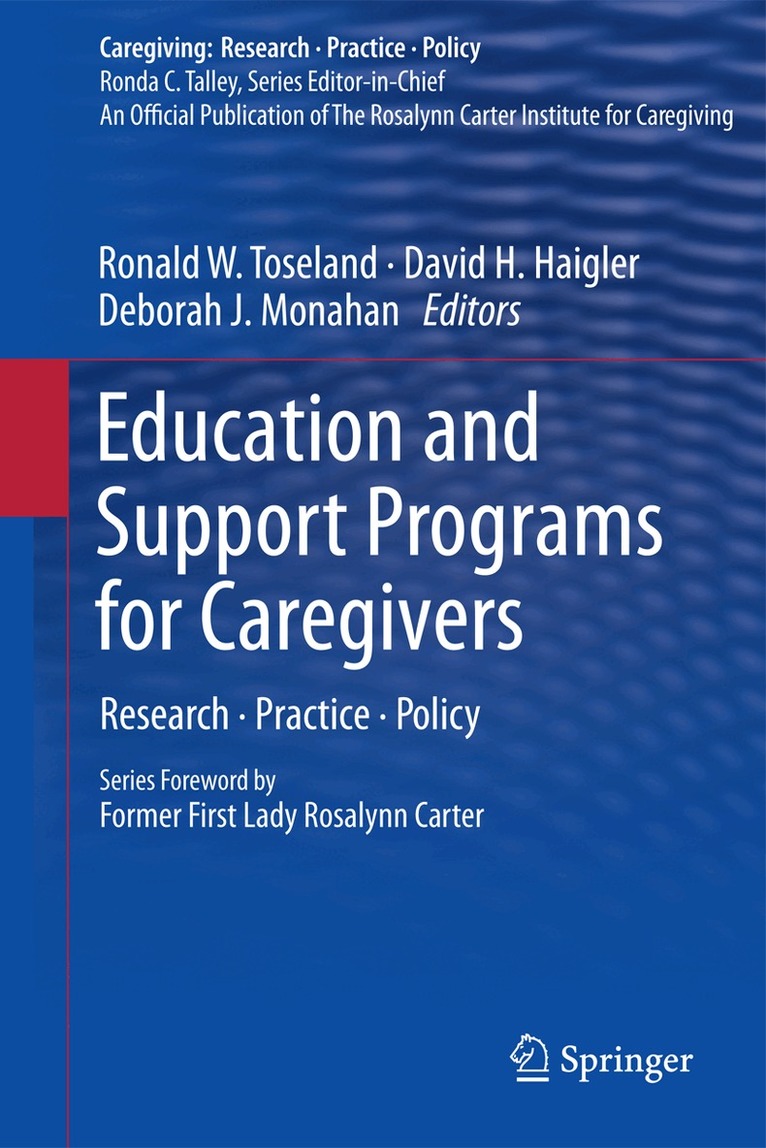
For many, caring for a chronically ill family member is “the right thing to do”, but it is also often a source of emotional hardship, physical stress, and social isolation. In response, skill-building, coping, and psychoeducational programs have emerged to help caregivers meet the changes and challenges in their – as well as the patients’ – lives.Education and Support Programs for Caregivers reveals the diversity of the caregiver population as well as their experiences and needs, and it introduces an empirically solid framework for planning, implementing, and evaluating caregiver programs. The book synthesizes current trends, exploring the effectiveness of different types of programs (e.g., clinic, community, home based) and groups (e.g., peer, professional, self-help), and how supportive programs lead to improved care.Coverage includes:Improving service delivery of education and support programs to underserved caregivers.Cultural, ethnic, and gender issues in conducting caregiver education and support groups.Utilization patterns (e.g., a key to understanding service needs).E-health, telehealth, and other technological developments in caregiver services.Evaluating the effectiveness and sustainability of programs.Recommendations for future practice, training, policy, and advocacy.Education and Support Programs for Caregivers offers a wealth of insights and ideas for researchers, practitioners, and graduate students across the caregiving fields, including psychology, social work, public health, geriatrics and gerontology, and medicine as well as public and education policy makers.
Inbunden, Engelska, 2011
1 113 kr
Skickas inom 10-15 vardagar
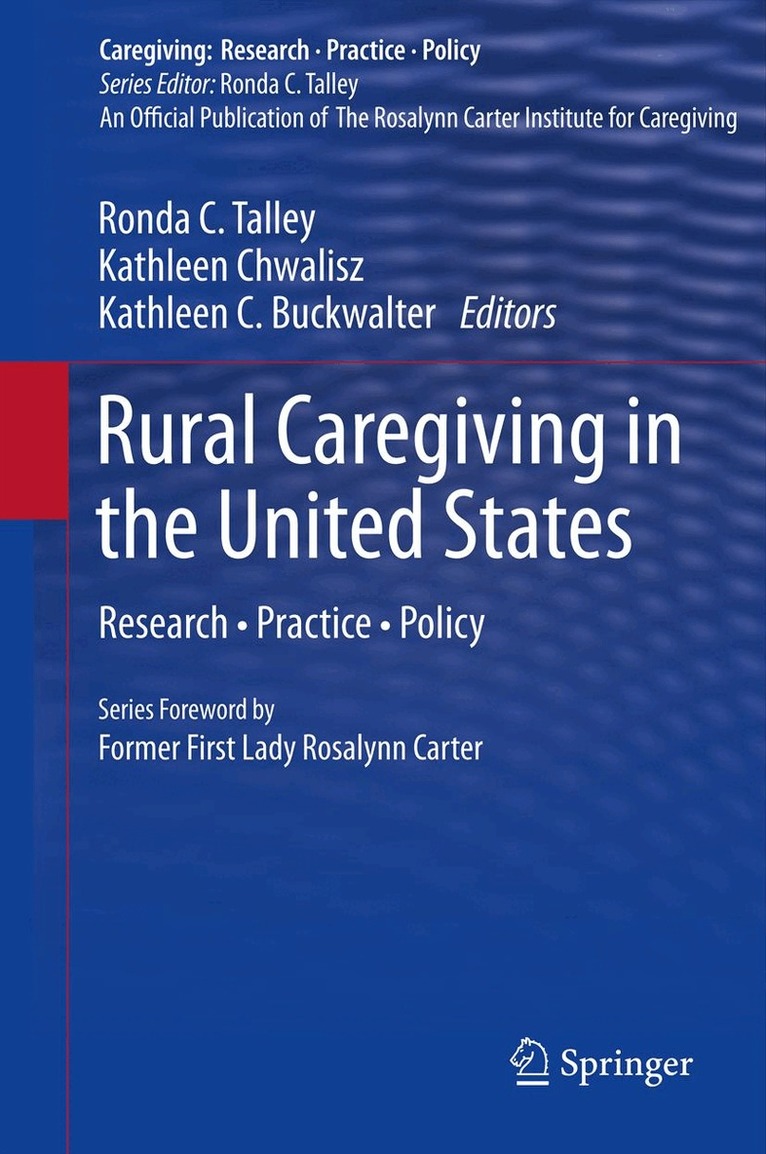
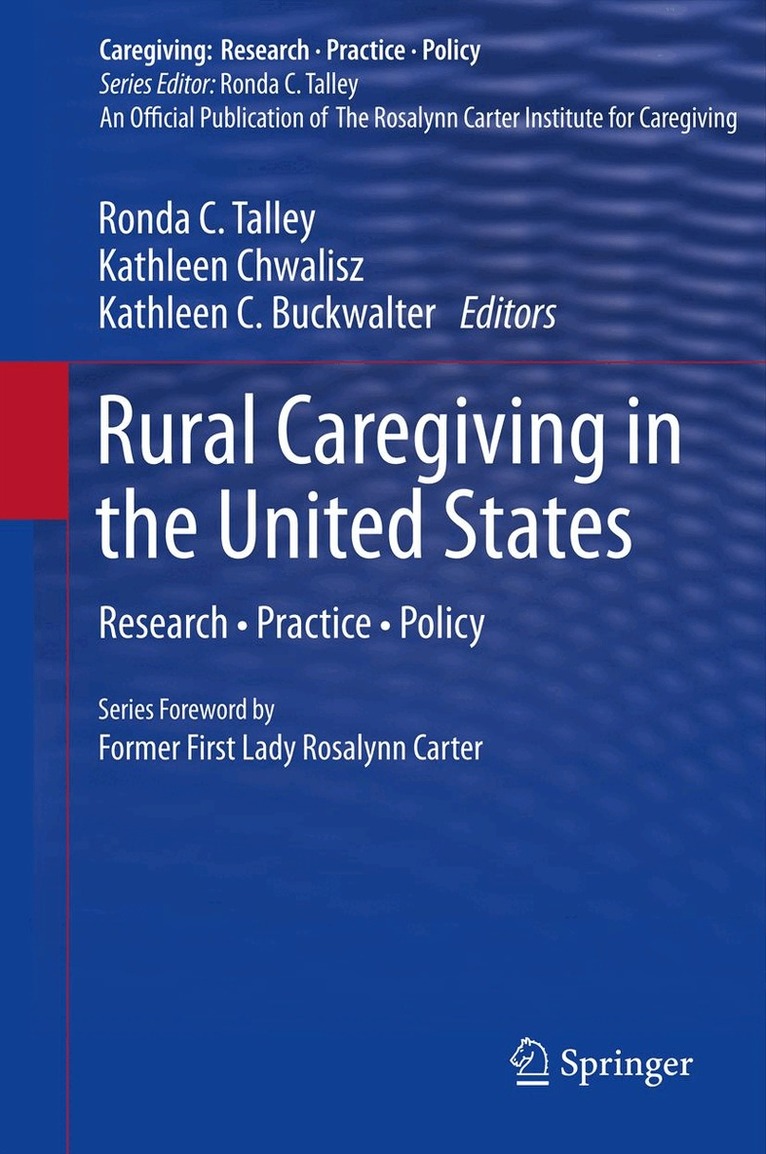
Caregivers living in rural areas face daunting obstacles. In addition to the isolation and anxiety that many caregivers across the country experience, rural caregivers must also cope with limited access to uncoordinated resources and severe shortages of trained professionals. Although many research, policy, and practice upgrades have been made in response to caregivers’ general concerns, the specific problems facing the rural caregiver have been less frequently addressed.Focusing on what is known as well as what is needed – and zeroing in on major subgroups within this diverse population – Rural Caregiving in the United States replaces misconceptions of the nonurban experience with real-life issues, findings, and solutions. For example, this pioneering volume:Covers a broad range of issues unique to rural caregiving, including research, education/training, policy, and practice.Identifies specific needs related to education, training, and support for rural caregivers.Examines both the positive and negative effects of rural living on caregivers as well as patients.Discusses the importance of in-home care in lieu of scarcer forms of for-profit care (e.g., hospitals).Addresses not only discrepancies between rural and urban health care systems but racial and ethnic disparities within rural health care.Explores the advantages of using information technology to address rural health care limitations. Rural Caregiving in the United States offers uniquely knowledgeable perspectives to researchers, practitioners, and graduate students in the caregiving fields, including psychology, social work, nursing, gerontology and geriatrics, medicine, public health, public policy, and educational policy.
Häftad, Engelska, 2014
1 113 kr
Skickas inom 10-15 vardagar
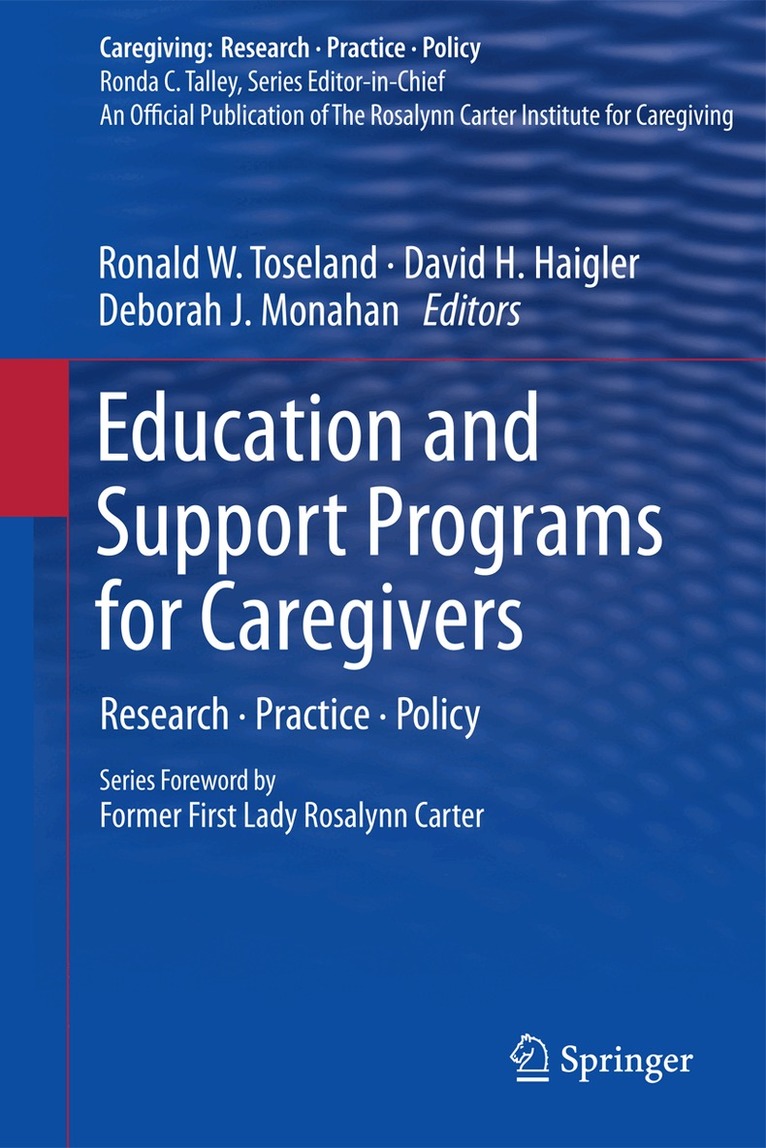
For many, caring for a chronically ill family member is “the right thing to do”, but it is also often a source of emotional hardship, physical stress, and social isolation. In response, skill-building, coping, and psychoeducational programs have emerged to help caregivers meet the changes and challenges in their – as well as the patients’ – lives.Education and Support Programs for Caregivers reveals the diversity of the caregiver population as well as their experiences and needs, and it introduces an empirically solid framework for planning, implementing, and evaluating caregiver programs. The book synthesizes current trends, exploring the effectiveness of different types of programs (e.g., clinic, community, home based) and groups (e.g., peer, professional, self-help), and how supportive programs lead to improved care.Coverage includes:Improving service delivery of education and support programs to underserved caregivers.Cultural, ethnic, and gender issues in conducting caregiver education and support groups.Utilization patterns (e.g., a key to understanding service needs).E-health, telehealth, and other technological developments in caregiver services.Evaluating the effectiveness and sustainability of programs.Recommendations for future practice, training, policy, and advocacy.Education and Support Programs for Caregivers offers a wealth of insights and ideas for researchers, practitioners, and graduate students across the caregiving fields, including psychology, social work, public health, geriatrics and gerontology, and medicine as well as public and education policy makers.
Häftad, Engelska, 2013
1 113 kr
Skickas inom 10-15 vardagar
Caregivers living in rural areas face daunting obstacles. In addition to the isolation and anxiety that many caregivers across the country experience, rural caregivers must also cope with limited access to uncoordinated resources and severe shortages of trained professionals. Although many research, policy, and practice upgrades have been made in response to caregivers’ general concerns, the specific problems facing the rural caregiver have been less frequently addressed.Focusing on what is known as well as what is needed – and zeroing in on major subgroups within this diverse population – Rural Caregiving in the United States replaces misconceptions of the nonurban experience with real-life issues, findings, and solutions. For example, this pioneering volume:Covers a broad range of issues unique to rural caregiving, including research, education/training, policy, and practice.Identifies specific needs related to education, training, and support for rural caregivers.Examines both the positive and negative effects of rural living on caregivers as well as patients.Discusses the importance of in-home care in lieu of scarcer forms of for-profit care (e.g., hospitals).Addresses not only discrepancies between rural and urban health care systems but racial and ethnic disparities within rural health care.Explores the advantages of using information technology to address rural health care limitations. Rural Caregiving in the United States offers uniquely knowledgeable perspectives to researchers, practitioners, and graduate students in the caregiving fields, including psychology, social work, nursing, gerontology and geriatrics, medicine, public health, public policy, and educational policy.
Inbunden, Engelska, 2012
1 113 kr
Skickas inom 10-15 vardagar
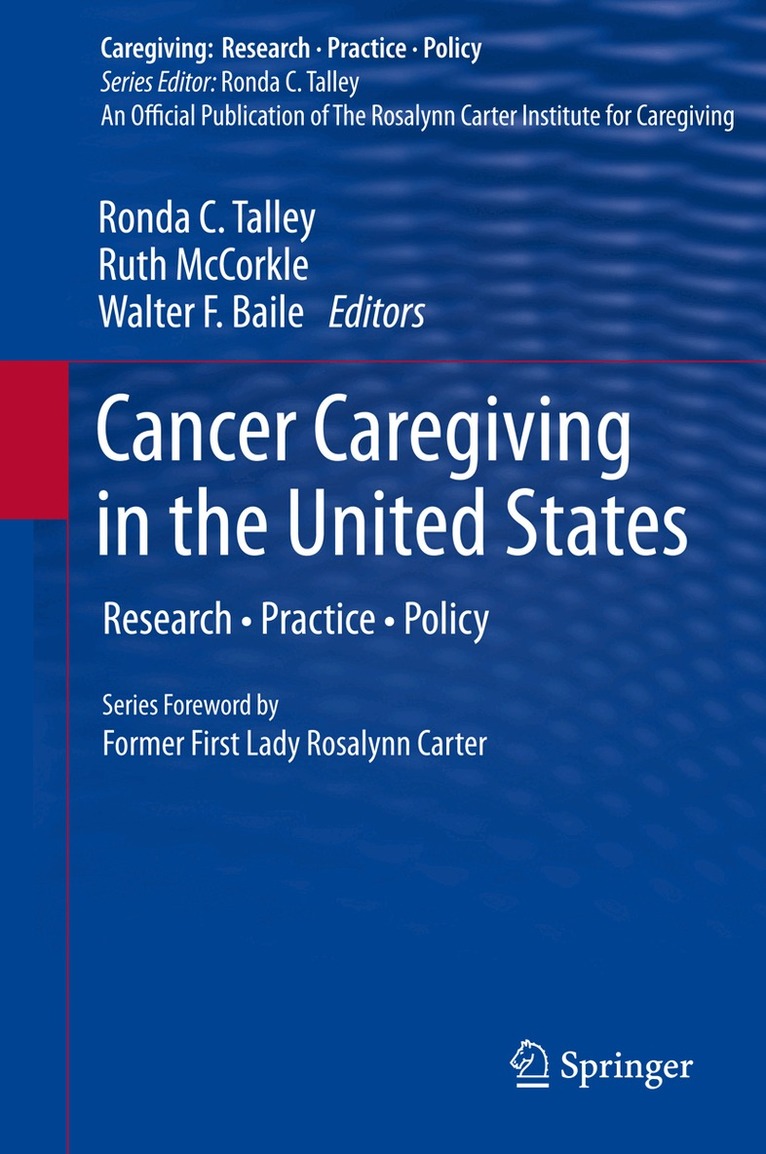
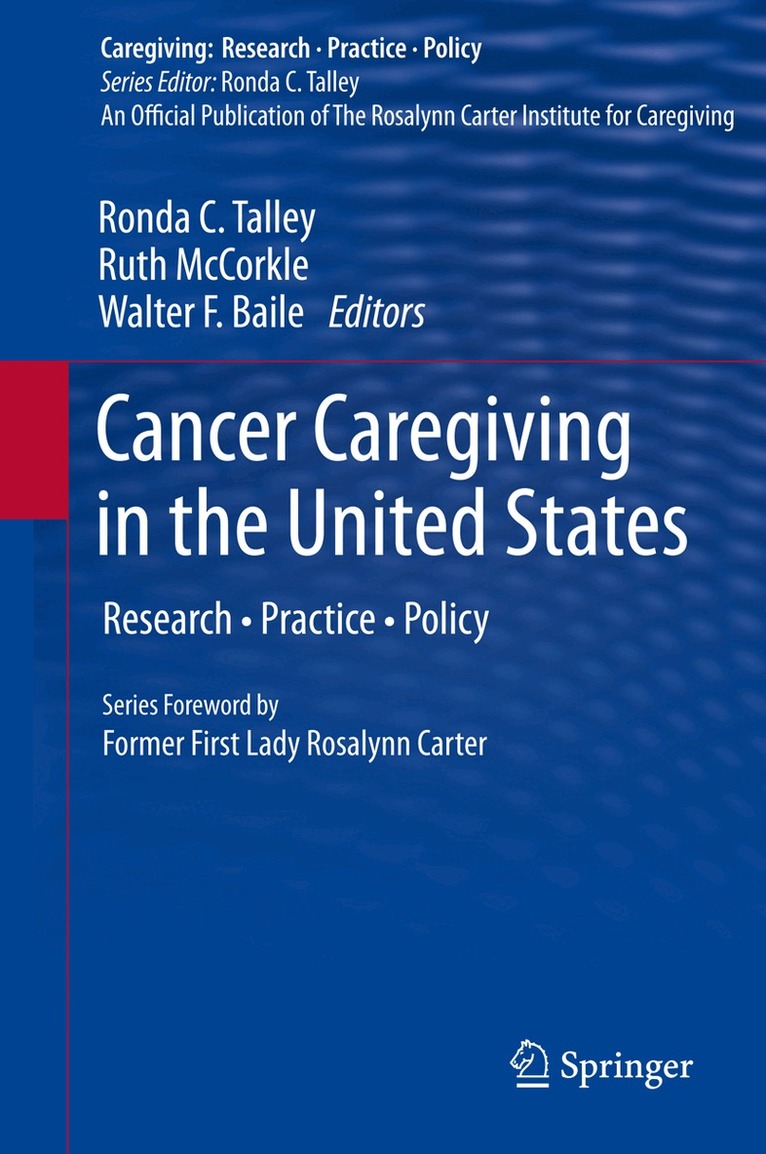
Despite advances in detection and treatment, cancer remains a source of pain and distress to patients and of complex challenges to the loved ones caring for them. The trend toward shorter hospital stays in particular has increased the physical, psychological, and financial burden on caregivers, often leading to adverse effects on patients.Cancer Caregiving in the United States illuminates these complex concerns with authoritative detail. This wide-ranging volume provides a comprehensive survey of cancer-related issues, including those affecting the care triad (patients-family members- professionals) and quality of care as well as the numerous physical, emotional, and financial challenges that caregivers may need to confront. Sources of caregiver difficulty at each stage of the disease, from diagnosis to end of life, are explored. Each chapter analyzes its topic in terms of practice, research, education, and policy, providing a wealth of literature reviews, assessment and care models, interventions, and recommendations for future study and practice. Coverage includes:Caregiving issues for cancer patients with long-term, short-term, and intermittent needs.Family caregivers as members of the treatment team.The impact of health disparities on caregivers.Cancer care policy and advocacy.End-of-life issues for cancer caregivers.Legal, financial, and ethical issues. Cancer Caregiving in the United States is a core reference for researchers, professionals/scientist-practitioners, and graduate students in such caregiving fields as clinical psychology, social work, nursing, public health and medicine, social policy, and educational policy.
Inbunden, Engelska, 2012
1 776 kr
Skickas inom 10-15 vardagar
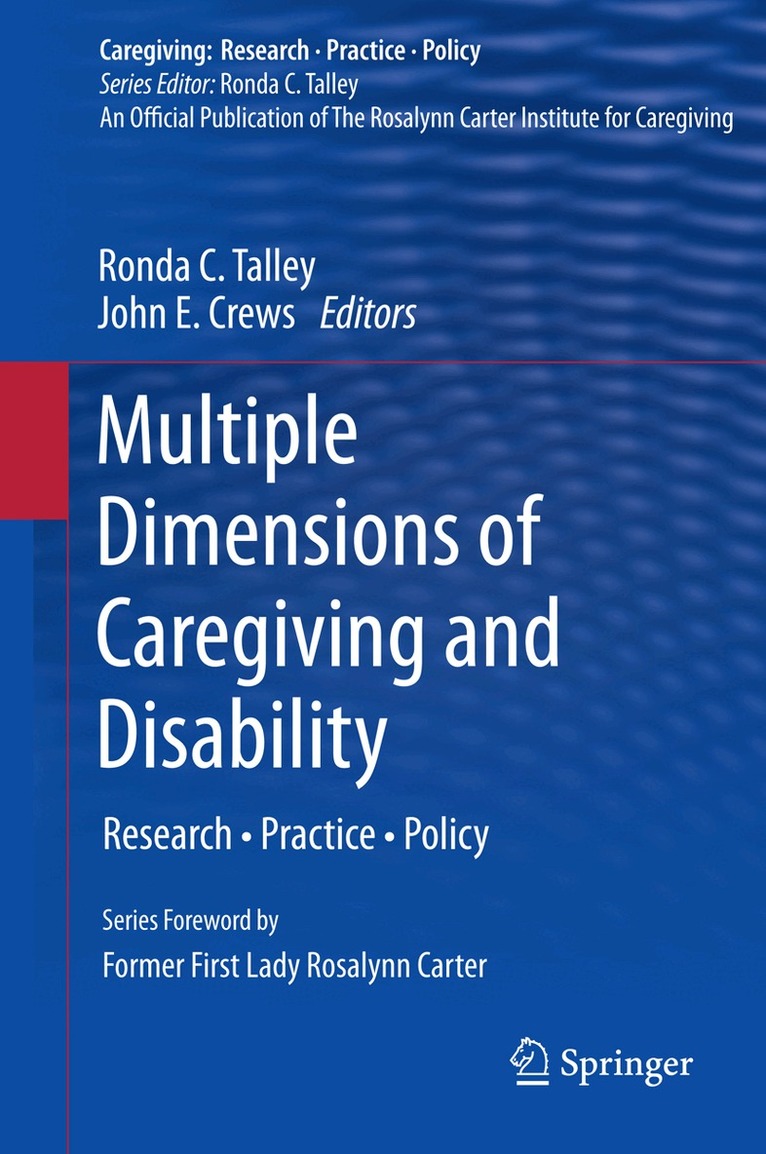
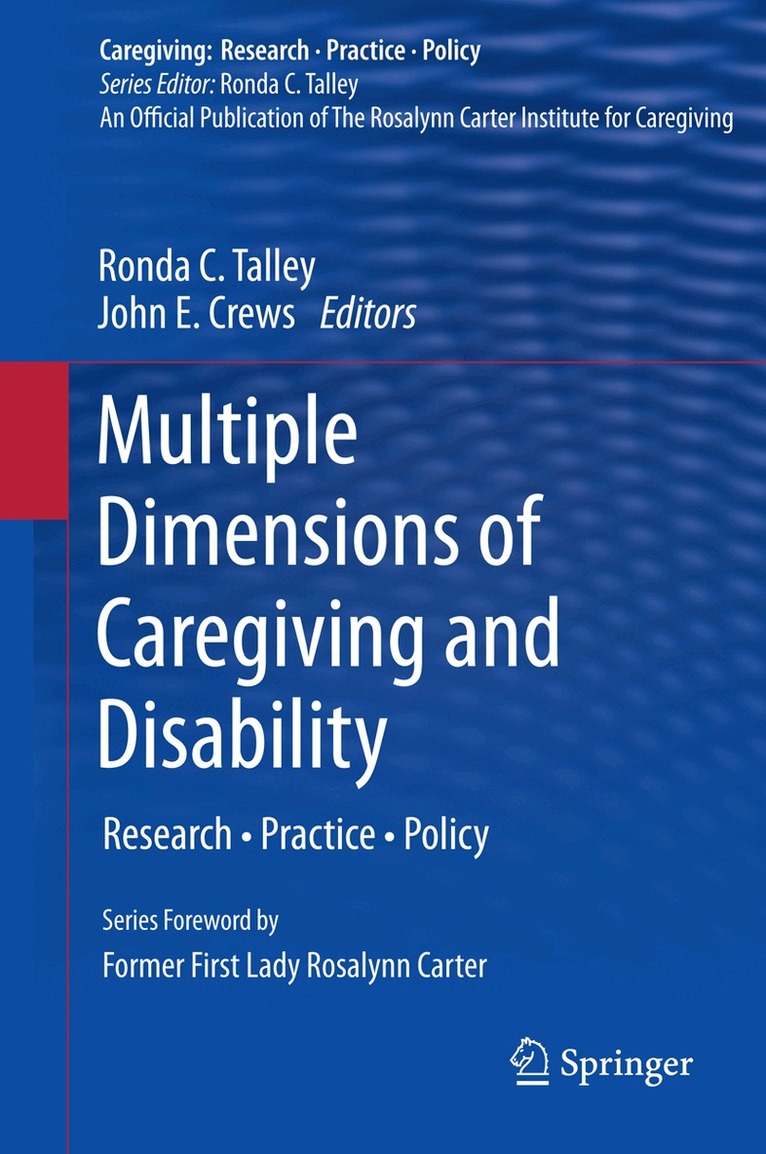
Caring for people with disabilities often becomes an all-encompassing responsibility for one or more family members. To manage the multifaceted demands, caregivers must possess strong multitasking skills, including the ability to assist with daily life tasks; provide emotional support; help with financial affairs; mediate and advocate with health care providers. Maintaining balance within their own lives can become incredibly challenging for caregivers. More often than not, providing care for family members or loved ones occurs at the expense of the caregivers’ well-being. And for caregivers who themselves have disabilities, it further complicates matters.Multiple Dimensions of Caregiving and Disability addresses concerns that have been long familiar to the caregiver population and examines the current state of family care for individuals with disabilities. With a lifespan perspective, this concise reference reviews the literature on specific problems of caregivers and explores which care strategies are effective, promising, or lacking in available resources and support interventions. Contributors also explore the more fluid and subjective aspects of caregiving, such as feelings, spirituality, and family roles. Suggestions for future policy improvements, particularly within the public health sector, are discussed as well.Topics covered include:• Family dynamics and caregiving for people with disabilities.• Parent caregiving of children with disabilities.• Race, ethnicity, socioeconomic status, and caregiving.• Educational, training, and support programs for caregivers.• Emerging technologies to aid caregivers.• Developing partnerships between caregivers and health care providers.Multiple Dimensions of Caregiving and Disability is a must-have resource for researchers, scientist-practitioners, policy makers, and graduate students across such disciplines as clinicalpsychology, nursing, social work, public health, medicine, and social and education policy.
Inbunden, Engelska, 2012
1 113 kr
Skickas inom 10-15 vardagar
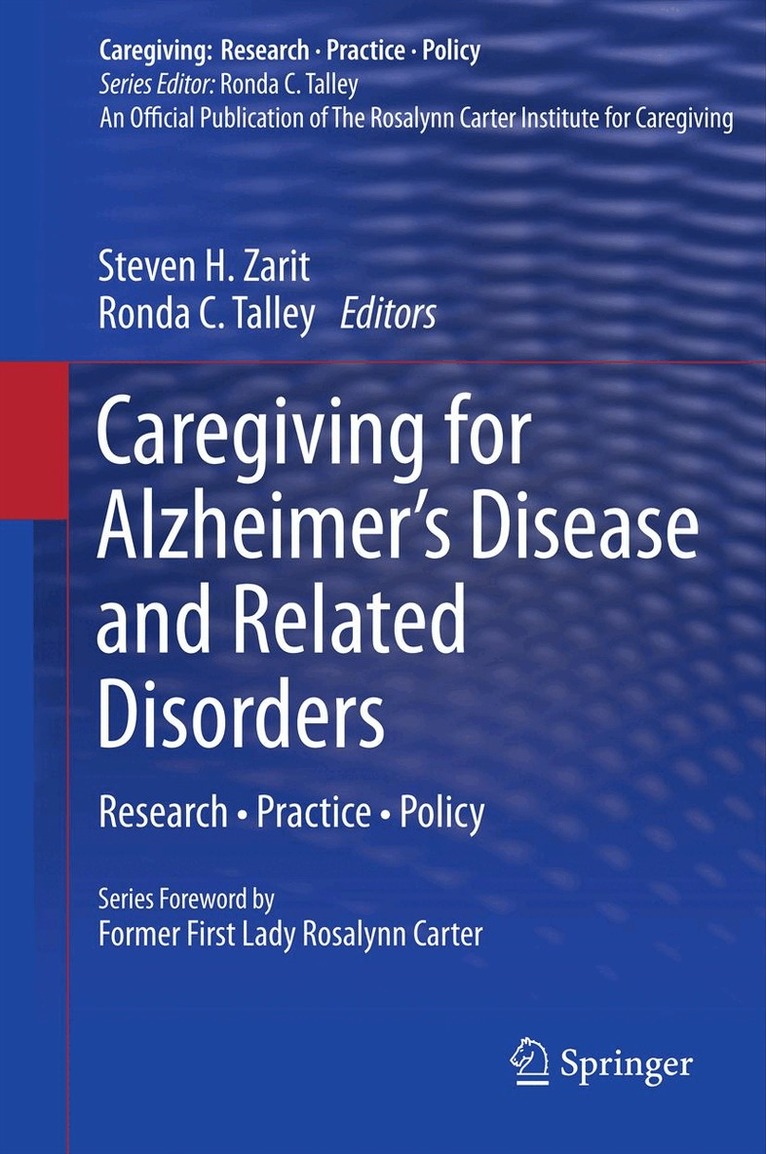
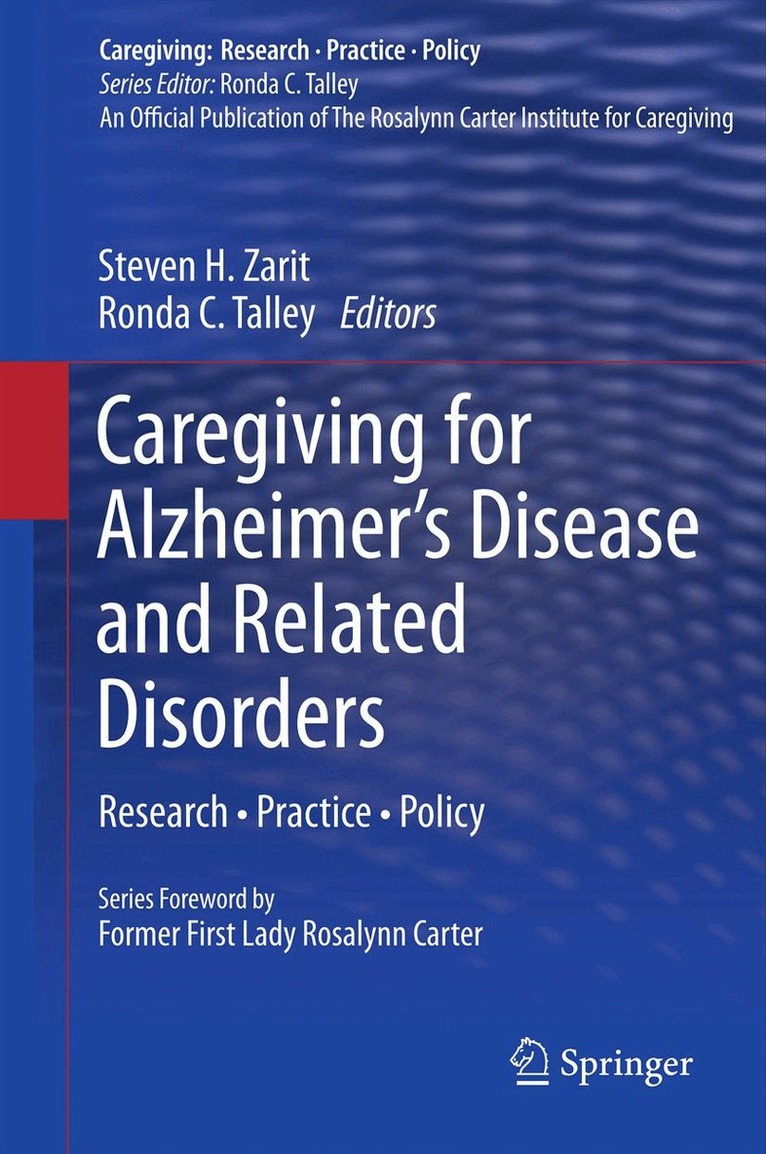
Assisting someone with Alzheimer’s disease or another illness that causes dementia is incredibly demanding and stressful for the family. Like many disabling conditions, Alzheimer’s disease leads to difficulty or inability to carry out common activities of daily life, and so family members take over a variety of tasks ranging from managing the person’s finances to helping with intimate activities such as bathing and dressing.Key coverage in Caregiving for Alzheimer’s Disease and Related Disorders includes:Early diagnosis and family dynamicsEmotional needs of caregiversDevelopmentally appropriate long-term care for people with Alzheimer’sFamily caregivers as members of the Alzheimer’s treatment TeamLegal and ethical issues for caregiversFaith and spiritualityThe economics of caring for individuals with Alzheimer’s diseaseCultural, racial, ethnic, and socioeconomic issues of minority caregiversAdvances in Alzheimer’s disease researchCaregiving for Alzheimer’s Disease and Related Disorders offers a wealth of insights and ideas for researchers, practitioners, and graduate students across the caregiving fields, including psychology, social work, public health, geriatrics and gerontology, and medicine as well as public and education policy makers.
Inbunden, Engelska, 2012
1 113 kr
Skickas inom 10-15 vardagar
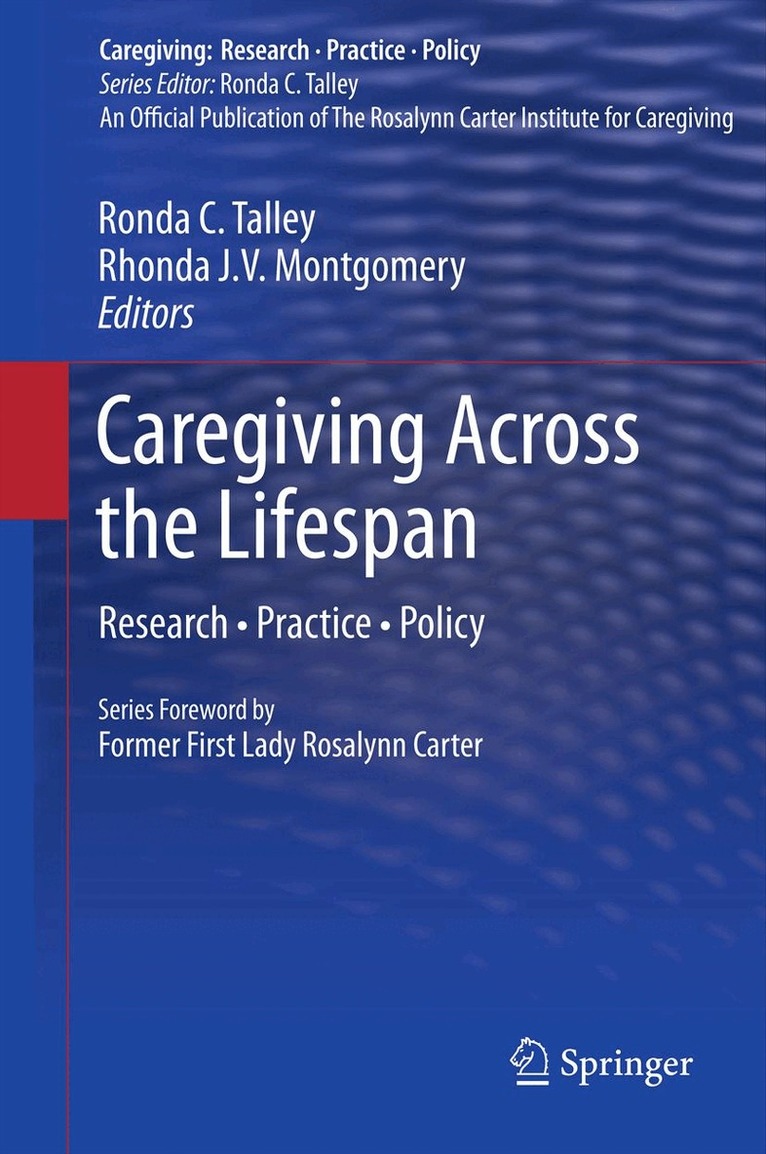
Most scholars do not consider the long-term nature of caregiving, but rather focus on a specific developmental period (e.g., old age) or a specific disability (e.g., cancer). Yet the most important lessons about caregiving may occur at any age, regardless of disabilities or other limitations. Caregiving is a lifelong process. It begins in a mother’s womb, continues throughout the lifespan, and ends after death. Caregiving Across the Lifespan emphasizes caregiving as a process that occurs throughout one’s life. It discusses infant care, the developmental needs of children and adolescents, the many caregiving issues in adulthood and mid-life, and finally end-of-life care and bereavement.Key coverage includes:Examining caregiving issues across a developmental perspective.Caregiving from infancy through early childhood through end of life.Mid-life and multigenerational bonds and responsibilities.Caregiver identity in older adults.Family caregiving at the end of life.This must-have volume offers a wealth of insights and ideas for researchers, practitioners, and graduate students across the caregiving fields, including psychology, social work, public health, geriatrics and gerontology, and medicine as well as public and education policy makers.
Inbunden, Engelska, 2013
560 kr
Skickas inom 10-15 vardagar
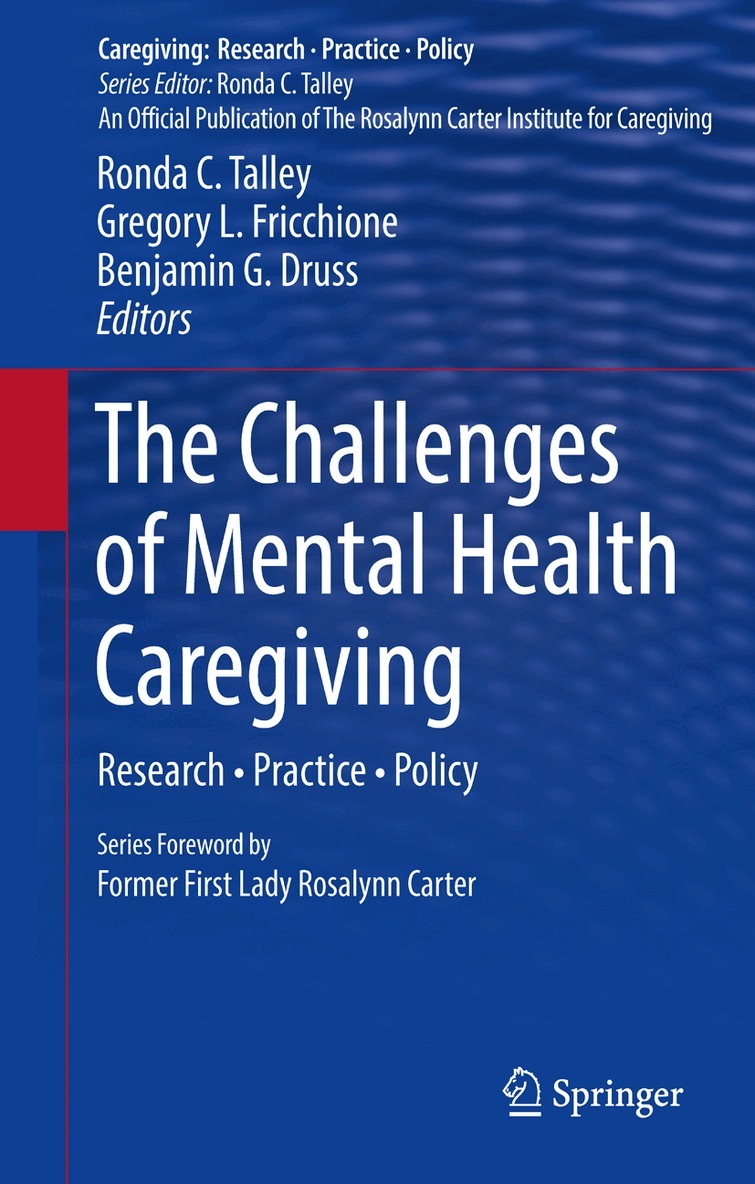
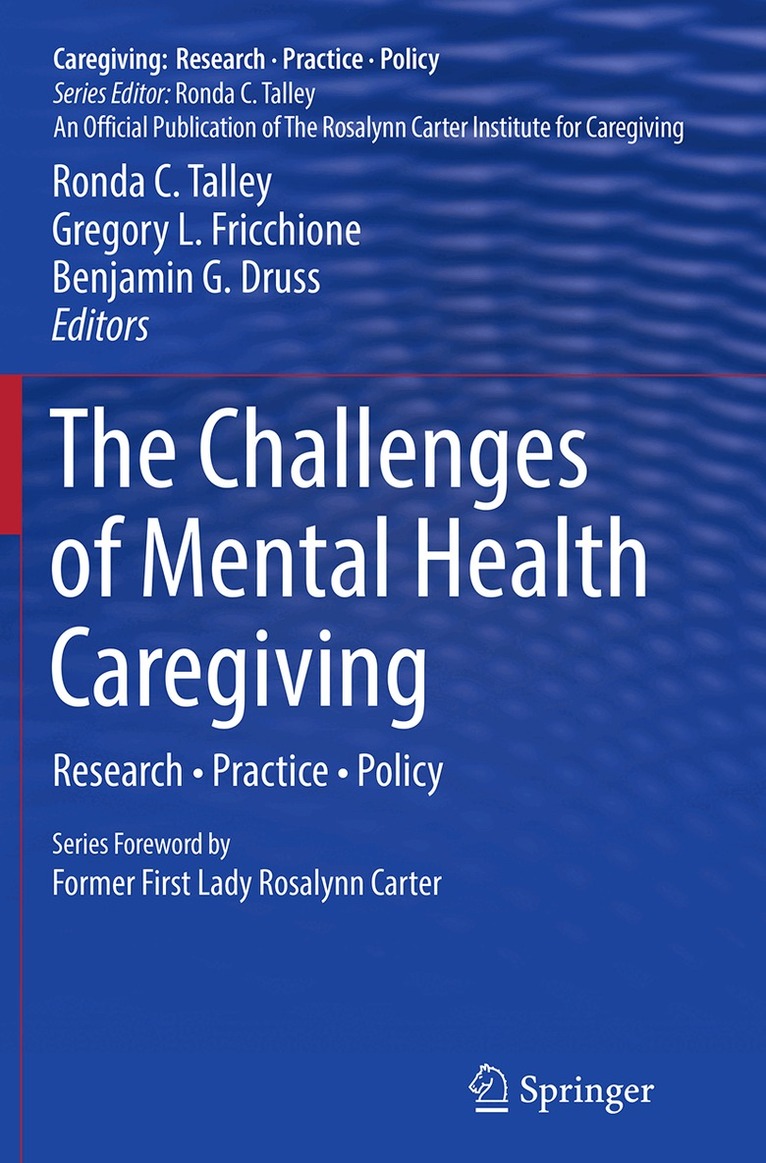
Caring for the ill, disabled, very old, or very young requires a labor-intensive commitment that is not only essential to the well-being of individuals and to society as a whole, but also fraught with physical, financial, and psychological risks. And despite the critical nature of their job, caregivers rarely have avenues of support. The Challenges of Mental Health Caregiving addresses the complexities of the situation with uncommon depth and breadth. Suited to researchers, scientist-practitioners and clinicians, and students seeking a rounded understanding of the field, it examines how caregiving affects the lives, work, and mental health of family and professional caregivers. Chapters explore developmental, cultural, and spiritual contexts of care, addressing ongoing concerns about care in relation to larger health systems and emphasizing the need for care to be viewed as a community, rather than an individual or family experience. Further, the book's conclusion strongly advocates for more effective and efficient uses for available funds and resources while offering workable proposals for service improvements at the policy level. Key areas of coverage: The impact of caregiving on physical and mental health.Integrating mental health and primary care.The promotion of positive mental health outcomes in children and youth.Mid-life concerns and caregiver experience.Loss, grief, bereavement and the implications for mental health caregiving.Policy issues incaregiving and mental health. The Challenges of Mental Health Caregiving is a clear-sighted reference for researchers, clinicians and scientist-practitioners, and graduate students in the caregiving fields, including clinical psychology, social work, public health/medicine, geriatrics/gerontology, public policy, and educational policy.
Inbunden, Engelska, 2013
1 113 kr
Skickas inom 10-15 vardagar
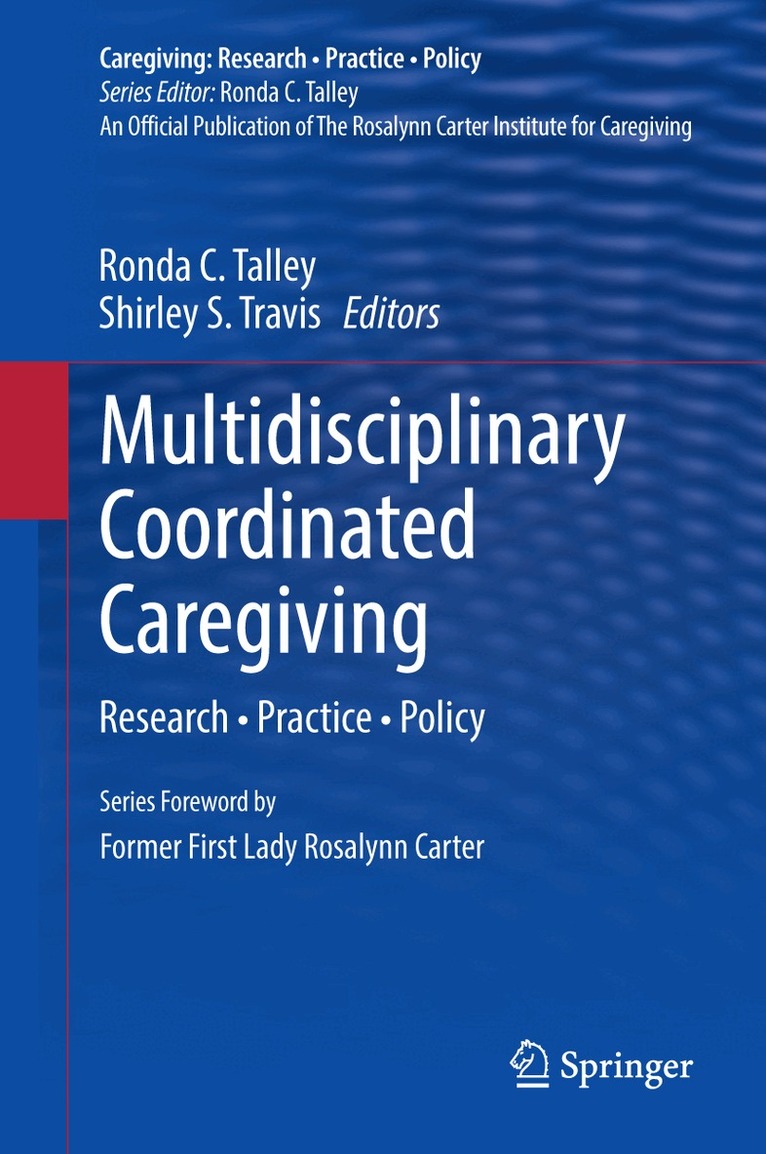
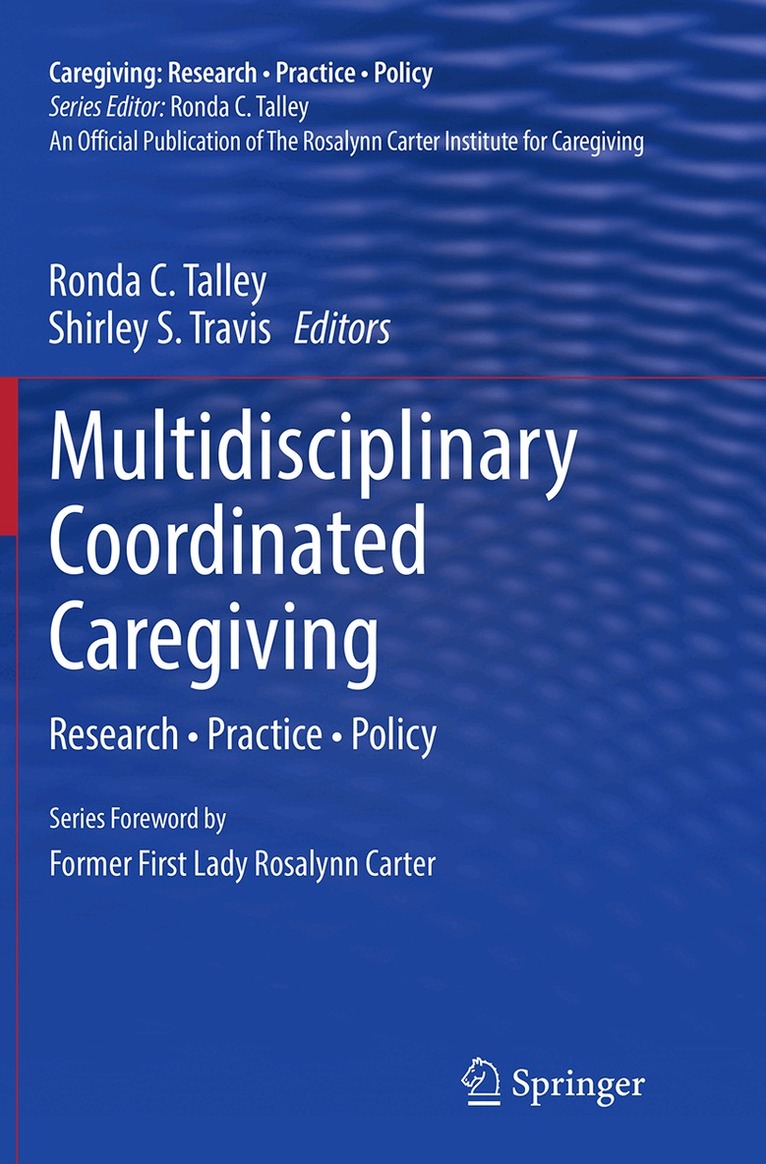
Effective, meaningful caregiving requires a well-coordinated and informed effort guided by various highly skilled specialists across several interrelated professions, including psychologists, social workers, and occupational therapists. Multidisciplinary Coordinated Caregiving addresses the information needs of these interrelated professionals, contributing to the direct care of individuals and serving as an essential resource for those who ultimately create collaborative approaches to contemporary caregiving plans. In addition, the volume provides a wealth of evidence-based research findings to facilitate ongoing dialogue about multidisciplinary and interdisciplinary perspectives on and interventions for the complex challenge of caregiving in America. Key areas of coverage include: The status of professional caregiving in the United States.Nursing perspectives on the state of family caregiving.Psychological aspects of caregiving.A human development, lifespan perspective on caregiving during late life.Public health contributions to caregiving.Multidisciplinary Coordinated Caregiving offers a wealth of insights for those researchers, practitioners, and graduate students who seek to optimize the care of individuals across such fields as psychology, social work, public health, geriatrics and gerontology, and medicine as well as public and educational policy making.
Häftad, Engelska, 2015
1 113 kr
Skickas inom 10-15 vardagar
Most scholars do not consider the long-term nature of caregiving, but rather focus on a specific developmental period (e.g., old age) or a specific disability (e.g., cancer). Yet the most important lessons about caregiving may occur at any age, regardless of disabilities or other limitations. Caregiving is a lifelong process. It begins in a mother’s womb, continues throughout the lifespan, and ends after death. Caregiving Across the Lifespan emphasizes caregiving as a process that occurs throughout one’s life. It discusses infant care, the developmental needs of children and adolescents, the many caregiving issues in adulthood and mid-life, and finally end-of-life care and bereavement.Key coverage includes:Examining caregiving issues across a developmental perspective.Caregiving from infancy through early childhood through end of life.Mid-life and multigenerational bonds and responsibilities.Caregiver identity in older adults.Family caregiving at the end of life.This must-have volume offers a wealth of insights and ideas for researchers, practitioners, and graduate students across the caregiving fields, including psychology, social work, public health, geriatrics and gerontology, and medicine as well as public and education policy makers.
Häftad, Engelska, 2014
1 113 kr
Skickas inom 10-15 vardagar
Assisting someone with Alzheimer’s disease or another illness that causes dementia is incredibly demanding and stressful for the family. Like many disabling conditions, Alzheimer’s disease leads to difficulty or inability to carry out common activities of daily life, and so family members take over a variety of tasks ranging from managing the person’s finances to helping with intimate activities such as bathing and dressing.Key coverage in Caregiving for Alzheimer’s Disease and Related Disorders includes:Early diagnosis and family dynamicsEmotional needs of caregiversDevelopmentally appropriate long-term care for people with Alzheimer’sFamily caregivers as members of the Alzheimer’s treatment TeamLegal and ethical issues for caregiversFaith and spiritualityThe economics of caring for individuals with Alzheimer’s diseaseCultural, racial, ethnic, and socioeconomic issues of minority caregiversAdvances in Alzheimer’s disease researchCaregiving for Alzheimer’s Disease and Related Disorders offers a wealth of insights and ideas for researchers, practitioners, and graduate students across the caregiving fields, including psychology, social work, public health, geriatrics and gerontology, and medicine as well as public and education policy makers.
Häftad, Engelska, 2014
1 113 kr
Skickas inom 10-15 vardagar
Despite advances in detection and treatment, cancer remains a source of pain and distress to patients and of complex challenges to the loved ones caring for them. The trend toward shorter hospital stays in particular has increased the physical, psychological, and financial burden on caregivers, often leading to adverse effects on patients.Cancer Caregiving in the United States illuminates these complex concerns with authoritative detail. This wide-ranging volume provides a comprehensive survey of cancer-related issues, including those affecting the care triad (patients-family members- professionals) and quality of care as well as the numerous physical, emotional, and financial challenges that caregivers may need to confront. Sources of caregiver difficulty at each stage of the disease, from diagnosis to end of life, are explored. Each chapter analyzes its topic in terms of practice, research, education, and policy, providing a wealth of literature reviews, assessment and care models, interventions, and recommendations for future study and practice. Coverage includes:Caregiving issues for cancer patients with long-term, short-term, and intermittent needs.Family caregivers as members of the treatment team.The impact of health disparities on caregivers.Cancer care policy and advocacy.End-of-life issues for cancer caregivers.Legal, financial, and ethical issues. Cancer Caregiving in the United States is a core reference for researchers, professionals/scientist-practitioners, and graduate students in such caregiving fields as clinical psychology, social work, nursing, public health and medicine, social policy, and educational policy.
Häftad, Engelska, 2014
1 776 kr
Skickas inom 10-15 vardagar
Caring for people with disabilities often becomes an all-encompassing responsibility for one or more family members. To manage the multifaceted demands, caregivers must possess strong multitasking skills, including the ability to assist with daily life tasks; provide emotional support; help with financial affairs; mediate and advocate with health care providers. Maintaining balance within their own lives can become incredibly challenging for caregivers. More often than not, providing care for family members or loved ones occurs at the expense of the caregivers’ well-being. And for caregivers who themselves have disabilities, it further complicates matters.Multiple Dimensions of Caregiving and Disability addresses concerns that have been long familiar to the caregiver population and examines the current state of family care for individuals with disabilities. With a lifespan perspective, this concise reference reviews the literature on specific problems of caregivers and explores which care strategies are effective, promising, or lacking in available resources and support interventions. Contributors also explore the more fluid and subjective aspects of caregiving, such as feelings, spirituality, and family roles. Suggestions for future policy improvements, particularly within the public health sector, are discussed as well.Topics covered include:• Family dynamics and caregiving for people with disabilities.• Parent caregiving of children with disabilities.• Race, ethnicity, socioeconomic status, and caregiving.• Educational, training, and support programs for caregivers.• Emerging technologies to aid caregivers.• Developing partnerships between caregivers and health care providers.Multiple Dimensions of Caregiving and Disability is a must-have resource for researchers, scientist-practitioners, policy makers, and graduate students across such disciplines as clinicalpsychology, nursing, social work, public health, medicine, and social and education policy.
Häftad, Engelska, 2016
560 kr
Skickas inom 10-15 vardagar
Caring for the ill, disabled, very old, or very young requires a labor-intensive commitment that is not only essential to the well-being of individuals and to society as a whole, but also fraught with physical, financial, and psychological risks. And despite the critical nature of their job, caregivers rarely have avenues of support. The Challenges of Mental Health Caregiving addresses the complexities of the situation with uncommon depth and breadth. Suited to researchers, scientist-practitioners and clinicians, and students seeking a rounded understanding of the field, it examines how caregiving affects the lives, work, and mental health of family and professional caregivers. Chapters explore developmental, cultural, and spiritual contexts of care, addressing ongoing concerns about care in relation to larger health systems and emphasizing the need for care to be viewed as a community, rather than an individual or family experience. Further, the book's conclusion strongly advocates for more effective and efficient uses for available funds and resources while offering workable proposals for service improvements at the policy level. Key areas of coverage: The impact of caregiving on physical and mental health.Integrating mental health and primary care.The promotion of positive mental health outcomes in children and youth.Mid-life concerns and caregiver experience.Loss, grief, bereavement and the implications for mental health caregiving.Policy issues incaregiving and mental health. The Challenges of Mental Health Caregiving is a clear-sighted reference for researchers, clinicians and scientist-practitioners, and graduate students in the caregiving fields, including clinical psychology, social work, public health/medicine, geriatrics/gerontology, public policy, and educational policy.
Häftad, Engelska, 2016
1 113 kr
Skickas inom 10-15 vardagar
Effective, meaningful caregiving requires a well-coordinated and informed effort guided by various highly skilled specialists across several interrelated professions, including psychologists, social workers, and occupational therapists. Multidisciplinary Coordinated Caregiving addresses the information needs of these interrelated professionals, contributing to the direct care of individuals and serving as an essential resource for those who ultimately create collaborative approaches to contemporary caregiving plans. In addition, the volume provides a wealth of evidence-based research findings to facilitate ongoing dialogue about multidisciplinary and interdisciplinary perspectives on and interventions for the complex challenge of caregiving in America. Key areas of coverage include: The status of professional caregiving in the United States.Nursing perspectives on the state of family caregiving.Psychological aspects of caregiving.A human development, lifespan perspective on caregiving during late life.Public health contributions to caregiving.Multidisciplinary Coordinated Caregiving offers a wealth of insights for those researchers, practitioners, and graduate students who seek to optimize the care of individuals across such fields as psychology, social work, public health, geriatrics and gerontology, and medicine as well as public and educational policy making.