Columbia Oral History Series – Serie
Visar alla böcker i serien Columbia Oral History Series. Handla med fri frakt och snabb leverans.
6 produkter
6 produkter
1 183 kr
Skickas inom 7-10 vardagar
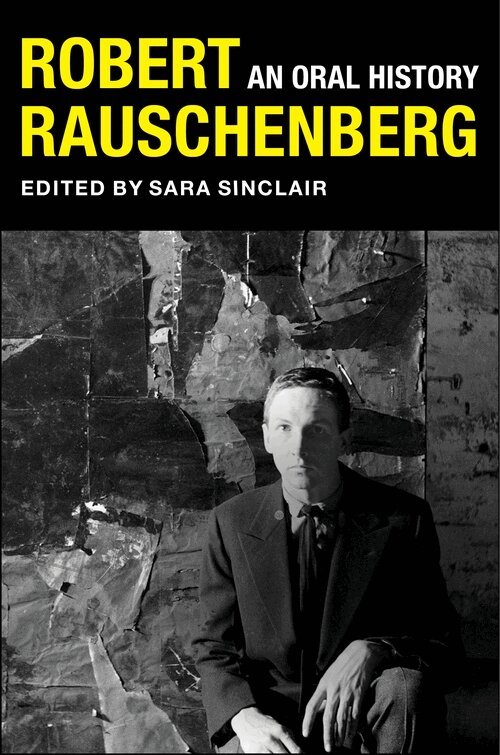
Robert Rauschenberg (1925–2008) was a breaker of boundaries and a consummate collaborator. He used silk-screen prints to reflect on American promise and failure, melded sculpture and painting in works called combines, and collaborated with engineers and scientists to challenge our thinking about art. Through collaborations with John Cage, Merce Cunningham, and others, Rauschenberg bridged the music, dance, and visual-art worlds, inventing a new art for the last half of the twentieth century.Robert Rauschenberg is a work of collaborative oral biography that tells the story of one of the twentieth century’s great artists through a series of interviews with key figures in his life—family, friends, former lovers, professional associates, studio assistants, and collaborators. The oral historian Sara Sinclair artfully puts the narrators’ reminiscences in conversation, with a focus on the relationship between Rauschenberg’s intense social life and his art. The book opens with a prologue by Rauschenberg’s sister and then shifts to New York City’s 1950s and ’60s art scene, populated by the luminaries of abstract expressionism. It follows Rauschenberg’s eventual move to Florida’s Captiva Island and his trips across the globe, illuminating his inner life and its effect on his and others’ art.The narrators share their views on Rauschenberg’s work, explore the curatorial thinking behind exhibitions of his art, and reflect on the impact of the influx of money into the contemporary art market. Included are artists famous in their own right, such as Laurie Anderson and Brice Marden, as well as art-world insiders and lesser-known figures who were part of Rauschenberg’s inner circle. Beyond considering Rauschenberg as an artist, this book reveals him as a man embedded in a series of art worlds over the course of a long and rich life, demonstrating the complex interaction of business and personal, public and private in the creation of great art.
301 kr
Skickas inom 7-10 vardagar
Robert Rauschenberg (1925–2008) was a breaker of boundaries and a consummate collaborator. He used silk-screen prints to reflect on American promise and failure, melded sculpture and painting in works called combines, and collaborated with engineers and scientists to challenge our thinking about art. Through collaborations with John Cage, Merce Cunningham, and others, Rauschenberg bridged the music, dance, and visual-art worlds, inventing a new art for the last half of the twentieth century.Robert Rauschenberg is a work of collaborative oral biography that tells the story of one of the twentieth century’s great artists through a series of interviews with key figures in his life—family, friends, former lovers, professional associates, studio assistants, and collaborators. The oral historian Sara Sinclair artfully puts the narrators’ reminiscences in conversation, with a focus on the relationship between Rauschenberg’s intense social life and his art. The book opens with a prologue by Rauschenberg’s sister and then shifts to New York City’s 1950s and ’60s art scene, populated by the luminaries of abstract expressionism. It follows Rauschenberg’s eventual move to Florida’s Captiva Island and his trips across the globe, illuminating his inner life and its effect on his and others’ art.The narrators share their views on Rauschenberg’s work, explore the curatorial thinking behind exhibitions of his art, and reflect on the impact of the influx of money into the contemporary art market. Included are artists famous in their own right, such as Laurie Anderson and Brice Marden, as well as art-world insiders and lesser-known figures who were part of Rauschenberg’s inner circle. Beyond considering Rauschenberg as an artist, this book reveals him as a man embedded in a series of art worlds over the course of a long and rich life, demonstrating the complex interaction of business and personal, public and private in the creation of great art.
903 kr
Skickas inom 7-10 vardagar
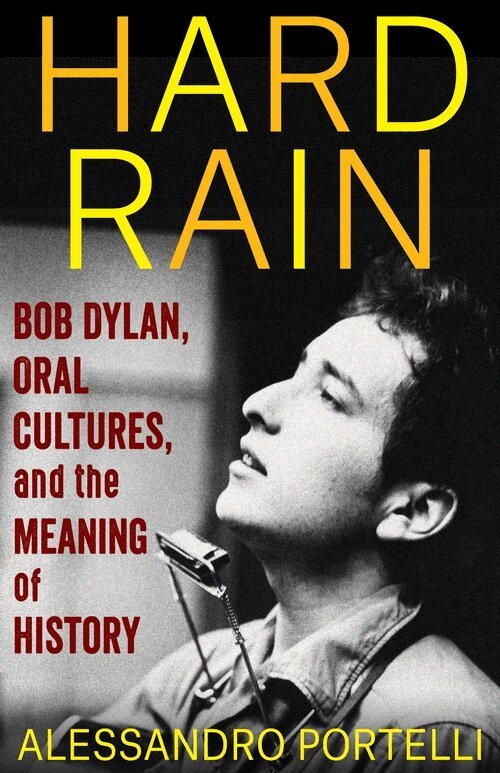
Bob Dylan’s iconic 1962 song “A Hard Rain’s A-Gonna Fall” stands at the crossroads of musical and literary traditions. A visionary warning of impending apocalypse, it sets symbolist imagery within a structure that recalls a centuries-old form. Written at the height of the 1960s folk music revival amid the ferment of political activism, the song strongly resembles—and at the same time reimagines—a traditional European ballad sung from Scotland to Italy, known in the English-speaking world as “Lord Randal.”Alessandro Portelli explores the power and resonance of “A Hard Rain’s A-Gonna Fall,” considering the meanings of history and memory in folk cultures and in Dylan’s work. He examines how the ballad tradition to which “Lord Randal” belongs shaped Dylan’s song and how Dylan drew on oral culture to depict the fears and crises of his own era. Portelli recasts the song as an encounter between Dylan’s despairing vision, which questions the meaning and direction of history, and the message of resilience and hope for survival despite history’s nightmares found in oral traditions.A wide-ranging work of oral history, Hard Rain weaves together interviews from places as varied as Italy, England, and India with Portelli’s autobiographical reflections and critical analysis, speaking to the enduring appeal of Dylan’s music. By exploring the motley traditions that shaped Dylan’s work, this book casts the distinctiveness and depth of his songwriting in a new light.
219 kr
Skickas inom 7-10 vardagar
Bob Dylan’s iconic 1962 song “A Hard Rain’s A-Gonna Fall” stands at the crossroads of musical and literary traditions. A visionary warning of impending apocalypse, it sets symbolist imagery within a structure that recalls a centuries-old form. Written at the height of the 1960s folk music revival amid the ferment of political activism, the song strongly resembles—and at the same time reimagines—a traditional European ballad sung from Scotland to Italy, known in the English-speaking world as “Lord Randal.”Alessandro Portelli explores the power and resonance of “A Hard Rain’s A-Gonna Fall,” considering the meanings of history and memory in folk cultures and in Dylan’s work. He examines how the ballad tradition to which “Lord Randal” belongs shaped Dylan’s song and how Dylan drew on oral culture to depict the fears and crises of his own era. Portelli recasts the song as an encounter between Dylan’s despairing vision, which questions the meaning and direction of history, and the message of resilience and hope for survival despite history’s nightmares found in oral traditions.A wide-ranging work of oral history, Hard Rain weaves together interviews from places as varied as Italy, England, and India with Portelli’s autobiographical reflections and critical analysis, speaking to the enduring appeal of Dylan’s music. By exploring the motley traditions that shaped Dylan’s work, this book casts the distinctiveness and depth of his songwriting in a new light.
1 310 kr
Skickas inom 7-10 vardagar
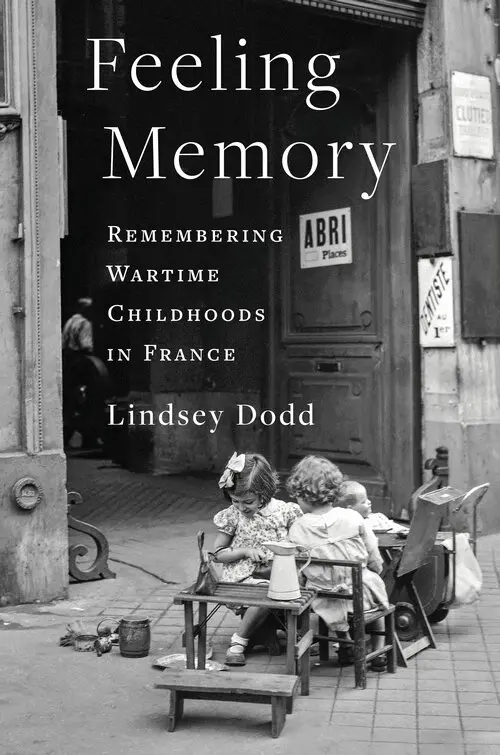
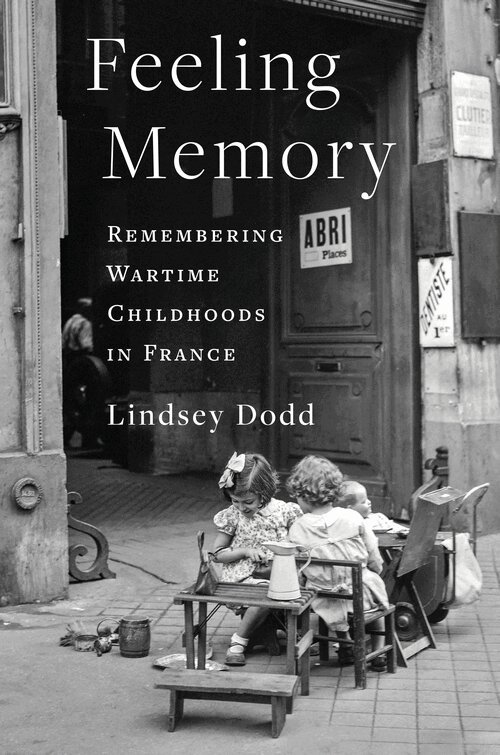
What did it feel like to be a child in France during World War II? Feeling Memory is an affective exploration of children’s lives in wartime France and the ways they are remembered.Lindsey Dodd draws on the recorded oral narratives of a hundred people to examine the variety of experiences children had during the war. She considers different aspects of remembering, underscoring the centrality of emotion to memory. This book covers a wide range of locations—the country and the city, Occupied France and the Free Zone—and situations—well-off and poor children, those separated from their families and those with them; it places Jewish children’s experiences alongside non-Jewish children’s. Against the backdrop of momentous events, readers encounter children playing, working, eating, thinking, doing, and feeling.An investigation of the emotions of history, Feeling Memory argues for the transformative potential of affect theory and affective methodologies in oral history and the history of everyday life. This book makes major contributions to the history of France during World War II, understandings of children’s lives in war, and the use of memory in historical and oral history analysis.
333 kr
Skickas inom 7-10 vardagar
What did it feel like to be a child in France during World War II? Feeling Memory is an affective exploration of children’s lives in wartime France and the ways they are remembered.Lindsey Dodd draws on the recorded oral narratives of a hundred people to examine the variety of experiences children had during the war. She considers different aspects of remembering, underscoring the centrality of emotion to memory. This book covers a wide range of locations—the country and the city, Occupied France and the Free Zone—and situations—well-off and poor children, those separated from their families and those with them; it places Jewish children’s experiences alongside non-Jewish children’s. Against the backdrop of momentous events, readers encounter children playing, working, eating, thinking, doing, and feeling.An investigation of the emotions of history, Feeling Memory argues for the transformative potential of affect theory and affective methodologies in oral history and the history of everyday life. This book makes major contributions to the history of France during World War II, understandings of children’s lives in war, and the use of memory in historical and oral history analysis.