Comics Culture - Böcker
Visar alla böcker i serien Comics Culture. Handla med fri frakt och snabb leverans.
11 produkter
11 produkter
1 438 kr
Skickas inom 3-6 vardagar
440 kr
Skickas inom 7-10 vardagar
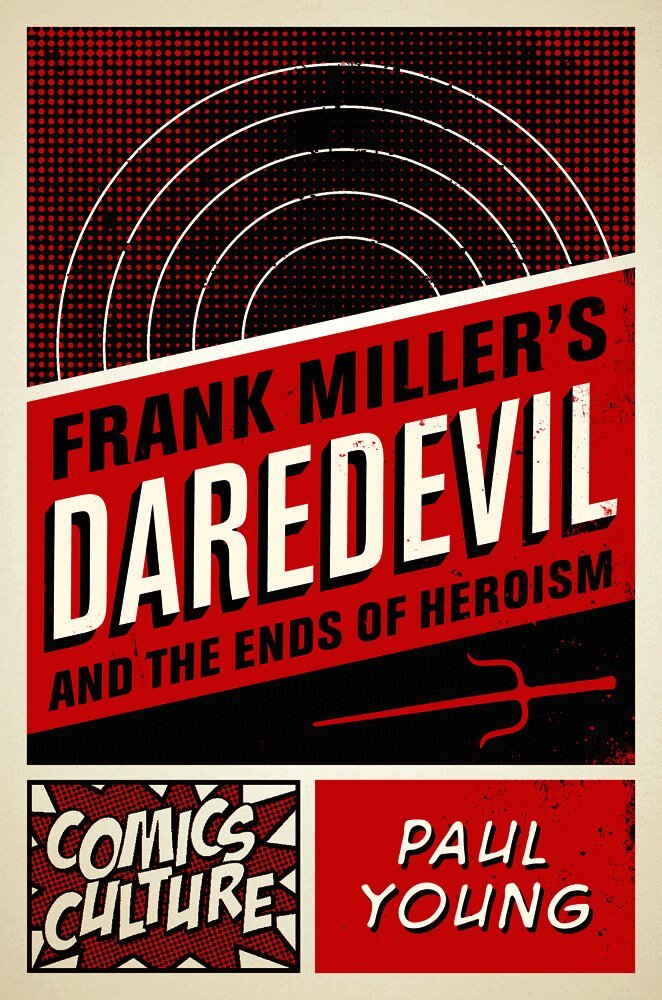
2017 EISNER AWARD NOMINEE for Best Academic/Scholarly WorkIn the late 1970s and early 1980s, writer-artist Frank Miller turned Daredevil from a tepid-selling comic into an industry-wide success story, doubling its sales within three years. Lawyer by day and costumed vigilante by night, the character of Daredevil was the perfect vehicle for the explorations of heroic ideals and violence that would come to define Miller’s work. Frank Miller’s Daredevil and the Ends of Heroism is both a rigorous study of Miller’s artistic influences and innovations and a reflection on how his visionary work on Daredevil impacted generations of comics publishers, creators, and fans. Paul Young explores the accomplishments of Miller the writer, who fused hardboiled crime stories with superhero comics, while reimagining Kingpin (a classic Spider-Man nemesis), recuperating the half-baked villain Bullseye, and inventing a completely new kind of Daredevil villain in Elektra. Yet, he also offers a vivid appreciation of the indelible panels drawn by Miller the artist, taking a fresh look at his distinctive page layouts and lines. A childhood fan of Miller’s Daredevil, Young takes readers on a personal journey as he seeks to reconcile his love for the comic with his distaste for the fascistic overtones of Miller’s controversial later work. What he finds will resonate not only with Daredevil fans, but with anyone who has contemplated what it means to be a hero in a heartless world. Other titles in the Comics Culture series include Twelve-Cent Archie, Wonder Woman: Bondage and Feminism in the Marston/Peter Comics, 1941-1948, and Considering Watchmen: Poetics, Property, Politics.
1 720 kr
Skickas inom 7-10 vardagar
2017 EISNER AWARD NOMINEE for Best Academic/Scholarly WorkIn the late 1970s and early 1980s, writer-artist Frank Miller turned Daredevil from a tepid-selling comic into an industry-wide success story, doubling its sales within three years. Lawyer by day and costumed vigilante by night, the character of Daredevil was the perfect vehicle for the explorations of heroic ideals and violence that would come to define Miller’s work. Frank Miller’s Daredevil and the Ends of Heroism is both a rigorous study of Miller’s artistic influences and innovations and a reflection on how his visionary work on Daredevil impacted generations of comics publishers, creators, and fans. Paul Young explores the accomplishments of Miller the writer, who fused hardboiled crime stories with superhero comics, while reimagining Kingpin (a classic Spider-Man nemesis), recuperating the half-baked villain Bullseye, and inventing a completely new kind of Daredevil villain in Elektra. Yet, he also offers a vivid appreciation of the indelible panels drawn by Miller the artist, taking a fresh look at his distinctive page layouts and lines. A childhood fan of Miller’s Daredevil, Young takes readers on a personal journey as he seeks to reconcile his love for the comic with his distaste for the fascistic overtones of Miller’s controversial later work. What he finds will resonate not only with Daredevil fans, but with anyone who has contemplated what it means to be a hero in a heartless world. Other titles in the Comics Culture series include Twelve-Cent Archie, Wonder Woman: Bondage and Feminism in the Marston/Peter Comics, 1941-1948, and Considering Watchmen: Poetics, Property, Politics.
1 254 kr
Skickas inom 5-8 vardagar
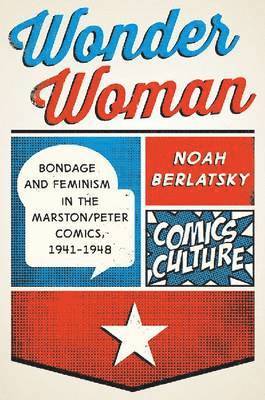
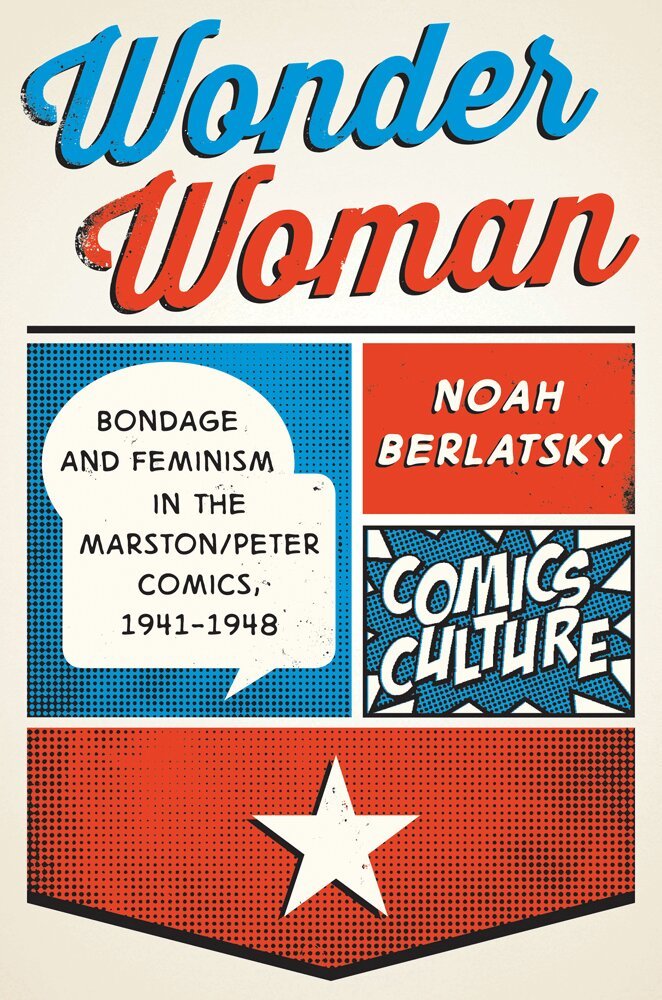
Wonder Woman
Bondage and Feminism in the Marston/Peter Comics, 1941-1948
Inbunden, Engelska, 2015, 15+ år
1 369 kr
Skickas inom 3-6 vardagar
462 kr
Skickas inom 7-10 vardagar
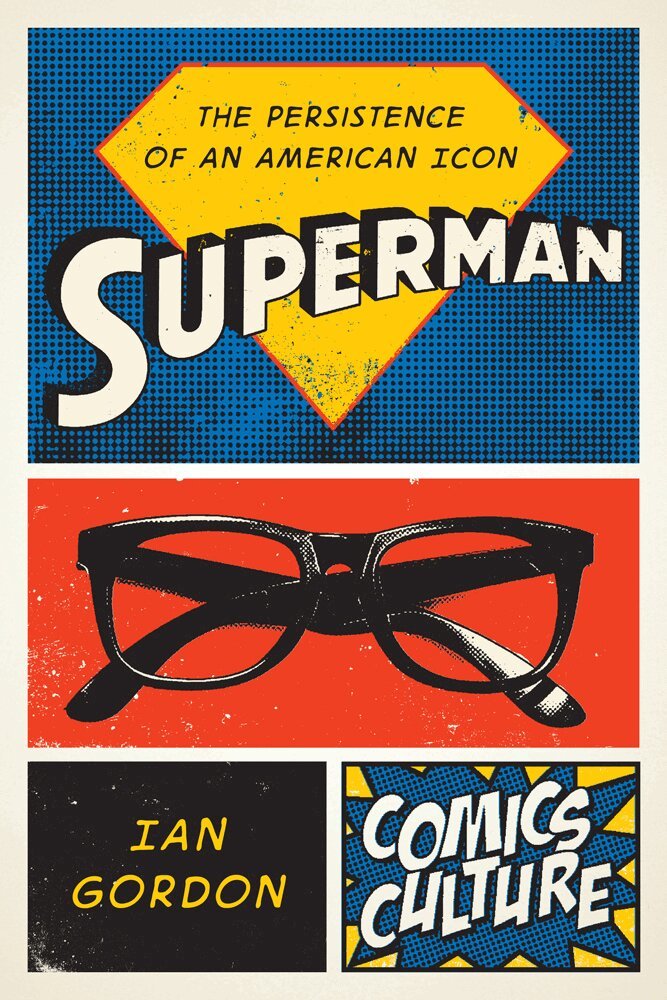
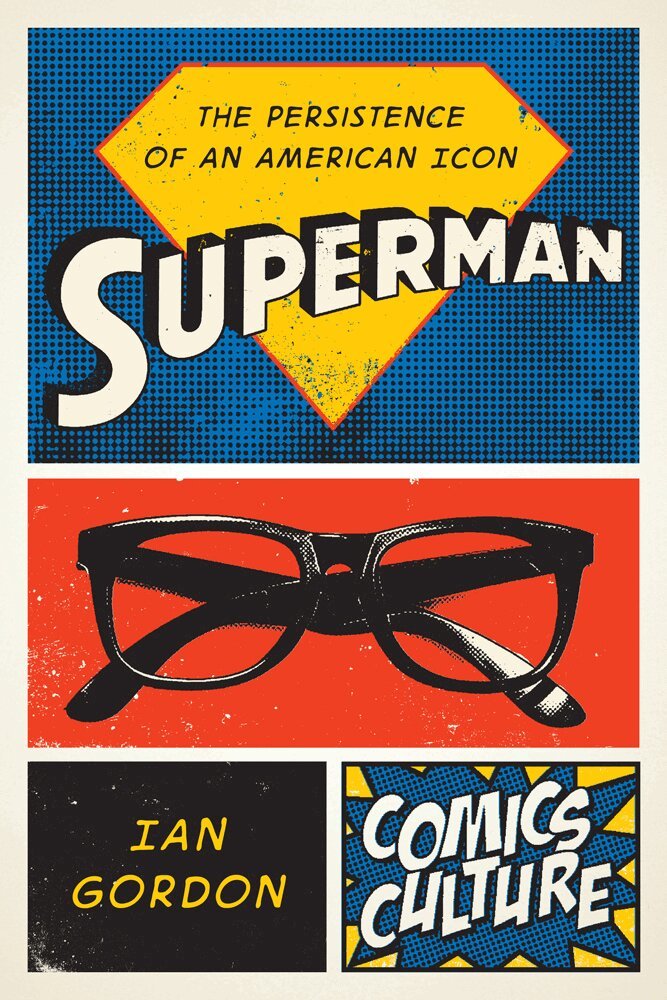
After debuting in 1938, Superman soon became an American icon. But why has he maintained his iconic status for nearly 80 years? And how can he still be an American icon when the country itself has undergone so much change?Superman: Persistence of an American Icon examines the many iterations of the character in comic books, comic strips, radio series, movie serials, feature films, television shows, animation, toys, and collectibles over the past eight decades. Demonstrating how Superman’s iconic popularity cannot be attributed to any single creator or text, comics expert Ian Gordon embarks on a deeper consideration of cultural mythmaking as a collective and dynamic process. He also outlines the often contentious relationships between the various parties who have contributed to the Superman mythos, including corporate executives, comics writers, artists, nostalgic commentators, and collectors. Armed with an encyclopedic knowledge of Superman’s appearances in comics and other media, Gordon also digs into comics archives to reveal the prominent role that fans have played in remembering, interpreting, and reimagining Superman’s iconography. Gordon considers how comics, film, and TV producers have taken advantage of fan engagement and nostalgia when selling Superman products. Investigating a character who is equally an icon of American culture, fan culture, and consumer culture, Superman thus offers a provocative analysis of mythmaking in the modern era.
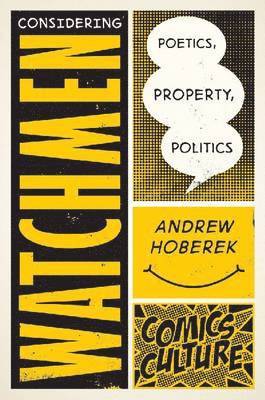
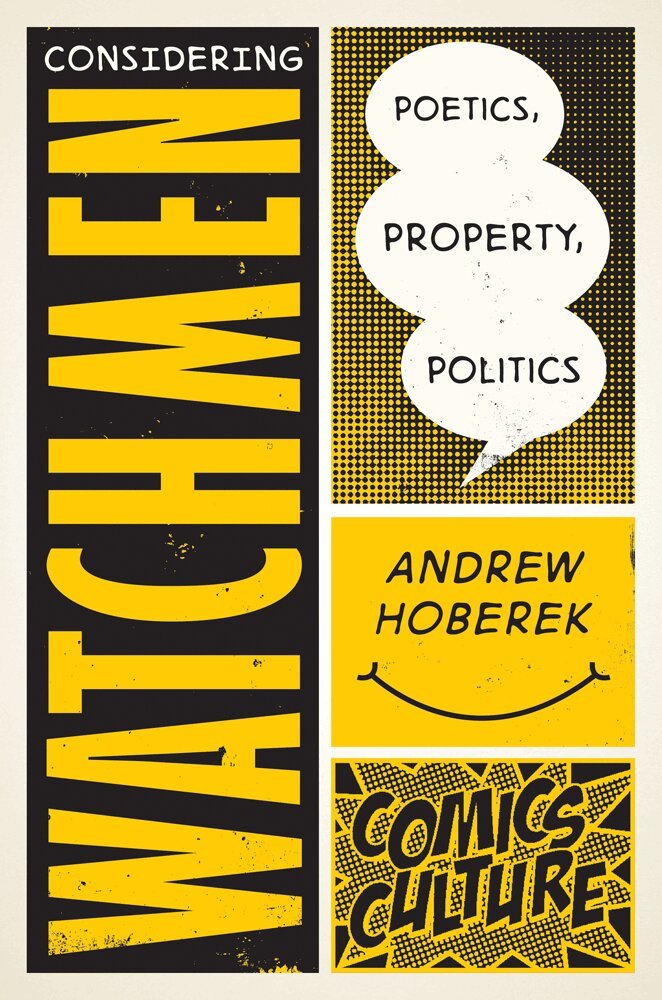
Considering Watchmen: Poetics, Property, Politics
New Edition with Full Color Illustrations
Häftad, Engelska, 2017
440 kr
Skickas inom 7-10 vardagar
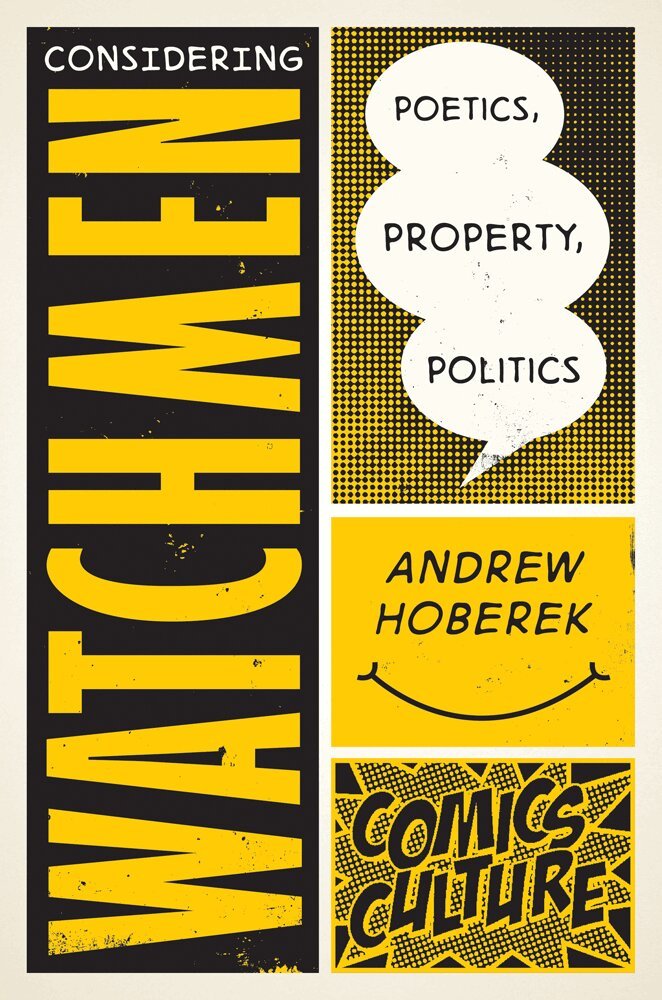
Alan Moore and Dave Gibbons’s Watchmen has been widely hailed as a landmark in the development of the graphic novel. It was not only aesthetically groundbreaking but also anticipated future developments in politics, literature, and intellectual property.Demonstrating a keen eye for historical detail, Considering Watchmen gives readers a new appreciation of just how radical Moore and Gibbons’s blend of gritty realism and formal experimentation was back in 1986. The book also considers Watchmen’s place in the history of the comics industry, reading the graphic novel’s playful critique of superhero marketing alongside Alan Moore’s public statements about the rights to the franchise. Andrew Hoberek examines how Moore and Gibbons engaged with the emerging discourses of neoconservatism and neoliberal capitalism, ideologies that have only become more prominent in subsequent years.Watchmen’s influences on the superhero comic and graphic novel are undeniable, but Hoberek reveals how it has also had profound effects on literature as a whole. He suggests that Watchmen not only proved that superhero comics could rise to the status of literature-it also helped to inspire a generation of writers who are redefining the boundaries of the literary, from Jonathan Lethem to Junot DÍaz. Hoberek delivers insight and analysis worthy of satisfying serious readers of the genre while shedding new light on Watchmen as both an artistic accomplishment and a book of ideas.
402 kr
Skickas inom 7-10 vardagar
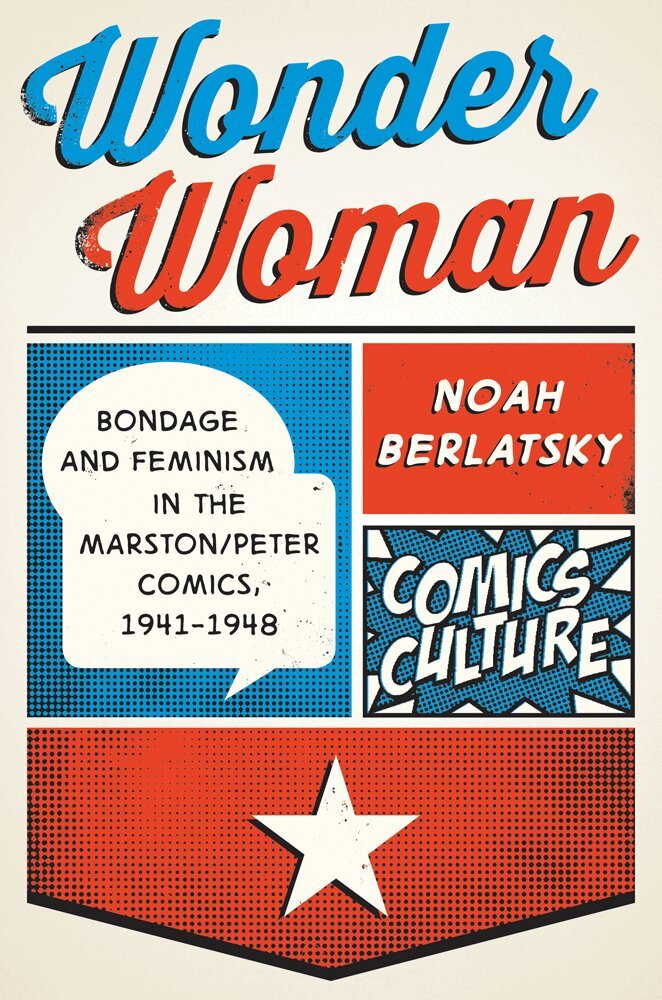
William Marston was an unusual man-a psychologist, a soft-porn pulp novelist, more than a bit of a carny, and the (self-declared) inventor of the lie detector. He was also the creator of Wonder Woman, the comic that he used to express two of his greatest passions: feminism and women in bondage.Comics expert Noah Berlatsky takes us on a wild ride through the Wonder Woman comics of the 1940s, vividly illustrating how Marston’s many quirks and contradictions, along with the odd disproportionate composition created by illustrator Harry Peter, produced a comic that was radically ahead of its time in terms of its bold presentation of female power and sexuality. Himself a committed polyamorist, Marston created a universe that was friendly to queer sexualities and lifestyles, from kink to lesbianism to cross-dressing. Written with a deep affection for the fantastically pulpy elements of the early Wonder Woman comics, from invisible jets to giant multi-lunged space kangaroos, the book also reveals how the comic addressed serious, even taboo issues like rape and incest.Wonder Woman: Bondage and Feminism in the Marston/Peter Comics 1941-1948 reveals how illustrator and writer came together to create a unique, visionary work of art, filled with bizarre ambition, revolutionary fervor, and love, far different from the action hero symbol of the feminist movement many of us recall from television.
1 570 kr
Skickas inom 7-10 vardagar
William Marston was an unusual man-a psychologist, a soft-porn pulp novelist, more than a bit of a carny, and the (self-declared) inventor of the lie detector. He was also the creator of Wonder Woman, the comic that he used to express two of his greatest passions: feminism and women in bondage.Comics expert Noah Berlatsky takes us on a wild ride through the Wonder Woman comics of the 1940s, vividly illustrating how Marston’s many quirks and contradictions, along with the odd disproportionate composition created by illustrator Harry Peter, produced a comic that was radically ahead of its time in terms of its bold presentation of female power and sexuality. Himself a committed polyamorist, Marston created a universe that was friendly to queer sexualities and lifestyles, from kink to lesbianism to cross-dressing. Written with a deep affection for the fantastically pulpy elements of the early Wonder Woman comics, from invisible jets to giant multi-lunged space kangaroos, the book also reveals how the comic addressed serious, even taboo issues like rape and incest.Wonder Woman: Bondage and Feminism in the Marston/Peter Comics 1941-1948 reveals how illustrator and writer came together to create a unique, visionary work of art, filled with bizarre ambition, revolutionary fervor, and love, far different from the action hero symbol of the feminist movement many of us recall from television.
440 kr
Skickas inom 7-10 vardagar
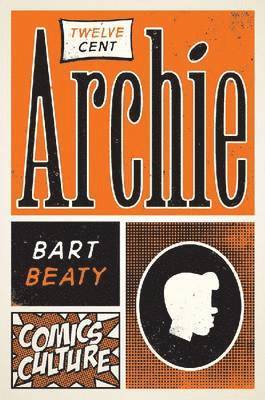
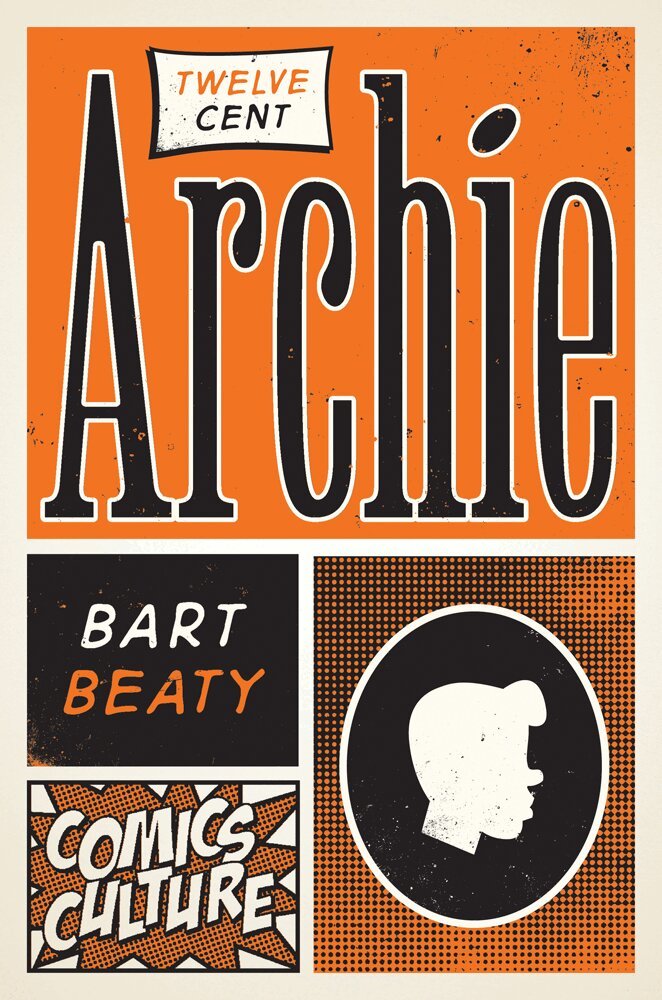
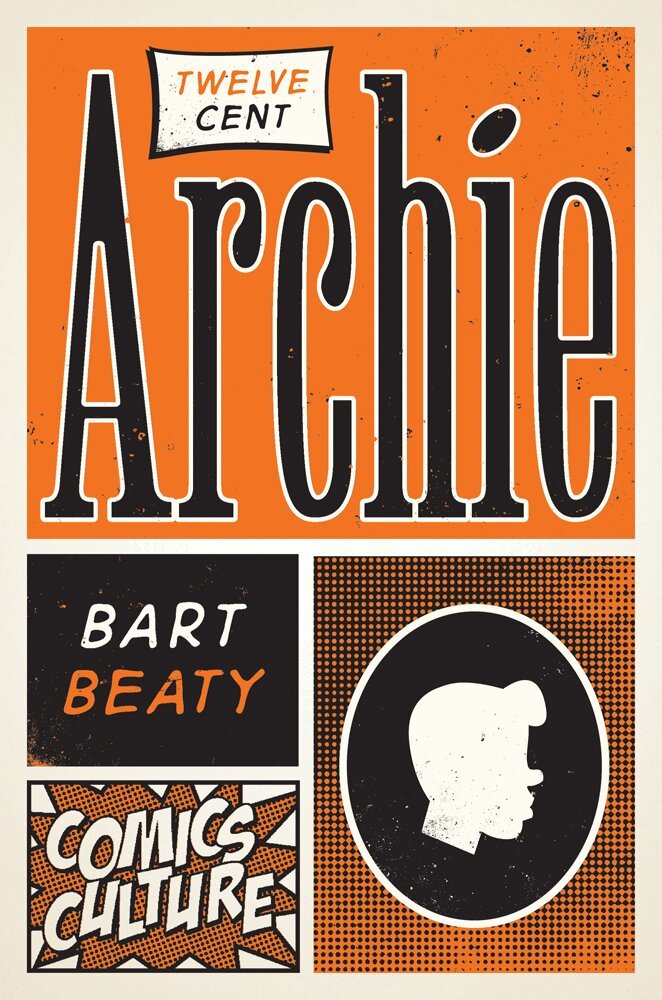
For over seventy-five years, Archie and the gang at Riverdale High have been America’s most iconic teenagers, delighting generations of readers with their never-ending exploits. But despite their ubiquity, Archie comics have been relatively ignored by scholars-until now.Twelve-Cent Archie is not only the first scholarly study of the Archie comic, it is an innovative creative work in its own right. Inspired by Archie’s own concise storytelling format, renowned comics scholar Bart Beaty divides the book into a hundred short chapters, each devoted to a different aspect of the Archie comics. Fans of the comics will be thrilled to read in-depth examinations of their favorite characters and motifs, including individual chapters devoted to Jughead’s hat and Archie’s sweater-vest. But the book also has plenty to interest newcomers to Riverdale, as it recounts the behind-the-scenes history of the comics and analyzes how Archie helped shape our images of the American teenager.As he employs a wide range of theoretical and methodological approaches, Beaty reveals that the Archie comics themselves were far more eclectic, creative, and self-aware than most critics recognize. Equally comfortable considering everything from the representation of racial diversity to the semiotics of Veronica’s haircut, Twelve-Cent Archie gives a fresh appreciation for America’s most endearing group of teenagers.
1 720 kr
Skickas inom 7-10 vardagar
For over seventy-five years, Archie and the gang at Riverdale High have been America’s most iconic teenagers, delighting generations of readers with their never-ending exploits. But despite their ubiquity, Archie comics have been relatively ignored by scholars-until now.Twelve-Cent Archie is not only the first scholarly study of the Archie comic, it is an innovative creative work in its own right. Inspired by Archie’s own concise storytelling format, renowned comics scholar Bart Beaty divides the book into a hundred short chapters, each devoted to a different aspect of the Archie comics. Fans of the comics will be thrilled to read in-depth examinations of their favorite characters and motifs, including individual chapters devoted to Jughead’s hat and Archie’s sweater-vest. But the book also has plenty to interest newcomers to Riverdale, as it recounts the behind-the-scenes history of the comics and analyzes how Archie helped shape our images of the American teenager.As he employs a wide range of theoretical and methodological approaches, Beaty reveals that the Archie comics themselves were far more eclectic, creative, and self-aware than most critics recognize. Equally comfortable considering everything from the representation of racial diversity to the semiotics of Veronica’s haircut, Twelve-Cent Archie gives a fresh appreciation for America’s most endearing group of teenagers.