Comics Studies – serie
Visar alla böcker i serien Comics Studies. Handla med fri frakt och snabb leverans.
4 produkter
4 produkter
1 377 kr
Skickas inom 5-8 vardagar
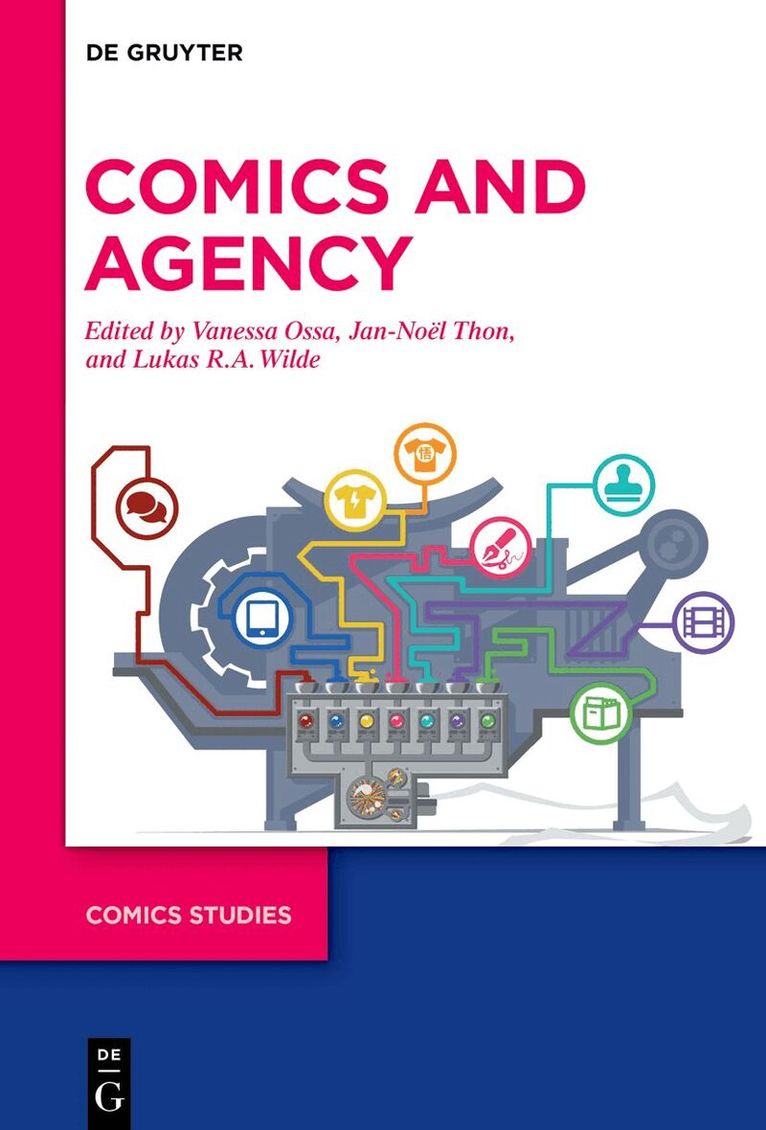
This volume aims to intensify the interdisciplinary dialogue on comics and related popular multimodal forms (including manga, graphic novels, and cartoons) by focusing on the concept of medial, mediated, and mediating agency. To this end, a theoretically and methodologically diverse set of contributions explores the interrelations between individual, collective, and institutional actors within historical and contemporary comics cultures. Agency is at stake when recipients resist hegemonic readings of multimodal texts. In the same manner, “authorship” can be understood as the attribution of agency of and between various medial instances and roles such as writers, artists, colorists, letterers, or editors, as well as with regard to commercial rights holders such as publishing houses or conglomerates and reviewers or fans. From this perspective, aspects of comics production (authorship and institutionalization) can be related to aspects of comics reception (appropriation and discursivation), and circulation (participation and canonization), including their potential for transmedialization and making contributions to the formation of the public sphere.
1 556 kr
Kommande
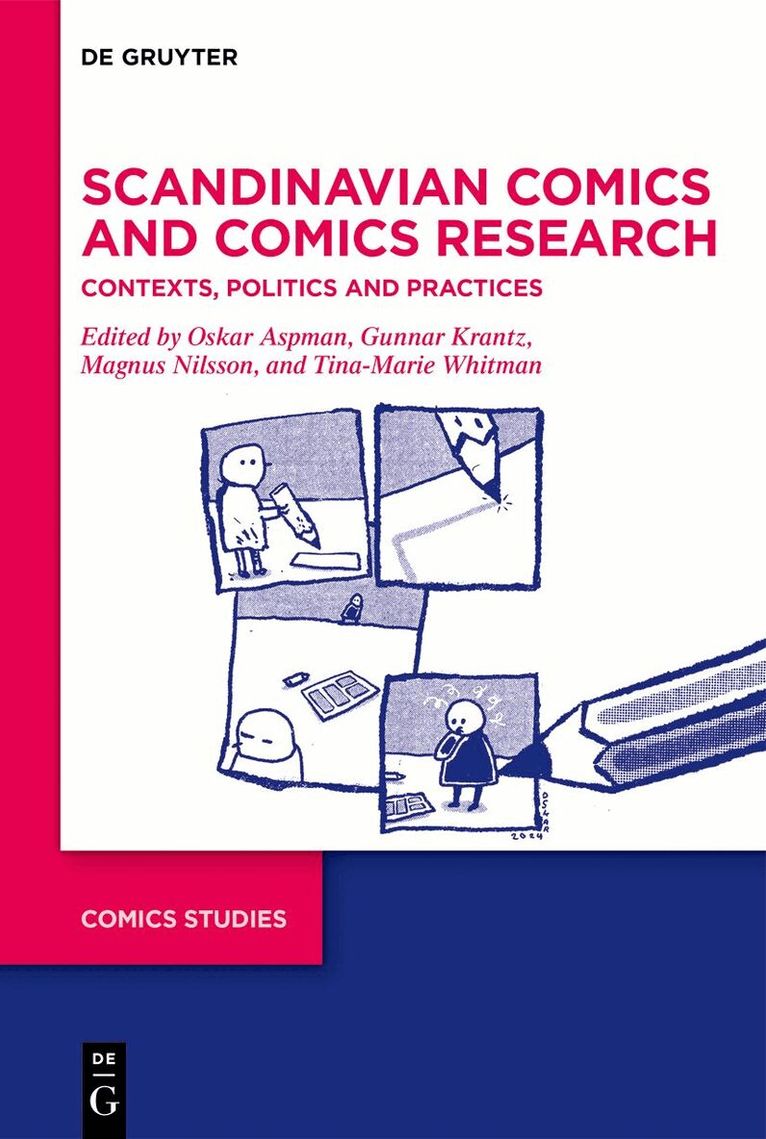
Though Scandinavian comics evolved through exchange with international networks and communities, they have a rich tradition in their own right: they have their own distinctive themes, styles and societal functions, which are in turn shaped by the social, political, economic and aesthetic realities in which they emerged. This collection spotlights not only Scandinavian comics production, but also Scandinavian comics research. It sheds light on different areas of the Scandinavian comics landscape: the relationship between Scandinavian comics and comics from other parts of the world; the formation of comics research as a discipline in Scandinavia and its relation to more traditional academic disciplines; the political significance and potential of comics in the Scandinavian context, and finally, the comics practices that are unique to Scandinavia. By presenting research on Scandinavian comics in English, this collection aims to bring the genre to the attention of an international research community, and to showcase some of the most exciting comics practitioners and researchers Europe’s North has to offer.
1 331 kr
Skickas inom 3-6 vardagar
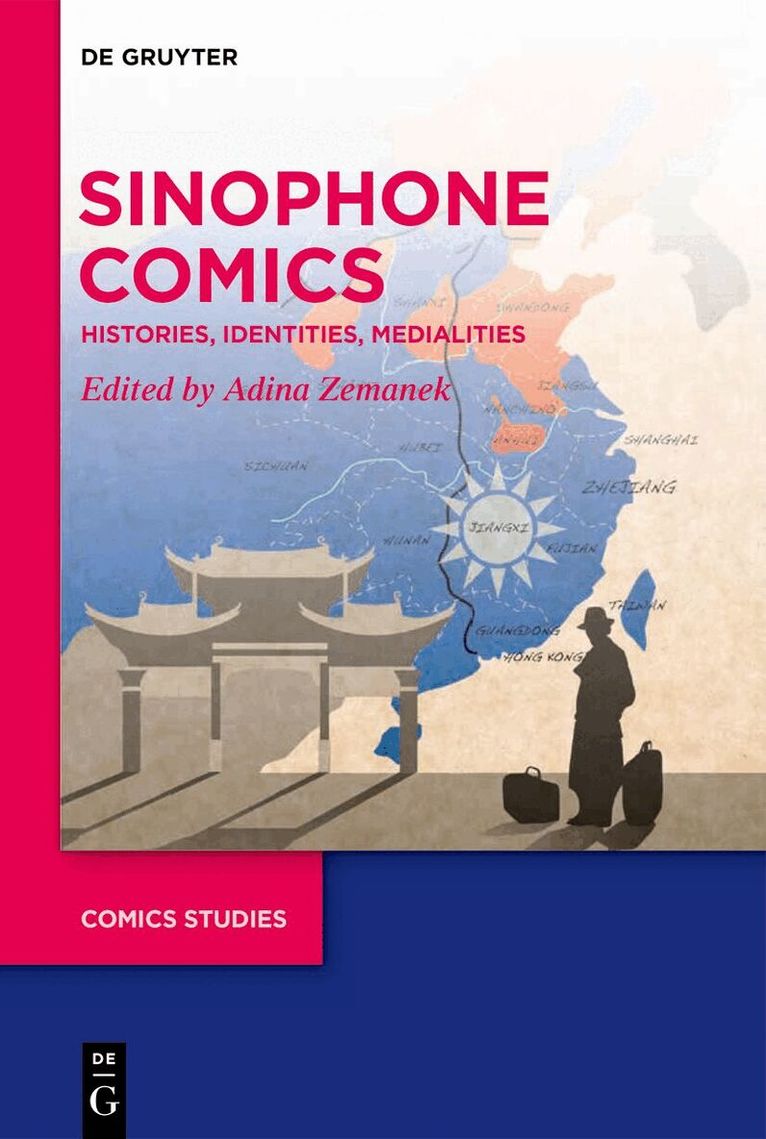
While comics published in twentieth-century China have enjoyed extensive coverage, this volume showcases recent works from other locations in Asia and beyond: Taiwan, Hong Kong, Singapore, Malaysia, Italy and the US. Thus, its Sinophone framing de-centers the hegemony of China in Chinese studies, and that of Japanese manga in comics studies. Non-mangaesque productions take center stage, and a chapter on comics-related cultural exchange with Japan covers reception of Taiwanese comics. Chapter contributors explore key themes in Sinophone studies: identity-construction and (national or medium-specific) history-writing through positive or negative connections with China as a cultural and political center, contingent on local colonial legacies, nationalist projects and other cultural factors. At the same time, this volume underscores transnational connections, central to comics throughout this medium’s history, and recent global trends shaping media and cultural production: state support and soft power, the neoliberal emphasis on creativity and self-branding, the rise of digital platforms. Taiwan constitutes a productive site for studying such issues, hence its centrality to this project.
1 393 kr
Kommande
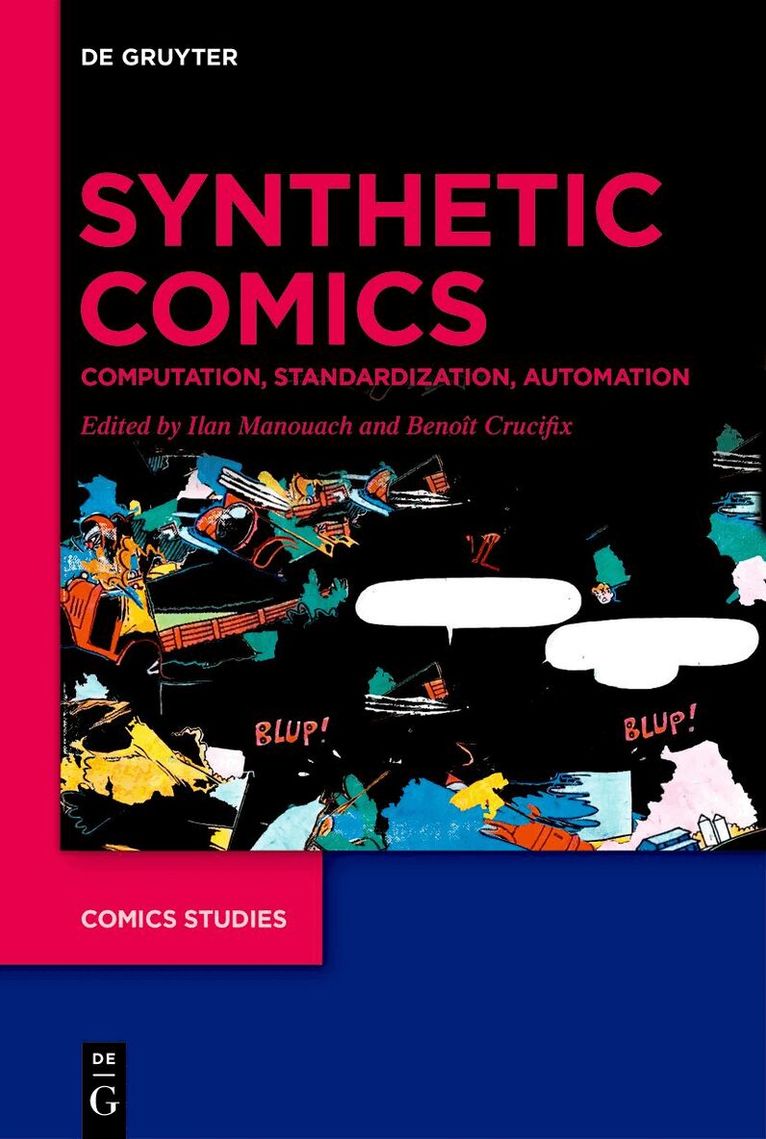
This book delves into the intricate relationship between automation, industrial manufacturing, and the production of comics, tracing a historical continuum from early mechanization to contemporary algorithmic tools like Midjourney and ChatGPT. The volume situates comics within a broader discourse of automation in art, noting that unlike other art forms, the medium has long incorporated industrial processes as fundamental to its production. Concepts such as efficiency, marginal utility, and computability have been essential both technically and conceptually, as comics evolved within a dense information economy driven by standardization and scalability. The book argues that comics production, from ideation to editorial revision, operates within a framework of human-machine collaboration, defined by decentralized, asynchronous processes akin to what Rudy Rucker describes as computation—finitely describable processes of calculating, processing, and transforming information. By examining the industry’s historical attempts at automation, the volume suggests that the integration of computational processes in contemporary comics production is a natural extension of the medium's longstanding practices. The book positions this evolution as a continuous thread linking early industrial practices with today’s use of generative AI, reshaping our understanding of comics craftsmanship as a symbiotic expansion alongside advancements in printing, distribution, and communication technologies.