CRC Biogeography Series - Böcker
Visar alla böcker i serien CRC Biogeography Series. Handla med fri frakt och snabb leverans.
10 produkter
10 produkter
2 103 kr
Skickas inom 10-15 vardagar
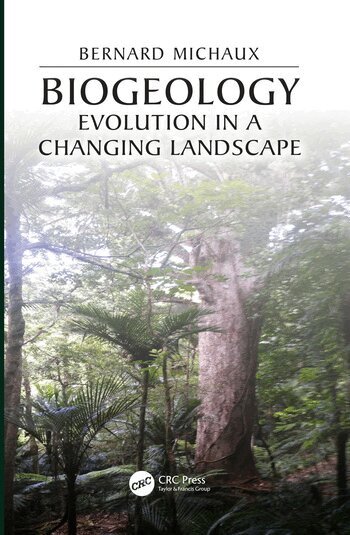
This detailed exposition gives background and context to how modern biogeography has got to where it is now. For biogeographers and other researchers interested in biodiversity and the evolution of life on islands, Biogeology: Evolution in a Changing Landscape provides an overview of a large swathe of the globe encompassing Wallacea and the western Pacific. The book contains the full text of the original article explored in each chapter, presented as it appeared on publication. Key features: Holistic treatment, collecting together a series of important biogeographical papers into a single volume Authored by an expert who has spent nearly three decades actively involved in biogeography Describes and interprets a region of exceptional biodiversity and extreme endemism The only book to provide an integrated treatment of Wallacea, Melanesia, New Zealand, the New Zealand Subantarctic Islands and Antarctica Offers a critique of fashionable neo-dispersalist arguments, showing how these still suffer from the same weaknesses of the original Darwinian formulation. The chapters also include analysis of many major theoretical and philosophical issues of modern biogeographic theory, so that those interested in a more philosophical approach will find the book stimulating and thought-provoking.
5 011 kr
Skickas inom 10-15 vardagar
This detailed exposition gives background and context to how modern biogeography has got to where it is now. For biogeographers and other researchers interested in biodiversity and the evolution of life on islands, Biogeology: Evolution in a Changing Landscape provides an overview of a large swathe of the globe encompassing Wallacea and the western Pacific. The book contains the full text of the original article explored in each chapter, presented as it appeared on publication. Key features: Holistic treatment, collecting together a series of important biogeographical papers into a single volume Authored by an expert who has spent nearly three decades actively involved in biogeography Describes and interprets a region of exceptional biodiversity and extreme endemism The only book to provide an integrated treatment of Wallacea, Melanesia, New Zealand, the New Zealand Subantarctic Islands and Antarctica Offers a critique of fashionable neo-dispersalist arguments, showing how these still suffer from the same weaknesses of the original Darwinian formulation. The chapters also include analysis of many major theoretical and philosophical issues of modern biogeographic theory, so that those interested in a more philosophical approach will find the book stimulating and thought-provoking.
697 kr
Skickas inom 10-15 vardagar
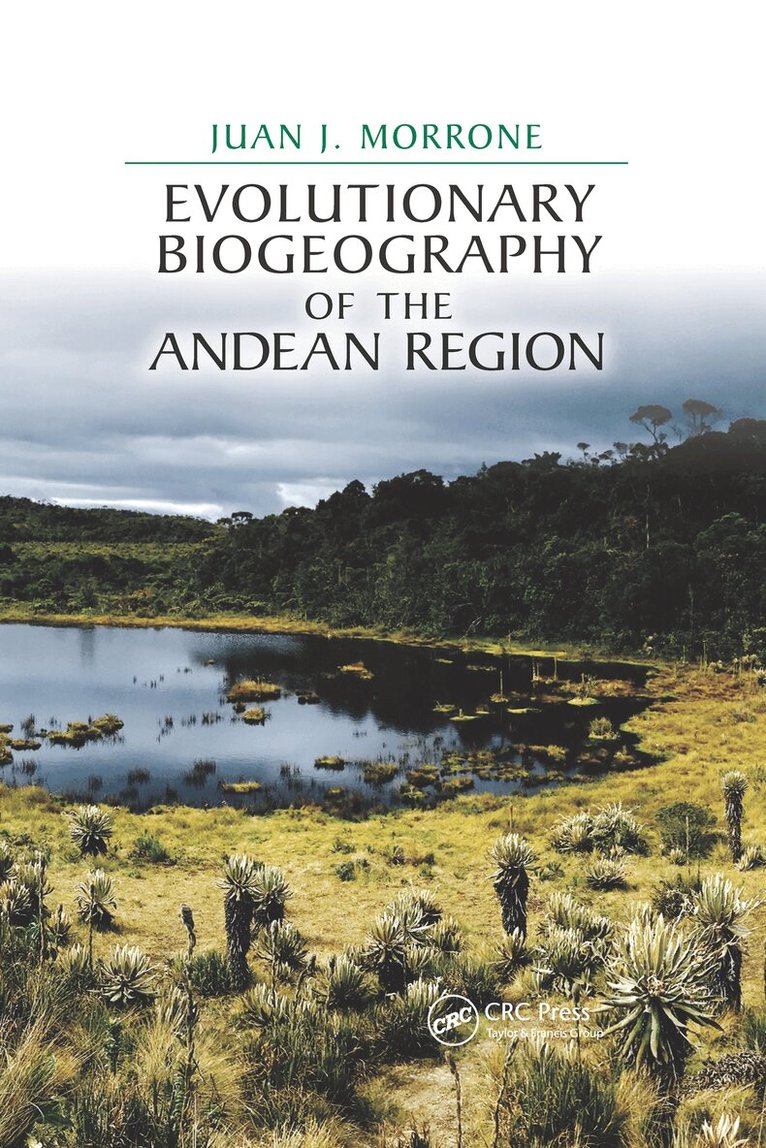
Key features:The first reference book to provide a comprehensive treatment of the biogreography of the Andean regionIncludes lists of the synonyms for each area and examples of the plant and animal taxa characterizing them. An extensive reference section serves as an entry point for more in-depth research on individual subjectsDiscusses the relationships between the areas, formulating hypotheses explaining the relationships of different biotas, based on track and cladistic biogeographic analysesIdentifies cenocrons that were assembled in the different biotasContains maps that illustrate the distribution of particular taxa, area cladograms and vegetation profilesThis book presents a regionalization of the Andean region, based on an evolutionary biogeographic approach. Aimed at anyone wishing to understand biogeographic patterns of distribution of Andean plants and animals, the book provides a comprehensive treatment of three subregions, one transition zone, and 16 provinces. Lists of the synonyms and examples of taxa characterizing each area are given, and the relationships between the areas discussed, alongside hypotheses explaining the assembly of different biotas. Several maps illustrate the distribution of particular taxa, as well as area cladograms, diagrams and full-color vegetation profiles.
697 kr
Skickas inom 10-15 vardagar
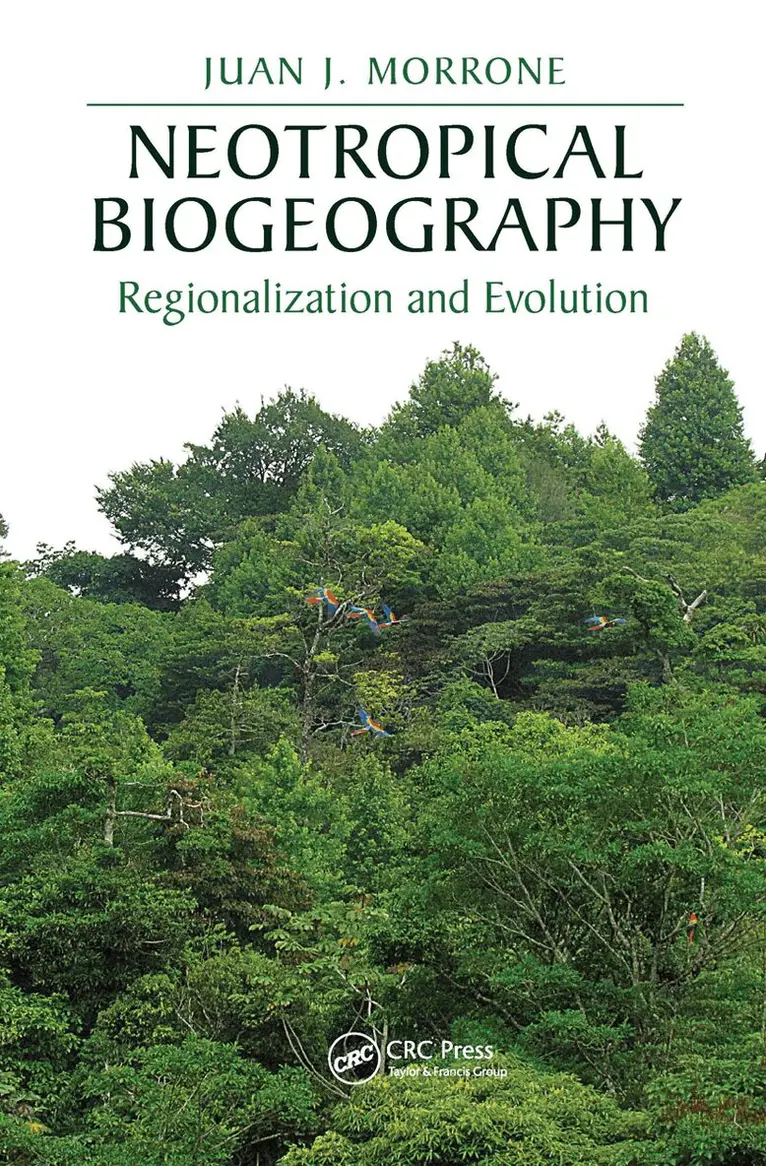
Neotropical Biogeography: Regionalization and Evolution presents the most comprehensive single-source treatment of the Neotropical region derived from evolutionary biogeographic studies. The book provides a biogeographic regionalization based on distributional patterns of plant and animal taxa, discusses biotic relationships drawn from track and cladistic biogeographic analyses, and identifies cenocrons (subsets of taxa within biotas identified by their common origin and evolutionary history). It includes maps, area cladograms and vegetation profiles. The aim of this reference is to provide a biogeographic regionalization that can be used by graduate students, researchers and other professionals concerned with understanding and describing distributional patterns of plants and animals in the Neotropical region. It covers the 53 biogeographic provinces of the Neotropical region that are classified into the Antillean, Brazilian and Chacoan subregions, and the Mexican and South American transition zones.
697 kr
Skickas inom 10-15 vardagar
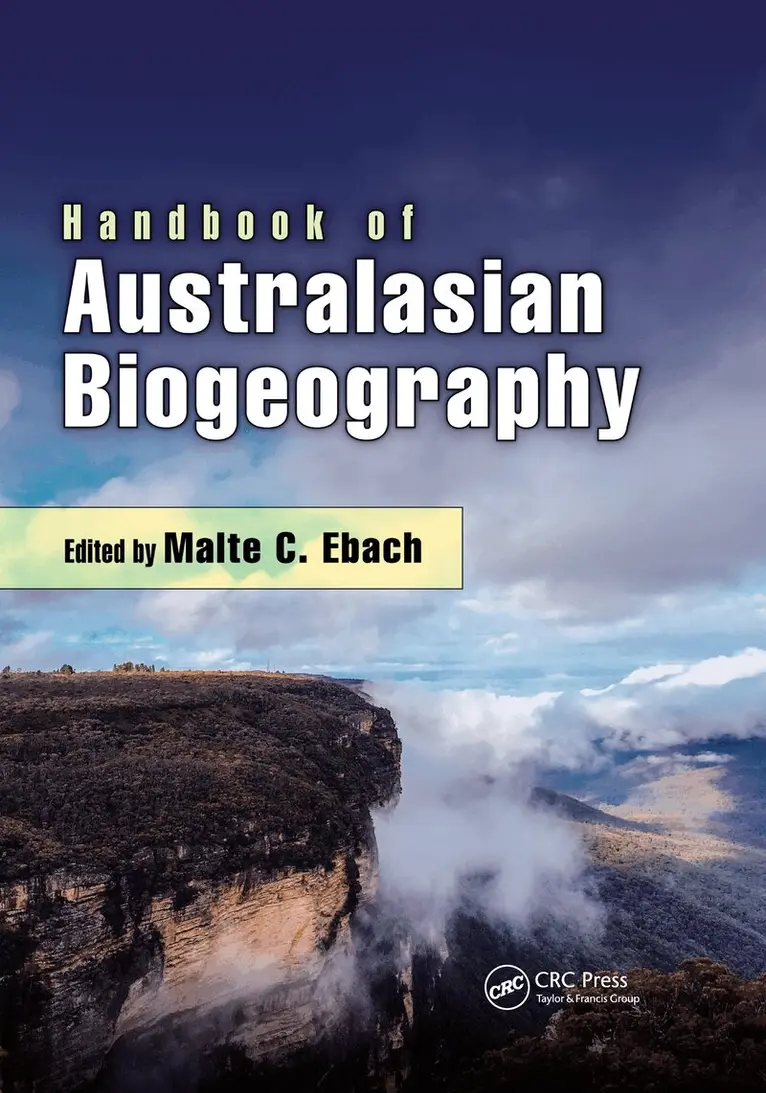
The Handbook of Australasian Biogeography is the most comprehensive overview of the biogeography of Australasian plants, fungi and animal taxa in a single volume. This volume is unique in its coverage of marine, freshwater, terrestrial, and subterranean taxa. It is an essential publication for anyone studying or researching Australasian biogeography. The book contains biogeographic reviews of all major plant, animal and fungal groups in Australasia by experts in the field, including a strong emphasis on invertebrates, algae, fungi and subterranean taxa. It discusses how Australasia is different from the rest of the world and what other areas share its history and biota.
751 kr
Skickas inom 10-15 vardagar
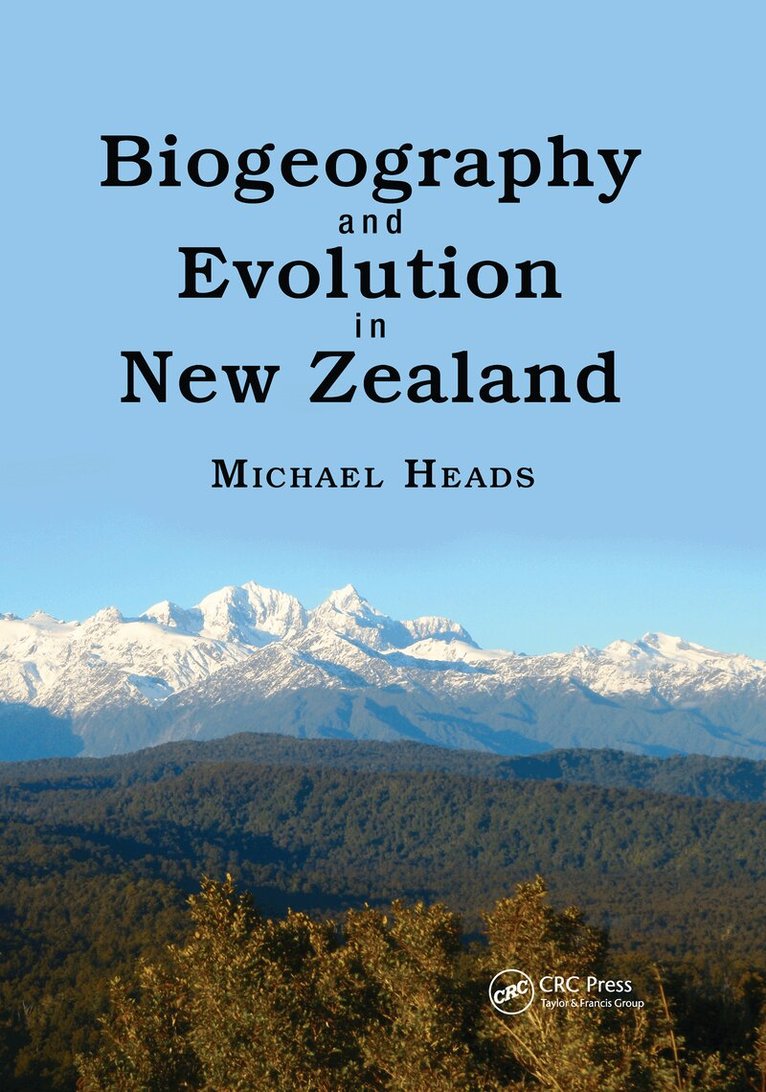
Biogeography and Evolution in New Zealand provides the first in-depth treatment of the biogeography of New Zealand, a region that has been a place of long-enduring interest to ecologists, evolutionary scientists, geographers, geologists, and scientists in related disciplines. It serves as a key addition to the contemporary discussion on regionalization—how is New Zealand different from the rest of the world? With what other areas does it share its geology, history, and biota? Do new molecular phylogenies show that New Zealand may be seen as a biological ‘parallel universe’ within global evolution?
2 577 kr
Skickas inom 10-15 vardagar
Neotropical Biogeography: Regionalization and Evolution presents the most comprehensive single-source treatment of the Neotropical region derived from evolutionary biogeographic studies. The book provides a biogeographic regionalization based on distributional patterns of plant and animal taxa, discusses biotic relationships drawn from track and cladistic biogeographic analyses, and identifies cenocrons (subsets of taxa within biotas identified by their common origin and evolutionary history). It includes maps, area cladograms and vegetation profiles. The aim of this reference is to provide a biogeographic regionalization that can be used by graduate students, researchers and other professionals concerned with understanding and describing distributional patterns of plants and animals in the Neotropical region. It covers the 53 biogeographic provinces of the Neotropical region that are classified into the Antillean, Brazilian and Chacoan subregions, and the Mexican and South American transition zones.
2 712 kr
Skickas inom 10-15 vardagar
Key features:The first reference book to provide a comprehensive treatment of the biogreography of the Andean regionIncludes lists of the synonyms for each area and examples of the plant and animal taxa characterizing them. An extensive reference section serves as an entry point for more in-depth research on individual subjectsDiscusses the relationships between the areas, formulating hypotheses explaining the relationships of different biotas, based on track and cladistic biogeographic analysesIdentifies cenocrons that were assembled in the different biotasContains maps that illustrate the distribution of particular taxa, area cladograms and vegetation profilesThis book presents a regionalization of the Andean region, based on an evolutionary biogeographic approach. Aimed at anyone wishing to understand biogeographic patterns of distribution of Andean plants and animals, the book provides a comprehensive treatment of three subregions, one transition zone, and 16 provinces. Lists of the synonyms and examples of taxa characterizing each area are given, and the relationships between the areas discussed, alongside hypotheses explaining the assembly of different biotas. Several maps illustrate the distribution of particular taxa, as well as area cladograms, diagrams and full-color vegetation profiles.
2 577 kr
Skickas inom 10-15 vardagar
The Handbook of Australasian Biogeography is the most comprehensive overview of the biogeography of Australasian plants, fungi and animal taxa in a single volume. This volume is unique in its coverage of marine, freshwater, terrestrial, and subterranean taxa. It is an essential publication for anyone studying or researching Australasian biogeography. The book contains biogeographic reviews of all major plant, animal and fungal groups in Australasia by experts in the field, including a strong emphasis on invertebrates, algae, fungi and subterranean taxa. It discusses how Australasia is different from the rest of the world and what other areas share its history and biota.
2 564 kr
Skickas inom 7-10 vardagar
Biogeography and Evolution in New Zealand provides the first in-depth treatment of the biogeography of New Zealand, a region that has been a place of long-enduring interest to ecologists, evolutionary scientists, geographers, geologists, and scientists in related disciplines. It serves as a key addition to the contemporary discussion on regionalization—how is New Zealand different from the rest of the world? With what other areas does it share its geology, history, and biota? Do new molecular phylogenies show that New Zealand may be seen as a biological ‘parallel universe’ within global evolution?