CRC Press Guides to Tabletop Game Design - Böcker
Visar alla böcker i serien CRC Press Guides to Tabletop Game Design. Handla med fri frakt och snabb leverans.
10 produkter
10 produkter
718 kr
Skickas inom 10-15 vardagar
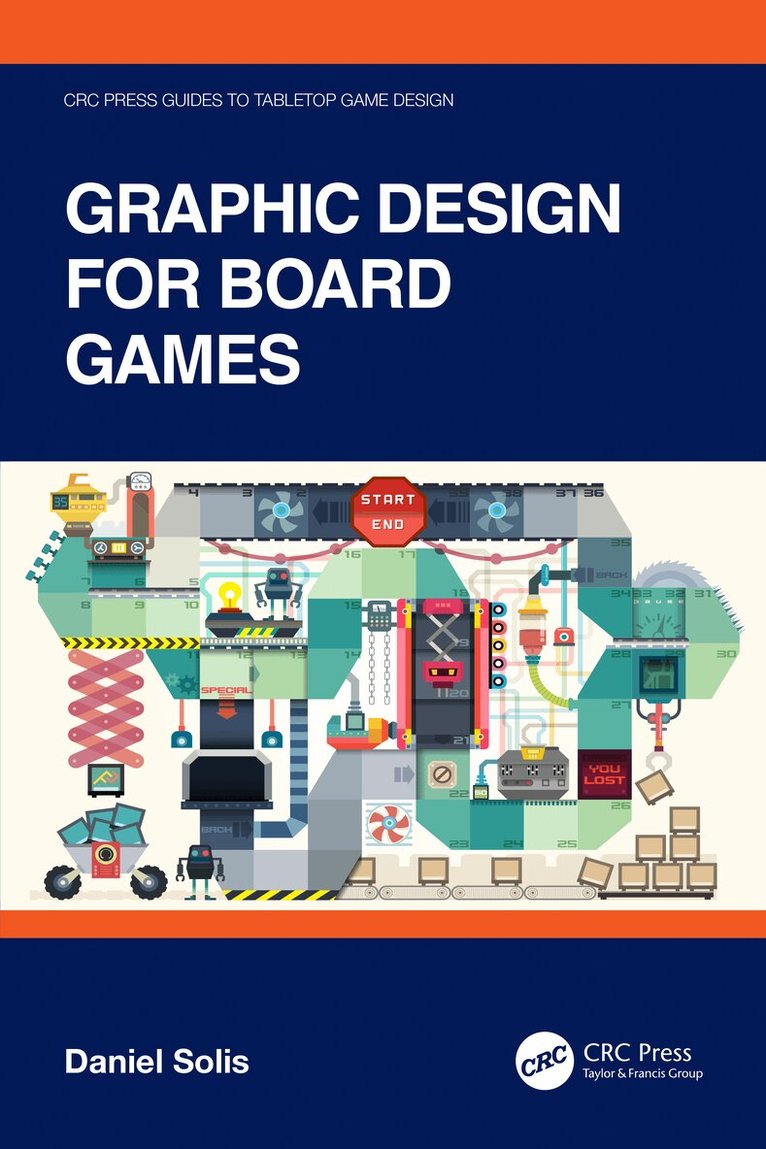
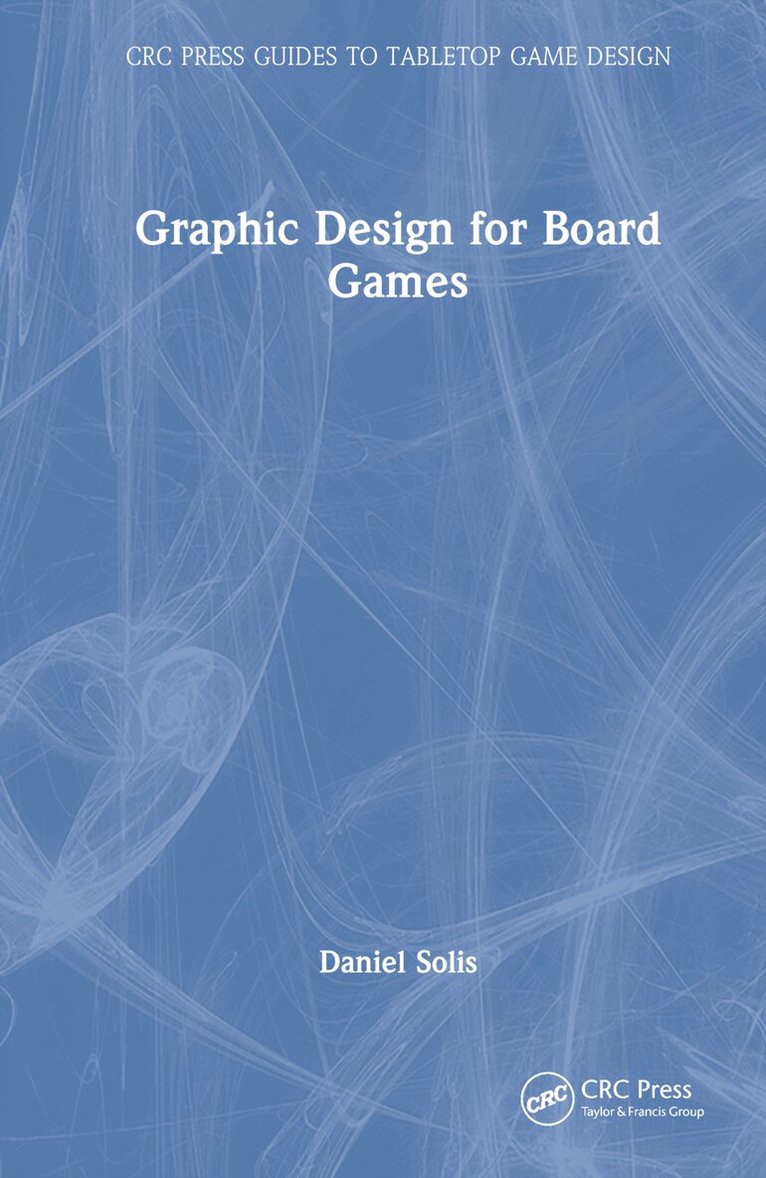
Board games are increasingly recognized as an artform of their own, but their design and aesthetics are just as important as their gameplay mechanics. In this handbook, art director and graphic designer Daniel Solis offers his 20+ years of expertise in graphic design in tabletop gaming.With a sense of humor, plenty of examples, and simple tips, Graphic Design for Board Games covers everything from typography to retail presence. Learn how to effectively use graphic design elements to enhance player experience. Create stunning game components, clear rulebooks, and effective game boards that will keep players engaged.Key Features:Highlights unique challenges and solutions of graphic design for board gamesIncludes commentary from over a dozen board game graphic designersExplains complex concepts with numerous visual examplesTrains designers to incorporate heuristics, accessibility, and semioticsNewcomers will learn introductory concepts of visual communication. Intermediate designers will find ways to anticipate common visual obstacles and improve playtest results. Experienced veterans will find insightful comments shared by fellow professionals.Soon you’ll design unforgettable gaming experiences for your players!
718 kr
Skickas inom 10-15 vardagar
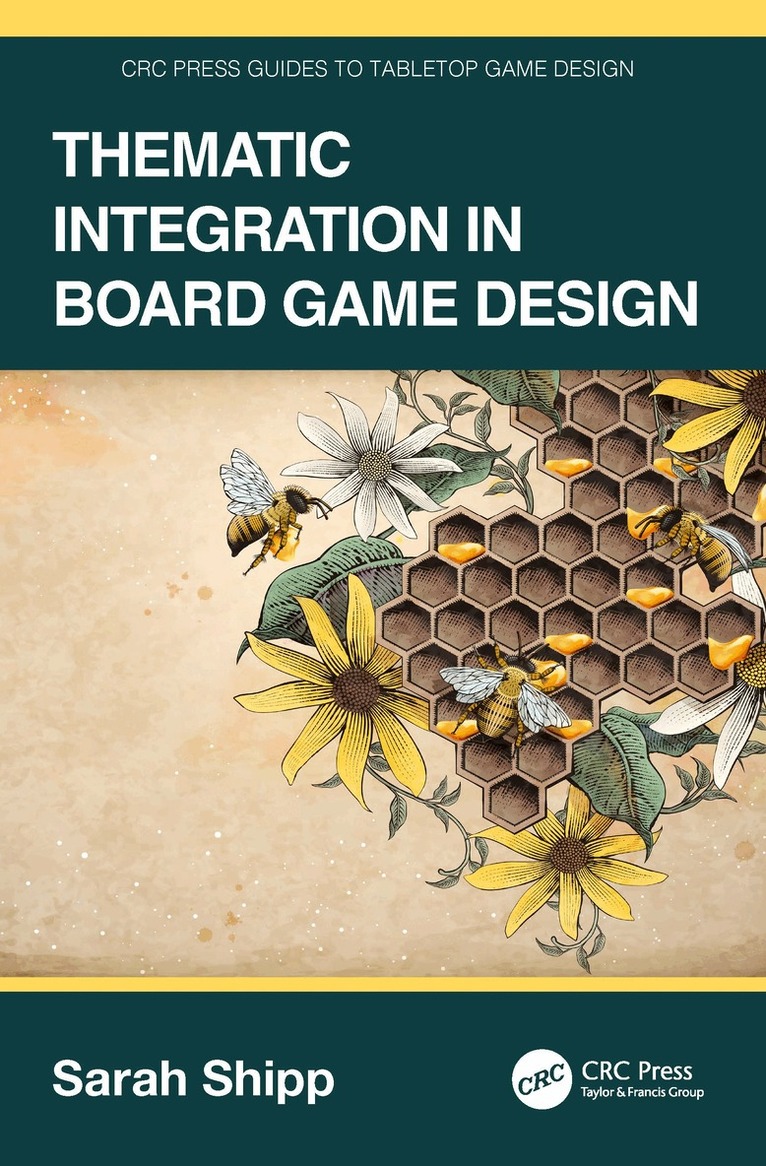
Theme is often described as the "why" of a game. Themes help with rules comprehension by giving reasons for the mechanics. Themes can help set players’ expectations for what kind of experiences or emotions the game provides. Themes can also help to create the experience and provide atmosphere to the gameplay.Thematic Integration in Board Game Design examines the design and integration of theme from the standpoints of technical structure, narrative building, and the design process. This book presents multiple approaches to designing theme as well as developing and replacing themes in existing projects.The focus is on developing the design skill of mechanical integration of theme rather than developing creative writing skills. Multiple guides and exercises are included that designers can reference at various points in the design process.Key Features:Fills a void in board game design theory by discussing theory-craft relating to theme in board game designPresents practical theory for working designers or studentsFocuses on developing the design skill of mechanical integration of theme rather than developing creative writing skills
1 888 kr
Skickas inom 10-15 vardagar
Theme is often described as the "why" of a game. Themes help with rules comprehension by giving reasons for the mechanics. Themes can help set players’ expectations for what kind of experiences or emotions the game provides. Themes can also help to create the experience and provide atmosphere to the gameplay.Thematic Integration in Board Game Design examines the design and integration of theme from the standpoints of technical structure, narrative building, and the design process. This book presents multiple approaches to designing theme as well as developing and replacing themes in existing projects.The focus is on developing the design skill of mechanical integration of theme rather than developing creative writing skills. Multiple guides and exercises are included that designers can reference at various points in the design process.Key Features:Fills a void in board game design theory by discussing theory-craft relating to theme in board game designPresents practical theory for working designers or studentsFocuses on developing the design skill of mechanical integration of theme rather than developing creative writing skills
1 888 kr
Skickas inom 10-15 vardagar
Board games are increasingly recognized as an artform of their own, but their design and aesthetics are just as important as their gameplay mechanics. In this handbook, art director and graphic designer Daniel Solis offers his 20+ years of expertise in graphic design in tabletop gaming.With a sense of humor, plenty of examples, and simple tips, Graphic Design for Board Games covers everything from typography to retail presence. Learn how to effectively use graphic design elements to enhance player experience. Create stunning game components, clear rulebooks, and effective game boards that will keep players engaged.Key Features:Highlights unique challenges and solutions of graphic design for board gamesIncludes commentary from over a dozen board game graphic designersExplains complex concepts with numerous visual examplesTrains designers to incorporate heuristics, accessibility, and semioticsNewcomers will learn introductory concepts of visual communication. Intermediate designers will find ways to anticipate common visual obstacles and improve playtest results. Experienced veterans will find insightful comments shared by fellow professionals.Soon you’ll design unforgettable gaming experiences for your players!
732 kr
Skickas inom 10-15 vardagar
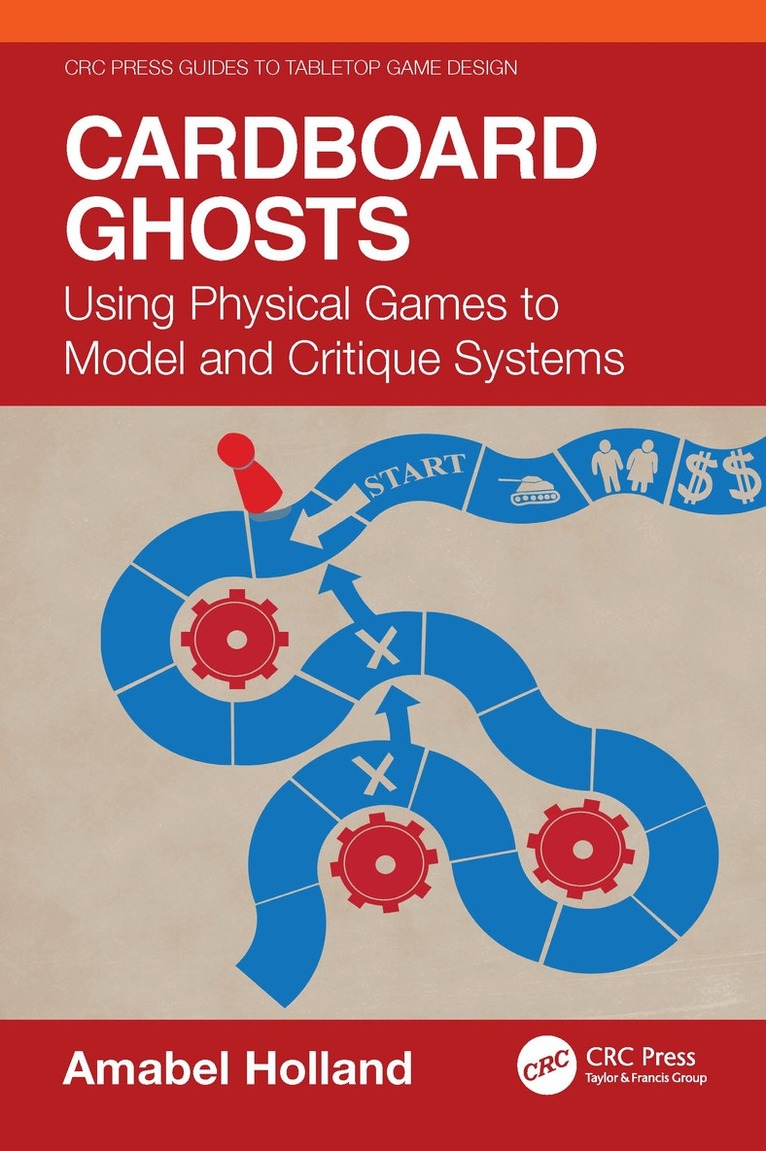
Games can be used to model systems because they are themselves systems. Video games handle this under the hood and teach you as you play, but because board games are operated manually, and require the player to understand the system beforehand, they can be a valuable tool for recognizing, understanding, and critiquing real-world systems, including systems of oppression. These systems, often unseen and misunderstood, haunt our world. Board games turn these ghosts into pieces of cardboard we can see, touch, and manipulate.Cardboard Ghosts: Using Physical Games to Model and Critique Systems explores both the capabilities and limitations of overtly political board games to model systems and make arguments. Two major approaches are considered and contrasted: one, built around immersion and identification, creates empathy. The other, applying the Verfremdungseffekt to distance the player from the game, creating space for reflection. Uncomfortable questions of player roles and complicity when modelling oppressive systems are examined.Throughout this book, board game designer Amabel Holland draws connections to computer games, literature, theatre, television, music, film, and her own life, framing board games as an achingly human art form, albeit one still growing into its full potential. Anyone interested in that potential, or in the value of political art in today’s world, will find many provocative and enriching ideas within.Key Features:Surveys the history of commercial board games as a polemical and persuasive formExplores games existing at the edges of the industry that push the boundaries of what games can do and beGrapples with the ethical and moral considerations of simulating real-world horrorsProvides a case study of the author’s influential game This Guilty Land Lively prose and personal anecdotes makes complicated theory digestible for a wide audience
732 kr
Skickas inom 10-15 vardagar
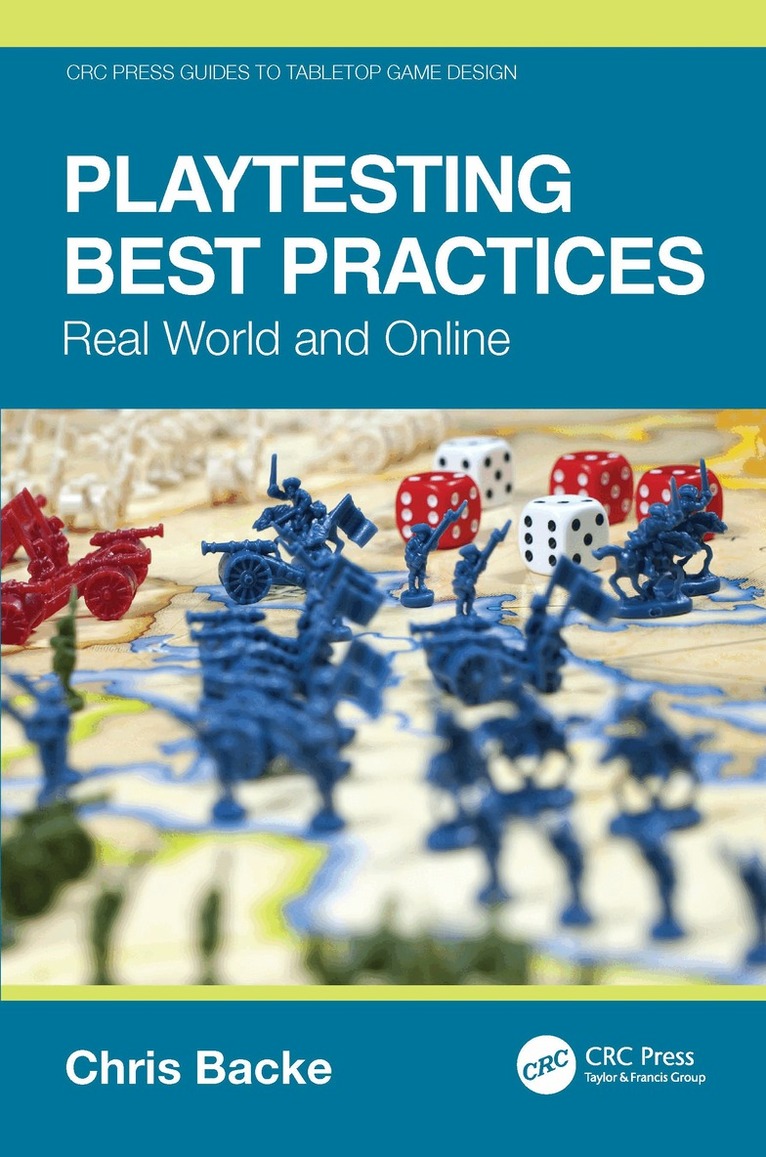
Playtesting Best Practices: Real World and Online covers the complete journey of playtesting – the iterative journey to shape and refine tabletop games from raw ideas to balanced and fun games. This step-by-step guide embraces the process and celebrates the purpose of every step, from early self-playtesting to late-stage unguided playtesting, and offers the specific questions and practices the author has refined to perfect his own games.This book is split up into four main sections, each with a distinct focus: Getting ready to playtest: Establishing goalposts, brainstorming, self-playtesting, getting organized, how to design a prototype, and writing rules. The focus here is starting good habits and establishing best practices, whether this is your first game or your hundredth. Playtesting in the real world: How to find playtesters, how to teach your game, what to do during the playtest, how to take notes and collect feedback, and being a great playtester yourself. Playtesting online: How to adapt to digital platforms, the best practices for playtesting online, how to use these opportunities well, and cautions about playtesting online. What to do next: How to iterate, additional ways to playtest your game, knowing when you’re done with playtesting, and choosing how to get your game out there.
1 888 kr
Skickas inom 10-15 vardagar
Playtesting Best Practices: Real World and Online covers the complete journey of playtesting – the iterative journey to shape and refine tabletop games from raw ideas to balanced and fun games. This step-by-step guide embraces the process and celebrates the purpose of every step, from early self-playtesting to late-stage unguided playtesting, and offers the specific questions and practices the author has refined to perfect his own games.This book is split up into four main sections, each with a distinct focus: Getting ready to playtest: Establishing goalposts, brainstorming, self-playtesting, getting organized, how to design a prototype, and writing rules. The focus here is starting good habits and establishing best practices, whether this is your first game or your hundredth. Playtesting in the real world: How to find playtesters, how to teach your game, what to do during the playtest, how to take notes and collect feedback, and being a great playtester yourself. Playtesting online: How to adapt to digital platforms, the best practices for playtesting online, how to use these opportunities well, and cautions about playtesting online. What to do next: How to iterate, additional ways to playtest your game, knowing when you’re done with playtesting, and choosing how to get your game out there.
1 888 kr
Skickas inom 10-15 vardagar
Games can be used to model systems because they are themselves systems. Video games handle this under the hood and teach you as you play, but because board games are operated manually, and require the player to understand the system beforehand, they can be a valuable tool for recognizing, understanding, and critiquing real-world systems, including systems of oppression. These systems, often unseen and misunderstood, haunt our world. Board games turn these ghosts into pieces of cardboard we can see, touch, and manipulate.Cardboard Ghosts: Using Physical Games to Model and Critique Systems explores both the capabilities and limitations of overtly political board games to model systems and make arguments. Two major approaches are considered and contrasted: one, built around immersion and identification, creates empathy. The other, applying the Verfremdungseffekt to distance the player from the game, creating space for reflection. Uncomfortable questions of player roles and complicity when modelling oppressive systems are examined.Throughout this book, board game designer Amabel Holland draws connections to computer games, literature, theatre, television, music, film, and her own life, framing board games as an achingly human art form, albeit one still growing into its full potential. Anyone interested in that potential, or in the value of political art in today’s world, will find many provocative and enriching ideas within.Key Features:Surveys the history of commercial board games as a polemical and persuasive formExplores games existing at the edges of the industry that push the boundaries of what games can do and beGrapples with the ethical and moral considerations of simulating real-world horrorsProvides a case study of the author’s influential game This Guilty Land Lively prose and personal anecdotes makes complicated theory digestible for a wide audience
732 kr
Skickas inom 10-15 vardagar
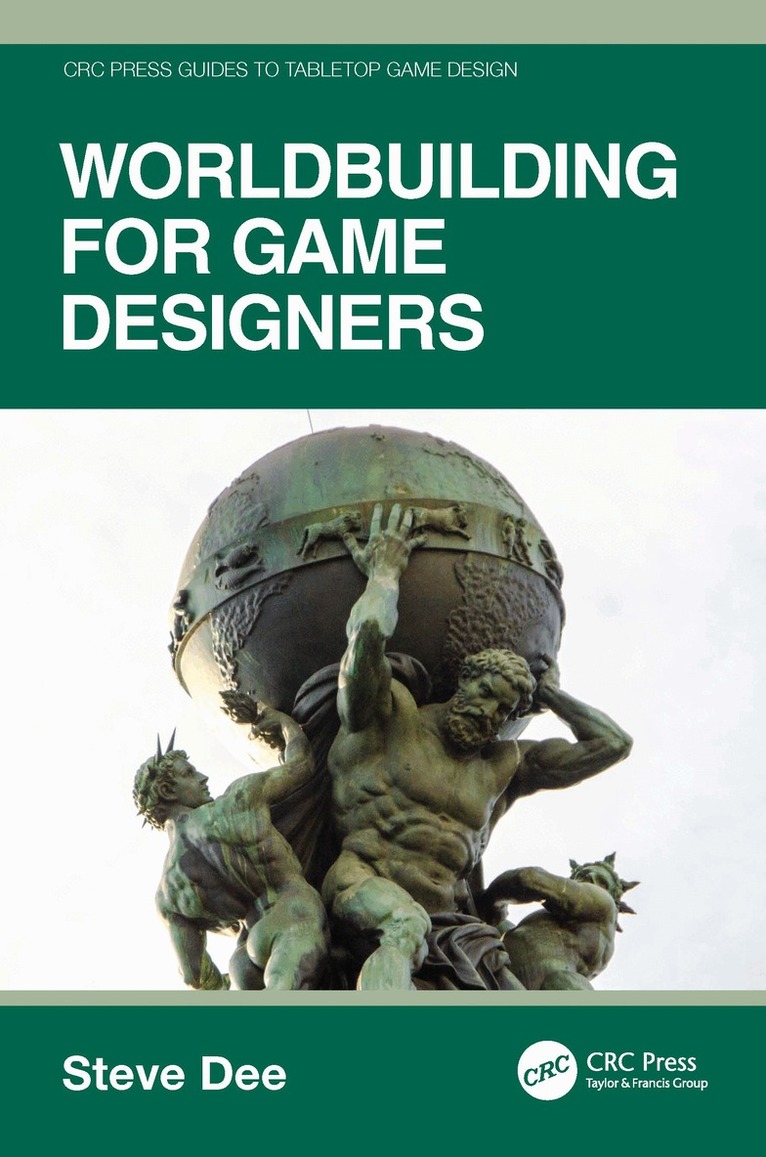
Our modern world is dominated by giant media companies, and increasingly they don’t so much sell story, characters or gameplay as they do their setting. Fictional worlds are big business and represent big value to companies and audiences alike, and they are increasingly expected and demanded by both. As yet, however, the art of building worlds has only been taught to writers of novels or films. The same worlds are frequently used across different modes of media, but successfully adapting them to games or building them for this purpose requires a specific approach.Unlike all other artforms, games mandate participation, with the audience stepping into the world of the game and taking on the roles that the rules and pieces demand of them. Likewise, whenever an audience engages with a fictional world they are inherently playing a game of make‑believe and imagining themselves within a different context. This makes worldbuilding and gaming a perfect match, with each element giving more power to the other. This book unlocks exactly how the two disciplines are entwined and work together and how a designer can harness that synergy to the best effect.This text is composed of short, focussed chapters that explain every step of building a compelling world, from getting your first ideas to moving towards publication. It also provides a deeper understanding of the how and why of world creation and why worlds have so much power over us as players and as people.Features: Covers every step of world creation from getting ideas to seeking publication Comprehensive analysis of the field Inspirational tricks to break blocks or find new angles Practical exercises at the end of every chapter Simple and accessible material for every kind of game or game designer
1 888 kr
Skickas inom 10-15 vardagar
Our modern world is dominated by giant media companies, and increasingly they don’t so much sell story, characters or gameplay as they do their setting. Fictional worlds are big business and represent big value to companies and audiences alike, and they are increasingly expected and demanded by both. As yet, however, the art of building worlds has only been taught to writers of novels or films. The same worlds are frequently used across different modes of media, but successfully adapting them to games or building them for this purpose requires a specific approach.Unlike all other artforms, games mandate participation, with the audience stepping into the world of the game and taking on the roles that the rules and pieces demand of them. Likewise, whenever an audience engages with a fictional world they are inherently playing a game of make‑believe and imagining themselves within a different context. This makes worldbuilding and gaming a perfect match, with each element giving more power to the other. This book unlocks exactly how the two disciplines are entwined and work together and how a designer can harness that synergy to the best effect.This text is composed of short, focussed chapters that explain every step of building a compelling world, from getting your first ideas to moving towards publication. It also provides a deeper understanding of the how and why of world creation and why worlds have so much power over us as players and as people.Features: Covers every step of world creation from getting ideas to seeking publication Comprehensive analysis of the field Inspirational tricks to break blocks or find new angles Practical exercises at the end of every chapter Simple and accessible material for every kind of game or game designer