Cultures of Reading in the Ancient Mediterranean – serie
Visar alla böcker i serien Cultures of Reading in the Ancient Mediterranean. Handla med fri frakt och snabb leverans.
3 produkter
3 produkter
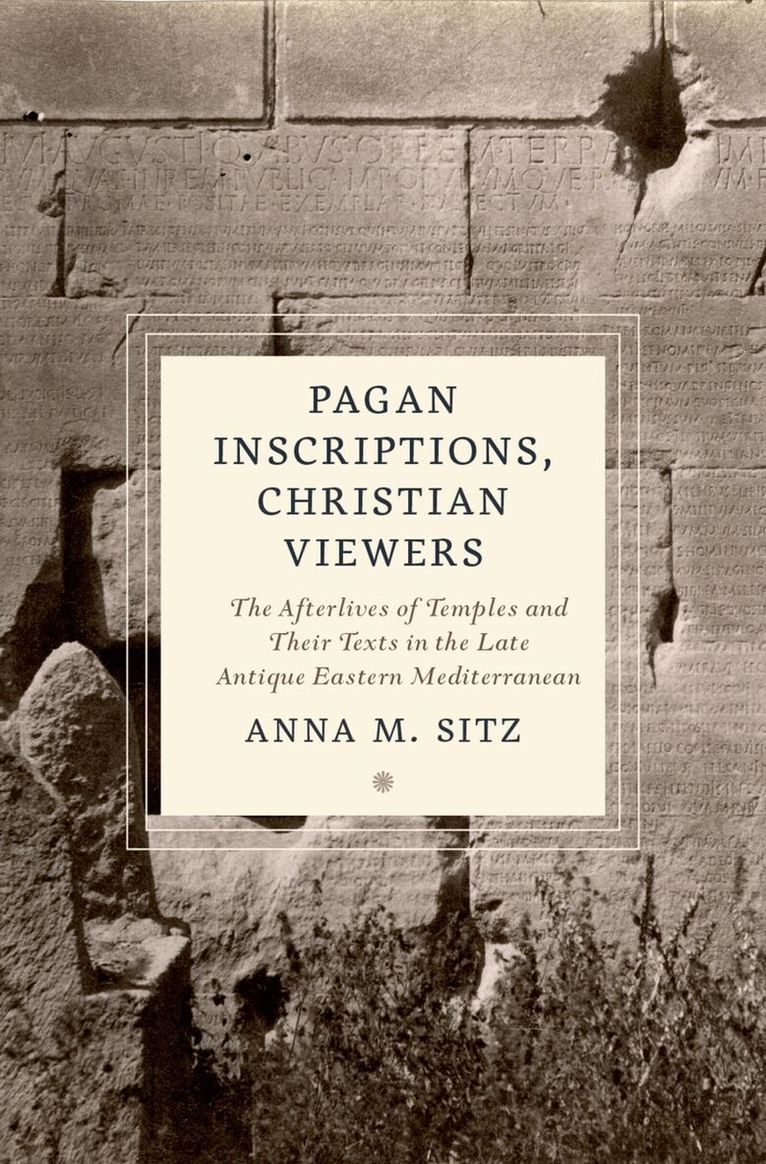
Pagan Inscriptions, Christian Viewers
The Afterlives of Temples and Their Texts in the Late Antique Eastern Mediterranean
Inbunden, Engelska, 2023
1 281 kr
Skickas inom 7-10 vardagar
What did people in the early Christian period think about the pagan inscriptions filling their late antique cities? Like public advertisements lining our streets today, these inscriptions were everywhere and communicated specific messages to literate late Roman viewers, often providing a very different view of the classical past than that being preached from early Christian church pulpits. In Pagan Inscriptions, Christian Viewers, Anna M. Sitz provides a fresh perspective on the Christianization of the Roman empire from the fourth to the seventh century CE by analyzing a previously overlooked body of evidence: the many ancient, pagan inscriptions, written in Greek or other languages, which were reused, preserved, or even partially erased in this period.This volume brings together for the first time the literary and archaeological evidence for attitudes towards these ancient inscriptions in the eastern Mediterranean, from Greece to Asia Minor, Syria to Egypt. Pagan Inscriptions, Christian Viewers illustrates how early Christians, late pagans, and Jews in the eastern Mediterranean interpreted older inscriptions in Greek and other languages through their own worldviews in order to build the late antique present.
1 173 kr
Skickas inom 5-8 vardagar
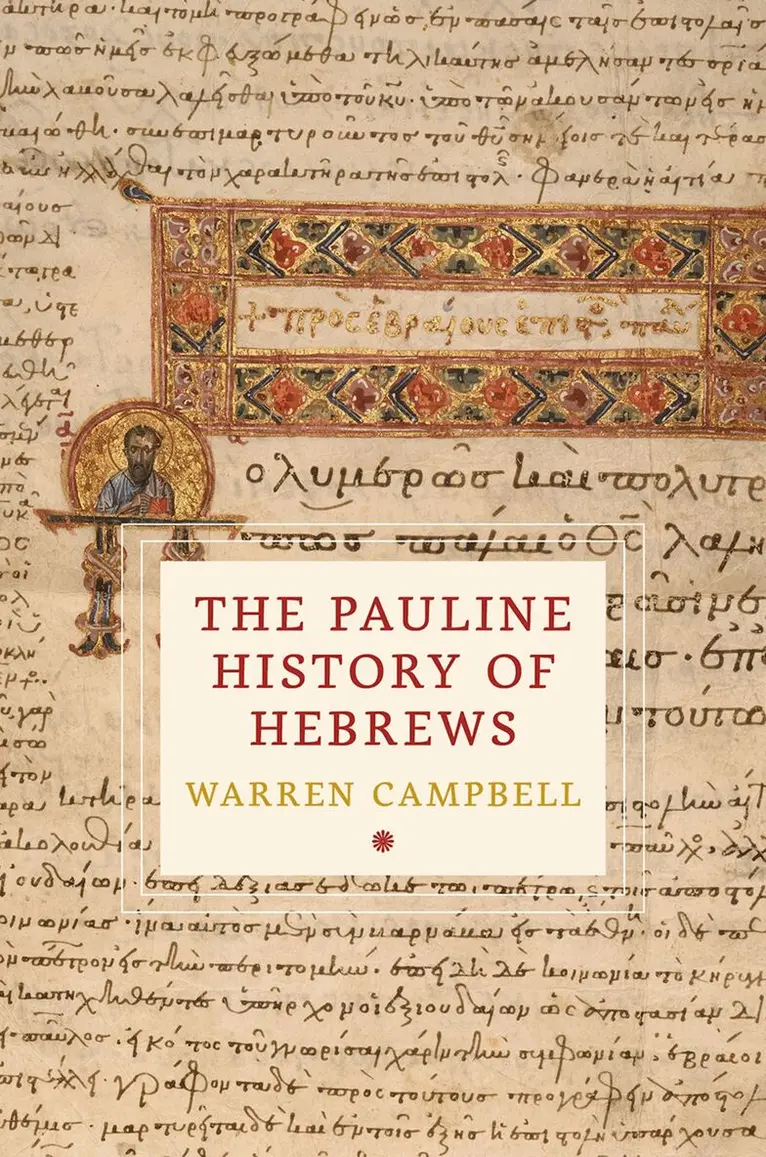
The Letter to the Hebrews is a confounding book in the New Testament. For one, it is not really a letter. Nor is the author of this indistinctly-titled letter named or identified. In fact, many of the rudimentary questions surrounding its intended audience, date, and provenance seem impermeable. Undeterred by these gaps, critical scholars have been transfixed by the anonymity of this text for more than just a few centuries, posing solutions with no foreseeable consensus. This historical-critical tradition has produced a litany of candidates for the author of this "letter" who now live on as customarily recycled ideas in obligatory "Introductory" genres for work on Hebrews. Rather than see anonymity as an unresolved problem, as a lack in the text that needs to be resolved, Warren Campbell embraces anonymity as a vantage point from which to observe the Pauline history of the Hebrews in a new way -- that is, how Hebrews was made to be Pauline. It moreover discusses how later readers variously configured Paul's Jewishness in light of having this epistle in their collection of Pauline letters. It also takes up a crucial point in the critical study of Hebrews by exploring how prefacing Hebrews in the manuscript tradition functions as a reading guide that predetermines the purpose and function of Hebrews. In this groundbreaking and thoroughly researched book, Campbell brings to bear new material on the memory of Paul's Jewishness, helping to start to lay the groundwork for a more nuanced and perceptive understanding of the Letter to the Hebrews.
875 kr
Skickas inom 5-8 vardagar
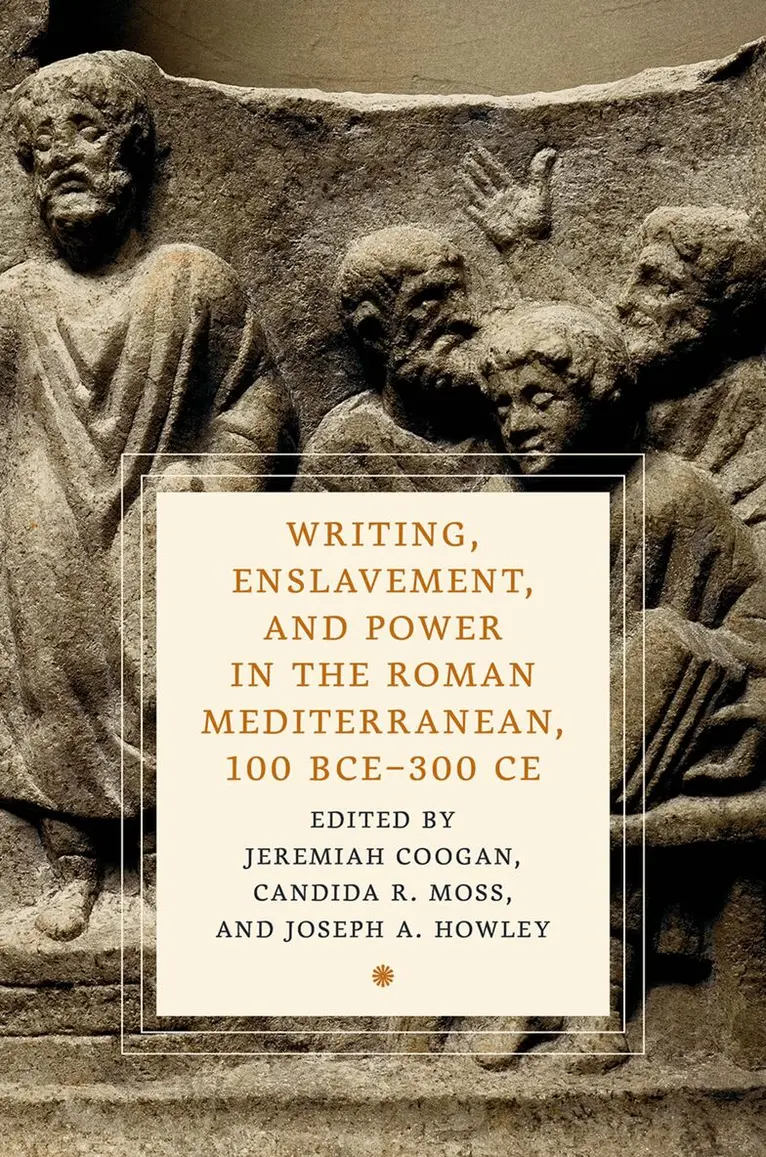
This volume assembles twenty-two scholars from the fields of classics and early Christian studies to interrogate the intersections between writing and enslavement around the Roman Mediterranean. Drawing upon methods developed in scholarship on book history and Atlantic slavery, the authors demonstrate the myriad ways in which the material and intellectual contributions of enslaved literary workers were vital to the composition, editing, copying, circulation, reading, and preservation of Roman texts. This thematically organized volume exposes the ways that power dynamics denigrate and erase enslaved contributors, as well as how language barriers, gender difference, and disability created dependence on enslaved workers. The central role of enslaved workers in practical work like bookkeeping, education, and divination is explored, in addition to the unseen labor of enslaved collators, note-keepers, editors, and curators. Enslaved workers were a constitutive part of the Roman knowledge economy; their roles in allowing others to read and write, in producing ancient literature, and in staffing the bureaucratic structures of the Roman empire were profound. Roman literature, technology, and knowledge depended on the labor and expertise of enslaved literate workers, and these chapters argue that they influenced just about every aspect of Roman life.