Dimensions of Leadership and Institutional Success: Exploring Connections and Partnerships – serie
Visar alla böcker i serien Dimensions of Leadership and Institutional Success: Exploring Connections and Partnerships. Handla med fri frakt och snabb leverans.
14 produkter
14 produkter
583 kr
Skickas inom 7-10 vardagar
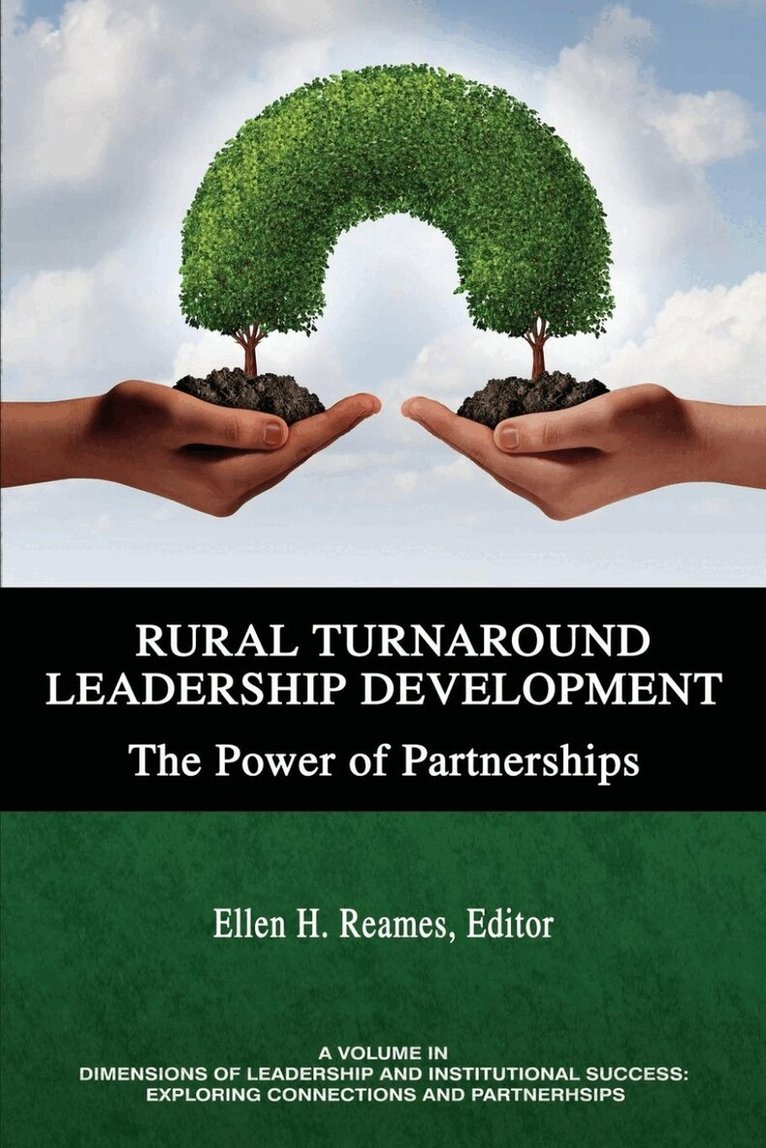
Rural Turnaround Leadership Development: The Power of Partnerships focuses on a three- year rural turnaround leadership project sponsored by the U.S. Department of Education. The project was designed to foster the development of a cohort of aspiring school leaders in rural high poverty/low performing K-12 school districts. The Alabama Project was selected by the U.S. Department of Education, in part, because it was the only submission which emphasized partnership between higher education institutions, school districts and the Alabama State Department of Education (ALSDE). Facets of the book include a treatment of the structures and processes each university created to develop their unique program, the distinctive turnaround curriculum used at each university, the role of mentoring in developing aspiring rural school leaders and the internship experiences and practices which supported aspiring leader development. One of the most powerful changes witnessed during the project was the development of aspiring leaders by the major and ancillary partners. The cross-connections between K-12 districts, the ALSDE, and the three university educational leadership programs was a multifaceted and multi-layered collaborative approach. The partnerships not only strengthened within each master’s program, but across agencies as a result of this project. The book will describe the value of partnership and leadership development through the eyes of the major contributors. The contributors or authors of the book will include the Alabama State Department of Education, the three educational leadership higher education institutions i.e. Auburn University, University of Alabama and Samford University, partner school district representatives and graduates of the program.
1 032 kr
Skickas inom 7-10 vardagar
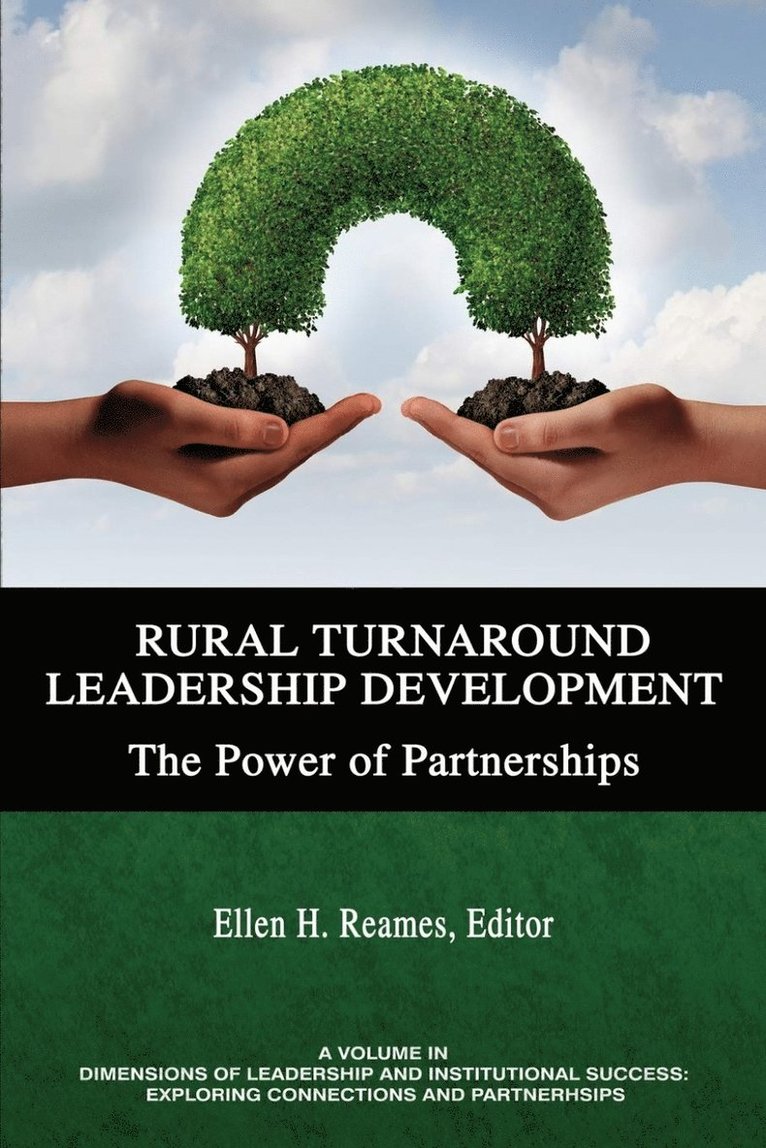
Rural Turnaround Leadership Development: The Power of Partnerships focuses on a three- year rural turnaround leadership project sponsored by the U.S. Department of Education. The project was designed to foster the development of a cohort of aspiring school leaders in rural high poverty/low performing K-12 school districts. The Alabama Project was selected by the U.S. Department of Education, in part, because it was the only submission which emphasized partnership between higher education institutions, school districts and the Alabama State Department of Education (ALSDE). Facets of the book include a treatment of the structures and processes each university created to develop their unique program, the distinctive turnaround curriculum used at each university, the role of mentoring in developing aspiring rural school leaders and the internship experiences and practices which supported aspiring leader development. One of the most powerful changes witnessed during the project was the development of aspiring leaders by the major and ancillary partners. The cross-connections between K-12 districts, the ALSDE, and the three university educational leadership programs was a multifaceted and multi-layered collaborative approach. The partnerships not only strengthened within each master’s program, but across agencies as a result of this project. The book will describe the value of partnership and leadership development through the eyes of the major contributors. The contributors or authors of the book will include the Alabama State Department of Education, the three educational leadership higher education institutions i.e. Auburn University, University of Alabama and Samford University, partner school district representatives and graduates of the program.
519 kr
Skickas inom 7-10 vardagar
School partnerships have a long history in the United States. The inception of public schooling was a type of partnership with the community. The concept of local school boards and local control was integral to the establishment of schools and the idea that public education was a public good has deep roots in the country. Partnerships denote relationships which are mutually beneficial to the parties involved and which result in joint benefits for those who create and engage in them. The partnerships presented in this book provide ample evidence of the value and benefits of these arrangements.The book contains stories and research about school partnerships from a variety of groups and perspectives, which are focused upon multiple issues within educational institutions and communities within the United States. The final chapter, presents an analysis across all the partnerships to identify the elements that fostered and hindered their success and the primary lessons learned. This analysis should provide meaningful information for those engaged in developing and operating similar partnerships or those involved in conducting research on or about them. Although the cases presented in this book occur within the United States, the findings may also have relevance for similar initiatives in other countries.
958 kr
Skickas inom 7-10 vardagar
School partnerships have a long history in the United States. The inception of public schooling was a type of partnership with the community. The concept of local school boards and local control was integral to the establishment of schools and the idea that public education was a public good has deep roots in the country. Partnerships denote relationships which are mutually beneficial to the parties involved and which result in joint benefits for those who create and engage in them. The partnerships presented in this book provide ample evidence of the value and benefits of these arrangements.The book contains stories and research about school partnerships from a variety of groups and perspectives, which are focused upon multiple issues within educational institutions and communities within the United States. The final chapter, presents an analysis across all the partnerships to identify the elements that fostered and hindered their success and the primary lessons learned. This analysis should provide meaningful information for those engaged in developing and operating similar partnerships or those involved in conducting research on or about them. Although the cases presented in this book occur within the United States, the findings may also have relevance for similar initiatives in other countries.
Partnerships for Leadership Preparation and Development
Facilitators, Barriers and Models for Change
Häftad, Engelska, 2020
583 kr
Skickas inom 7-10 vardagar
There is a large body of research that supports the reality that school leaders make a significant contribution to the success of schools and the students in them. Additionally, there is strong agreement among and between researchers and state and national educational leadership associations that educational leadership preparation and development should be created and implemented within university/school partnerships. Although institutions engage in forming university/school partnerships for varied reasons, research on the extent to which these partnerships exist; their organizational structures and processes; their implementation and effectiveness; and elements that foster and hinder their success is limited.Perhaps more importantly, there is not a widely accepted, research-based model of such partnerships that practitioners and researchers can use to guide the development and assessment of these partnership endeavors and upon which they can conduct effective research. This book seeks to fill these gaps. It presents the purposes, processes, practices and outcomes of eleven university/school partnerships focused on school leadership preparation and/or development.Each chapter presents an overview of the partnership, elements that fostered and hindered partnership success, and lessons learned. The book concludes with a chapter that summarizes findings across all chapters and presents a school/university partnership model that can be used by those interested in forming, improving or researching similar partnership endeavors. There are no similar resources available in the field. Thus, this book makes an important contribution to the literature and to the world of practice and research.
Partnerships for Leadership Preparation and Development
Facilitators, Barriers and Models for Change
Inbunden, Engelska, 2020
1 032 kr
Skickas inom 7-10 vardagar
There is a large body of research that supports the reality that school leaders make a significant contribution to the success of schools and the students in them. Additionally, there is strong agreement among and between researchers and state and national educational leadership associations that educational leadership preparation and development should be created and implemented within university/school partnerships. Although institutions engage in forming university/school partnerships for varied reasons, research on the extent to which these partnerships exist; their organizational structures and processes; their implementation and effectiveness; and elements that foster and hinder their success is limited.Perhaps more importantly, there is not a widely accepted, research-based model of such partnerships that practitioners and researchers can use to guide the development and assessment of these partnership endeavors and upon which they can conduct effective research. This book seeks to fill these gaps. It presents the purposes, processes, practices and outcomes of eleven university/school partnerships focused on school leadership preparation and/or development.Each chapter presents an overview of the partnership, elements that fostered and hindered partnership success, and lessons learned. The book concludes with a chapter that summarizes findings across all chapters and presents a school/university partnership model that can be used by those interested in forming, improving or researching similar partnership endeavors. There are no similar resources available in the field. Thus, this book makes an important contribution to the literature and to the world of practice and research.
1 298 kr
Kommande
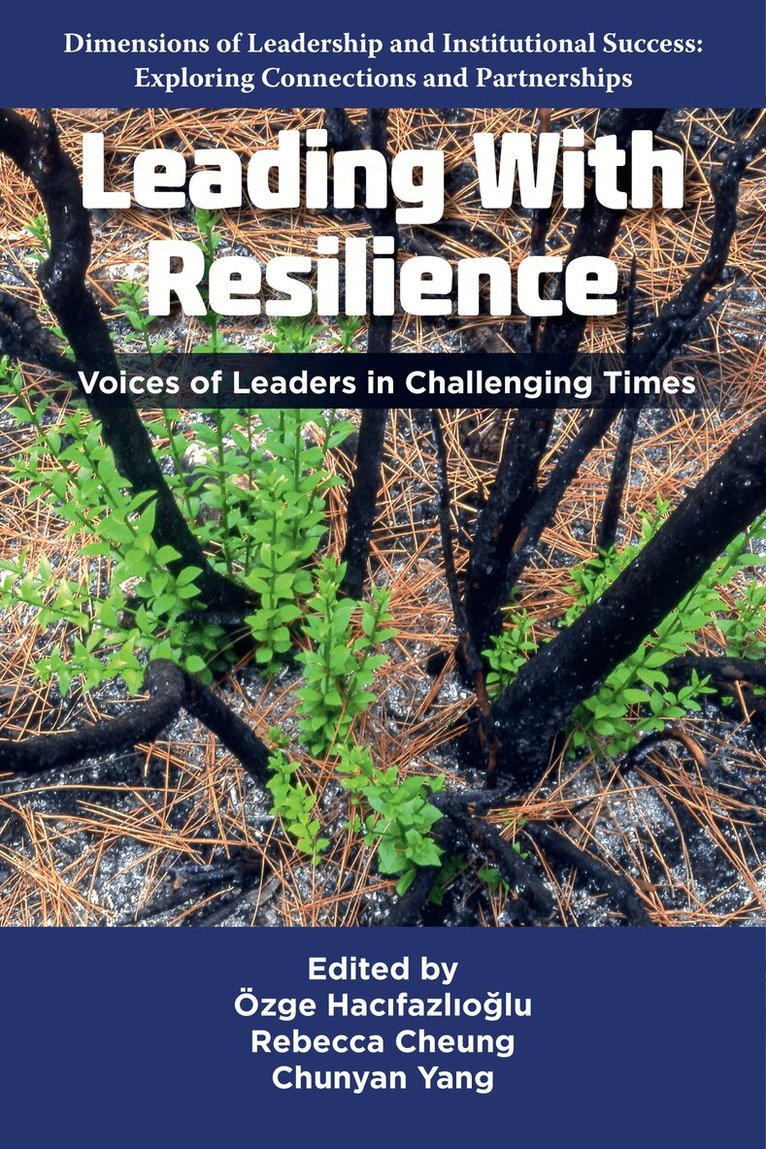
In an era marked by uncertainty and rapid change, how do educational leaders sustain resilience, not just for themselves, but for their entire school communities? Leading With Resilience: Voices of Leaders in Challenging Times brings together powerful narratives and research-driven insights from teachers, school leaders, and system-level changemakers navigating some of the most challenging moments in recent history. brings together powerful narratives and research-driven insights from teachers, school leaders, and system-level changemakers navigating some of the most challenging moments in recent history. Drawing from three longitudinal projects in California, this compelling volume explores how resilience can be cultivated through intentional leadership, community care, and equity-centered practices.From the frontlines of the global pandemic to the lived experiences of AAPI educators and women of color pursuing superintendency, each chapter offers a unique lens on the emotional, cultural, and systemic dimensions of resilience. These stories illuminate the strategies that have helped leaders not only survive but thrive, fostering wellbeing, driving change, and inspiring hope.Whether you're an educator, policymaker, or aspiring leader, this book offers a timely and deeply human look at what it means to lead with strength, compassion, and purpose in times of crisis.
529 kr
Kommande
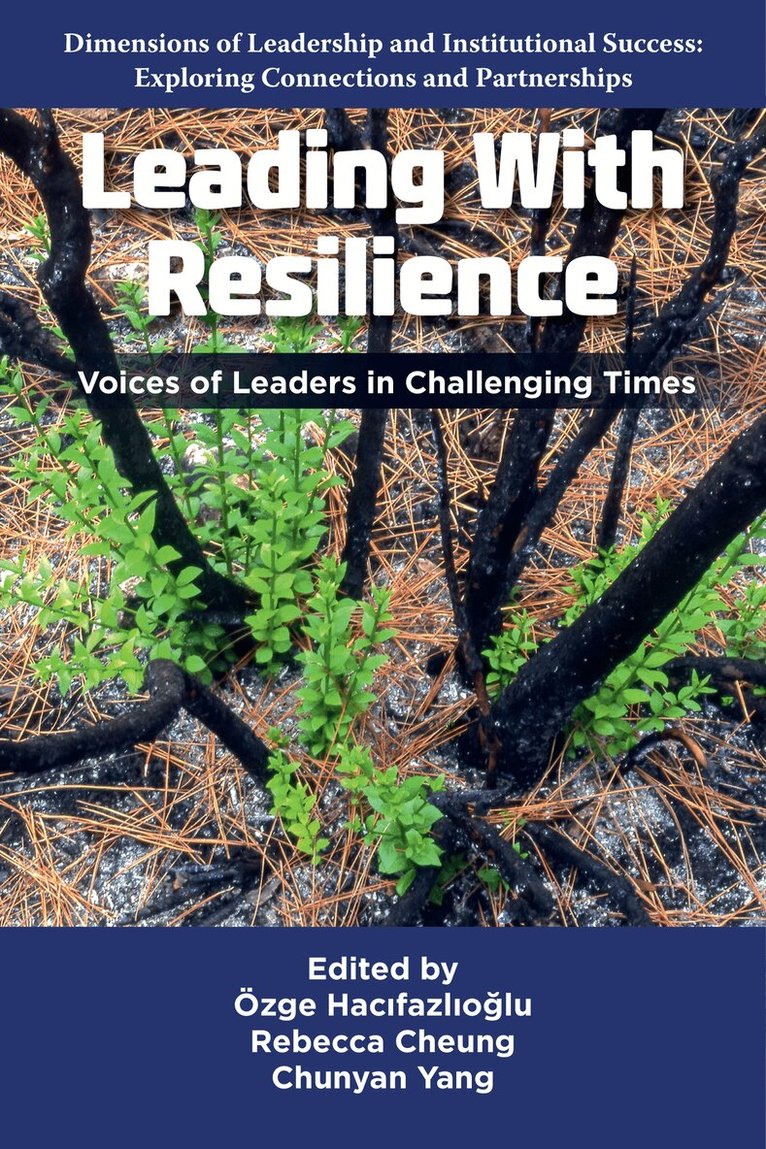
In an era marked by uncertainty and rapid change, how do educational leaders sustain resilience, not just for themselves, but for their entire school communities? Leading With Resilience: Voices of Leaders in Challenging Times brings together powerful narratives and research-driven insights from teachers, school leaders, and system-level changemakers navigating some of the most challenging moments in recent history. brings together powerful narratives and research-driven insights from teachers, school leaders, and system-level changemakers navigating some of the most challenging moments in recent history. Drawing from three longitudinal projects in California, this compelling volume explores how resilience can be cultivated through intentional leadership, community care, and equity-centered practices.From the frontlines of the global pandemic to the lived experiences of AAPI educators and women of color pursuing superintendency, each chapter offers a unique lens on the emotional, cultural, and systemic dimensions of resilience. These stories illuminate the strategies that have helped leaders not only survive but thrive, fostering wellbeing, driving change, and inspiring hope.Whether you're an educator, policymaker, or aspiring leader, this book offers a timely and deeply human look at what it means to lead with strength, compassion, and purpose in times of crisis.
840 kr
Skickas inom 7-10 vardagar
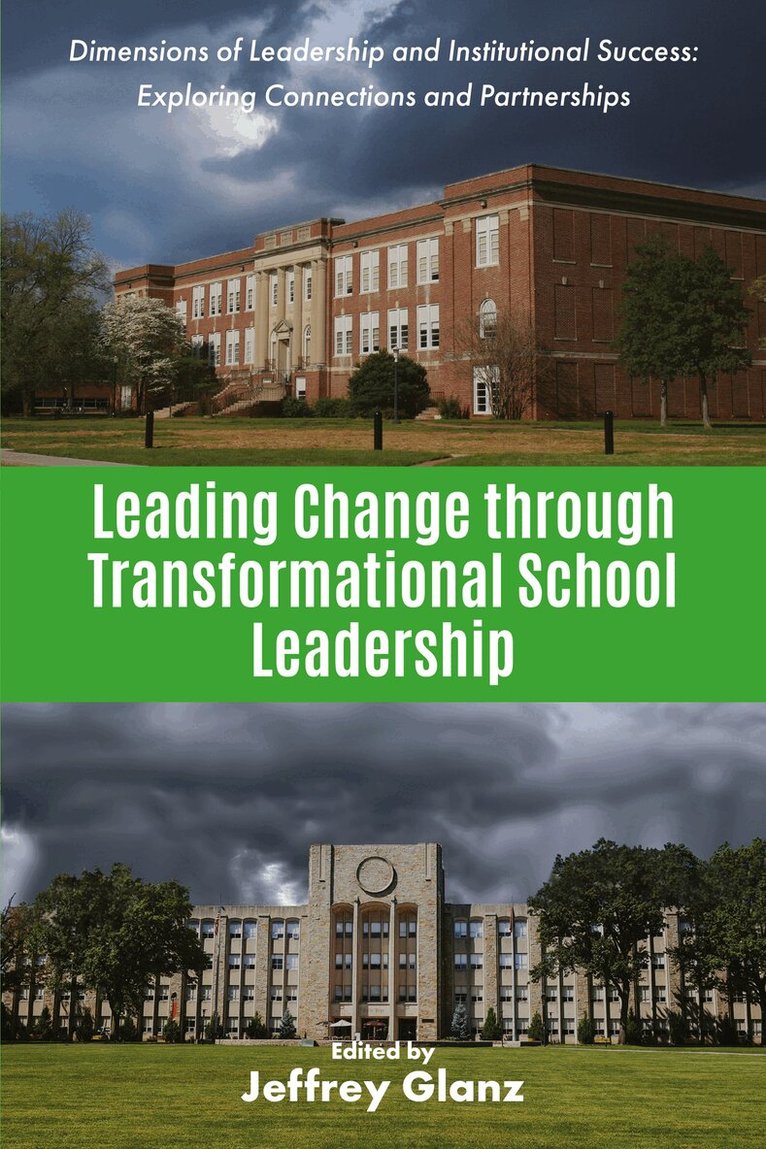
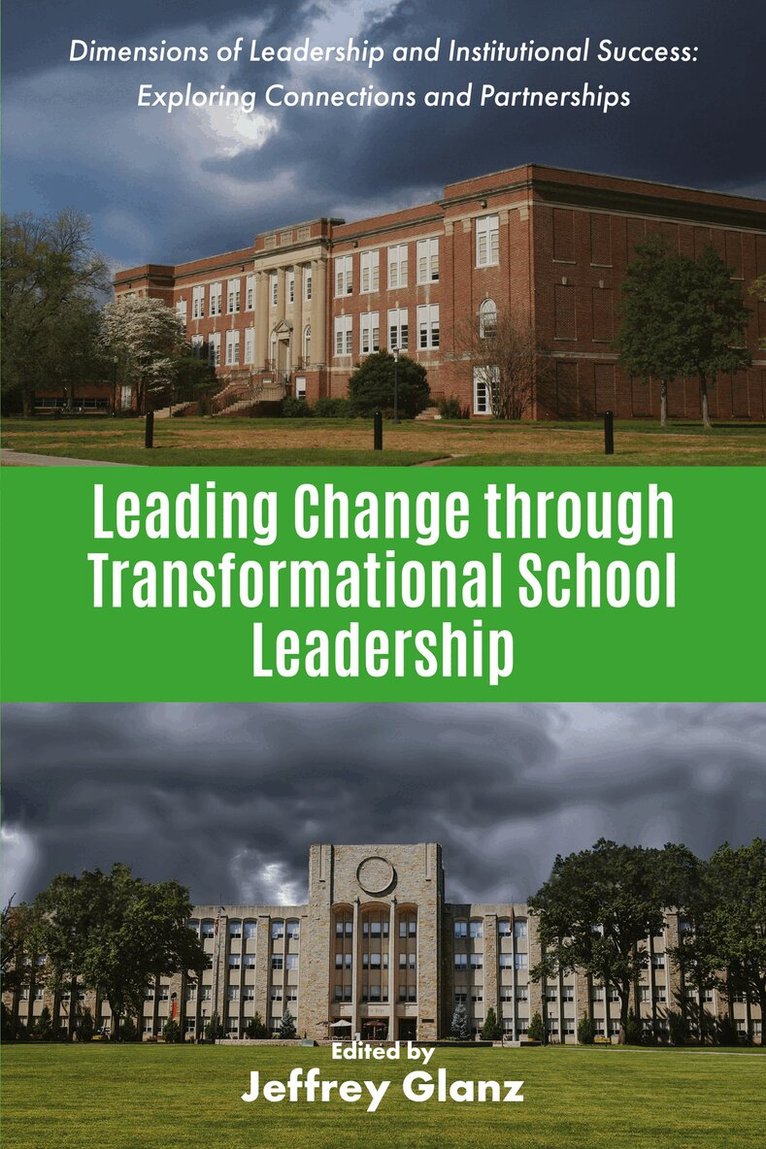
Leading Change through Transformational School Leadership provides insights into the change process as school leaders grapple with many demanding challenges. We are living through tumultuous times, given the unpredictable technological advances, the instability of world politics, the ever-increasing economic disparities worldwide, and the ubiquitous social and cultural upheavals dominating the news through social media. Amidst these global social, political, economic, and cultural transformations, education and schooling remain constants for hope, prosperity, and resilience. Schooling and education have generally been stable institutional and organizational structures, serving students of all ages globally. Schools aren't merely reactive to outside pressures but are, ideally, proactive institutions aiming to forge a better society that provides the requisite knowledge, skills, and ethical dispositions necessary to function in an ever-changing 21st-century milieu. Schools serve to provide high-quality instruction as well as to reinforce common values of goodness, equity, and justice for all. Consequently, schools, although stable forces, must change to meet the challenging needs of 21st-century living. School leaders, in particular, are responsible for creating ways to improve the educational experience. Whether it's adapting the curriculum to meet societal exigencies, creating new programs to support student learning, advancing the education of teachers, providing greater access to parental involvement, forging connections with the surrounding communities, and much more, schools must remain at the forefront of educational change. This book draws from the real world of practice, highlighting attempts to navigate an ever-increasing complex, diverse environment and grappling with internal and external vicissitudes that inevitably challenge a school leader's convictions and intestinal fortitude. Because problems are more intractable today, school leaders have relied on several theories of leadership to guide their work in schools. Transformational school leadership theory provides foundational guidance but also draws from other literature bases concerning teaching, learning, teacher leadership, and systems thinking, for example improvement science, which are formative.
455 kr
Skickas inom 7-10 vardagar
Leading Change through Transformational School Leadership provides insights into the change process as school leaders grapple with many demanding challenges. We are living through tumultuous times, given the unpredictable technological advances, the instability of world politics, the ever-increasing economic disparities worldwide, and the ubiquitous social and cultural upheavals dominating the news through social media. Amidst these global social, political, economic, and cultural transformations, education and schooling remain constants for hope, prosperity, and resilience. Schooling and education have generally been stable institutional and organizational structures, serving students of all ages globally. Schools aren't merely reactive to outside pressures but are, ideally, proactive institutions aiming to forge a better society that provides the requisite knowledge, skills, and ethical dispositions necessary to function in an ever-changing 21st-century milieu. Schools serve to provide high-quality instruction as well as to reinforce common values of goodness, equity, and justice for all. Consequently, schools, although stable forces, must change to meet the challenging needs of 21st-century living. School leaders, in particular, are responsible for creating ways to improve the educational experience. Whether it's adapting the curriculum to meet societal exigencies, creating new programs to support student learning, advancing the education of teachers, providing greater access to parental involvement, forging connections with the surrounding communities, and much more, schools must remain at the forefront of educational change. This book draws from the real world of practice, highlighting attempts to navigate an ever-increasing complex, diverse environment and grappling with internal and external vicissitudes that inevitably challenge a school leader's convictions and intestinal fortitude. Because problems are more intractable today, school leaders have relied on several theories of leadership to guide their work in schools. Transformational school leadership theory provides foundational guidance but also draws from other literature bases concerning teaching, learning, teacher leadership, and systems thinking, for example improvement science, which are formative.
Navigating the Ubiquitous, Misunderstood, and Evolving Role of the Educational Leadership Program Coordinator in Higher Education
Häftad, Engelska, 2023
519 kr
Skickas inom 7-10 vardagar
Navigating the Ubiquitous, Misunderstood, and Evolving Role of the Educational Leadership Program Coordinator in Higher Education is an edited volume of chapters focused on the role of the program coordinator (PC) in educational leadership. The book is a recent addition to the book series: Dimensions of Leadership and Institutional Success: Exploring Connections and Partnerships, edited by Ellen H. Reames. Noelle A. Paufler and Ellen H. Reames (editors) created this book to examine various aspects of the PC role because it has been largely ignored in the educational leadership preparation literature. The book examines various aspects of the PC role to include responsibilities, navigating the politics and policies of higher education and educational agencies, internal and external problems and barriers related to the role, and recommendations and possibilities for enhancing the PC role. The book is divided into 3 sections: Section 1 centers on the roles of the PC and also includes a model that can be used to structure PC responsibilities within programs. Section 2 focuses the readers’ attention to present misunderstanding of the PC as a quasiadministrative role which appears to be gaining in clarity through present research. Section 3 gives a glimpse to future trends which includes the growing use of clinical faculty as PCs.The primary audience is higher education faculty and administrators. The term program coordinator spans across all disciplines and is used in most higher education institutions across the United States. Higher education institutions are also interested in sustaining partnerships within the university and the communities beyond. This book can assist with nuances of partnership development for any higher education field of study.The audience also includes faculty in higher educational leadership program development and school/university partnership development and enhancement across public and private enterprises who are educating future leaders. Other interested groups are university and school-based professionals who are seeking to improve relationships, partnerships, and collaborations between educational leadership preparation programs and K-12 districts and related agencies. The book would also be of value to those who conduct research in the areas of partnership creation and implementation and to those who conduct research which improves educational leadership preparation and development. The role of the PC in educational leadership is critical to the success of higher education leadership preparation programs and is often very different than PCs in other higher education disciplines.
Navigating the Ubiquitous, Misunderstood, and Evolving Role of the Educational Leadership Program Coordinator in Higher Education
Inbunden, Engelska, 2023
958 kr
Skickas inom 7-10 vardagar
Navigating the Ubiquitous, Misunderstood, and Evolving Role of the Educational Leadership Program Coordinator in Higher Education is an edited volume of chapters focused on the role of the program coordinator (PC) in educational leadership. The book is a recent addition to the book series: Dimensions of Leadership and Institutional Success: Exploring Connections and Partnerships, edited by Ellen H. Reames. Noelle A. Paufler and Ellen H. Reames (editors) created this book to examine various aspects of the PC role because it has been largely ignored in the educational leadership preparation literature. The book examines various aspects of the PC role to include responsibilities, navigating the politics and policies of higher education and educational agencies, internal and external problems and barriers related to the role, and recommendations and possibilities for enhancing the PC role. The book is divided into 3 sections: Section 1 centers on the roles of the PC and also includes a model that can be used to structure PC responsibilities within programs. Section 2 focuses the readers’ attention to present misunderstanding of the PC as a quasiadministrative role which appears to be gaining in clarity through present research. Section 3 gives a glimpse to future trends which includes the growing use of clinical faculty as PCs.The primary audience is higher education faculty and administrators. The term program coordinator spans across all disciplines and is used in most higher education institutions across the United States. Higher education institutions are also interested in sustaining partnerships within the university and the communities beyond. This book can assist with nuances of partnership development for any higher education field of study.The audience also includes faculty in higher educational leadership program development and school/university partnership development and enhancement across public and private enterprises who are educating future leaders. Other interested groups are university and school-based professionals who are seeking to improve relationships, partnerships, and collaborations between educational leadership preparation programs and K-12 districts and related agencies. The book would also be of value to those who conduct research in the areas of partnership creation and implementation and to those who conduct research which improves educational leadership preparation and development. The role of the PC in educational leadership is critical to the success of higher education leadership preparation programs and is often very different than PCs in other higher education disciplines.
Educational Leadership Program Coordinators
Partnership Creators Through Social Connectedness
Häftad, Engelska, 2024
567 kr
Skickas inom 7-10 vardagar
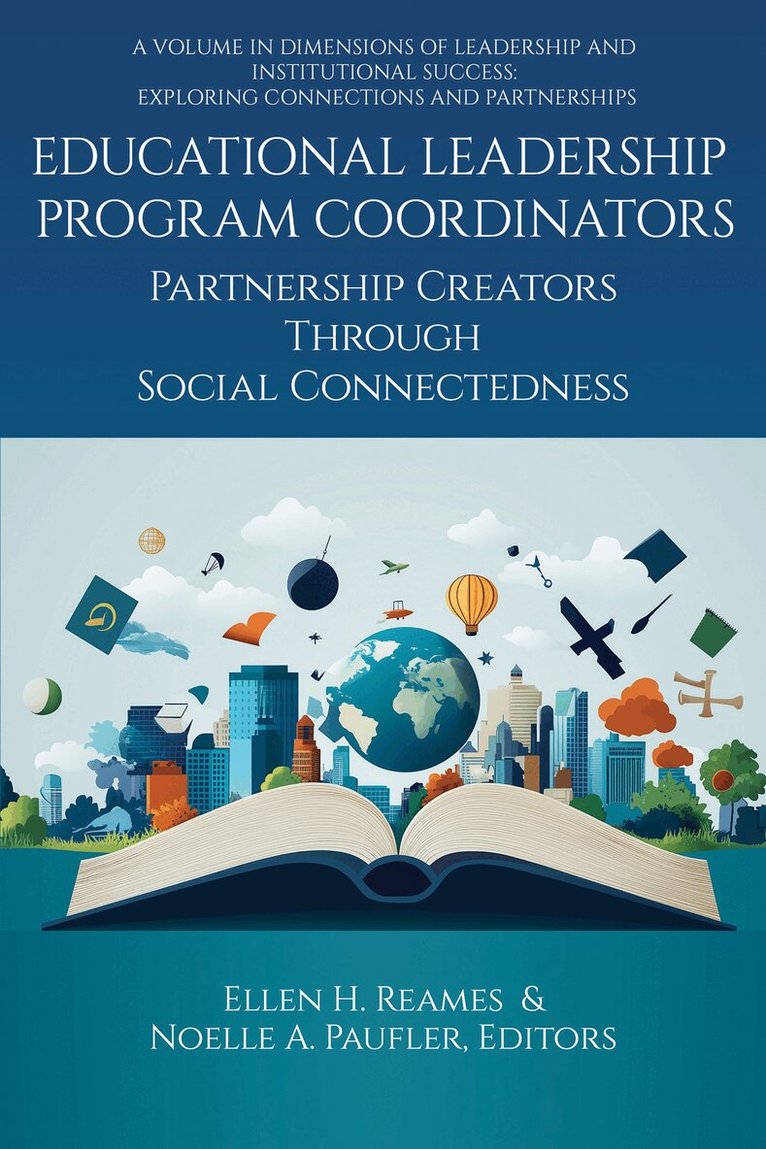
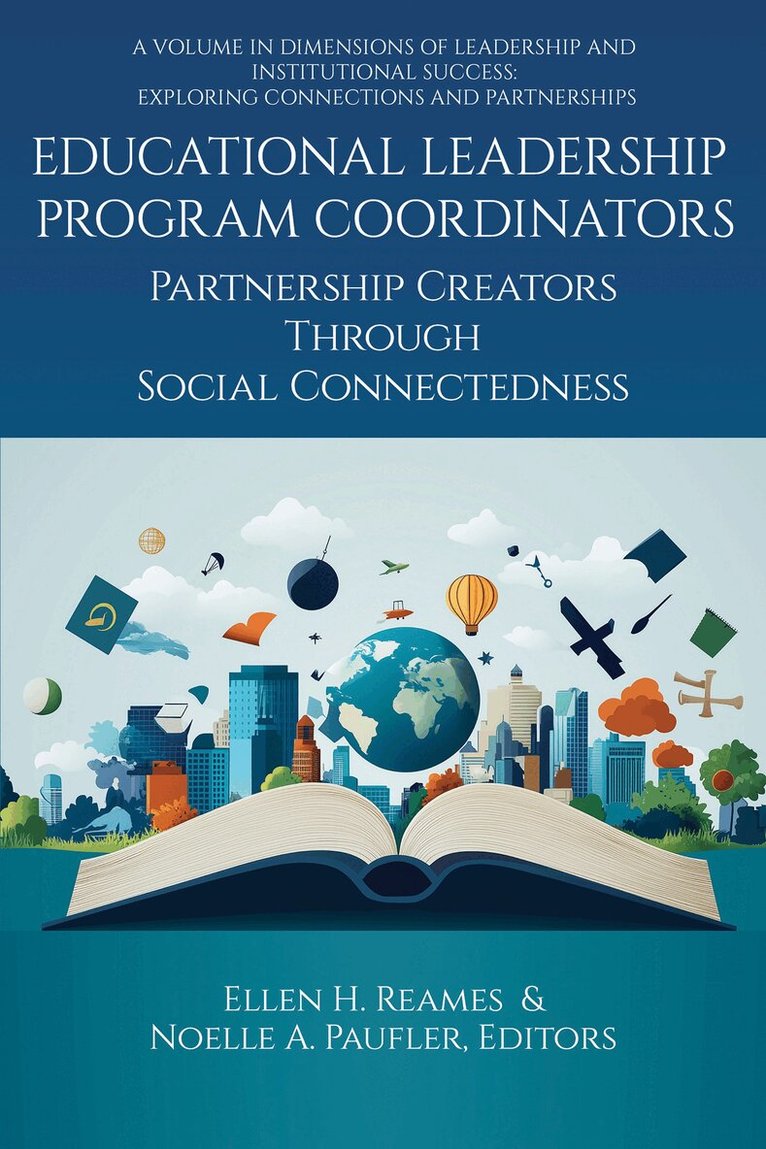
Educational Leadership Program Coordinators: Partnership Creators Through Social Connectedness is an edited volume of chapters which focus on the social bonds and connections formed as program coordinators develop partnerships with K-12 school districts, other higher education institutions, and agencies which support learning in schools and universities. The book is a recent addition to the book series: Dimensions of Leadership and Institutional Success: Exploring Connections and Partnerships, edited by Ellen H. Reames. Ellen and co-editor Noelle A. Paufler created this book to examine the theme of social connectedness and the creative nature of program coordinators. The theme of social connectedness is a key factor in fostering healthy and positive relationships for educational leadership programs and their faculty as they venture into the community at large. The chapters in this volume are laden with the presence of networks established with the community, access to the networks, and a sense of membership and belongingness. These partnerships from a social connectedness lens help assure program stability, resilience, and creativity. This volume examines how program coordinators creatively connect with the larger external and internal environments in what is known as learning partnerships. The editors have included national as well as international treatments of the topic.The primary audience is higher education faculty and administrators. The term program coordinator spans across all disciplines and is used in most higher education institutions across the United States. Higher education institutions are also interested in sustaining partnerships within the university and the communities beyond. This book can assist with nuances of partnership development for any higher education field of study.
Educational Leadership Program Coordinators
Partnership Creators Through Social Connectedness
Inbunden, Engelska, 2024
1 047 kr
Skickas inom 7-10 vardagar
Educational Leadership Program Coordinators: Partnership Creators Through Social Connectedness is an edited volume of chapters which focus on the social bonds and connections formed as program coordinators develop partnerships with K-12 school districts, other higher education institutions, and agencies which support learning in schools and universities. The book is a recent addition to the book series: Dimensions of Leadership and Institutional Success: Exploring Connections and Partnerships, edited by Ellen H. Reames. Ellen and co-editor Noelle A. Paufler created this book to examine the theme of social connectedness and the creative nature of program coordinators. The theme of social connectedness is a key factor in fostering healthy and positive relationships for educational leadership programs and their faculty as they venture into the community at large. The chapters in this volume are laden with the presence of networks established with the community, access to the networks, and a sense of membership and belongingness. These partnerships from a social connectedness lens help assure program stability, resilience, and creativity. This volume examines how program coordinators creatively connect with the larger external and internal environments in what is known as learning partnerships. The editors have included national as well as international treatments of the topic.The primary audience is higher education faculty and administrators. The term program coordinator spans across all disciplines and is used in most higher education institutions across the United States. Higher education institutions are also interested in sustaining partnerships within the university and the communities beyond. This book can assist with nuances of partnership development for any higher education field of study.